
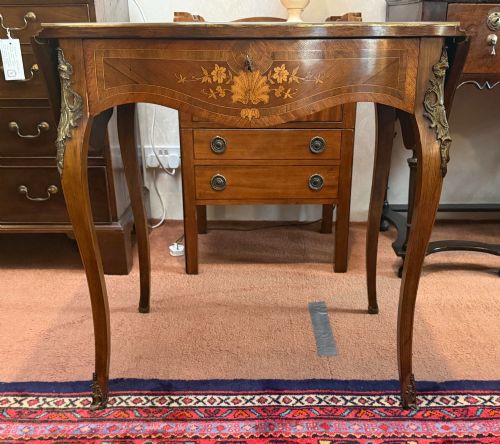
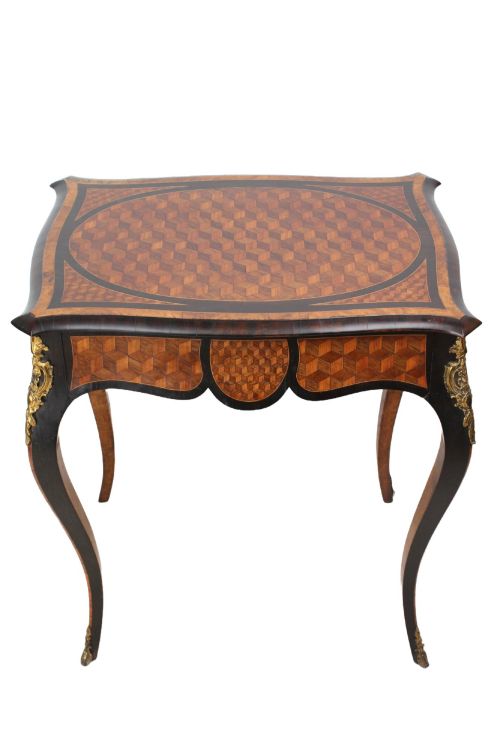
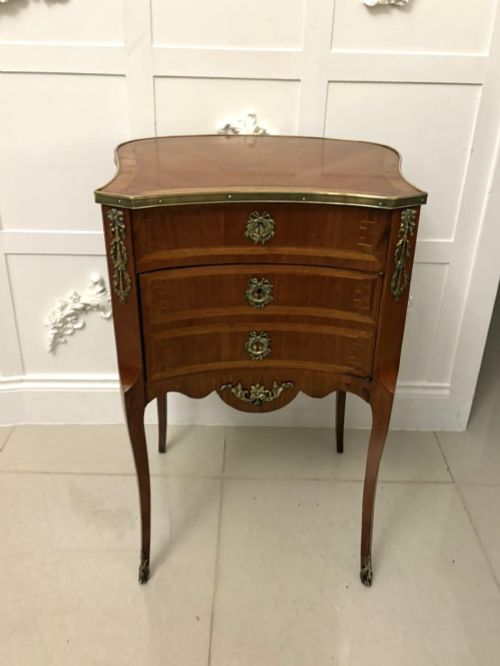
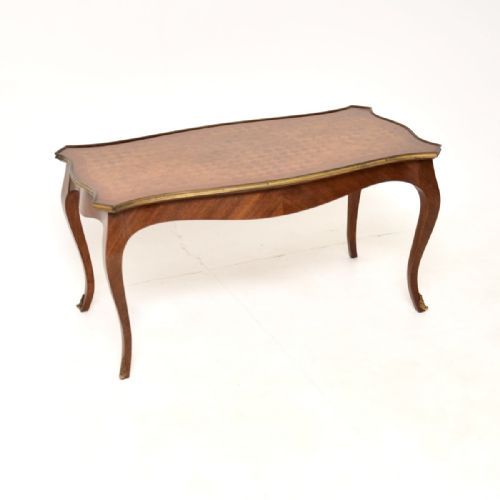
Ormolu Walnut Table
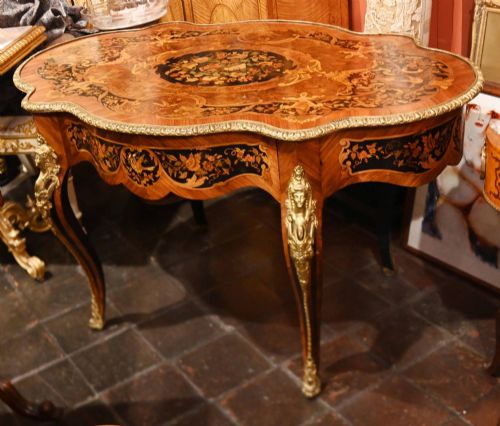
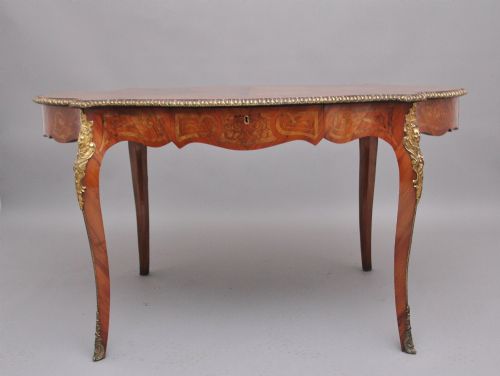
An ormolu walnut table combines figured timber with cast gilt mounts, offering surface utility and decorative presence across Victorian and continental revival interiors.
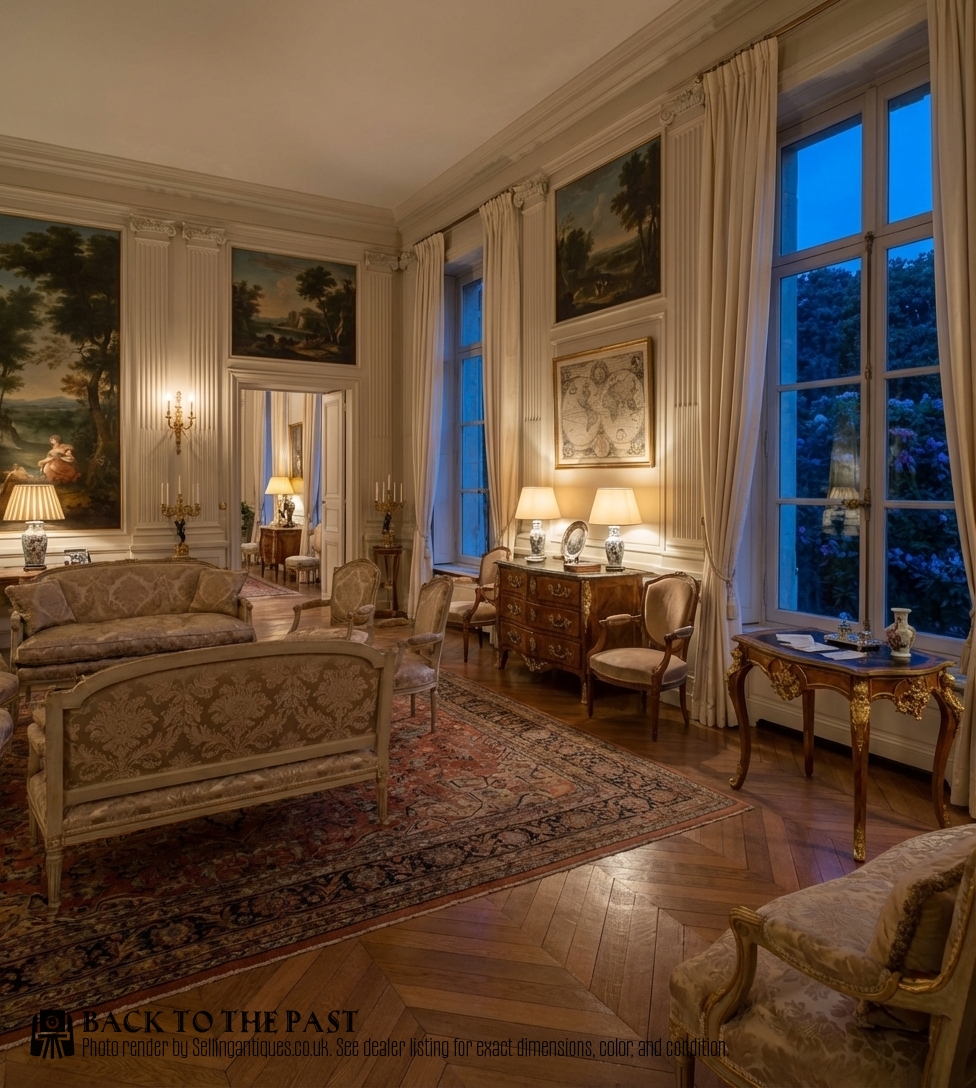
Ormolu Walnut Table
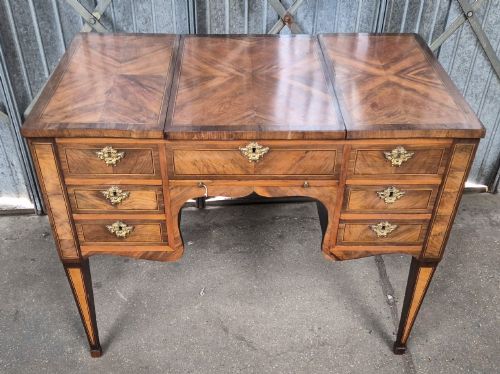
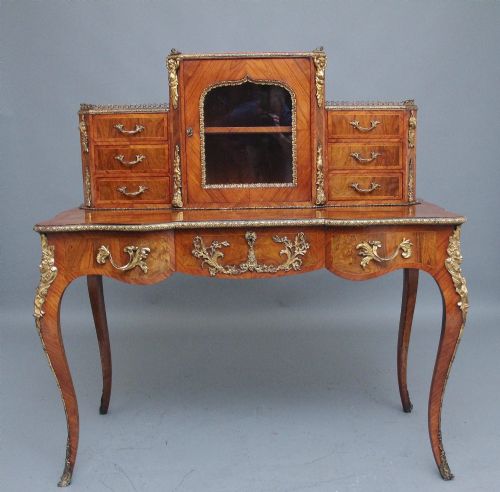
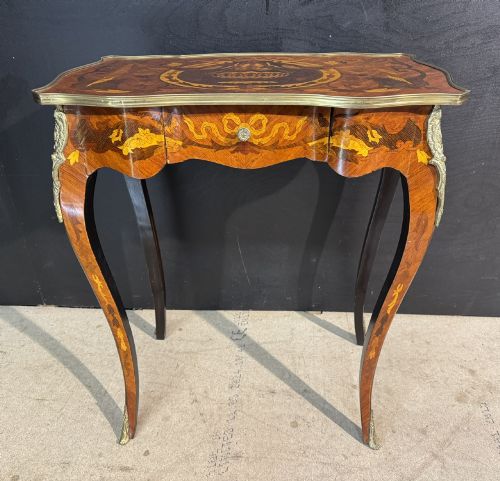
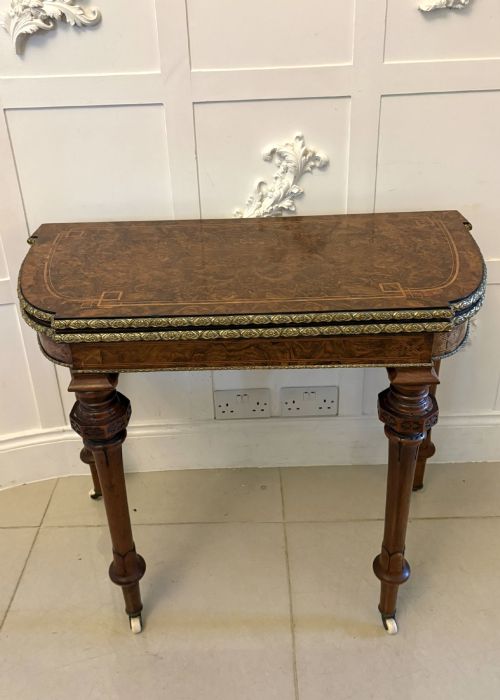
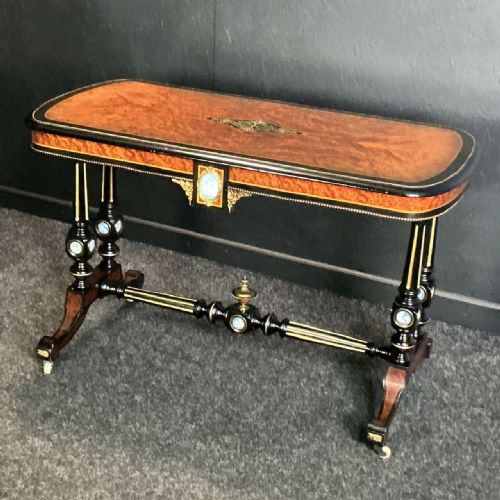
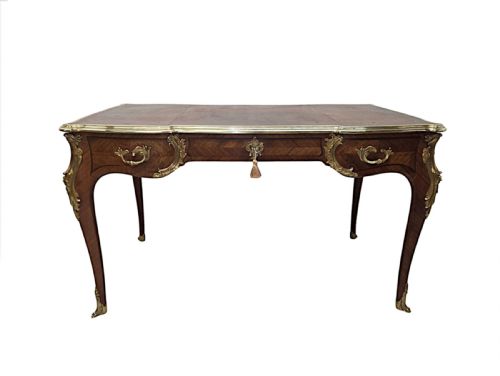
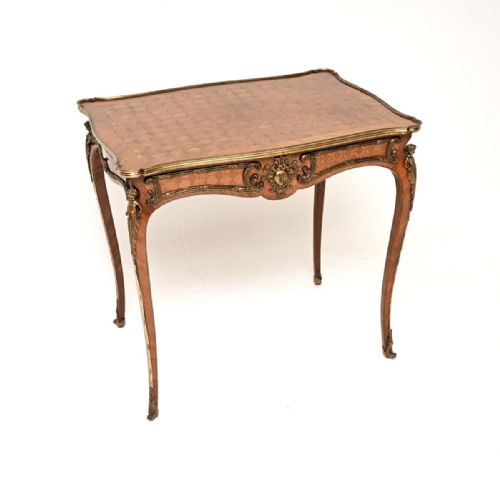
An ormolu walnut table primarily appears in nineteenth century formats, ranging from Victorian card and games tables to French bureau plat desks and occasional side tables.
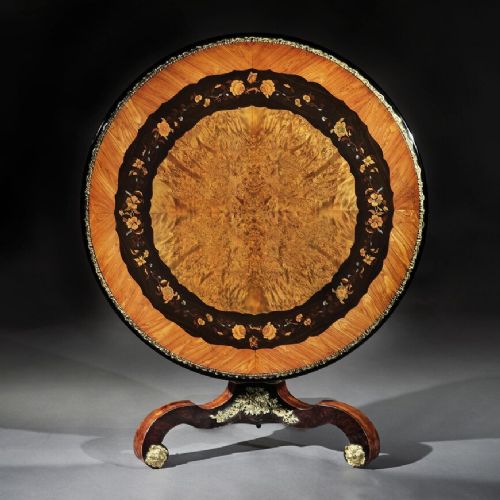
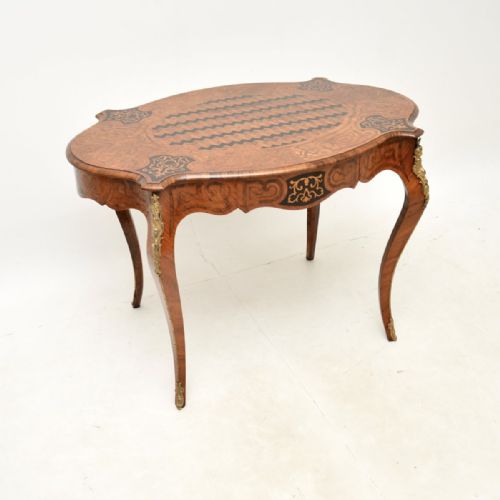
Makers utilised diverse forms such as kidney shaped lamp tables, serpentine writing desks, and centre tables, frequently adopting Louis XV and Louis XVI revival styles.
The combination of walnut timber and cast bronze mounts defines pieces originating from English workshops as well as French cabinet makers active during the 1850s to 1930s.
Evaluating Craftsmanship
Superior examples demonstrate precision in the hand-chiselling of the ormolu mounts, where crisp detail and deep gilding elevate the visual impact against the timber.
The choice and matching of burr walnut veneers, alongside intricate floral marquetry or parquetry inlay, separate standard production items from exhibition grade pieces.
Structural integrity relies on traditional joinery, sound drawer construction, and the retention of original hardware and inset leather surfaces.
Materials recorded across the inventory encompass burr walnut, kingwood, ormolu, brass, and inset leather writing surfaces.
Edward Holmes Baldock·Edward And Roberts·JAS Shoolbred·Francois Linke·L.Martin of Paris·Epstein and Co
The Ormolu Walnut Table Glossary
- Ormolu
- Gilt bronze mounts applied to furniture for decorative enrichment. The technique involves applying a mercury and gold amalgam to cast bronze before firing.
- Burr Walnut
- Timber taken from a tree growth or knot, yielding intricate, swirling grain patterns. Cabinet makers utilised these veneers on primary display surfaces.
- Bureau Plat
- A freestanding partners or writing desk fitted with drawers. These tables typically feature finished backs and leather writing surfaces.
- Parquetry
- Geometric wood inlay forming patterned surfaces such as cubes or chequers. Craftsmen arranged contrasting timbers like kingwood and walnut.
- Sabot
- A metal mount fitted to the foot of a cabriole leg. These serve both a decorative and a protective function against floor wear.
Ormolu Walnut Table: Frequently Asked Questions
Were these tables used for dining or writing?
Tables designed with bureau plat or writing desk formats served correspondence and administrative tasks. Many retained fitted drawers for stationery and integrated tooled leather inserts.
Other variants functioned as card or games tables featuring fold-over tops lined with baize. Occasional and centre tables accommodated lamps, decorative objects, or general display purposes.
How do I distinguish Victorian from French revival pieces?
English Victorian examples often utilise solid burr walnut timbers with robust cabinetry and heavy cabriole or pillar supports. Their ormolu mounts tend to be cast with distinct British aesthetic preferences.
French pieces from the same era frequently display Louis XV or Louis XVI revival characteristics, incorporating elaborate parquetry, kingwood banding, and finer floral marquetry alongside lighter structural proportions.
What is the significance of marble top variants?
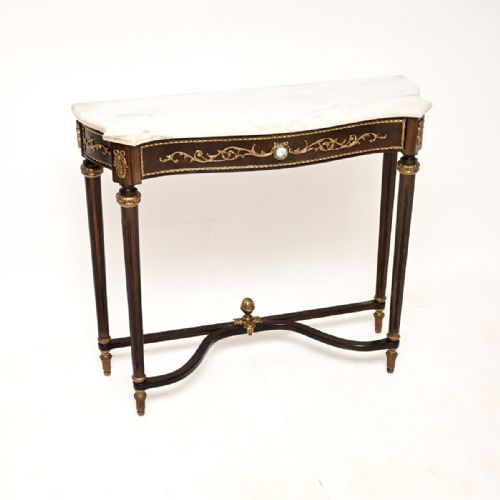
Marble topped tables, particularly bedside chests and lamp tables, provided a durable, heat-resistant surface for holding lighting and chamber items. White or coloured marble slabs were fitted directly into the wooden frame.
This addition elevated the utility of smaller tables while introducing classical weight and texture to contrast against the polished walnut and gilt bronze mounts.