



Ormolu Mounted Box
An ormolu mounted box is a decorative container embellished with gilded bronze mounts, combining rich woods or crystal to hold precious items.
Ormolu Mounted Box
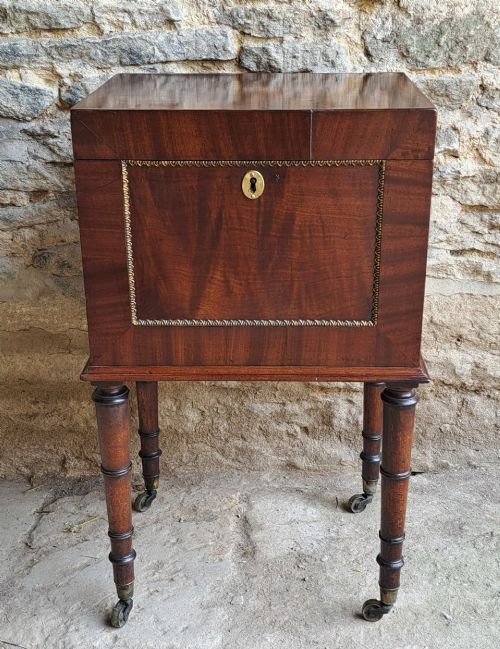
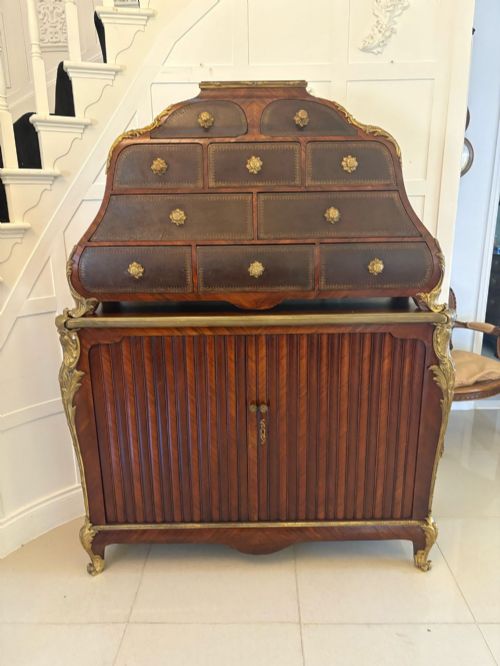
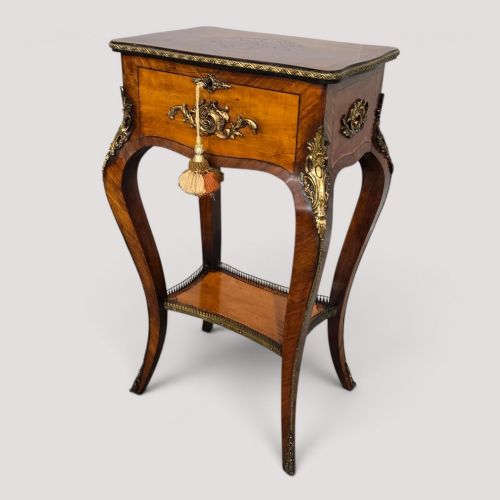
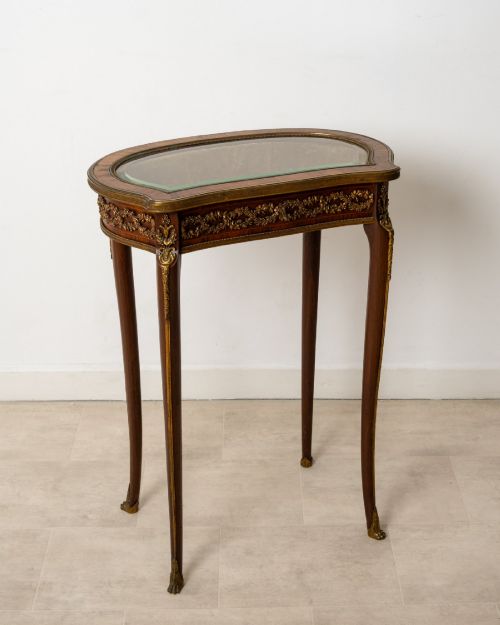
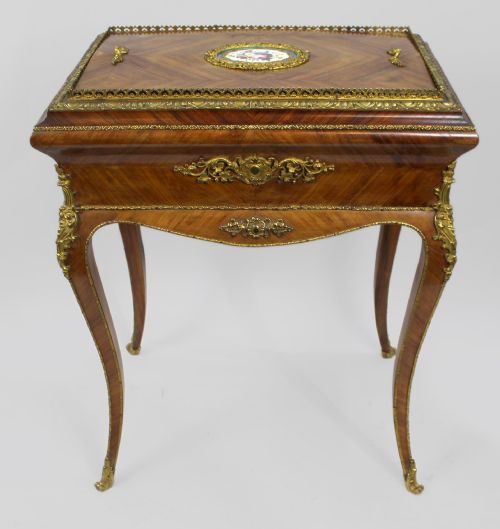
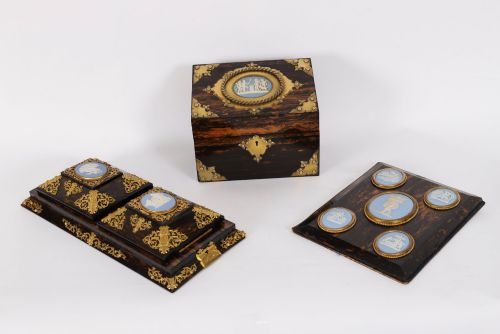
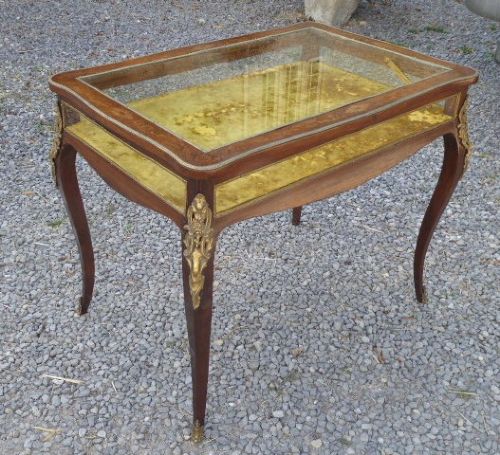
An ormolu mounted box brings together fine cabinetry and cast bronze ornamentation, representing a tradition of French and English decorative arts from the nineteenth century. Buyers seeking an ormolu mounted box will encounter pieces ranging from small jewellery caskets and stationary boxes to larger display tables and vitrines. These objects served elite interiors for storing letters, trinkets, and personal valuables, often displayed prominently on salon tables.
The most common forms on this page date from the Victorian era and the mid to late nineteenth century, spanning periods like Napoleon III and revival styles such as Louis XV and Louis XVI. Makers utilised exotic timbers alongside crystal, porcelain plaques, and jasperware, mounting them with finely chased gilt bronze. French workshops dominate the selection, producing tabletop caskets and freestanding bijouterie tables with glazed panels for exhibiting small treasures.
How they were made
Craftsmen built the carcasses of these boxes using dense timbers like kingwood, mahogany, rosewood, and coromandel, frequently applying intricate marquetry or floral veneers. Frames were shaped to house bevelled glass panels or porcelain plaques, requiring precise carpentry to ensure tight joints. Surface preparation involved French polishing to bring out the natural grain and colour of the wood before metal mounts were attached.
Ornaments were cast in bronze using the lost-wax method and subsequently gilded with mercury or electroplating to achieve the distinctive ormolu finish. These bronze mounts were then hand-chased with fine chisels and punches to sharpen the surface details of foliage and scrollwork. Screws and pins secured the heavy metalwork to the wooden or glass bodies, completing structured pieces designed for daily use.
Ormolu Mounted Box Retail Price Guide 2026
Typical asking prices for ormolu mounted box among the pieces listed under this phrase on Sellingantiques today, from the lower quarter to the upper quarter. They describe what is for sale here now, not the wider market.
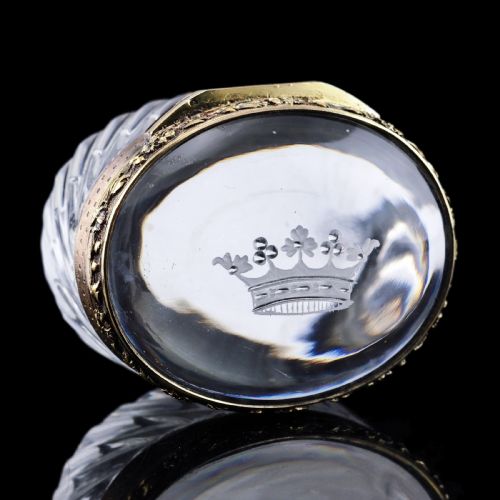
One nineteenth-century French box comes complete with a tiny gilded eagle perched defensively on its cut crystal lid.
What varies in quality
The standard of a piece rests heavily on the depth and crispness of the bronze chasing on the mounts, where sharp leaf work and clean edges distinguish superior work from softer, mass-produced casts. Cabinetry skill dictates whether veneers remain flush and whether hinged lids close with precision against their seating frames. The choice of secondary materials, such as heavy cut crystal or hand-painted Sevres-type porcelain plaques, also elevates the standing of an individual item.
Provenance and attribution add distinction, particularly when pieces bear stamps from known makers or originate from prominent French and English workshops. The complexity of the internal fittings, including velvet linings, segmented trays, and matching desk accessories, reflects the original commission's ambition. Pieces that combine multiple luxury elements, such as inlaid kingwood paired with fire-gilded bronze, occupy the highest tier of the range.
Edwards & Jones·Victor Raulin
The Ormolu Mounted Box Glossary
- Ormolu
- Gilded bronze ornamentation applied to furniture and decorative objects. The technique involves coating cast bronze with a gold amalgam and heating it to bond the finish.
- Bijouterie table
- A display table with a glazed top and sides designed specifically for showing jewellery and small ornaments. These pieces typically feature hinged lids and velvet-lined interiors.
- Marquetry
- The art of applying small pieces of veneer to a structure to form decorative patterns or pictures. Craftsmen use contrasting woods to create detailed geometric or floral designs.
- Cartonnier
- A desktop cabinet or stand fitted with multiple drawers or compartments for holding papers and documents. They frequently incorporate leather details and gilt bronze mounts.
- Chasing
- The manual refinement of a metal casting using small punches and hammers. This process sharpens surface details and textures after the initial casting stage.
Ormolu Mounted Box: Frequently Asked Questions
What is an ormolu mounted box used for?
These boxes served domestic functions in nineteenth-century drawing rooms for keeping jewellery, letters, and small personal valuables. Many were designed to sit on desks or dressing tables as both practical containers and decorative ornaments.
Larger variations, such as bijouterie tables and vitrines, functioned primarily to exhibit collections of small artefacts under glass. Their placement in formal rooms allowed hosts to display their refined taste to visiting guests.
How do you clean ormolu mounts safely?
Maintenance requires only a soft, dry cloth to remove dust from the recessed areas of the gilt bronze. Moisture and abrasive cleaners must be avoided entirely because they strip the historic gold finish from the bronze substrate.
Wooden surfaces benefit from occasional applications of appropriate furniture wax applied sparingly with a clean cloth. Care should be taken to prevent polish from accumulating around the edges of the metal mounts.
How can I tell a French box from an English one?
French boxes from the nineteenth century frequently employ Louis XV or Louis XVI revival styles with extravagant ormolu mounts and exotic veneers like kingwood. They often feature Sevres-type porcelain plaques or intricate floral marquetry executed by Parisian cabinetmakers.
English pieces of the same era tend to utilise coromandel or rosewood with more restrained brass or gilt mounts, aligning with Victorian aesthetic preferences. Desk sets and stationary caskets produced in England frequently include fitted interior compartments tailored for British stationery.
Are these boxes suitable for everyday use?
Antiques of this age require gentle handling to preserve their delicate veneers, glass panels, and historic silk or velvet linings. Placing them away from direct sunlight and extreme temperature fluctuations protects the timber and adhesives from warping.
Items equipped with working locks and keys can secure modern trinkets if operated with care. Owners should lift lids steadily by their hinges rather than relying on decorative mounts for leverage.