

Ormolu Mount Lighting
Ormolu mount lighting combines gilt metal with ceramic, glass or marble to cast a warm, decorative glow in any room.
Ormolu Mount Lighting
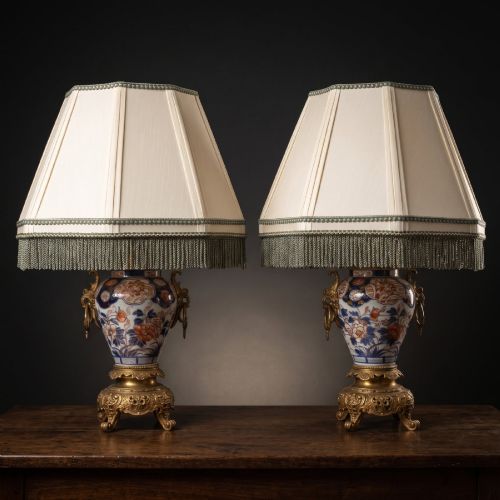
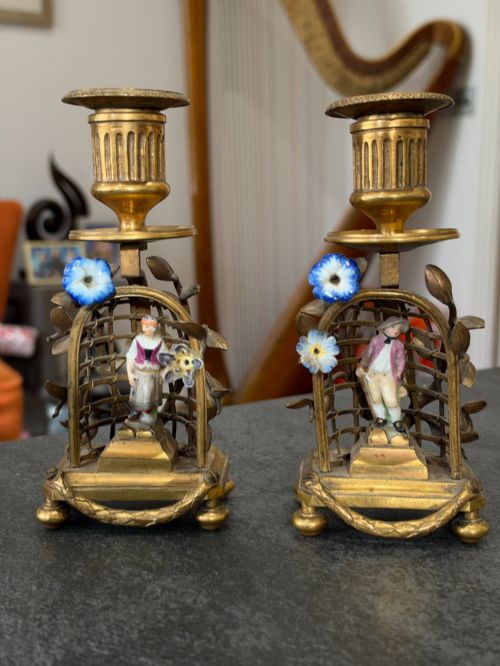
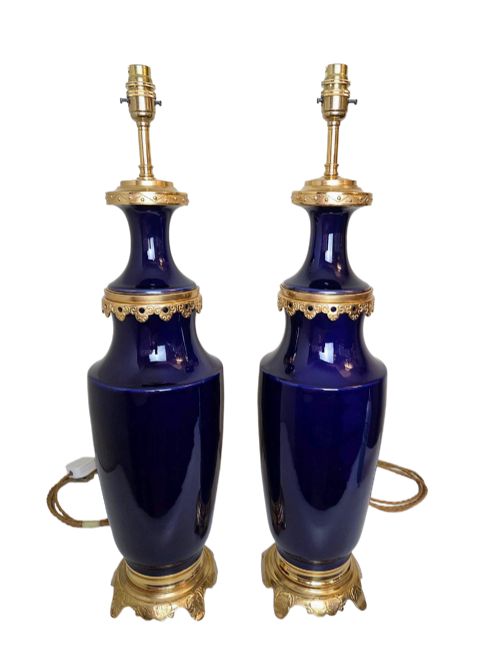
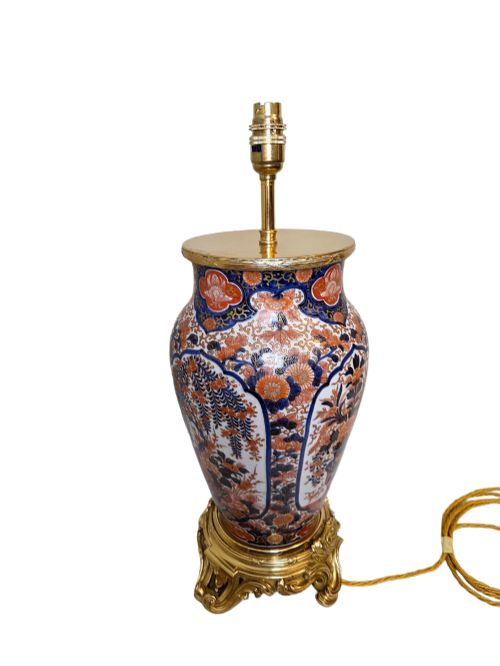
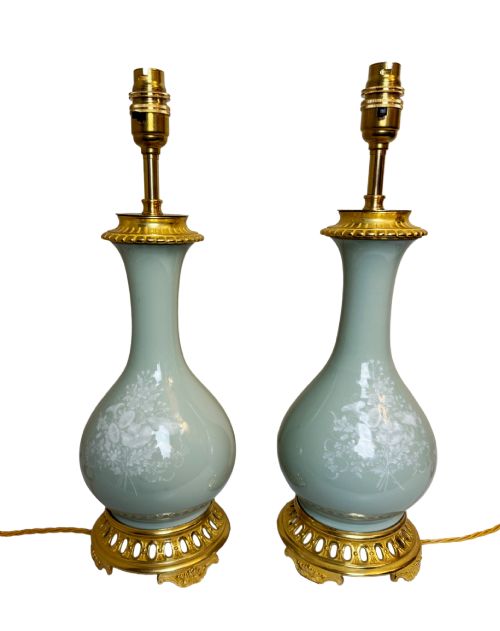
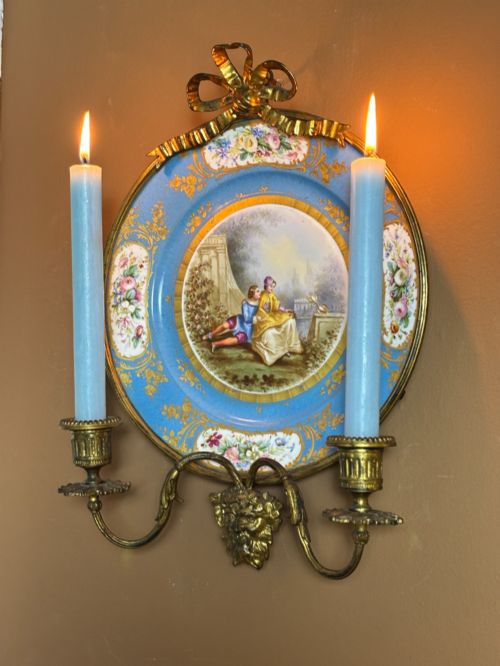
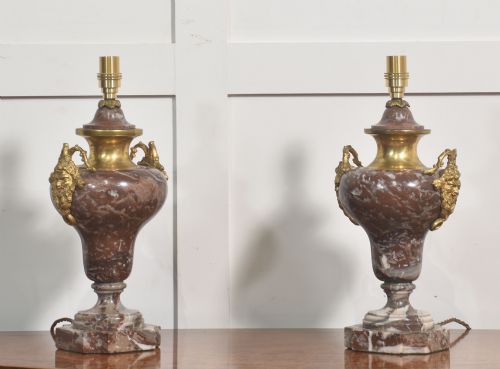
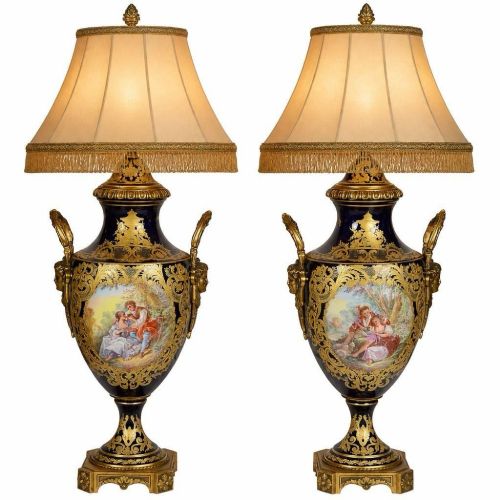
When you search for ormolu mount lighting, you encounter decorative fixtures that incorporate cast and gilded metal mounts onto ceramic, stone or glass bodies. The pieces span table lamps, wall sconces, candelabra and ceiling lanterns originating largely from nineteenth-century France.
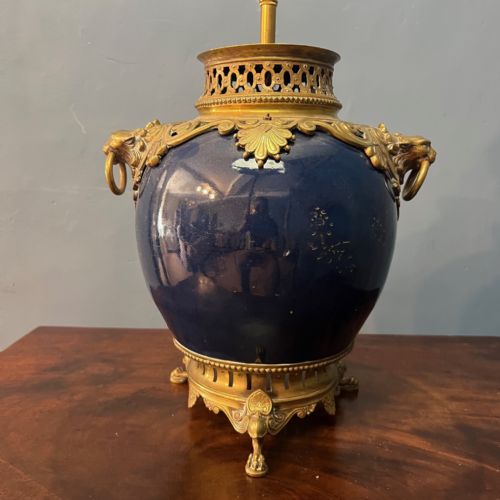
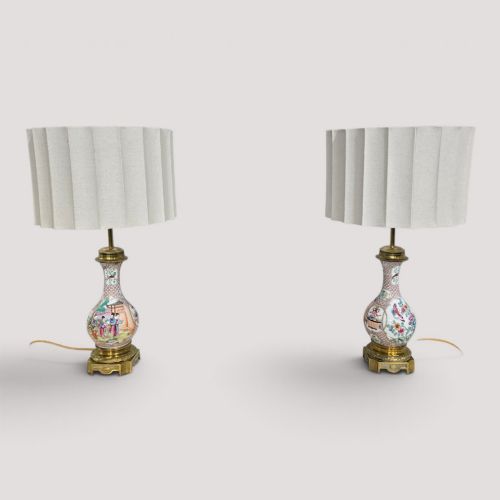
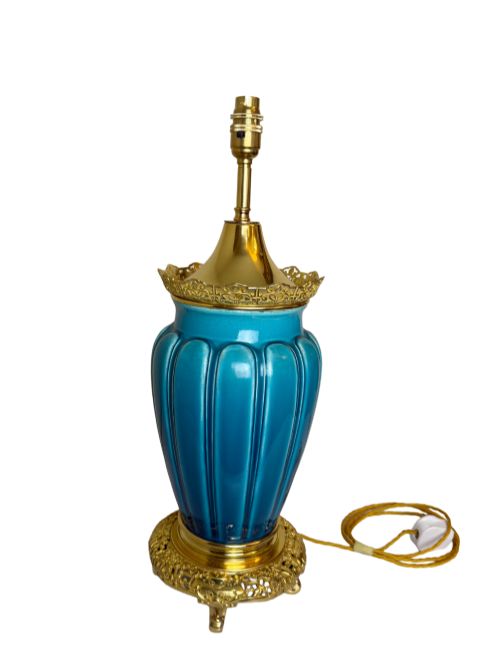
You meet a high proportion of converted vases and urns, particularly Chinese porcelain varieties like sang de bouef, Famille Verte and Canton alongside European ceramics from Sevres and Gien. These vessels were fitted with electrical components or candle holders during nineteenth-century revival movements.
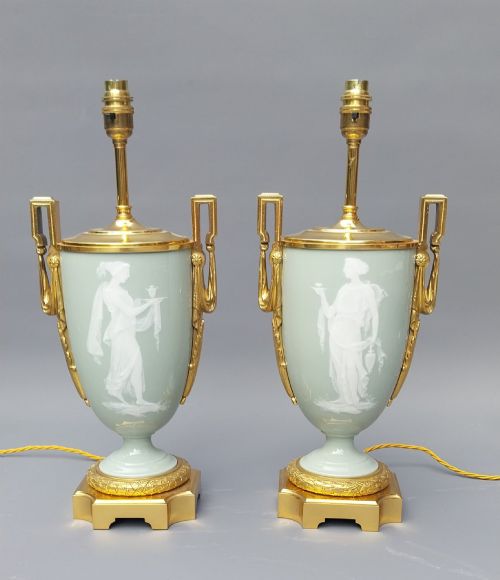
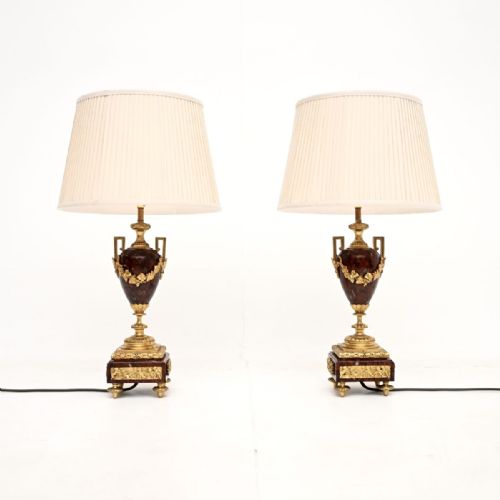
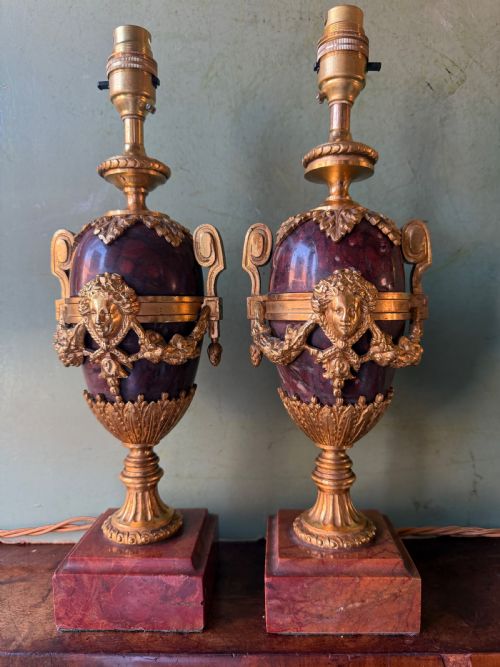
The style draws heavily on French neoclassical, Louis XVI and Empire designs, often manifesting as matched pairs designed for mantelpieces, side tables or grand salons. Marble and rouge marble bases frequently anchor the heavier porcelain bodies.
How they were made
The manufacture relies on a combination of ceramic arts, stonemasonry and metal casting. Artisans shaped porcelain, glass or marble bodies before securing them with chased and gilt bronze or brass mounts.
Ormolu work involved applying finely ground gold to a bronze base through a mercury amalgamation process, or through mechanical gilding, creating a rich golden surface that complemented the glazed ceramics and cut glass.
Ormolu Mount Lighting Retail Price Guide 2026
Typical asking prices for ormolu mount lighting among the pieces listed under this phrase on Sellingantiques today, from the lower quarter to the upper quarter. They describe what is for sale here now, not the wider market.
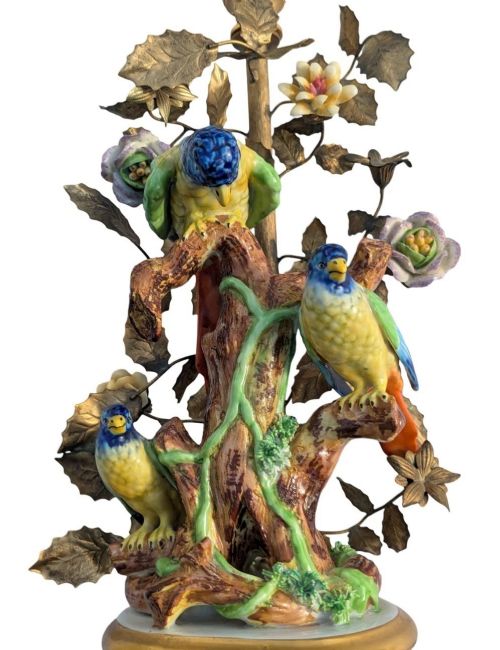
Several porcelain birds found a second calling perched permanently inside nineteenth-century ormolu candelabra.
What varies in quality
Quality rests significantly on the crispness and depth of the metal chasing on the ormolu mounts. Finer examples display sharp, hand-finished detailing in the acanthus leaves, scrollwork and figural elements, whereas lesser pieces appear soft and uniform from hurried casting.
The selection of the underlying body also dictates the tier of the piece. Hand-painted porcelain, high-grade white and coloured marbles, and substantial cut glass elevate the status of the lighting above standard ceramic bodies.
Coutan·Sevres·Gien·Samson
The Ormolu Mount Lighting Glossary
- Ormolu
- Gilt bronze produced by applying a gold amalgam to a bronze base, creating a durable golden finish. The technique was widely utilised by French metalworkers.
- Cassolette
- A decorative vase or urn with a removable lid, frequently mounted in ormolu and adapted for use as a lamp. These pieces often feature classical motifs.
- Pâte-sur-pâte
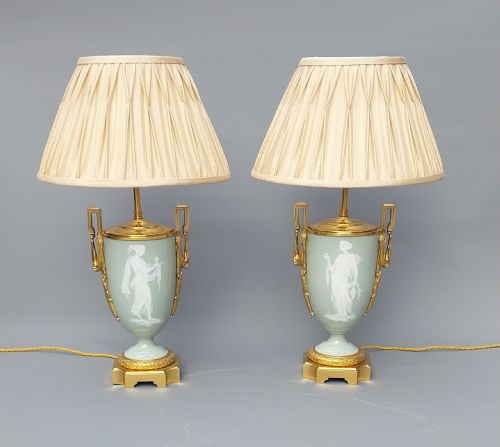
- A ceramic decoration technique where liquid porcelain slip is built up in successive layers on a contrasting clay body to create a low relief cameo effect.
- Sang de bœuf
- Oxblood red ceramic glaze originating in Chinese kilns, highly prized by European collectors who mounted these vessels in ornate bronze.
- Canton
- Chinese porcelain decorated in vibrant enamel colours, often featuring figurative and floral scenes. These vases frequently received French ormolu mounts during the nineteenth century.
Ormolu Mount Lighting: Frequently Asked Questions
How do I wire an antique lamp safely?
Rewiring typically involves replacing older internal cables with modern three-core flex and certified lamp holders while retaining the original body and mounts.
Qualified electricians can perform this work without altering the exterior character of the piece.
Can I clean ormolu mounts?
Dusting with a soft dry brush is generally sufficient to maintain the surface of gilt bronze mounts. Avoid abrasive metal cleaners that strip the delicate gold layer.
For stubborn grime, a gentle wipe with a damp cloth followed by immediate drying protects the finish.
What styles are common in this category?
Nineteenth-century interpretations of French Louis XVI, Empire and Rococo designs dominate the selection. These styles emphasise symmetry, classical foliage and urn forms.
Chinoiserie elements also appear frequently through the incorporation of imported Asian porcelain vases.
How do I identify a converted vase?
Conversions usually feature a drilled base or a fitted collar through which electrical wiring passes. The original neck of the vessel often supports the light fitting or candle arms.
Many of these adaptations occurred in the nineteenth century when homeowners updated older decorative objects for modern use.