







Ormolu Lidded Vases
These ormolu lidded vases bring unmistakable French flair and rich gilt bronze mounts to any mantelpiece.
Ormolu Lidded Vases
When you search for ormolu lidded vases, you encounter decorative covered vessels that combine cast metal mounts with ceramic or marble bodies. The examples available here span the eighteenth and nineteenth centuries, with nineteenth century French production dominating the selection.
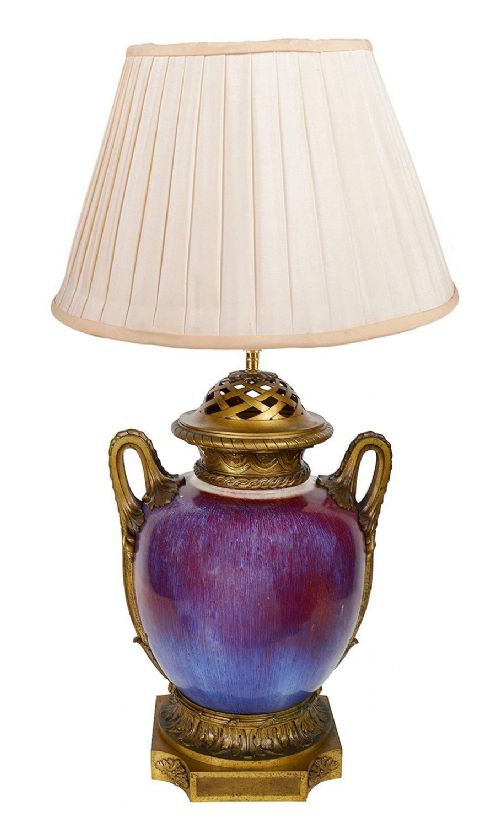
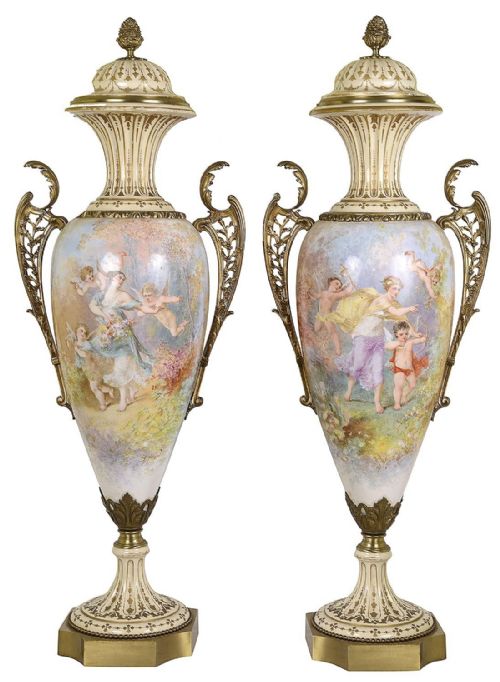
Most pieces on this page adopt Sevres style porcelain, often featuring pink, blue celeste, or white bodies set beneath elaborate gilt bronze or ormolu mounts. You also find cassolettes and Chinese export porcelain adaptations fitted with matching lids and metal mounts.
These objects were primarily designed for display on mantelpieces, consoles, and anfilades within formal interiors. The nineteenth century revivals lean heavily into French Rococo, Napoleon III, and Louis XVI aesthetics.
Materials and manufacture
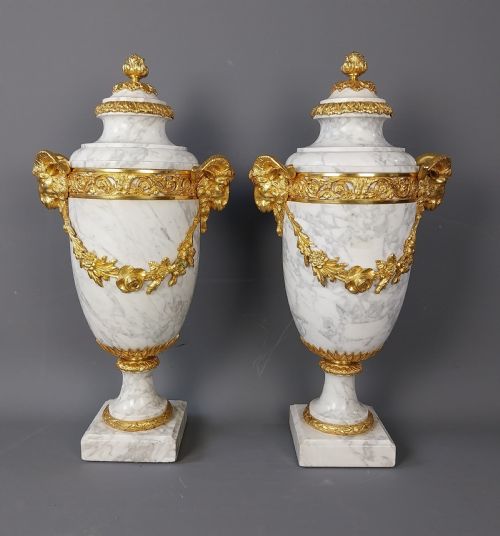
The body of these vessels relies predominantly on porcelain, white marble, and occasionally enamelled elements. Ceramic bodies frequently display painted scenes or monochrome glazes beneath transparent finishes.
Gilt bronze and ormolu provide the structural mounts, handles, and lids that frame the ceramic cores. These metal components are chased and cast, imparting a sharp, reflective finish that contrasts with the smooth porcelain.
Ormolu Lidded Vases Retail Price Guide 2026
Typical asking prices for ormolu lidded vases among the pieces listed under this phrase on Sellingantiques today, from the lower quarter to the upper quarter. They describe what is for sale here now, not the wider market.
Napoleon Bonaparte occasionally inspires a porcelain vase, proving that even emperors enjoy good shelf styling.
Assessing quality and execution
The refinement of the ormolu chasing dictates the visual success of the piece, as sharper, deeper hand-finishing elevates the cast metal. Superior mounts display crisply rendered acanthus leaves and scrolls rather than soft, indistinct cast details.
Porcelain painting quality similarly divides the standard, with finely brushed hand-painted panels commanding greater attention than printed transfers. The harmony between the ceramic body and the metal mounts determines the overall balance of the object.
The Ormolu Lidded Vases Glossary
- Ormolu
- Gilded bronze produced by applying a mercury amalgam to cast brass or bronze. This historic technique yields a warm, durable golden lustre.
- Cassolette
- A decorative vase with a reversible lid that functions either as an urn or a perfume burner. The design allows the piece to alter its silhouette.
- Champlevé
- An enamelling technique where troughs are carved into the metal surface and filled with vitreous paste before firing. This creates colourful patterns flush with the metal.
- Sevres Style
- Decorative porcelain and glazing techniques emulating the output of the French royal manufactory. These pieces often incorporate rich blue or pink grounds with gilt detailing.
- Bleu Celeste
- A bright turquoise blue ground colour popular in mid eighteenth century French ceramics. It provides a striking contrast against gilt bronze mounts.
Ormolu Lidded Vases: Frequently Asked Questions
What were ormolu lidded vases used for?
These pieces served primarily as decorative ornaments on mantelpieces and side tables in formal rooms. Their lids generally remained in place to complete the architectural silhouette of the urn.
Some variants, such as cassolettes, doubled as incense burners or potpourri containers to scent domestic interiors. Their primary function, however, was to display wealth, taste, and an affinity for French interior fashion.
How do I date an ormolu lidded vase?
Dating relies heavily on stylistic cues, ceramic body characteristics, and the precision of the metal casting. Nineteenth century revival pieces frequently imitate eighteenth century models but employ nineteenth century manufacturing techniques and machine finishing.
Examining the underside of the porcelain and the construction of the interior bronze fixings often reveals clues about the period of manufacture. Archival parallels and comparative examples help narrow the production window.
Where were most of these vases made?
The majority of the pieces found here originate from nineteenth century France, reflecting a strong demand for revivalist decorative arts. French workshops frequently adapted Sevres style porcelain and Chinese export wares into elaborate gilt bronze mounts.
Parisian makers dominated this trade, supplying both domestic and international markets with decorative objects inspired by earlier royal reigns.
How should I clean ormolu mounts?
Ormolu mounts require gentle dusting with a soft dry brush to prevent the accumulation of dirt in the chased recesses. Avoid harsh metal polishes, as abrasive cleaners will strip the delicate fire gilt finish.
Professional conservation advice should be sought if the metal requires deeper cleaning or if the gilt surface shows signs of wear.