

Ormolu Cherubs
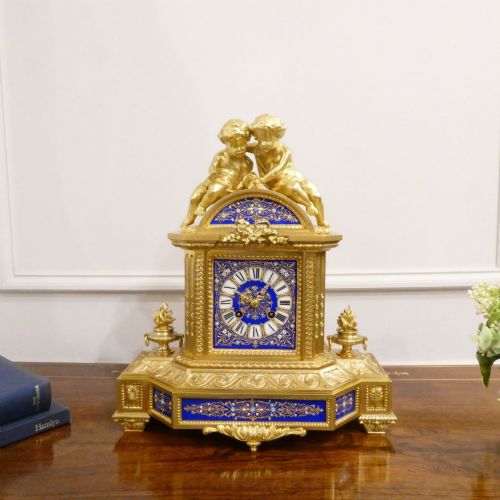
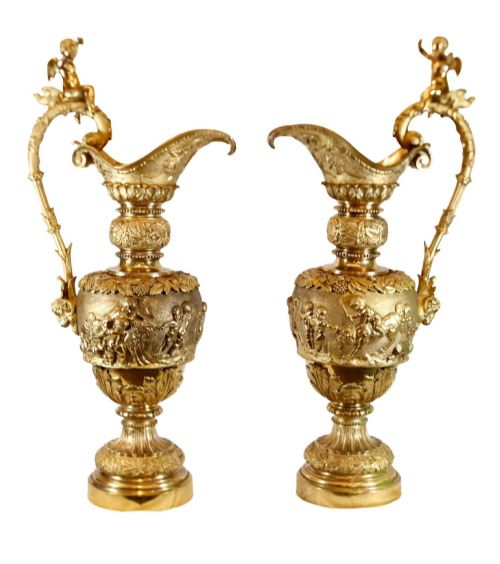
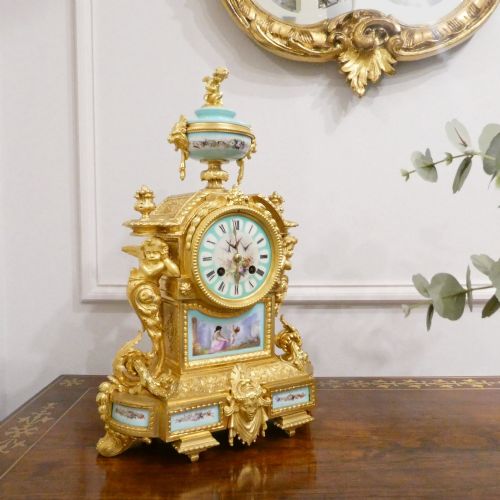
These ormolu cherubs capture the theatrical elegance of nineteenth-century French metalwork, combining cast bronze figures with intricate rococo frames and functional horology.
Ormolu Cherubs
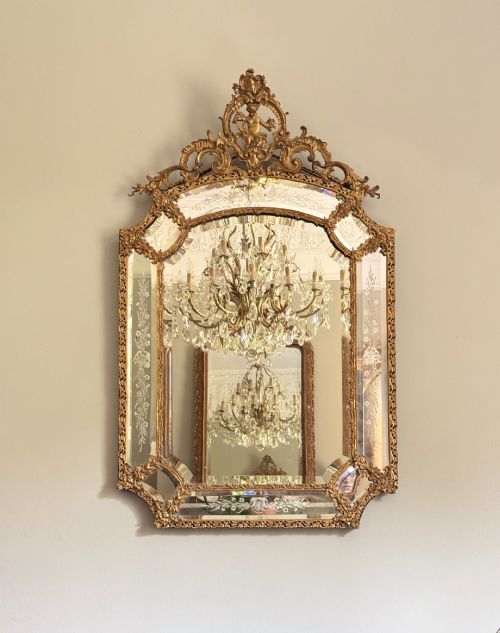
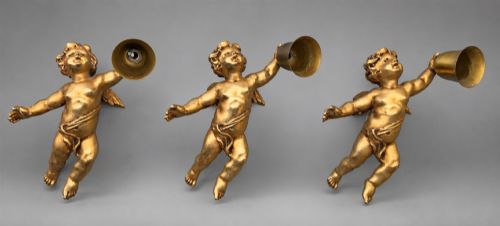
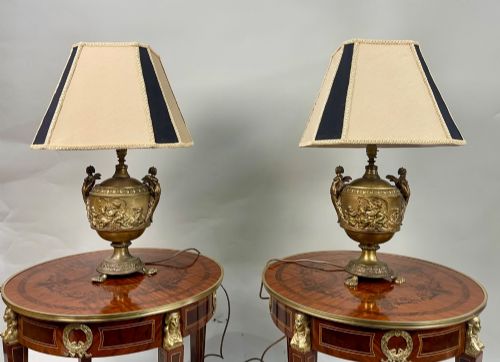
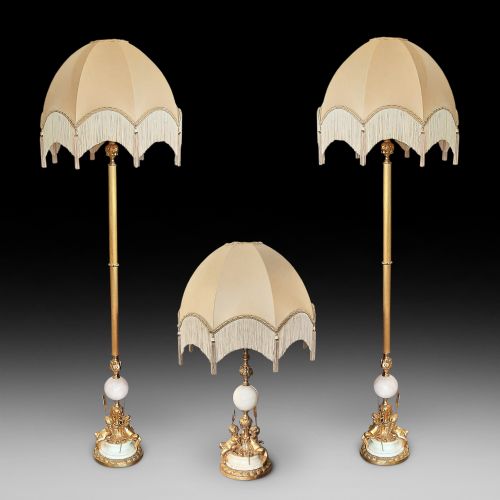
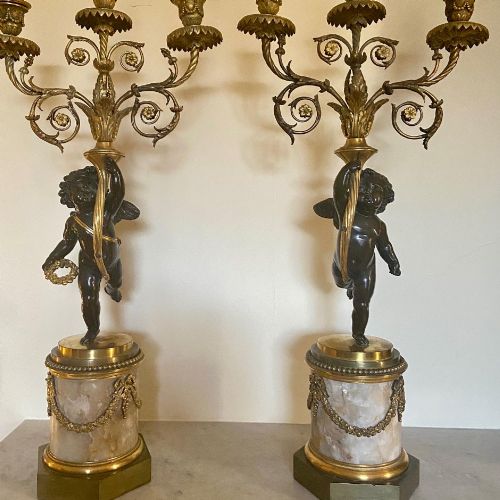
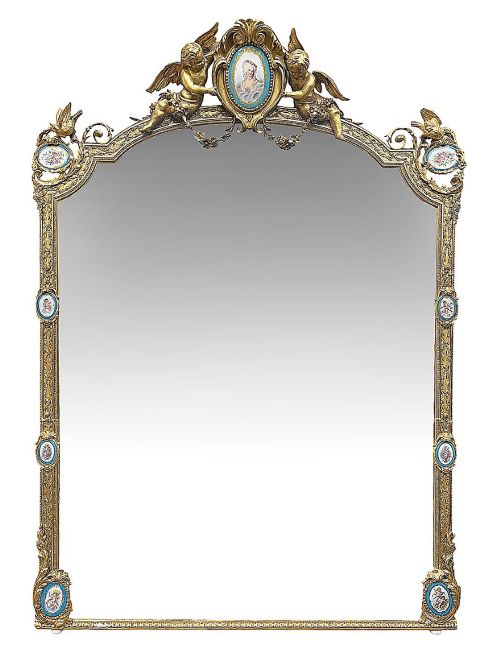
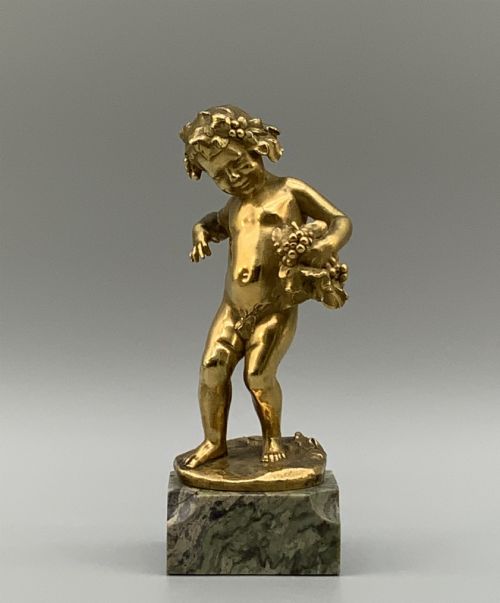
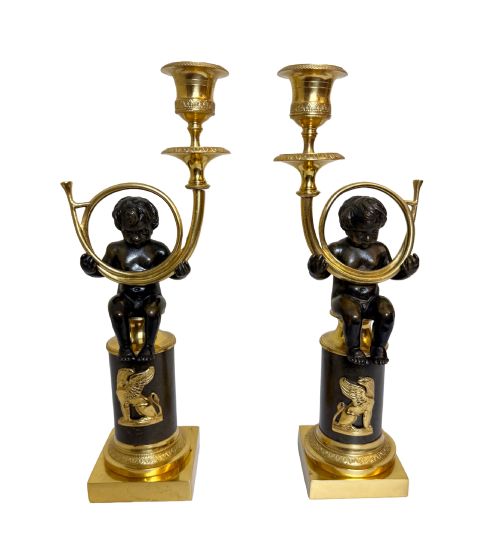
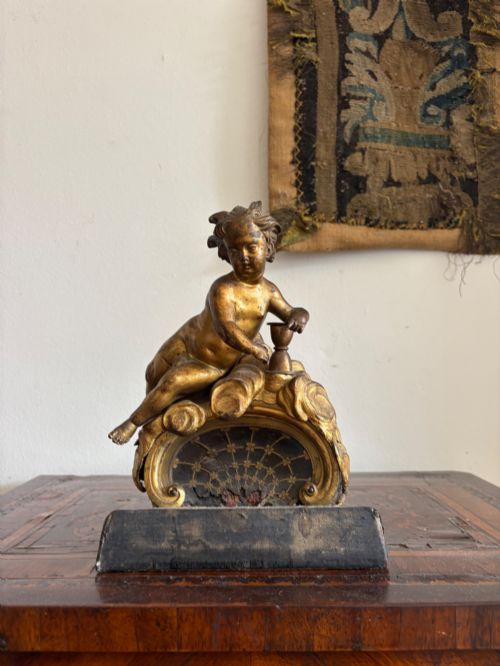
When you search for ormolu cherubs, you encounter figural bronze ornaments, clock garnitures, candelabra, and wall lights populated by winged putti. These pieces predominantly emerge from nineteenth-century French workshops operating within the Rococo Revival, Louis XVI, and Second Empire styles.
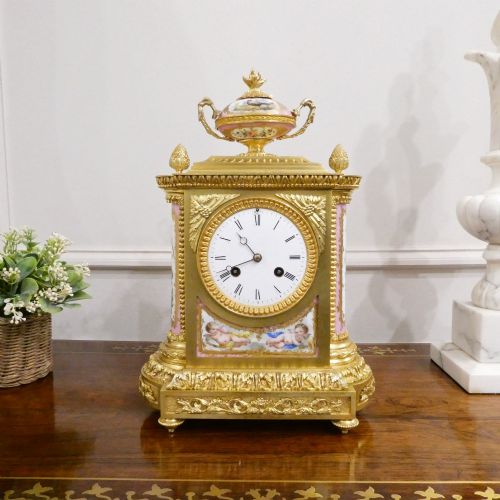
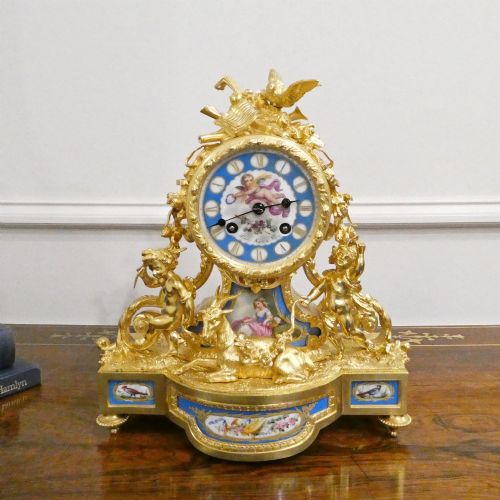
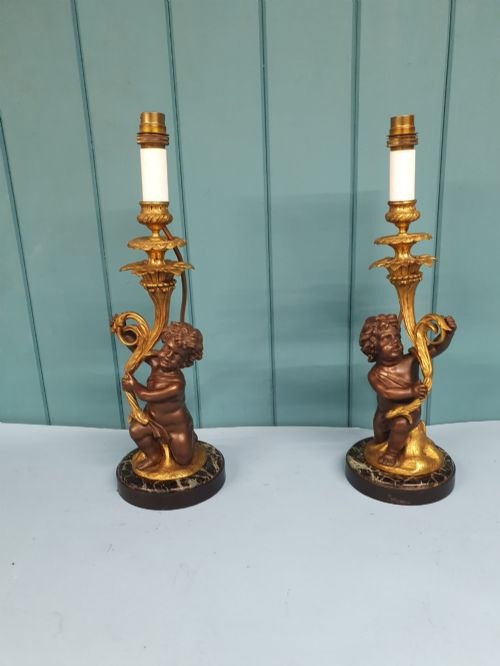
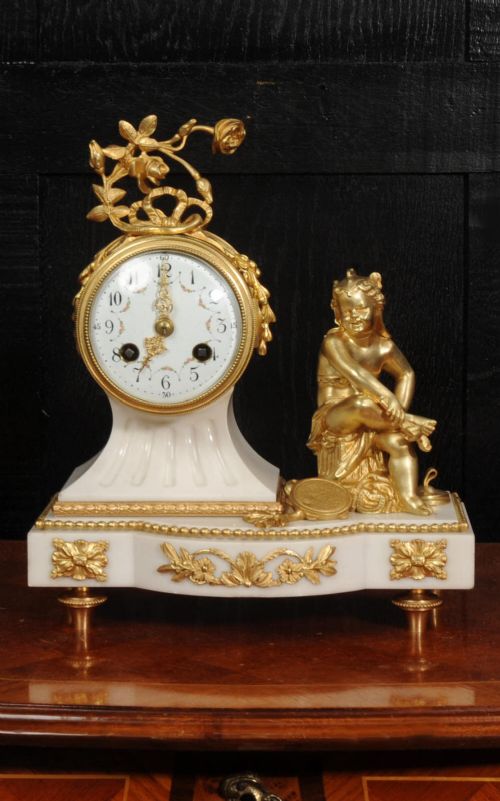
The most common iterations on this page are mantel clocks featuring cherub mounts, paired wall sconces with winged figures, and decorative candelabra resting on marble bases. Objects often integrate porcelain panels, marble columns, or crystal bowls alongside the gilt metalwork.
Originating largely from French makers during the Victorian era, these decorative works function as both interior lighting and architectural ornamentation. The cherub motif appears as a finial, a side support, or the central figural focus of a desk set.
Materials and construction
The creation of these pieces relies primarily on bronze casting followed by mercury gilding or chemical gilding techniques to produce the characteristic ormolu surface. Artisans combined this gilt bronze with contrasting elements such as white marble, patinated bronze, Sevres porcelain, and cut glass.
Foundry work involved shaping detailed putti reliefs and mounts through lost-wax or sand-casting methods, which were then chased by hand to refine the feather and facial details. Structural mounts and clock mechanisms were subsequently assembled with specialised fasteners and pins.
Ormolu Cherubs Retail Price Guide 2026
Typical asking prices for ormolu cherubs among the pieces listed under this phrase on Sellingantiques today, from the lower quarter to the upper quarter. They describe what is for sale here now, not the wider market.
Materials appearing across these items include ormolu, gilt bronze, marble, porcelain, glass, alabaster, brass, and patinated bronze.
Assessing craftsmanship and design
Quality in these gilt metal objects depends heavily on the crispness of the hand-chasing applied after the casting process. Superior pieces retain sharp facial expressions and defined feather textures on the cherubs, whereas lesser examples show softened contours from worn moulds.
The selection of secondary materials further separates standard items from exceptional ones, particularly the choice of flawless white marble, genuine Sevres porcelain inserts, and robust fire-gilding that withstands cleaning without exposing the base bronze underneath.
Jean-Baptiste Delettrez·Henry Marc·Susse Freres·Japy Freres·Francois Redmond·Siffel and Cartier·Henry Dasson·Le Roy Paris
The Ormolu Cherubs Glossary
- Ormolu
- A method of applying finely ground gold to a bronze object through mercury amalgamation, or the resulting gilded bronze material itself. This finish yields a warm, distinctively luminous yellow colour.
- Putto
- A plump, naked male infant figure frequently depicted with wings in classical and revival art. These figures form the primary sculptural subject of these decorative objects.
- Garniture
- A set of matching ornamental vases, clocks, or candelabra designed to be displayed together on a mantelpiece or sideboard. They typically feature coordinated ormolu mounts and cherub motifs.
- Chasing
- The manual metalworking technique of indenting and refining cast metal surfaces with hammers and punches. High levels of chasing distinguish superior nineteenth-century French bronzes.
- Champleve
- An enamelling technique where troughs are dug into the bronze surface and filled with vitreous enamel before firing. This colourful decoration often frames or accents the gilt bronze structures.
Ormolu Cherubs: Frequently Asked Questions
How do I clean ormolu cherubs?
Maintenance requires only a gentle dusting with a soft, dry brush to prevent dirt accumulation in the recessed chasings of the gilt bronze.
Water, abrasive polishes, and chemical cleaners must be avoided entirely, as they strip away the historic fire-gilding and damage exposed marble or porcelain components.
Are these clock movements original?
Many nineteenth-century mantel clocks retain their original mechanical movements, often signed by the maker on the brass backplate.
Over the decades, some clocks received professional servicing or replacement parts to ensure they remain in working order today.
How can I tell the period?
Dating relies on stylistic clues, such as the heavier use of Sevres porcelain and elaborate Rococo Revival casting typical of the mid to late nineteenth century.
Maker signatures stamped on the bronze mounts or clock movements provide more precise chronological markers alongside material analysis of the marble and patination.
Where should I display them?
These decorative objects suit prominent positions on mantelpieces, console tables, or sturdy wall brackets where their gilt surfaces reflect ambient light.
Direct sunlight and humid environments should be avoided to protect sensitive organic elements, clock oils, and delicate enamel finishes.