



Original Winter Landscape
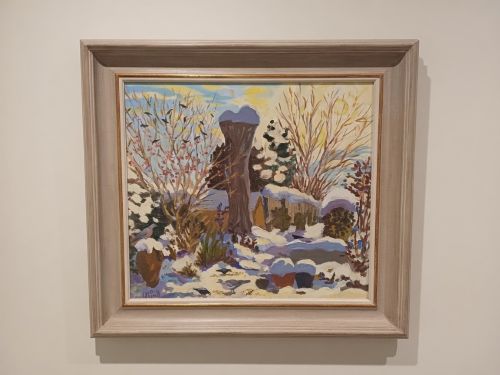
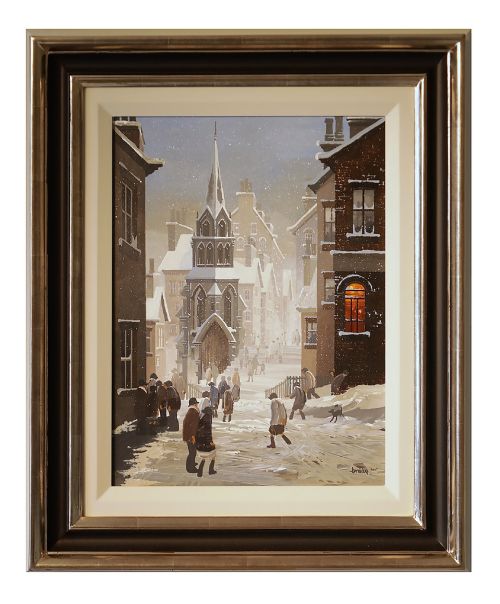
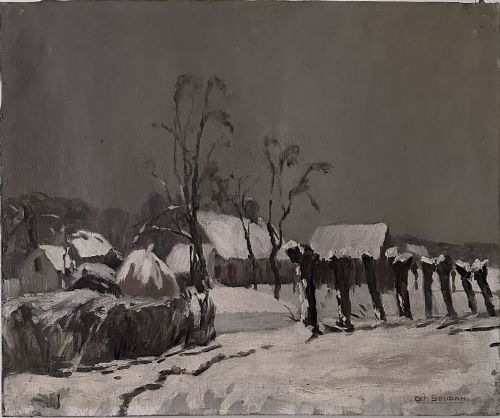
An original winter landscape captures cold seasons on canvas or paper, offering quiet rural scenes and snowbound views that collectors prize for atmospheric depth.
Original Winter Landscape
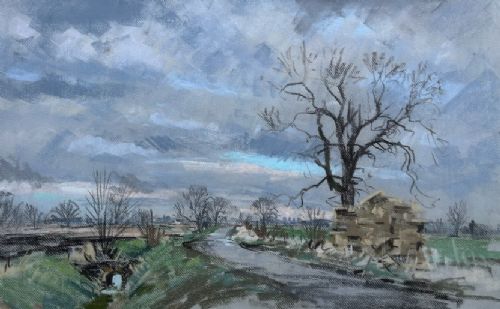
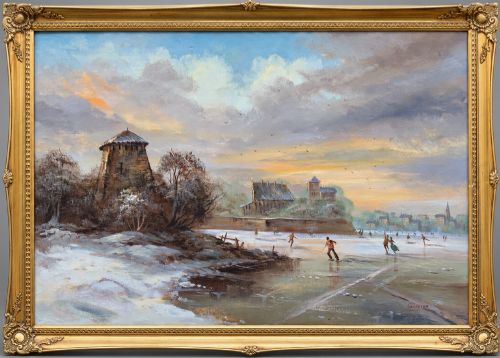
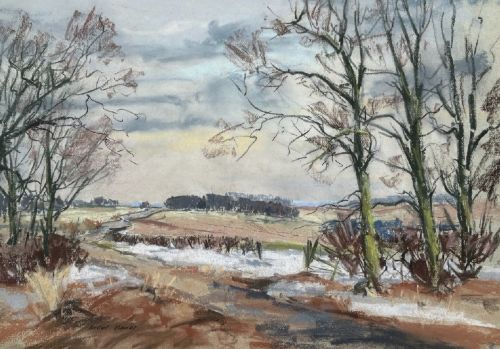
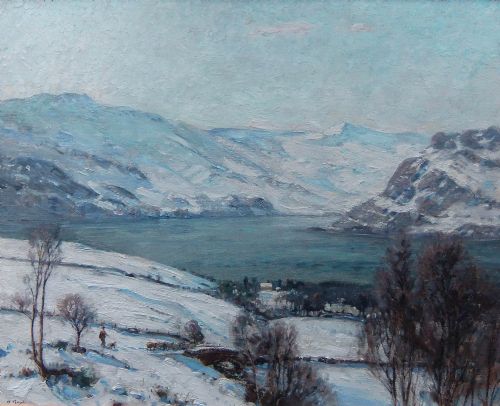
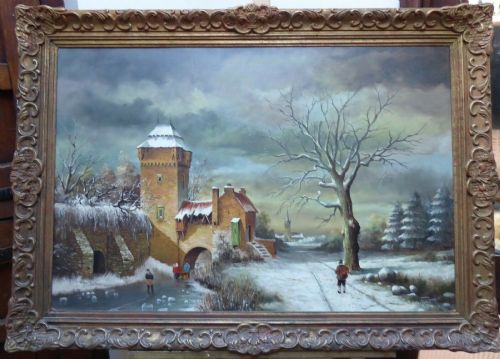
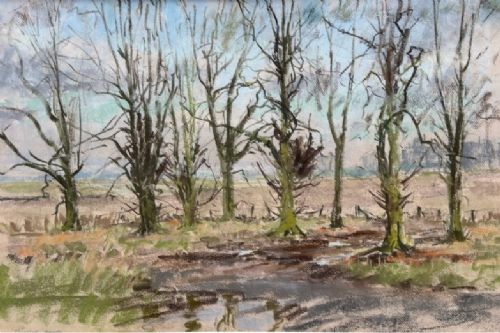
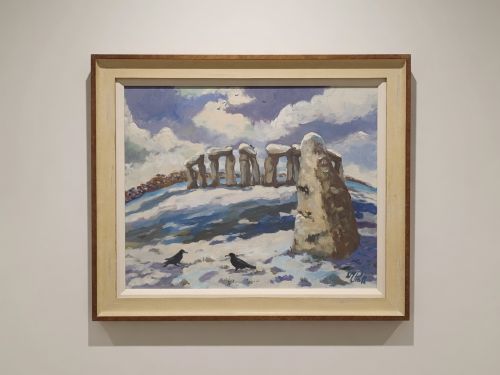
When you search for an original winter landscape, you encounter works spanning from the nineteenth century through the mid twentieth century, created in oil, watercolour, pastel, and charcoal. These pieces depict snow scenes, ice skaters on Dutch lakes, Yorkshire dales, and rural farmsteads during cold months.
The versions most commonly met on this page range from early twentieth century British watercolours to mid twentieth century oil paintings on canvas and wood. Artists capture frost, bare trees, and muted winter light through various regional schools including British Impressionism, Modern British, and the Dutch School.
Materials and techniques of winter art
Painters utilise oil paint and watercolour applied to canvas, paper, and wood to render cold atmospheric effects. Pastel and charcoal also appear on paper, capturing the soft, chalky quality of snowfall and winter skies.
Supports range from canvas stretched over wooden frames to thick art paper and cardboard. Pigments are handled with varying brushwork, from the fluid washes typical of watercolours to thick impasto in oil works.
Original Winter Landscape Retail Price Guide 2026
Typical asking prices for original winter landscape among the pieces listed under this phrase on Sellingantiques today, from the lower quarter to the upper quarter. They describe what is for sale here now, not the wider market.
Several artists captured cold fields and sheep in deep snow, proving that livestock braved British winters long before central heating.
Distinctions in quality and execution
The success of a winter scene rests on the artist's handling of light, shadow, and the tonal nuances of snow. Superior works convey the palpable chill and atmosphere of the season rather than merely recording white pigment.
Compositional strength and the preservation of the original medium, whether oil on canvas or delicate watercolour on paper, dictate the standing of a piece within its period.
Angus Rands·Pieter Cornelis Steenhouwer·Herbert Royle·Lucy Pratt·Brian Shields·Thomas Hicks·Gaston Cornil·Fred Lawson·John Hobson Nicholson·Ernest Uden·John Smith Atherton·Arthur Winter Shaw·William Tatton Winter·George Graham·Ernest Higgins Rigg·Emily M Paterson·Louis Smets·Anthonij Anton Mauve
The Original Winter Landscape Glossary
- Impressionism
- A style of painting emphasising light and ordinary subject matter. Artists utilise visible brushstrokes and open composition.
- Watercolour
- A paint consisting of colour suspended in a water-soluble vehicle. It is typically applied to paper to create translucent washes.
- Pastel
- A dry painting medium in the form of a stick, consisting of powdered pigment and a binder. It produces rich, velvety colour.
- Canvas
- A heavy woven fabric used as a surface for oil painting. It is typically stretched tightly across a wooden frame.
- Tonalism
- An artistic style where artists paint forms with an overall tone or haze. The focus centres on atmospheric mood and shadow.
Original Winter Landscape: Frequently Asked Questions
What periods do these winter landscapes cover?
The works span from the nineteenth century through the mid twentieth century, with strong representation from the nineteen-twenties and nineteen-sixties.
Pieces reflect diverse regional movements including British Impressionism, Modern British, and the Dutch School.
Which materials were commonly used by artists?
Painters employed oil paint, watercolour, pastel, and charcoal upon canvases, wooden boards, and paper supports.
Watercolours often feature delicate washes of light, whilst oils utilise heavier pigment application to render snow and ice.
How should I care for a paper winter landscape?
Watercolours and pastel drawings on paper require framing behind glass with acid-free mounts to prevent deterioration from moisture and light.
Keep works away from direct sunlight to preserve the fugitive pigments often found in historical landscape art.
How do I distinguish regional styles in these paintings?
British regional pieces often depict Yorkshire dales and northern rural life, whereas Dutch works frequently focus on frozen waterways and ice skaters.
Palette choices also vary, with Impressionist pieces favouring bright light effects and Tonalists focusing on moody, atmospheric shadows.