





Original Victorian Landscape
When you search for original victorian landscape, you find paintings that capture the changing light and rural traditions of the nineteenth century.
Original Victorian Landscape
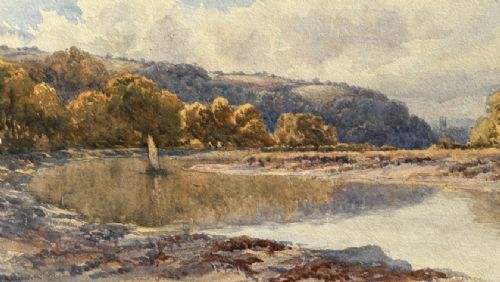
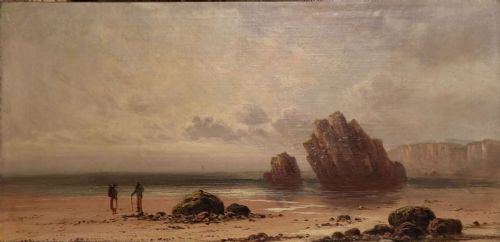
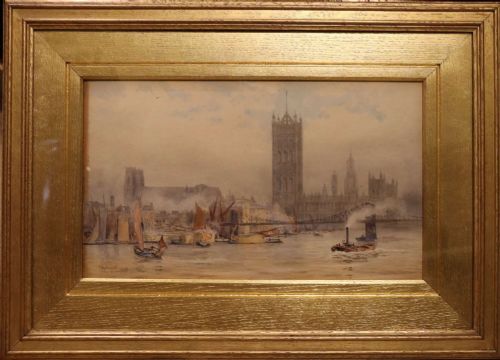
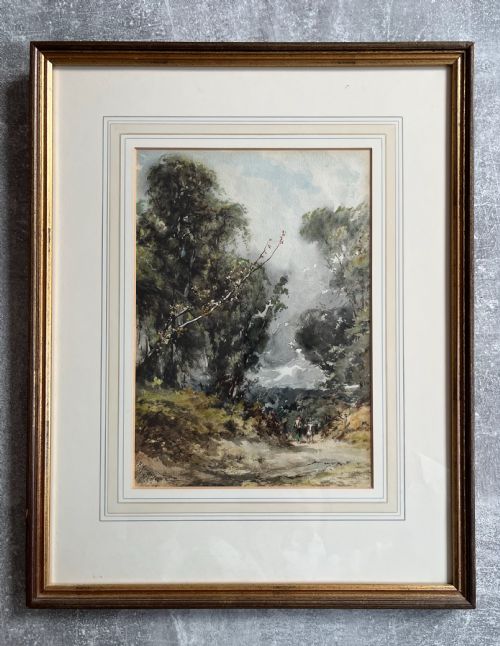
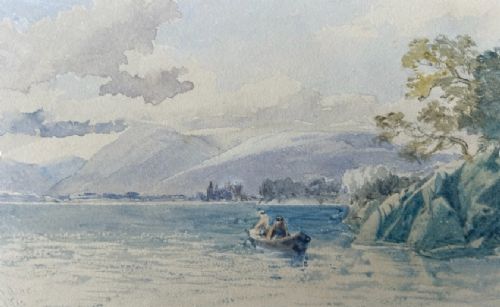
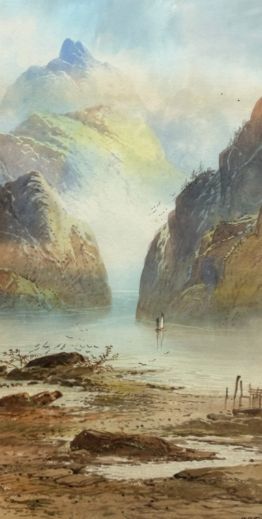
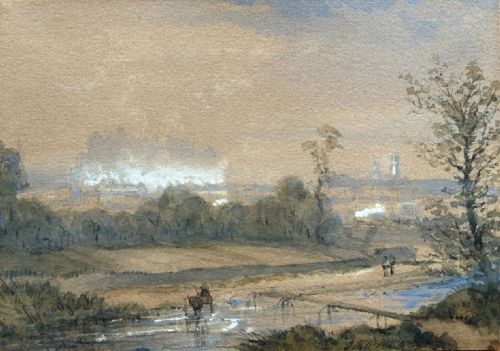
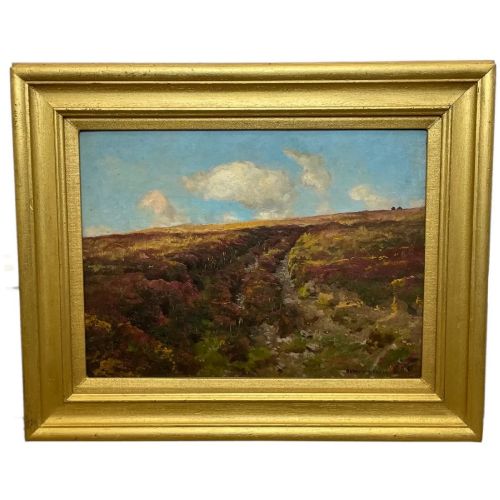
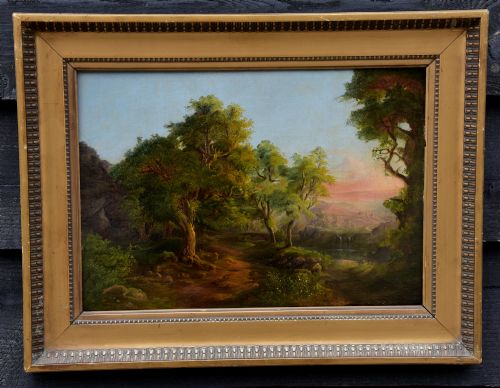
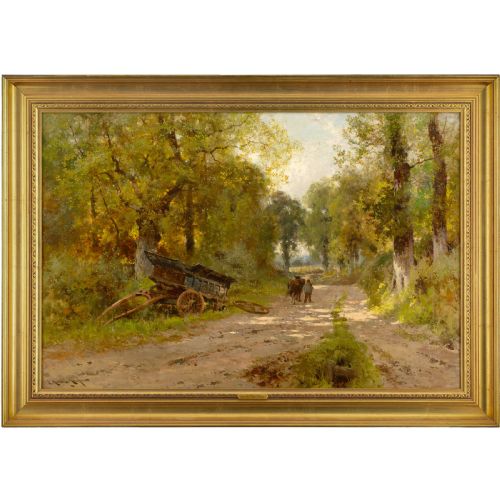
An original victorian landscape records the countryside, coastal views and rural life of the nineteenth century through the eyes of contemporary painters. These works document pastoral scenes, Scottish highlands, river valleys and working harbours across Britain and Europe.
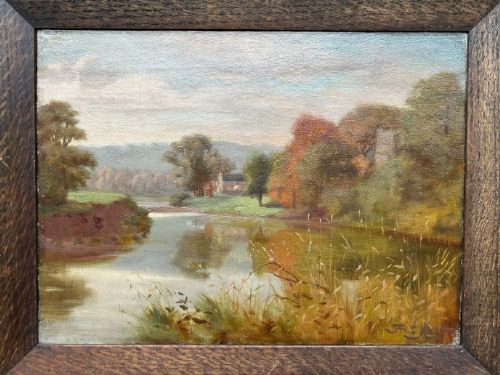
Most pieces encountered in this category take the form of watercolours on paper or oil paintings on canvas, panel and board. Subjects frequently incorporate figures, livestock or fishermen integrated into expansive rural settings.
The selection ranges from intimate sketches dated to the mid nineteenth century to broader canvases produced near the turn of the twentieth century. Pastoral scenes and river views dominate the surviving output preserved by collectors.
Materials and Methods
Artists painted primarily with oil or watercolour applied to canvas, prepared wood panels, millboard or heavy paper sheets. Oil mediums allowed for deep layering and textured brushwork, while watercolours offered swift, transparent washes on paper.
Many surviving paintings retain their original giltwood or carved plaster frames, which were constructed from wood and moulded composition ornament. Supports frequently bear the stamp of period colourmen who supplied primed canvases and drawing materials.
Listings feature works executed in oil on canvas, oil on board, and watercolour on paper, spanning the nineteenth century into the Edwardian era.
Determining Quality
Quality rests upon the artist's command of light, atmosphere and perspective within the composition. Stronger works demonstrate confident brushwork and a balanced integration of figures or animals into the natural setting.
The preservation of the original pigments and the integrity of the paper or canvas influence the overall standard of a piece. Works housed in their original gilt wood frames retain a greater degree of their historical context.
Eugène Verboeckhoven·Thomas Miles Richardson Jnr·James Orrock·William Henry Earp·Arthur Wardle·Joseph Farquharson·Alfred Pollentine
The Original Victorian Landscape Glossary
- Oil on Canvas
- A painting technique where pigment mixed with drying oil is applied to a woven fabric support stretched over a wooden frame. This method became standard for large landscape works due to its durability and depth of colour.
- Watercolour
- A painting method using water-soluble pigments applied to paper. It allows for translucent effects and rapid sketching of light and weather.
- Gilt Wood
- Wood carved and coated with a thin layer of gold leaf or metal powder. Frames finished in this manner were standard for nineteenth century fine art.
- Etching
- A printmaking process where acid cuts into unprotected areas of a metal plate to hold ink. Etchings produced multiple impressions of detailed landscape scenes.
- Pastoral
- A genre of art depicting rural life, shepherds, farmsteads and domesticated animals in an idealized countryside. These scenes emphasise the peaceful harmony of agrarian existence.
Original Victorian Landscape: Frequently Asked Questions
What subjects appear in these paintings?
The compositions show British and European countryside, Scottish highlands, rivers, woodlands and coastal fishing ports. Human figures, cattle, sheep and working boats frequently animate the scenery.
Scenes range from tranquil pastoral river views to dramatic mountainous terrain under varying weather and seasonal light.
How do I hang and display them?
These works require placement away from direct sunlight and excessive humidity to protect the paper, canvas and gilt frames. Wall positioning should also consider the weight of heavier oil paintings on panel or canvas.
Displaying them in stable indoor environments preserves the pigments and prevents warping of the wooden supports and original frames.
Are watercolours different from oil paintings?
Watercolours utilise water-soluble pigments on paper supports, yielding transparent washes and delicate atmospheric effects. Oil paintings employ oil-bound pigments on canvas, board or panel, allowing richer textures and deeper colour saturation.
Watercolours require glass framing for protection, whereas oil paintings on canvas remain open to the air within their protective wooden borders.
How can I tell the date of a piece?
Dates often appear alongside the artist signature or within the inscription on the reverse of the work. Period framing styles, paper types and canvas stamps also offer clues to the decade of creation.
Stylistic movements such as nineteenth century romanticism or realism help narrow the active period of the painter.