




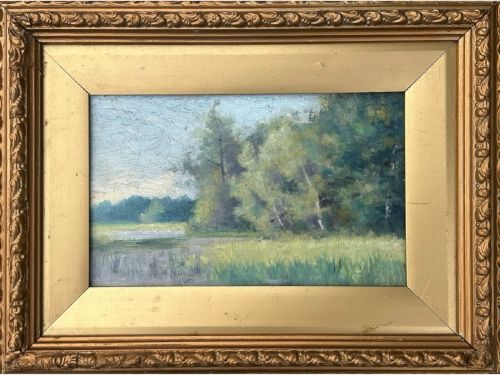
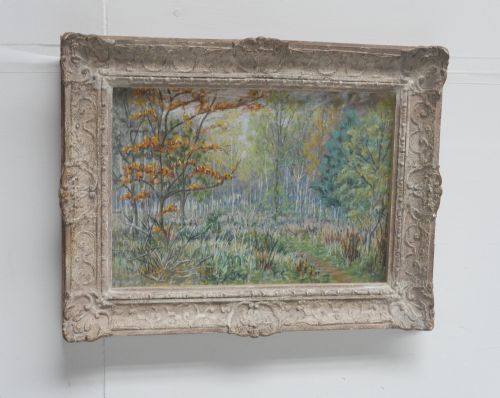


Original Tree Painting
An original tree painting brings the quiet structure of woodland and riverbank into a room through the careful eye of past artists.
Original Tree Painting
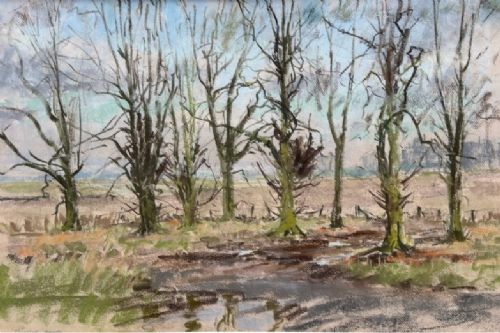
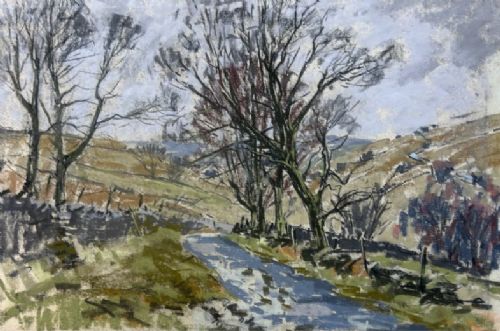
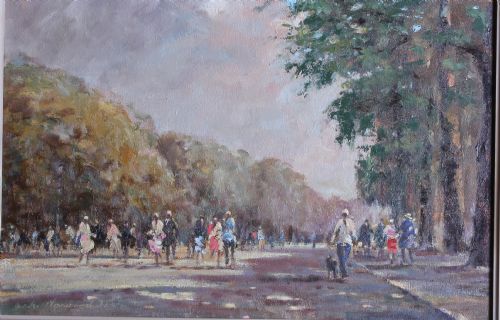
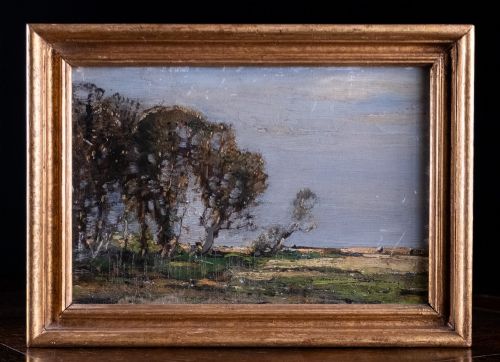
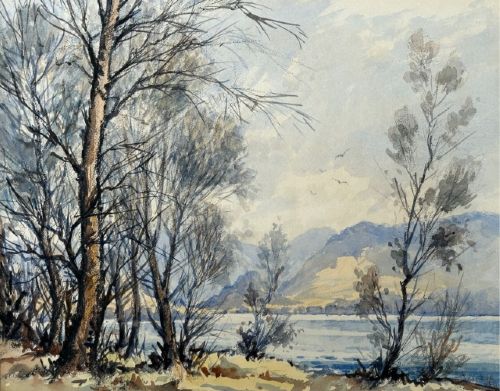
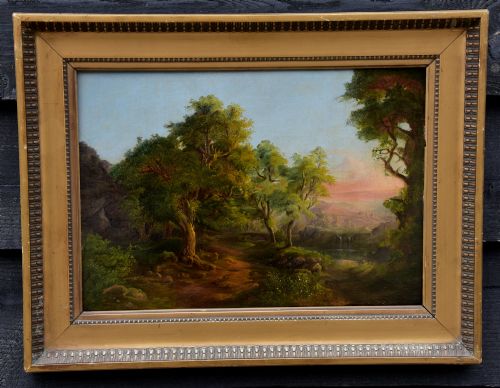
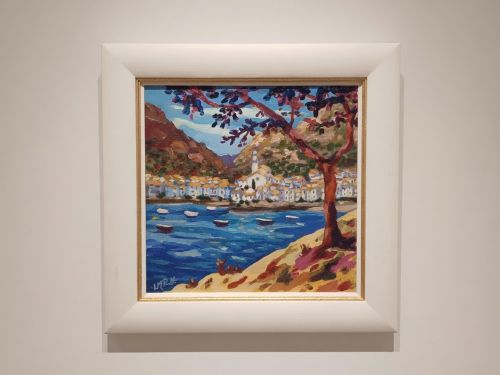
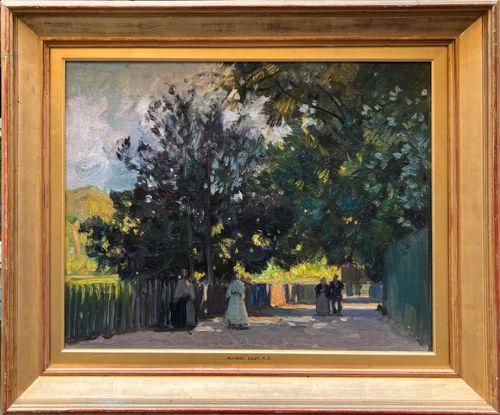
When searching for an original tree painting, buyers encounter works depicting rural landscapes, river paths, and woodland scenes from the nineteenth and twentieth centuries. These pieces capture natural forms through mediums such as oil paint, watercolour, and pastel on canvas, paper, or board.
The versions most commonly met on this page range from Victorian and Edwardian watercolours to British Impressionist and Post-Impressionist oils. Artists recorded scenes from Britain, France, Canada, and beyond, focusing on willows, oaks, and olive trees set in open countryside.
Makers and painters represented include figures such as George Graham, Kershaw Schofield, and Alfred Young Nutt. Their works document how creative movements evolved from romantic landscape traditions toward more textured, modern applications of paint.
How they were made
Artists built these compositions primarily using oil paint on canvas or board, and watercolour or gouache on paper. Oil pigments allowed for rich layering and visible brushstrokes, while watercolours offered fluid washes to capture the light filtering through branches.
Supports varied from stretched canvas and wooden panels to heavy cartridge paper and card. Painters worked en plein air or in studios, applying materials with brushes and sometimes ink lines to define trunks, foliage, and surrounding terrain.
Original Tree Painting Retail Price Guide 2026
Typical asking prices for original tree painting among the pieces listed under this phrase on Sellingantiques today, from the lower quarter to the upper quarter. They describe what is for sale here now, not the wider market.
Materials utilised by the artists include oil, watercolour, gouache, pastel, and ink on canvas, wood, board, and paper.
What varies in quality
Quality rests upon the artist's command of light, shadow, and spatial depth within the natural setting. Stronger pieces demonstrate confident brushwork and a coherent palette that gives weight to foliage and earth.
The handling of the medium distinguishes standard decorative watercolours from accomplished fine art paintings. Superior examples reveal a deliberate rhythm in the rendering of branches and light, whereas lesser works rely on formulaic repetition.
William H Myers·George Graham·Alfred Young Nutt·Kershaw Schofield·Robert Leslie Howey·Lucy Pratt·Alfred East·Maud Raphael Jones·Samuel Timmins·William JB Jenkins·William Hoggatt·Owen Bowen·John Linnell·Henri Joseph Harpinies·Herbert Royle·Rowland Henry Hill·Edmund George Warren·Berthe des Clayes·Abraham Hulk Jnr·William Bradley
The Original Tree Painting Glossary
- Gouache
- An opaque water-based medium often used alongside transparent watercolour to add highlights of light on leaves and bark.
- Impressionism
- A style focused on capturing transient effects of light and atmosphere outdoors, frequently applied to woodland and river scenes.
- Provenance
- The documented history of a painting's ownership and origin, which helps verify attribution to a specific artist or studio.
- Support
- The physical material, such as canvas, panel, board, or paper, upon which the artist applies the paint.
- Watercolour
- A paint consisting of pigment suspended in a water-soluble vehicle, prized for luminous washes and delicate application.
Original Tree Painting: Frequently Asked Questions
How do I care for an antique painting?
Keep the artwork away from direct sunlight and fluctuating humidity to protect the canvas and paper. Dust the surface gently with a soft, dry brush without applying pressure.
Avoid using liquid cleaners or chemical solutions on oil paint or watercolour. Consult a professional conservator if the frame or support requires attention.
What periods do these paintings cover?
The works span from the late nineteenth century through the Edwardian era and into the mid-twentieth century. Styles range from Victorian romanticism to post-impressionist and modernist interpretations.
Each period reflects distinct approaches to depicting nature, moving from detailed academic recording toward looser, more expressive brushwork.
How were these landscape scenes used?
These paintings were created as domestic wall art to bring views of the countryside, rivers, and woodlands into private homes. They served as decorative focal points in parlours, drawing rooms, and studies.
Artists also produced them for exhibition in galleries or submission to regional art societies to document changing rural topographies.
How can I tell watercolour from oil?
Watercolour paintings are executed on paper or card, typically displayed behind glass to protect the delicate pigment. They rely on translucent washes of colour where the white paper illuminates the scene.
Oil paintings utilise heavier pigments on canvas or wooden boards, presenting a textured surface with visible brush relief. Oils do not require glass for protection and often show a glossy or satin finish.