



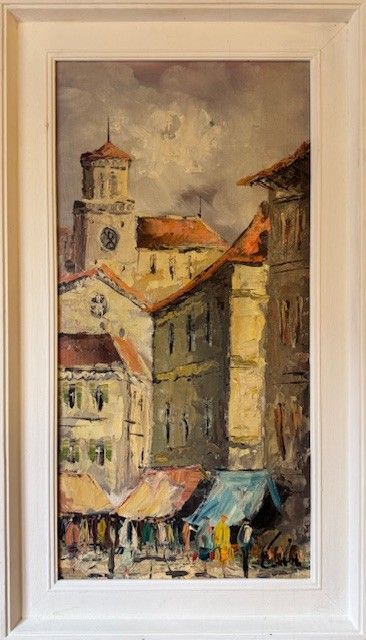


Original Townscape Painting
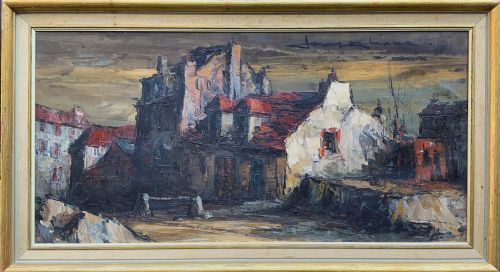
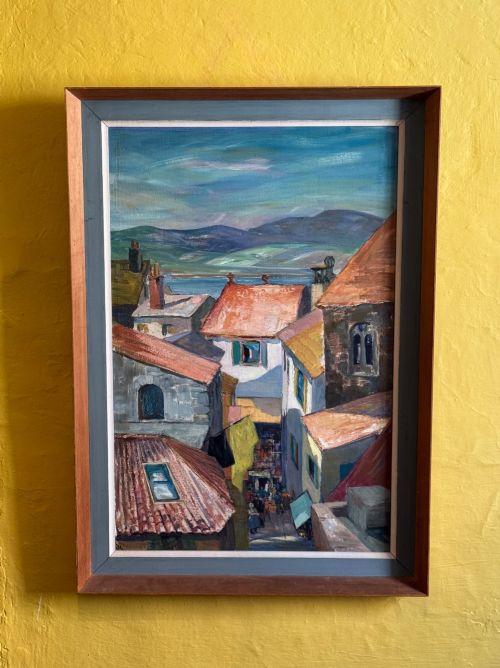
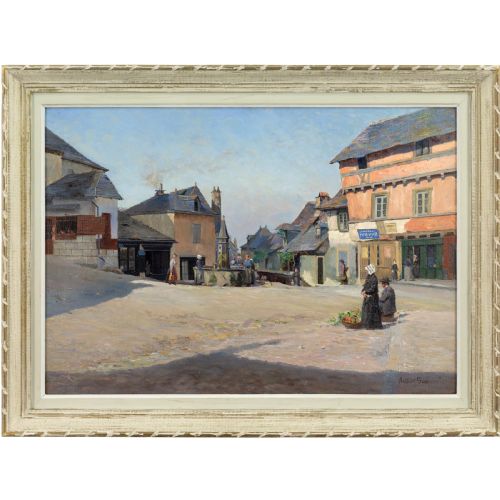
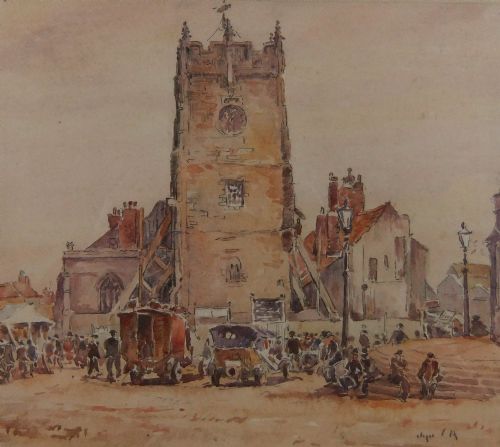
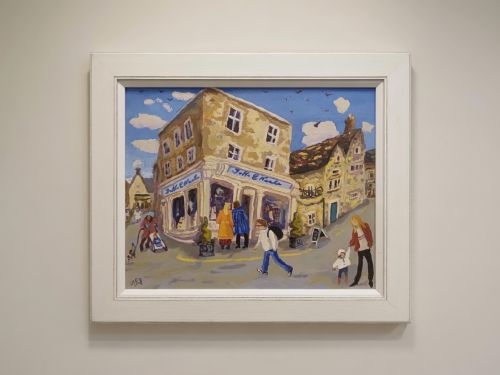
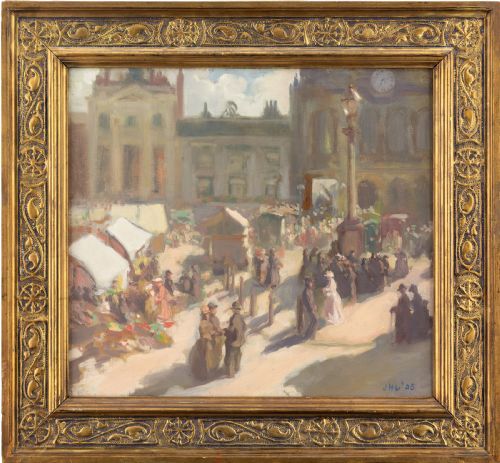
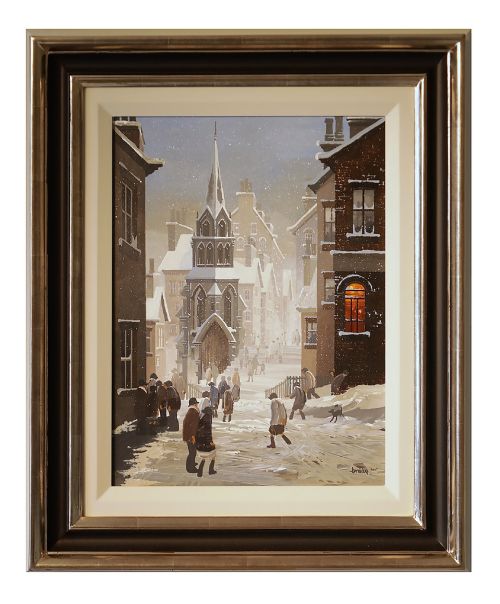
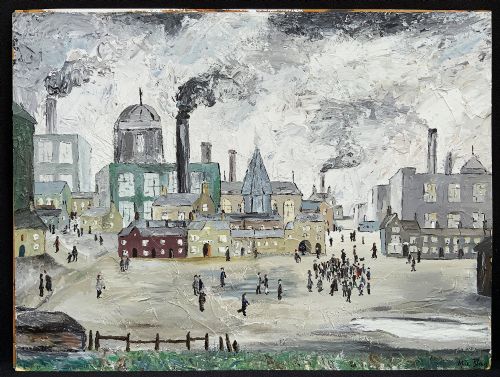
An original townscape painting captures the enduring character of urban streets, market squares and architectural landmarks through the direct hand of the artist.
Original Townscape Painting
When searching for an original townscape painting, collectors encounter works depicting identifiable streets, marketplaces, canals and architectural views from the nineteenth century onward. These pieces range from detailed topographical watercolours to expressive oils capturing industrial centres and continental market squares.
The selection on this page spans distinct periods including Victorian, Edwardian, Post-Impressionism and Modern British movements. Common subjects include Yorkshire towns, Venetian canals and French market places executed on canvas, paper or board.
Buyers select these works to bring historic locality and human activity into an interior space. Each piece records a specific place through the prevailing artistic style of its decade.
How they were made
Artists record these architectural views primarily through oil paint on canvas or board, and watercolour on paper. Oil pigments provide rich texture and depth for handling light on buildings and water, while watercolour allows for swift, translucent washes applied en plein air or finished in the studio.
Support materials reflect the period of creation, utilising stretched canvas, wood panels or heavy rag paper framed behind glass. Many works retain their period giltwood frames, which complement the palette and protect the fragile painted surfaces.
Original Townscape Painting Retail Price Guide 2026
Typical asking prices for original townscape painting among the pieces listed under this phrase on Sellingantiques today, from the lower quarter to the upper quarter. They describe what is for sale here now, not the wider market.
The inventory spans the nineteenth century through to the modern era, capturing changing approaches to urban representation.
What varies in quality
Quality in these works rests upon the artist's handling of perspective, light and atmosphere within the urban environment. A superior painting conveys the bustle of a market or the solidity of stone architecture through confident brushwork rather than mere architectural drafting.
The preservation of the original pigment and the integrity of the support material significantly influence the standing of a piece. Works that retain their unblemished surface and appropriate period framing offer a more complete historic artefact.
John Smith Atherton·Brian Shields Braaq·Alfred Pollentine·Fred Lawson·Letitia Marion Hamilton
The Original Townscape Painting Glossary
- Townscape
- A painting or drawing depicting urban architecture, streets, squares and public spaces. This genre focuses on human habitation and civic structures.
- Watercolour
- A paint consisting of water-soluble pigments suspended in a gum arabic binder. Applied to paper, it creates translucent layers of colour.
- Oil on Canvas
- Pigments bound in a drying oil applied to a woven fabric stretched across a wooden frame. This medium allows for deep tonal gradations and rich surface texture.
- Post-Impressionism
- An art movement developing from the late nineteenth century that rejected naturalistic depiction in favour of expressive colours and forms. Artists emphasised symbolic content and distinct brushstrokes.
- Giltwood
- Wood carved and coated with a thin layer of gold leaf or metallic gilt finish. It forms the traditional decorative border for framing fine art.
Original Townscape Painting: Frequently Asked Questions
What subjects appear in these works?
These paintings depict identifiable urban locations, including Yorkshire market towns, Venetian canals, French cathedrals and industrial northern streets.
Artists frequently focused on human activity within civic spaces, recording daily life alongside historic architecture.
How do I date a townscape painting?
Dating relies upon stylistic markers, costume details of figures in the street, and the materials used for the canvas or paper support.
Period frames and artist signatures or inscriptions on the reverse often provide definitive chronological clues.
Are watercolours framed differently from oils?
Watercolours require protection behind glass and mount board to prevent moisture damage and fading of the delicate pigments on paper.
Oil paintings on canvas or board are traditionally displayed unglazed to allow the textured paint surface to remain visible.
Where should I hang a townscape?
These works suit dining rooms, studies or hallways where viewers can examine the architectural detail and narrative elements up close.
Placement should avoid direct sunlight to preserve the integrity of both watercolour pigments and oil paints.