
Original Still Life Painting
An original still life painting brings the quiet domesticity of flowers, fruit and glassware directly into your interior.
Original Still Life Painting
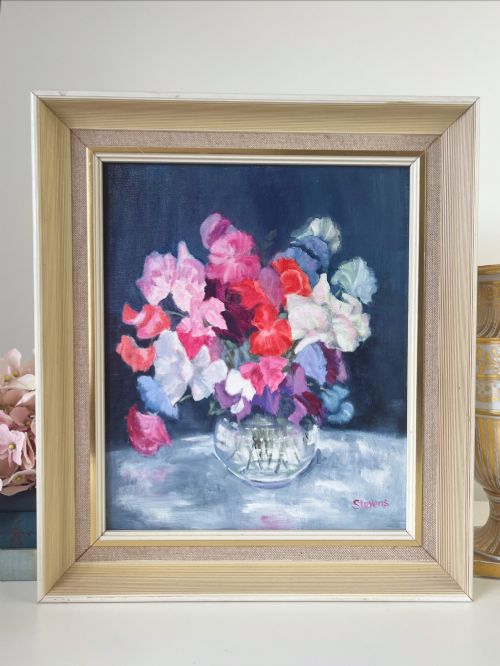
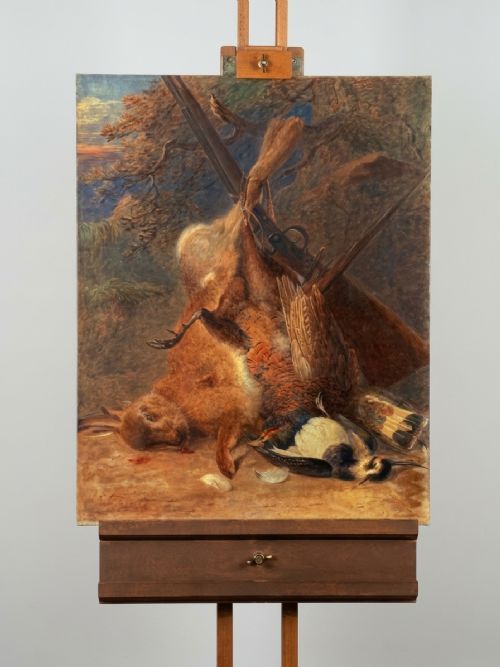
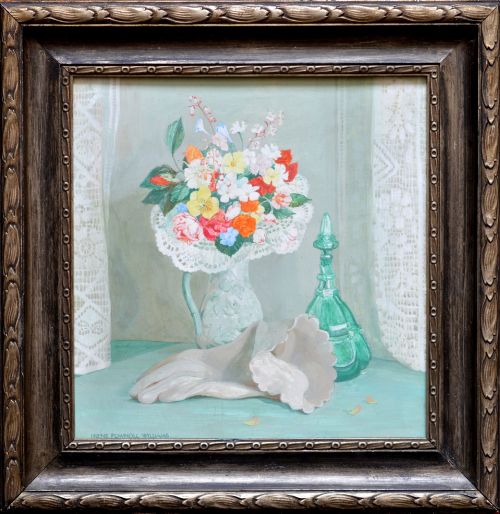
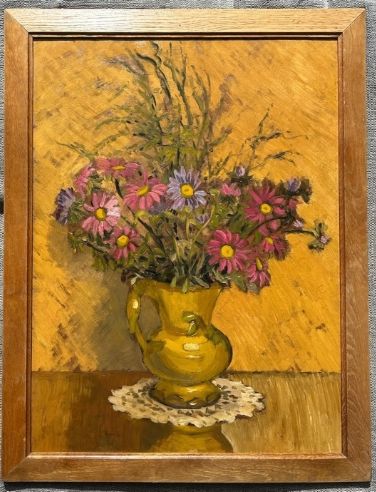
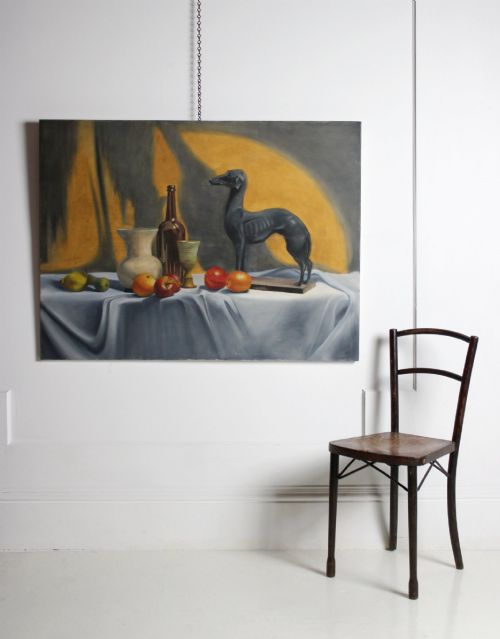
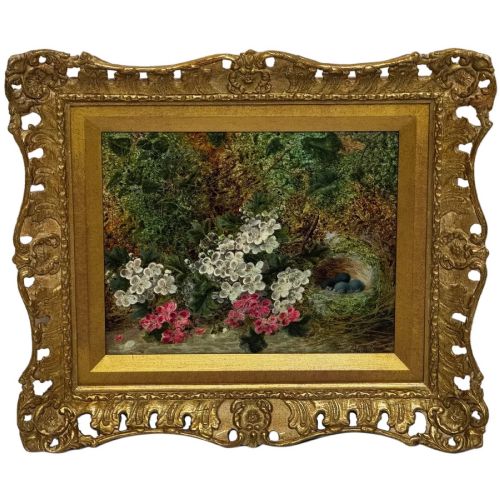
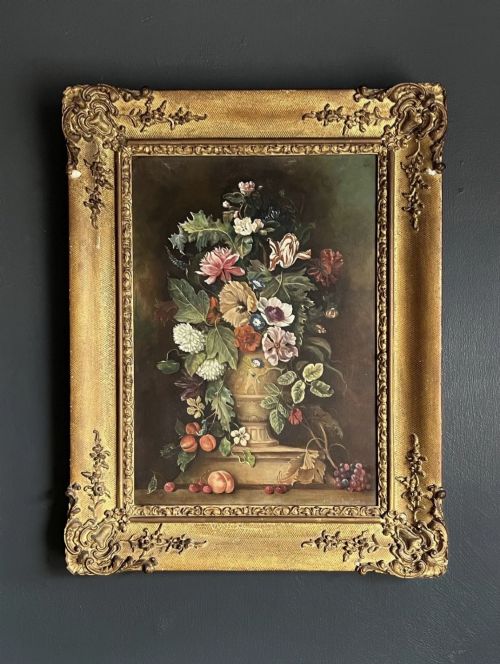
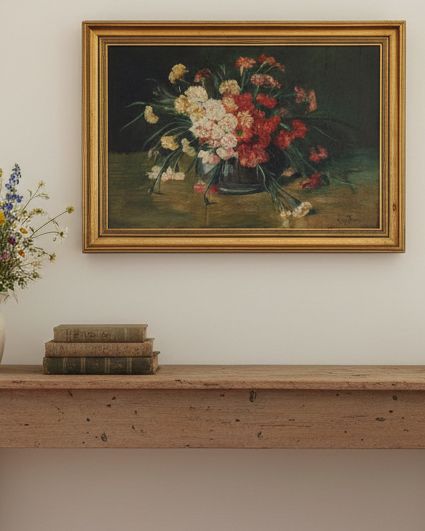
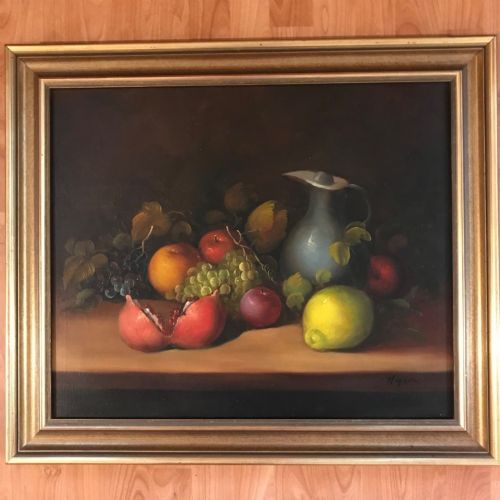
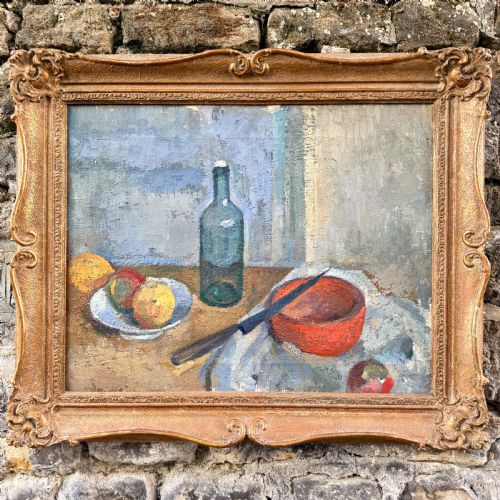
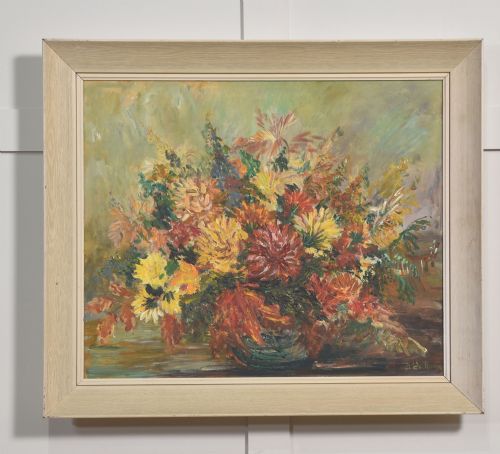
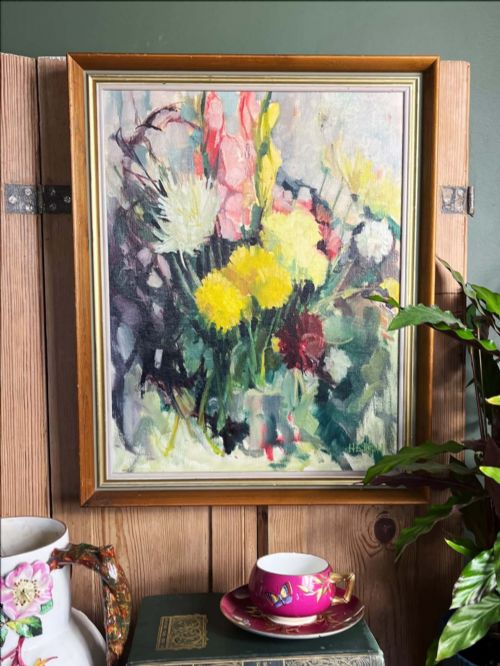
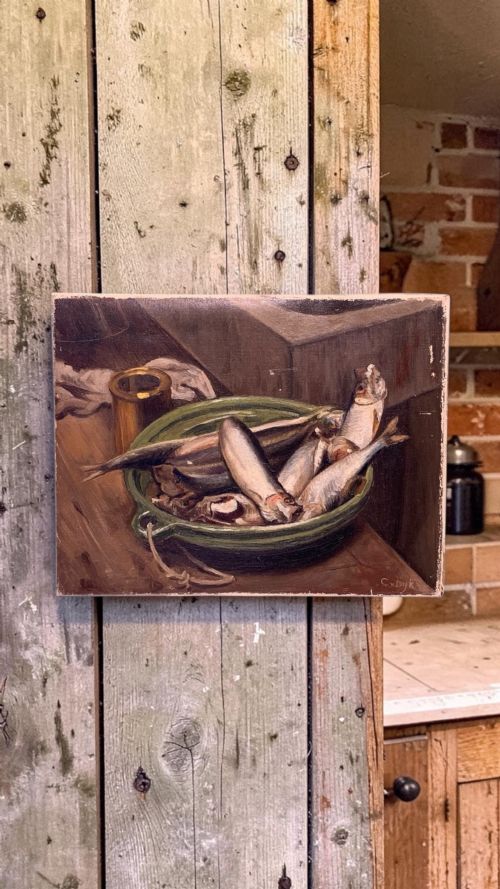
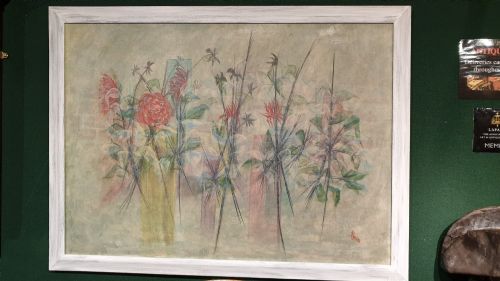
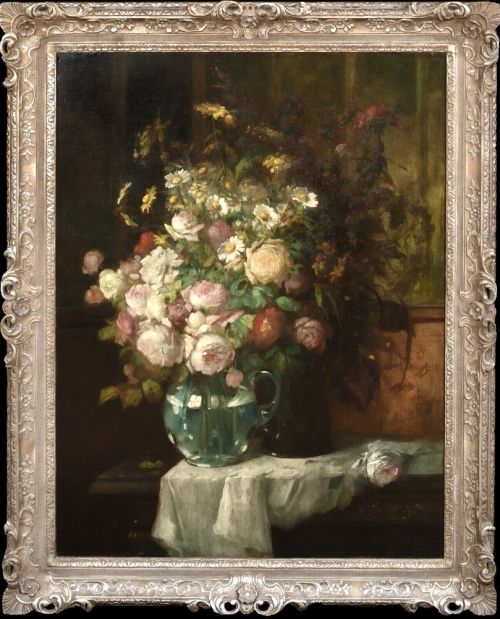
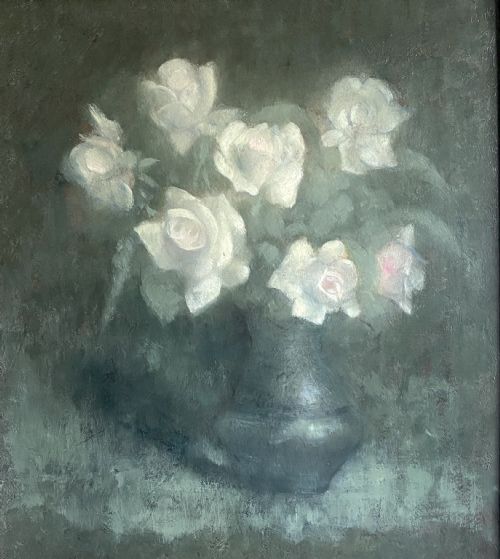
Nineteenth-century examples frequently showcase detailed realism depicting floral abundance in ornate gilt frames, while twentieth-century works lean towards impressionistic brushwork and simplified domestic settings. Pieces range from intimate watercolours on paper to substantial oil paintings created by British and continental artists.
How They Were Made
Artists painted primarily using oil on canvas, wood panel, or board, building rich textures with thick impasto or thin washes. Watercolour and gouache on paper were equally common, particularly for delicate studies of wild flowers and botanical arrangements.
Cats must have watched a great many of these painting sessions, judging by the number of curious hairs permanently varnished into nineteenth-century skies.
What Varies in Quality
Quality rests upon the artist's handling of light, shadow and spatial depth within a confined arrangement. Confident brushwork and accurate tonal relationships separate accomplished studio pieces from simpler decorative works.
The integration of the subject matter with its support, whether oil paint on textured canvas or precise watercolour washes on paper, determines the lasting impact of the painting.
Oliver Clare·Konstantin Stoitzner·Else Preußner·Arthur Dudley·John Sherrin·Victor Simonin·Owen Bowen·Denis Mitchell·James Tower·Evelyn Chester·Albert E Jackson·Phyllis I Hibbert·Isabelle Cohen·Olive Higginbottom
The Original Still Life Painting Glossary
- Impasto
- Paint applied thickly to a canvas or board, standing out from the surface so that the brush or palette knife marks remain visible. This technique adds tactile dimension to petals and fruit.
- Gesso
- A plaster mixture applied to wood panels or frames to prepare a smooth surface for painting or gilding. It provides a durable foundation for traditional oil works.
- Watercolour
- Pigments suspended in a water-based solution applied to paper to create translucent washes of colour. It is frequently employed for delicate botanical and floral studies.
- Panel
- A flat piece of wood used as a rigid support for painting instead of stretched canvas. Artists favoured panels for smaller, detailed compositions.
- Gilt
- A thin layer of gold leaf applied to picture frames and mouldings for decorative effect. It enhances the visual presentation of Victorian and Edwardian canvases.
Original Still Life Painting: Frequently Asked Questions
What periods do these paintings cover?
The available works span from the nineteenth century through the Edwardian era and into the mid-twentieth century. Styles shift from Victorian realism to impressionistic and modern British approaches.
Collectors can find dated pieces from the Victorian era alongside wartime watercolours and mid-century abstracts.
What surfaces were used?
Artists painted on stretched canvas, wooden panels, milk glass, metal panels, and heavy paper. Oil paint and watercolour are the primary mediums recorded across the collection.
Support choices often reflect the period and the artist's preferred method for capturing light and texture.
Are original frames common?
Many pieces are presented in their original gilt gesso or wood frames. These frames range from ornate nineteenth-century mouldings to simpler mid-century profiles.
Preserved framing helps contextualize the artwork within its historical period.
How do I identify different styles?
Nineteenth-century examples focus on meticulous detail and botanical accuracy, often featuring birds' nests or gathered fruit. Later twentieth-century pieces embrace looser brushwork and brighter palettes.
Looking at the handling of paint and the choice of domestic objects reveals the artistic movement of the era.