


Original Sketch Study
An original sketch study captures the immediate hand of the maker before a finished canvas.
Original Sketch Study
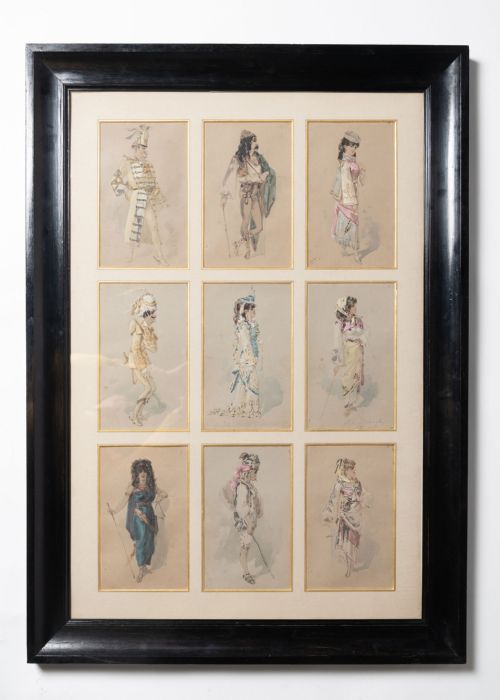
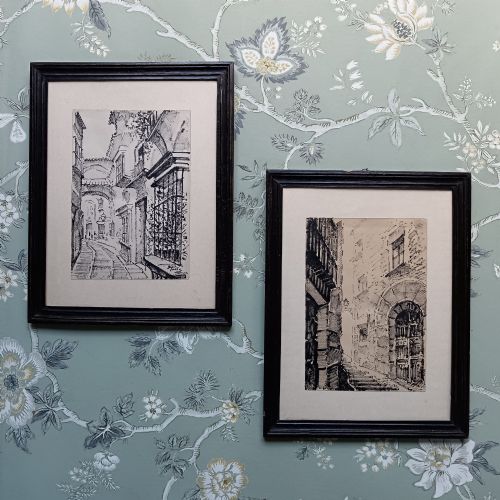
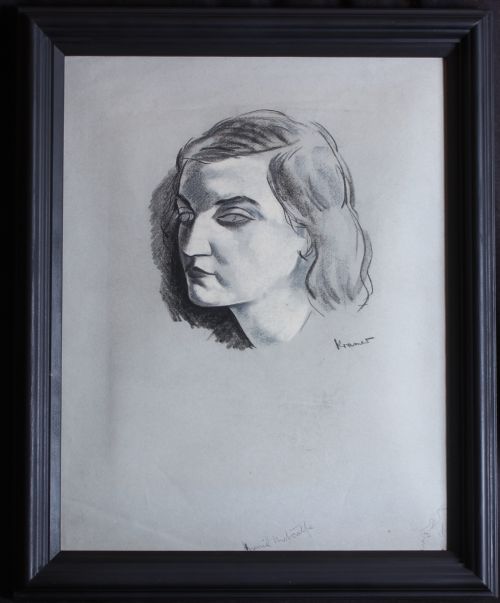
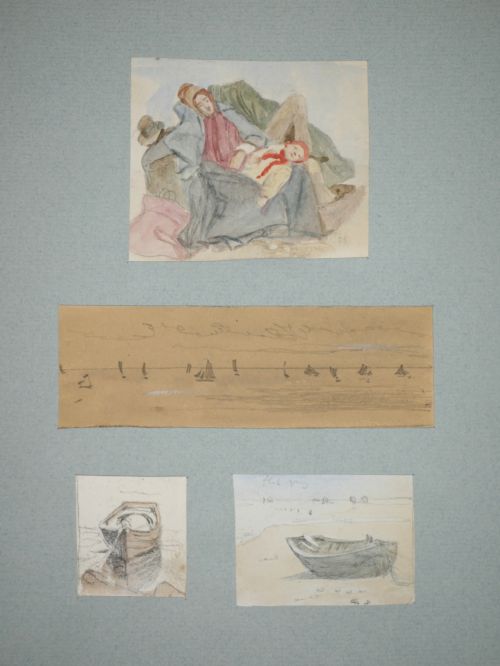
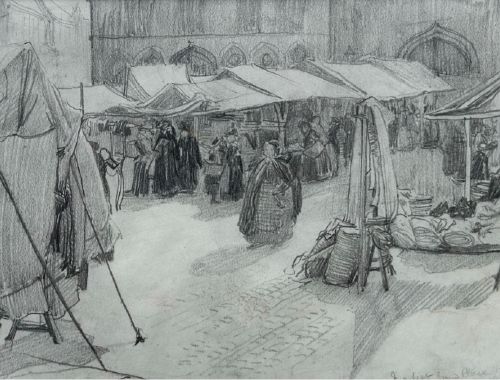
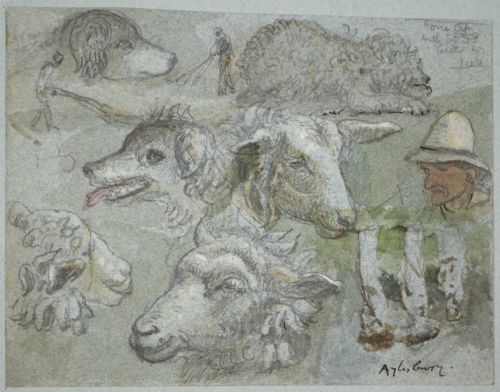
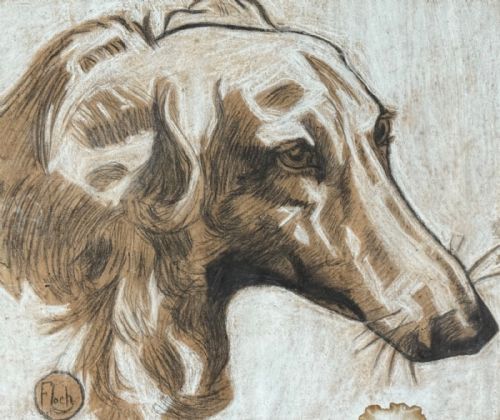
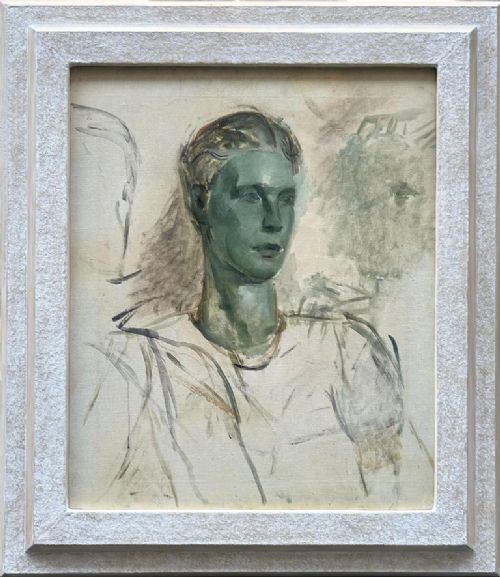
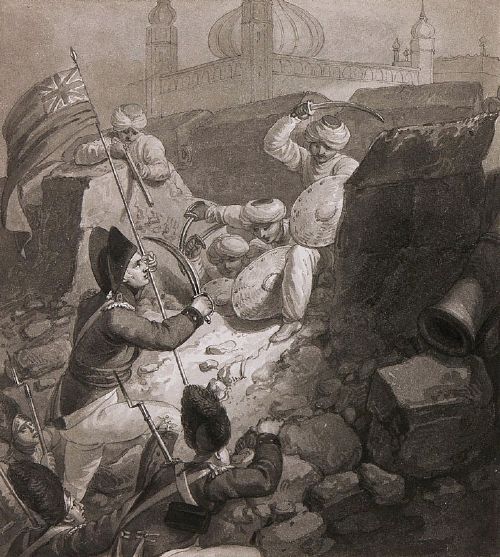
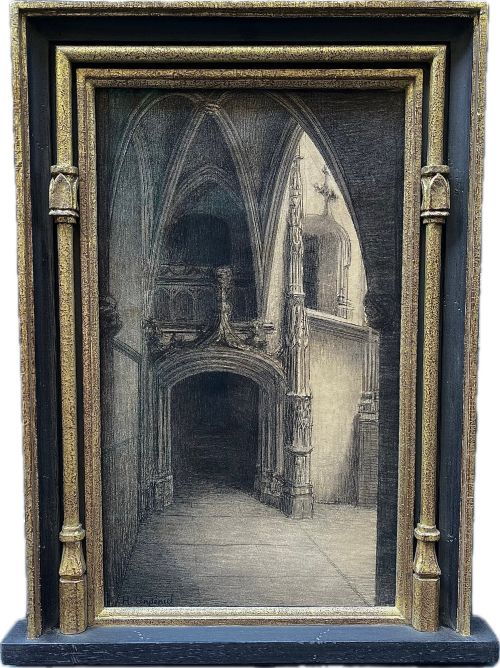
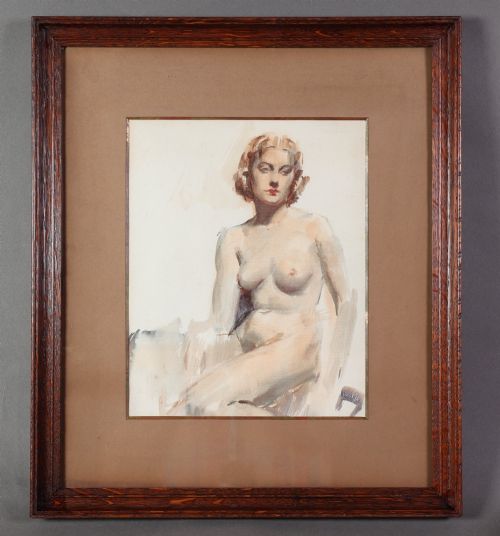
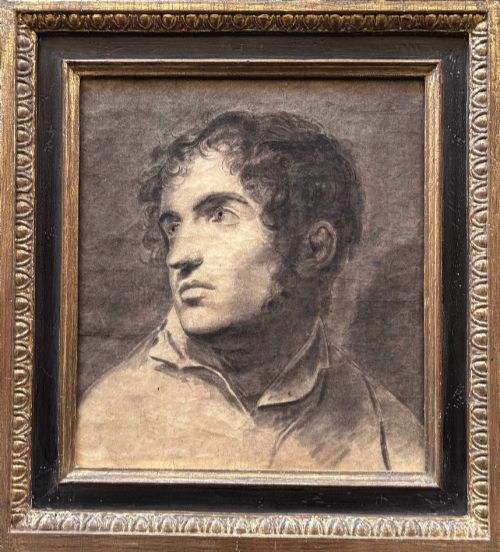
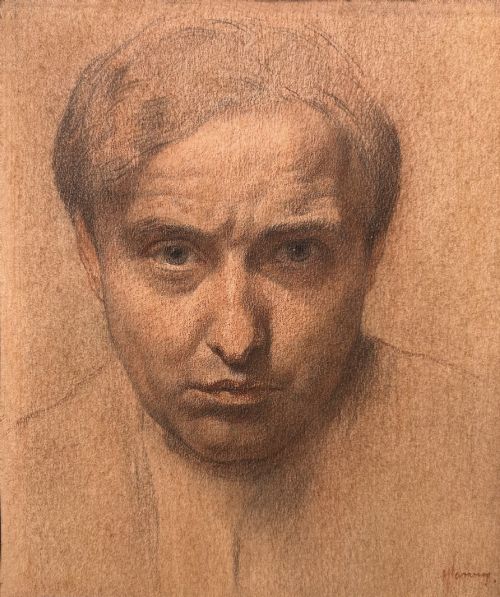
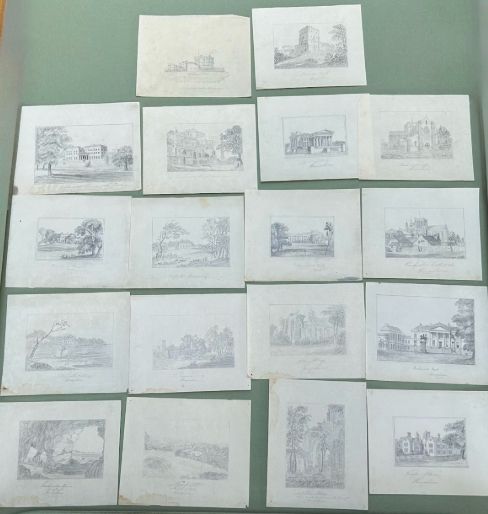
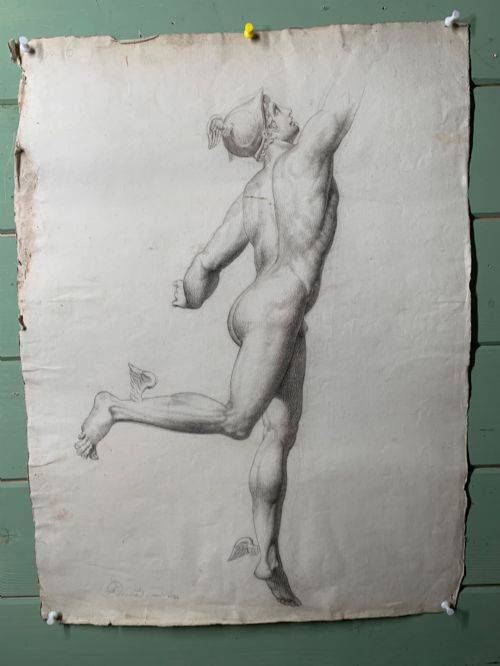
An original sketch study represents the direct working method of artists across the eighteenth, nineteenth, and twentieth centuries, capturing preliminary thoughts on paper rather than finished exhibition pieces. Buyers seeking an original sketch study encounter intimate portraits, architectural plans, landscapes, and academic life studies executed in varied hands.
The works span diverse movements from Georgian academic realism and Victorian Gothic revival to mid-century modernism and art deco, reflecting the changing philosophies of European and British schools. Pieces range from rapid pen and ink notations to detailed charcoal and watercolour compositions created as preparatory works or standalone exercises.
Most examples found in these listings date from the nineteenth and early twentieth centuries, offering direct insight into studio practice and academic training. These intimate sheets reveal the private experiments of named artists and anonymous hands alike, preserved on period supports.
Materials and Techniques
Artists relied primarily on paper supports, ranging from buff sheets and heavy card to delicate laid paper, upon which they applied graphite, charcoal, chalk, or ink. Watercolour and gouache frequently added tonal depth and colour to preliminary pencil frameworks, while oil and panel occasionally served for more robust studies.
Draftsmen utilised fine nibs for precise architectural lines, broad brushes for washes, and soft charcoal for expressive tonal graduation in life studies. The combination of mediums often exposes the working sequence, showing underlying grid lines, corrections, and marginal annotations made during the creative process.
Original Sketch Study Retail Price Guide 2026
Typical asking prices for original sketch study among the pieces listed under this phrase on Sellingantiques today, from the lower quarter to the upper quarter. They describe what is for sale here now, not the wider market.
Academic life studies and architectural ink drawings form a significant portion of the available nineteenth-century material on this page.
Determining Quality and Execution
Quality rests upon the confidence of the line, the economy of marks, and the psychological or structural conviction of the subject. A superior study demonstrates assured handling where every stroke contributes to the form, distinguishing it from mechanical or hesitant exercises.
The preservation of the paper support and the clarity of the medium without excessive fading or detrimental toning also govern the standing of a piece. Works retaining their initial vitality and uncompromised surface texture occupy the upper tier of these selections.
Jacob Kramer·Henry Percy Huggill·James Smetham·William Marshall Craig·Herbert Johnson Harvey·Samuel Rabin·Henri Charles Angéniol·Ludwig van Beethoven·Dame Laura Knight·Michael Healy·Picabia·Augustus John·Henry Arthur Roberts·Lucien Gibert·Maison Krieger·Alfred Dehodencq·Manet·Demetrios Galanis·Raoul Millais·William Edward Frost·Arthur Todd·Denis William Reed·Lucien Freud
The Original Sketch Study Glossary
- Preparatory study
- A preliminary drawing or painting executed to plan a larger, more finished composition. These works often show underlying compositional changes.
- Wash
- A diluted layer of ink or watercolour applied with a brush to create monochrome or coloured tonal areas. It provides depth and shadow behind linear work.
- Academic life study
- A detailed drawing or painting of a live model, typically produced within an art academy training framework. These pieces emphasise anatomical accuracy and precise tonal modeling.
- Gouache
- An opaque water-based medium consisting of pigment, water, and a binding agent such as gum, often featuring added white chalk. It yields flat, saturated areas of colour.
- Laid paper
- Paper showing a grid of fine parallel lines and wider spaced perpendicular lines created by the wire mesh of the handmade paper mould. It frequently appears in older antique sheets.
Original Sketch Study: Frequently Asked Questions
What is an original sketch study?
An original sketch study is a hand-drawn or painted preparatory work recording an artist's initial observations or compositional plans. These pieces highlight the direct creative process rather than a polished final product.
Such works provide insight into historical studio practices across various European and British art schools. Collectors prize them for their spontaneity and unvarnished glimpse into the artist's mind.
How should I frame works on paper?
Works on paper require conservation-grade mounting to prevent direct contact between the fragile medium and the glass. Acid-free boards and UV-filtering glazing protect delicate charcoal, ink, and watercolour from environmental degradation.
Keeping pieces away from direct sunlight preserves the fugitive pigments and the tone of the antique paper. Professional framing maintains both the physical stability and the long-term integrity of the sheet.
How do I identify academic drawings?
Academic drawings typically feature meticulous rendering of human anatomy, classical sculpture, or architectural elements produced within a formal training structure. They often include precise shading, grid lines, and notations regarding proportions.
These pieces reflect strict institutional teaching methods prevalent from the eighteenth through the early twentieth centuries. The emphasis rests heavily on technical mastery and observational accuracy over expressive freedom.
Are these drawings signed by the artist?
Some sheets bear direct signatures, monograms, or studio stamps, while others remain entirely anonymous yet attributable to specific schools or periods. Attribution relies upon handwriting, stylistic traits, and provenance documentation.
Unsigned studies frequently originated in artists' sketchbooks or studio dispersal sales after their passing. The quality of the draftsmanship often speaks louder than a signature.