


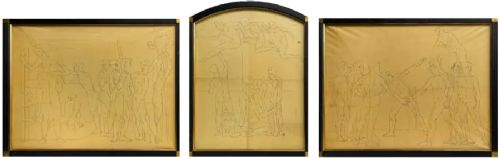
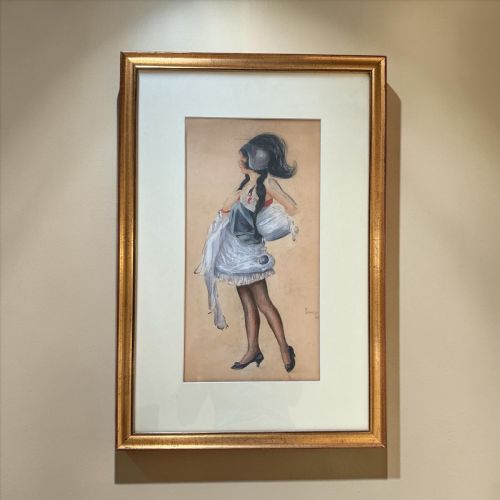
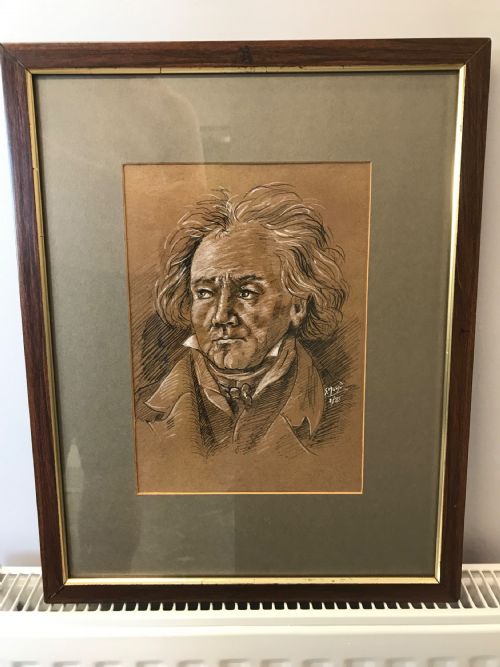
Original Sketch Painting
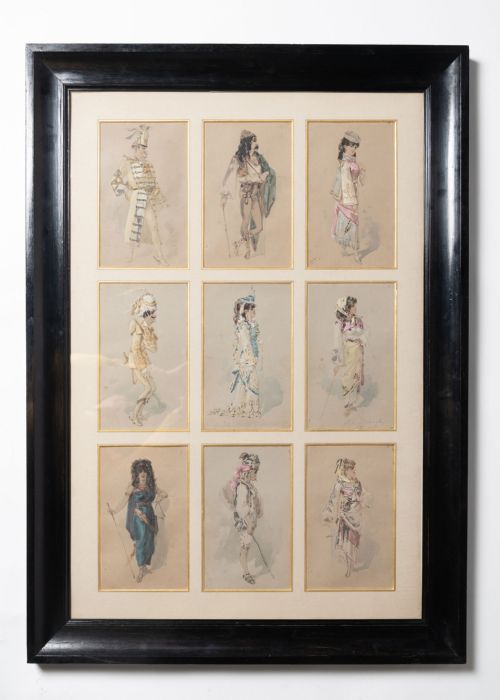
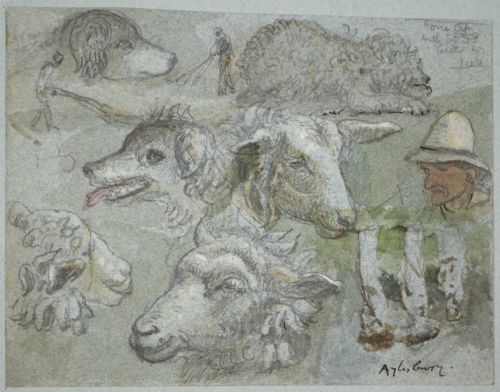
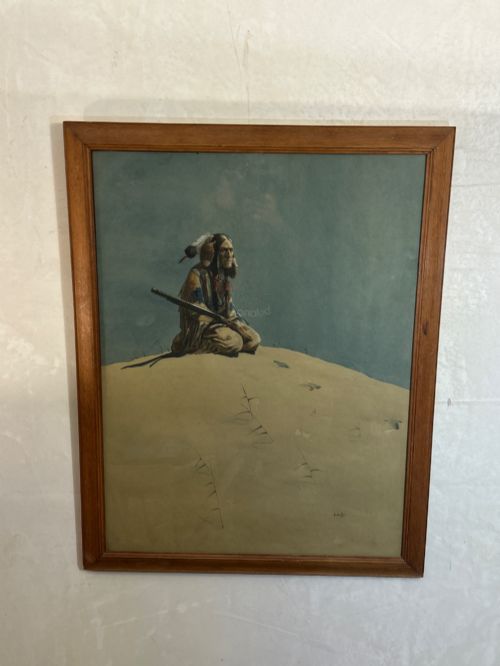
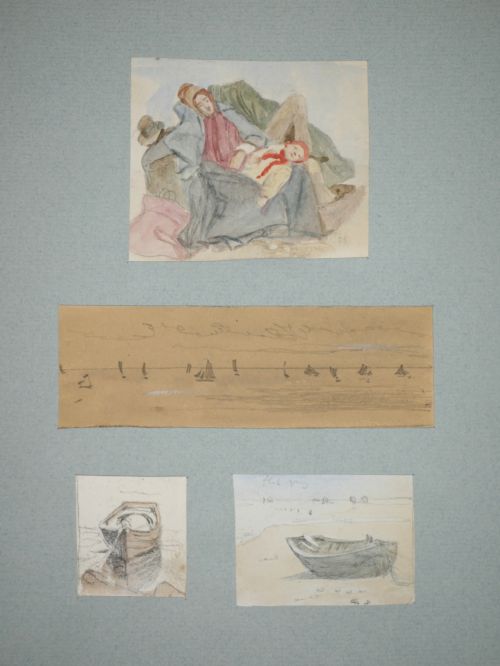
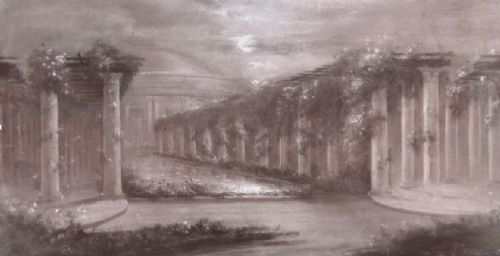
When you search for original sketch painting, you uncover direct works on paper capturing landscapes, portraits and marine scenes from the Georgian era through to mid-century modernism.
Original Sketch Painting
An original sketch painting represents a direct encounter between artist and subject, executed swiftly on paper or card rather than finished in a studio over months. You will frequently encounter watercolours, pastels, and ink washes dating from the nineteenth century up to the 1960s.
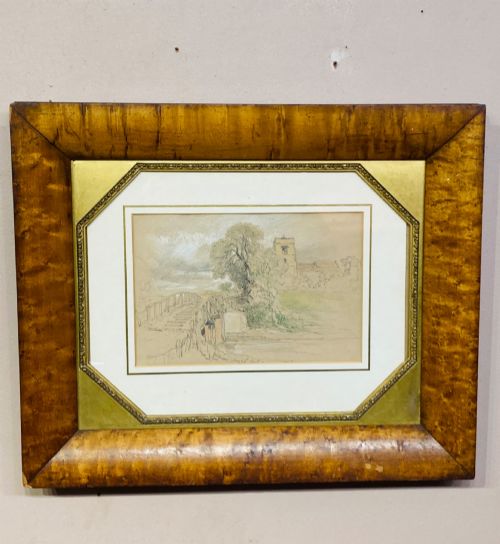
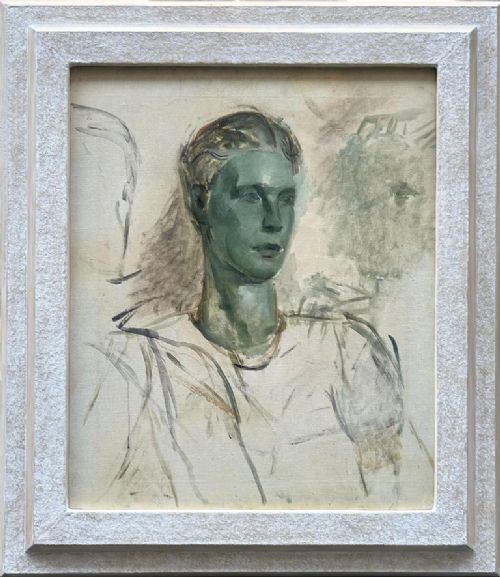
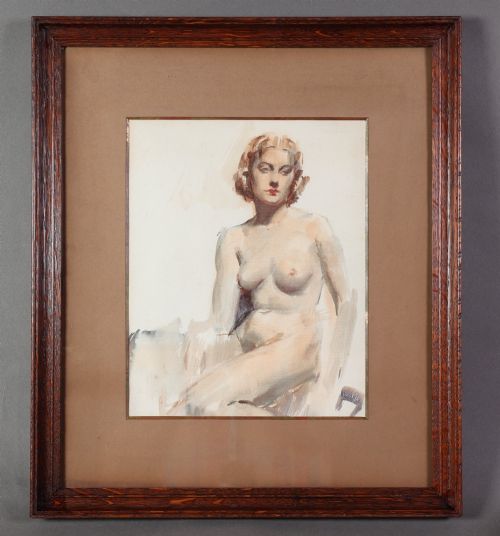
The selections span distinct British and European movements, including Victorian studies, Modern British landscapes, and post-impressionist portraits. These pieces often arrive framed behind glass in period wood mouldings, preserving their delicate mediums.
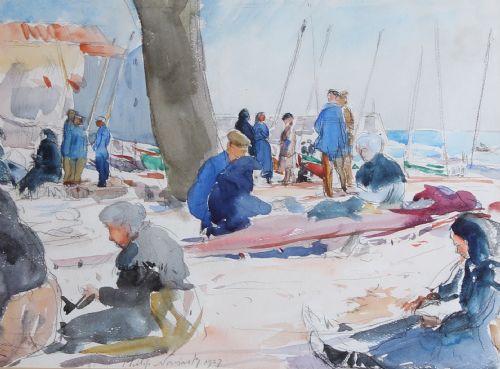
Works range from rapid topographical pencil and ink recordings to fully realised gouache figure studies and atmospheric coastal marine watercolours.
Materials and Technique
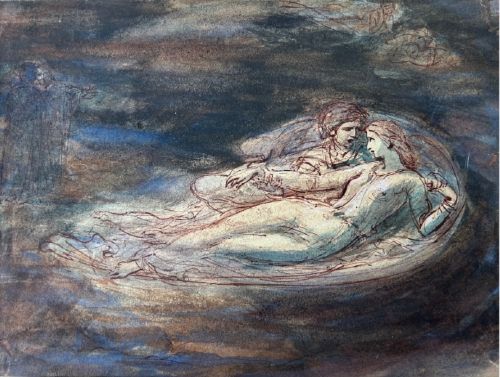
Paper serves as the primary support, carrying watercolours, ink, pastel, charcoal, and gouache applied with varying degrees of fluidity and restraint. Artists utilised pen and wash to establish rapid contours before layering pigments.
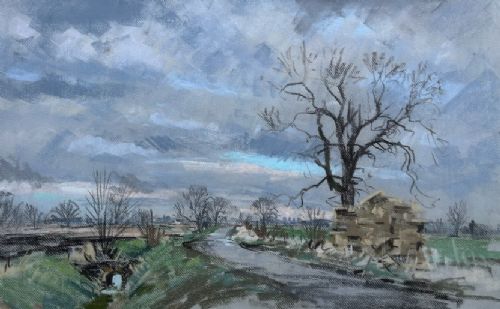
Pastel and chalk drawings rely on dry pigment particles held to textured paper, requiring glass protection to prevent smudging. Mixed media combinations frequently merge pencil outlines with fluid watercolours and opaque gouache highlights.
Original Sketch Painting Retail Price Guide 2026
Typical asking prices for original sketch painting among the pieces listed under this phrase on Sellingantiques today, from the lower quarter to the upper quarter. They describe what is for sale here now, not the wider market.
One standout piece captures the quiet dignity of a very stylish cat rendered entirely in oil pastels.
Distinctions in Quality
Execution confidence separates routine classroom exercises from masterworks, evident in the decisiveness of a pen stroke or the economy of a pastel mark. A skilled hand captures movement and light with minimal intervention on the sheet.
Condition and paper integrity dictate longevity, particularly concerning light exposure, foxing spots, and fading pigments. Original framing and undisturbed backing papers add historical context to the surviving artwork.
James Smetham·John Hassall·Cecil Beaton·Raoul Millais·Hercules Brabazon Brabazon
The Original Sketch Painting Glossary
- Gouache
- An opaque water-based paint that includes a white pigment filler, producing a heavier, matt surface than traditional transparent watercolour. It allows artists to apply bright highlights over darker washes.
- Wash
- A thin, fluid layer of transparent watercolour or diluted ink spread evenly across paper to create skies, shadows, or background atmosphere. Masters used broad brushes to lay these down swiftly before the pigment dried.
- Foxing
- Small brownish spots caused by chemical reactions in the paper over decades, often accelerated by damp storage conditions. These blemishes appear frequently on nineteenth-century works on paper.
- Triptych
- A single artwork divided into three distinct panels hinged or displayed together to tell a connected visual story. This format was frequently utilised for narrative or sequential subject matter.
- Support
- The physical material upon which the artist applies the drawing or painting medium, such as paper, card, or panel. The texture and weight of this foundation directly influence the final appearance.
Original Sketch Painting: Frequently Asked Questions
How should I display delicate works on paper?
Keep these pieces away from direct sunlight to prevent the fading of fugitive watercolours and sensitive pastel pigments. Framing them with conservation-grade mounts ensures the paper does not touch the glass directly.
Maintaining stable room humidity further protects the paper fibres and prevents the acceleration of foxing spots over time.
What is the difference between a sketch and a painting?
A sketch prioritises immediacy, rapid notation of form, and direct observation, often executed outdoors or during preliminary studies. Paintings generally imply a higher degree of finish, broader scale, and worked surfaces.
Many listings combine these definitions because artists used fluid mediums to create finished works with all the spontaneity of a quick drawing.
How do I identify a pastel drawing?
Pastels consist of pure powdered pigment rolled into sticks, leaving a velvety, matte texture on tinted or textured paper. They reflect light differently than oil or watercolour because the pigment sits loosely on the surface.
Due to this powdery nature, these works must remain sealed under glass with a sunken mount to protect the delicate surface from friction.
Are these works signed by the artists?
Signatures appear on many pieces, sometimes written discreetly in pencil beneath the image or incorporated into the ink composition. Unsigned works frequently emerge from artist studio portfolios or historical attribution studies.
Stylistic comparison, period framing, and accompanying provenance help establish authorship when a direct signature is absent.