


Original Signed Art
Original signed art brings direct touch from the artist's hand into a room through watercolours, oils and drawings made across the nineteenth and twentieth centuries.
Original Signed Art
Original signed art encompasses unique visual works created by named artists rather than mass reproductions, carrying direct personal authentication in the form of a signature, monogram or initial. Buyers browsing this page encounter everything from nineteenth-century landscape watercolours to mid-century British oils and figure drawings.
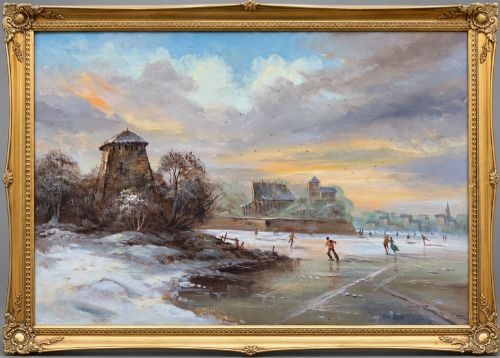
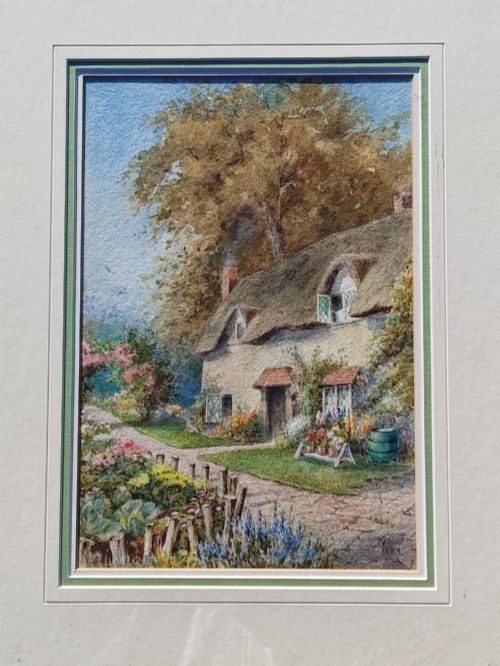
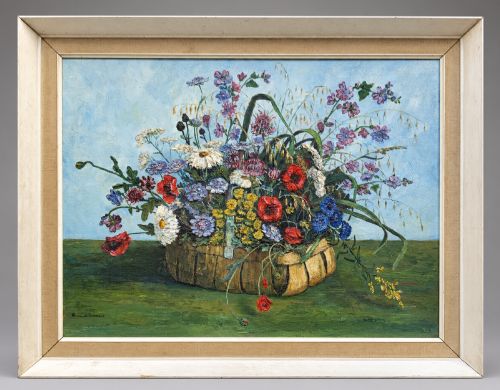
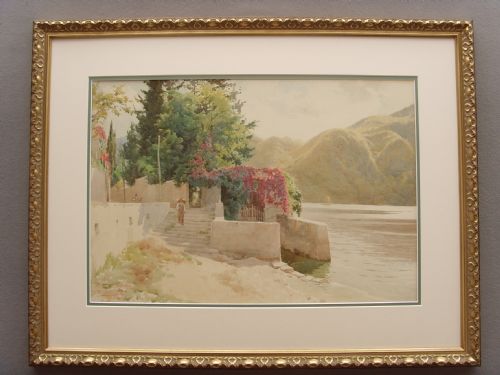
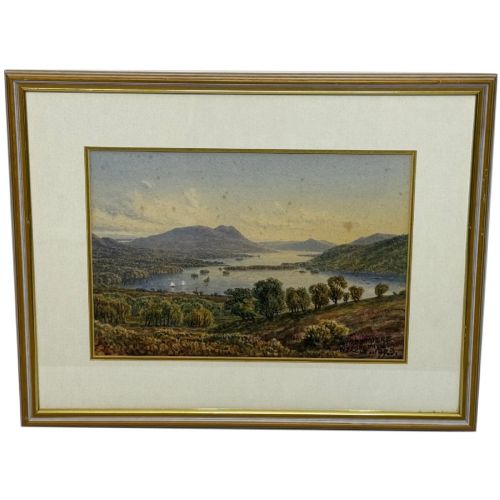
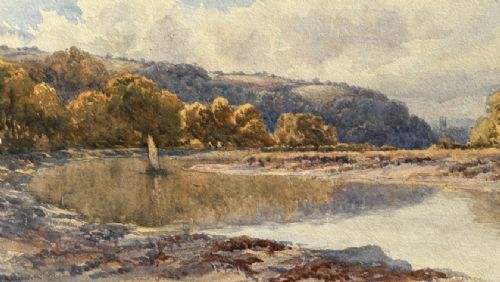
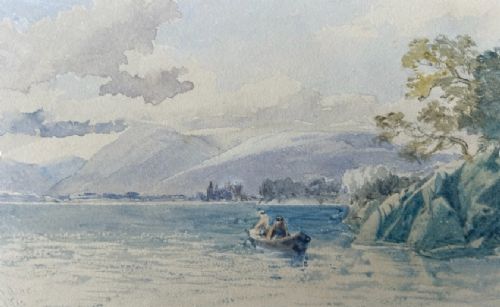
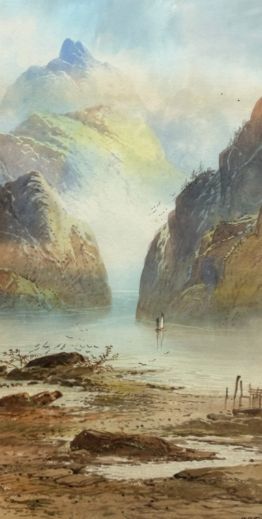
The selection ranges across traditional subjects like Scottish lochs, coastal fishing boats, rural farm carts and floral still lifes. Works span the Victorian and Edwardian eras into the twentieth century, providing tangible links to historical periods through genuine artist brushwork and hand-drawn lines.
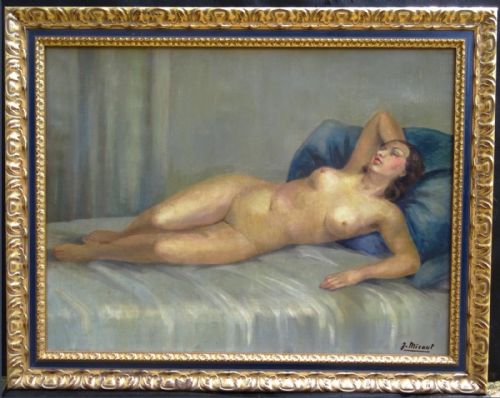
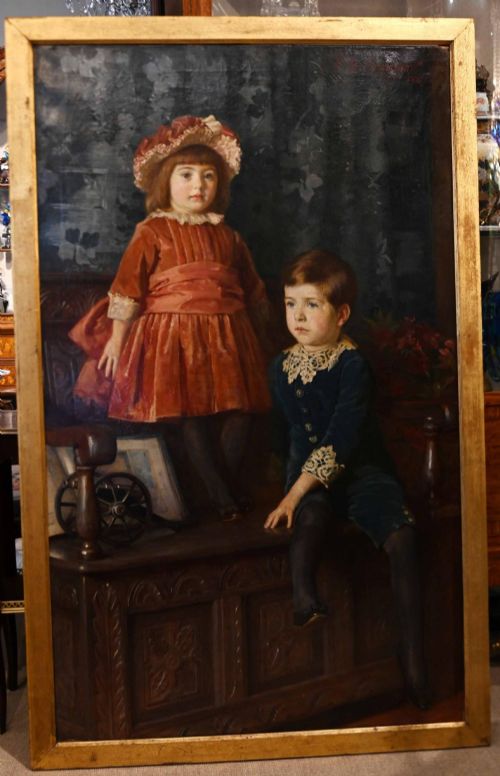
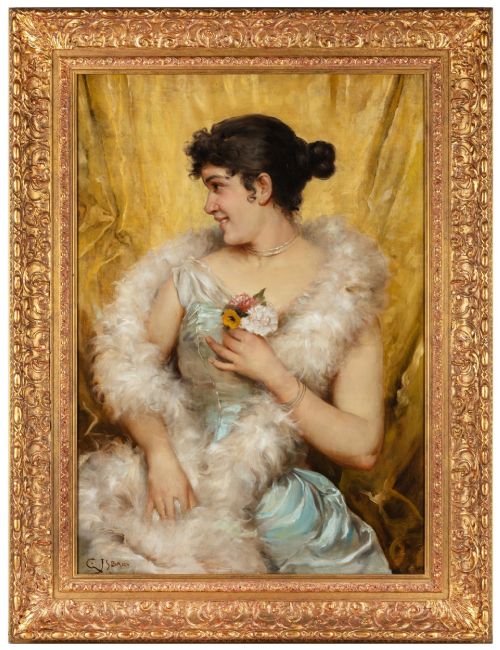
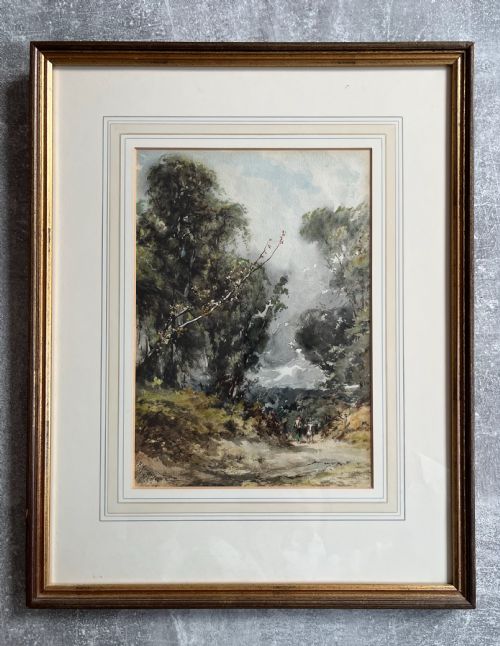
Most pieces appear in period frames, often gilt gesso or simple wood moulding, ready to hang. These works offer a direct connection to past studio practices, recording how artists viewed British and European landscapes, townscapes and domestic scenes.
How they were made
Artists created these works on supports such as artist-grade paper, stretched canvas, wood panels and cardboardboards, applying mediums like transparent watercolour, thick oil paint, gouache, pastel, charcoal and ink. Watercolour paintings often involved washes laid over pencil sketches on textured paper, while oil paintings built up layers of pigment, sometimes featuring raised impasto texture.
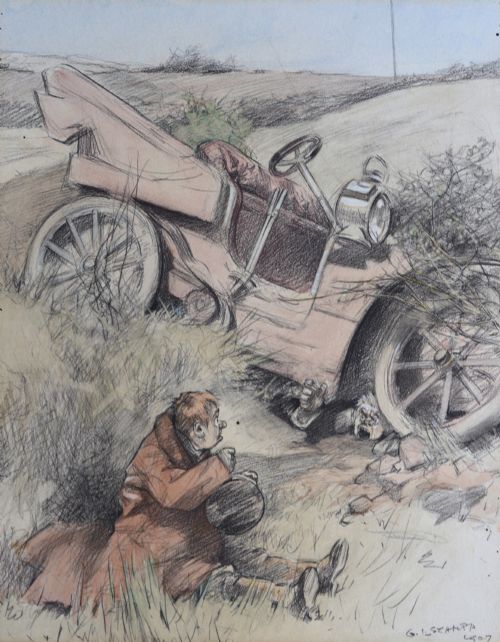
Drawings relied on precise pencil work, pen and ink, or chalk strokes to capture form and expression quickly. Many pieces were executed en plein air directly outdoors or finished within studios before being mounted behind glass or framed in decorative timber.
At least one artist sketched a hurried portrait of a man wearing a distinct football scarf.
What varies in quality
Quality rests upon the sureness of the hand, the sensitivity of the composition and how completely the artist captures light, atmosphere and space. A superior watercolour shows fluid, confident washes without muddying, while a fine oil painting demonstrates thoughtful handling of tone and colour harmony.
The strength of the signature or provenance adds context, but the primary distinction lies in artistic execution and the vitality of the mark-making. Stronger works reveal a distinct personal vision and precise observation, whether depicting a rugged coastal landscape or a quiet interior scene.
Kenneth Cozens·George Lorain Stampa·George Fotherly Hargitt·Thomas Miles Richardson Jnr·James Orrock·William Henry Earp·Henry Percy Huggill·William Cannon·R Leyton·John R Prentice·William H Myers·Tom Campbell·W Klombeck·William Howard Hardy·Frederick Marriott·Arthur Wardle·Robert Heinrich·Bruce Bairnsfather·A Mitchell·A Marie Parsons·Alfred Fontville de Breanski Jr·Sidney A Court·Robert Leslie Howey·George Houston·William Banks Fortescue
The Original Signed Art Glossary
- Impasto
- Paint applied thickly to a canvas or panel so that it stands out from the surface. This technique leaves visible brush or palette knife marks that catch the light and add physical depth to the image.
- Gouache
- An opaque water-based paint that uses ground pigments mixed with a binding agent and white filler. It produces a dense, matte surface that allows artists to paint light details over darker washes.
- Monogram
- A motif made by overlapping or combining two or more letters to form a single symbol. Artists frequently used these initials to sign works discreetly.
- En plein air
- The act of painting outdoors to capture direct natural light and environmental conditions. This approach became central to landscape painters seeking accurate tonal relationships.
- Provenance
- The chronological history of ownership and exhibition for a work of art. Documented past ownership helps confirm authenticity and links pieces to specific collections or dealers.
Original Signed Art: Frequently Asked Questions
How do I know if an artwork is genuinely original?
Original works display genuine brushstrokes, plate marks, texture in the pigment, and paper grain that print reproductions lack under magnification. Signatures are typically written directly onto the surface in wet medium or pencil rather than printed as dots.
Examining the reverse often reveals artist studio stamps, framer labels, or handwritten titles that confirm the unique physical nature of the piece.
What is the best way to frame and hang antique works on paper?
Watercolours and drawings require mounting with acid-free museum boards to prevent yellowing and degradation over time. Glazing with UV-filtering glass protects fugitive pigments from fading under indoor light.
Keep framed works away from direct sunlight and damp exterior walls to preserve both the paper support and the original frame.
How should I care for an antique oil painting?
Oil paintings on canvas or wood panel need stable indoor humidity and temperatures to prevent paint cracking or wood warping. Dust surfaces gently with a soft, dry brush without applying moisture or household cleaners.
Avoid touching the paint layer directly, as natural oils from skin can damage fragile nineteenth-century varnishes.
What is the difference between a watercolour and a gouache painting?
Watercolour relies on transparent washes where the white of the paper shines through to create luminosity and light. Gouache incorporates chalk or white pigment, making the paint opaque and solid.
Many artists combined both mediums within a single sheet, using gouache to highlight water sparkle or clouds.