





Original Post Sign
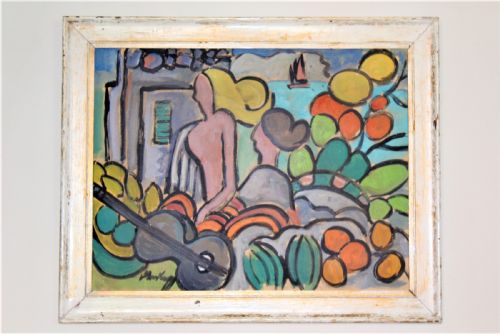
An original post sign offers an engaging way to bring authentic mid-century or early twentieth-century oil painting into a room.
Original Post Sign
When searching for an original post sign, buyers encounter a diverse selection of oil paintings spanning from the early twentieth century through the post-war decades.
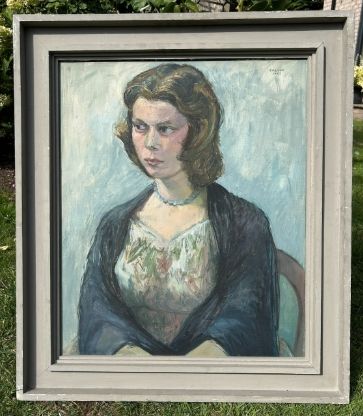
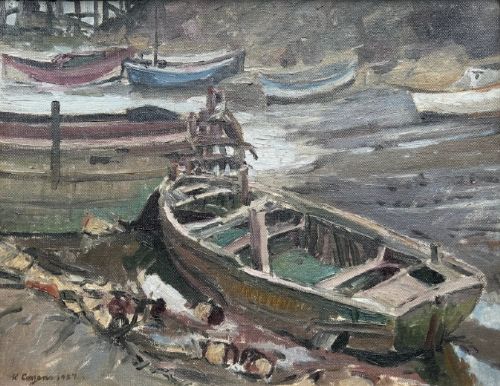
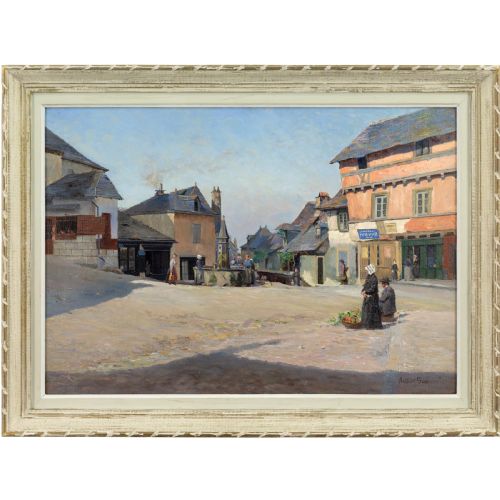
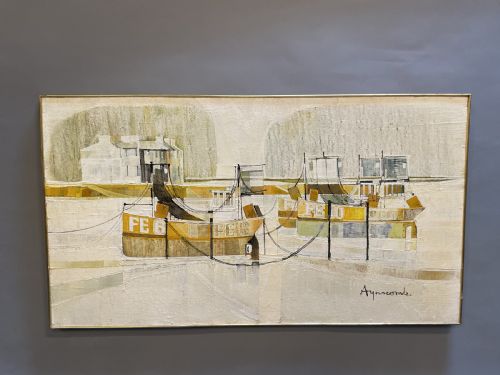
The pieces on this page comprise canvases and boards depicting landscapes, portraits, still lifes, and industrial scenes framed in wood.
The most common formats met here are mid-century oil paintings executed on board or canvas, reflecting styles from Post-Impressionism to Modern British.
How they were made
These works utilise oil paint applied to canvas, board, or wood surfaces, often finished within a supportive wood frame.
Artists employed traditional brushwork techniques ranging from plein air observation to studio composition, working across the decades from nineteen hundred to the nineteen sixties.
Original Post Sign Retail Price Guide 2026
Typical asking prices for original post sign among the pieces listed under this phrase on Sellingantiques today, from the lower quarter to the upper quarter. They describe what is for sale here now, not the wider market.
Materials recorded on this page include oil on canvas, oil on board, wood frames, and plain wood.
What varies in quality
The strength of the composition and the confidence of the brushwork distinguish the finest paintings on this page from more ordinary examples.
Provenance, such as exhibition history or retail association with houses like Liberty and Co, elevates certain works above standard decorative pieces.
Kenneth Cozens·Arthur Gué·Henri Vincent Anglade·Majorie Hoare·Sir Matthew Smith·John Gilbey Bowles·Maud Frances Eyston Sumner·A Michaelis·Antoine Bouvard·Markey Robinson·Bernard Meninsky·Alastair Flatterly·Maurice Sijs
The Original Post Sign Glossary
- Oil Paint
- A slow-drying paint made of pigment particles suspended in a drying oil, commonly linseed. It allows for rich colour blending and textured application on canvas or board.
- Post-Impressionism
- An art movement developing roughly from the eighteen eighties that extended impressionism while rejecting its limitations. Artists focused on symbolic content and vivid colours.
- Constructivism
- An artistic and architectural philosophy originating in Russia that favored art as a practice for utilitarian purposes. Works often incorporated industrial motifs and geometric structures.
- Plein Air
- The act of painting outdoors to capture the direct effects of light and atmosphere on the subject. This method became central to nineteenth and twentieth-century landscape painters.
Original Post Sign: Frequently Asked Questions
What periods do these paintings cover?
The works listed span the early twentieth century through the nineteen sixties, encompassing periods such as the nineteen thirties, nineteen forties, and nineteen fifties.
This range includes pieces created during the height of mid-century modernism and post-war artistic movements.
What materials are used in these works?
Most pieces consist of oil paint applied to canvas or board, frequently housed within a wood frame.
Some works utilise canvas stretched over wooden supports, while others use rigid board foundations.
How should I display an oil painting?
Display these works away from direct sunlight and fluctuating humidity to protect the oil paint and wood frame.
Ensure the wall fixings match the weight of the canvas and its housing.
How can I tell different painting styles apart?
Styles range from the loose brushwork of impressionism to the structured geometry of constructivism and post-war British modernism.
Examining the handling of light, subject matter, and texture helps differentiate these movements.