


Original Pencil Drawing
An original pencil drawing captures an artist's immediate touch on paper, preserving delicate line work and direct observation across centuries.
Original Pencil Drawing
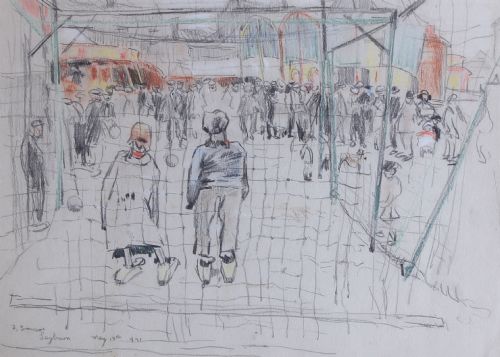
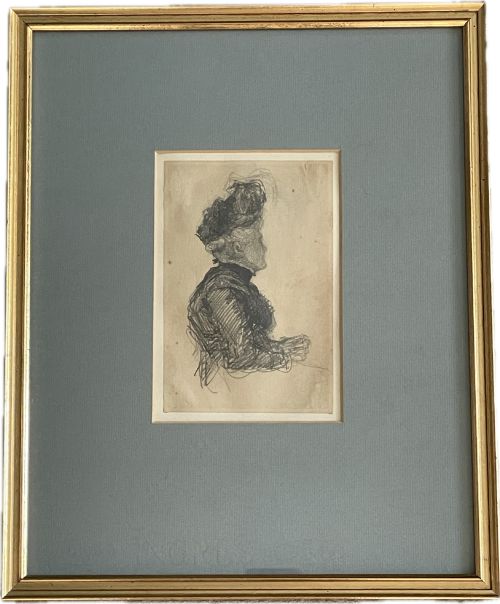
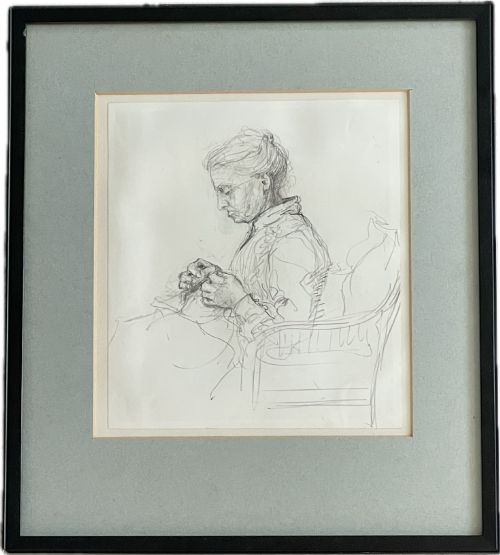
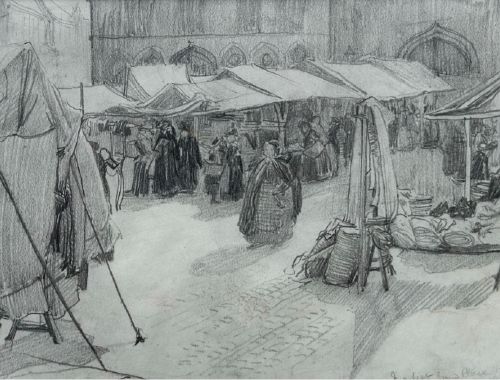
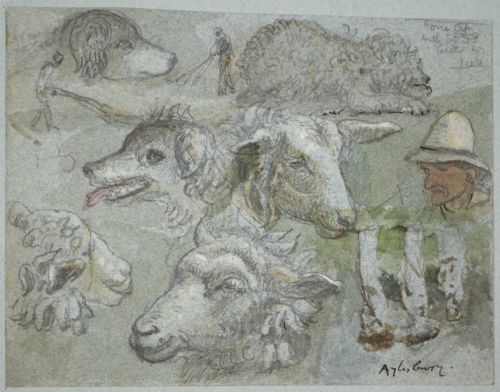
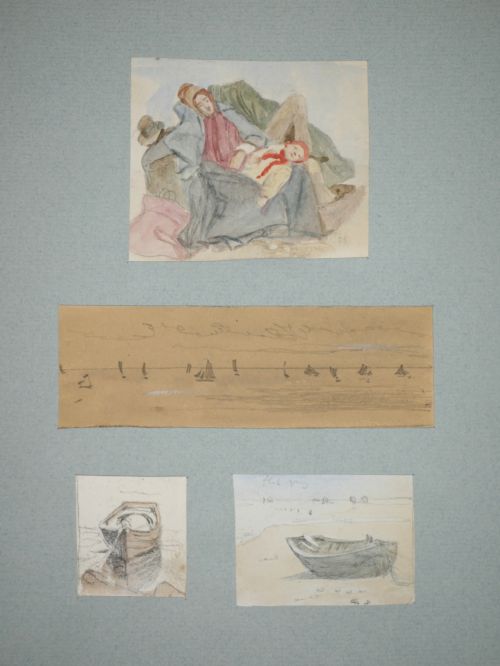
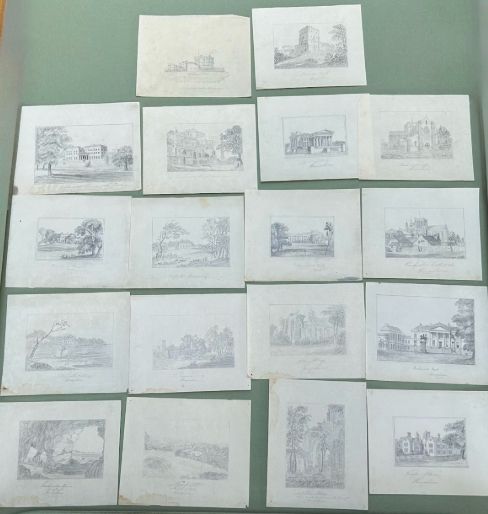
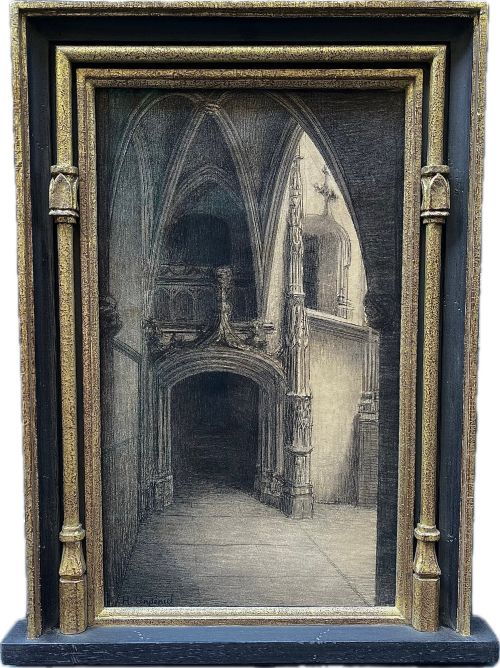
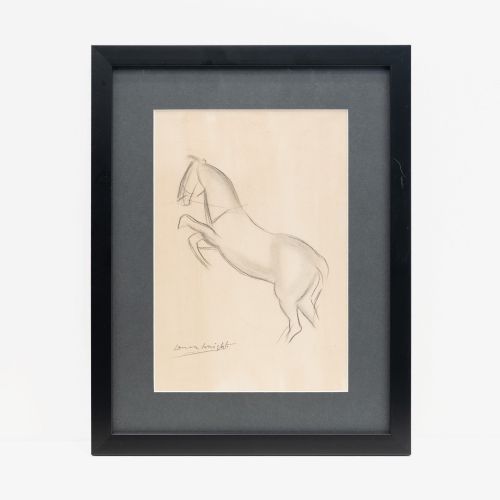
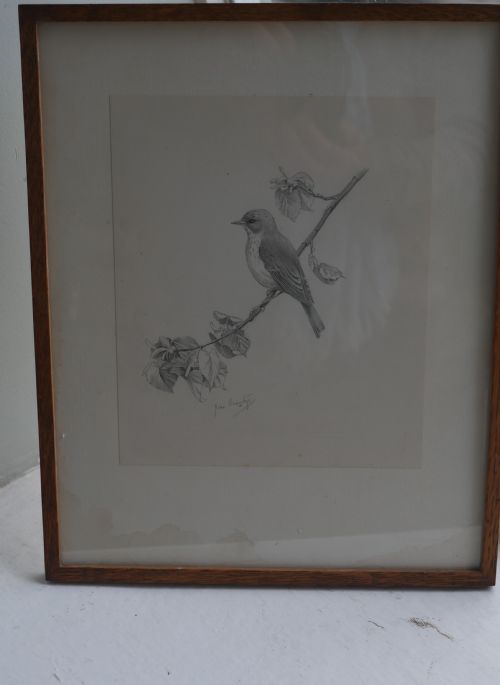
When you search for an original pencil drawing, you encounter works on paper spanning from the Georgian period through the mid-twentieth century. The selection includes portraits, architectural studies, landscapes, and figurative sketches executed by hand.
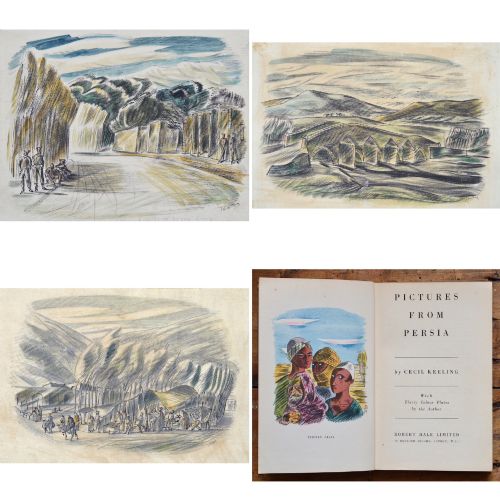
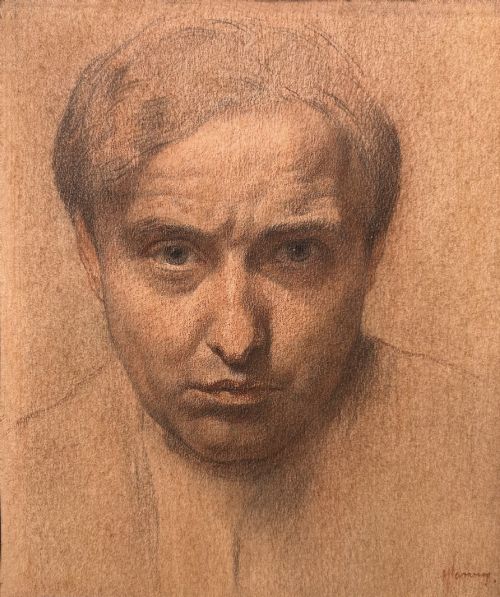
You are most likely to meet works utilising graphite, charcoal, or coloured pencil on various paper stocks, often framed for preservation and wall display. These pieces range from rapid studio studies to finished exhibition works by named artists.
Materials and techniques
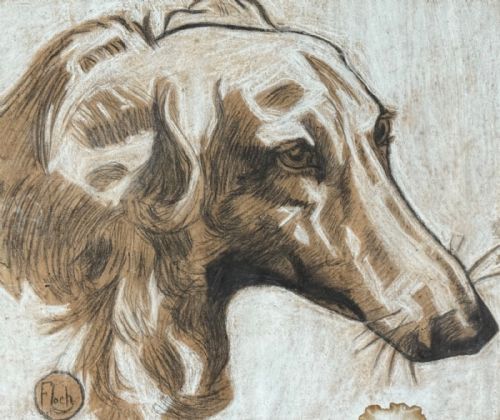
Artists create these works primarily using graphite pencil or charcoal applied directly to paper, occasionally combining chalk, ink, or watercolour wash for added tone. Support materials vary from buff paper and card to traditional woven paper stocks.
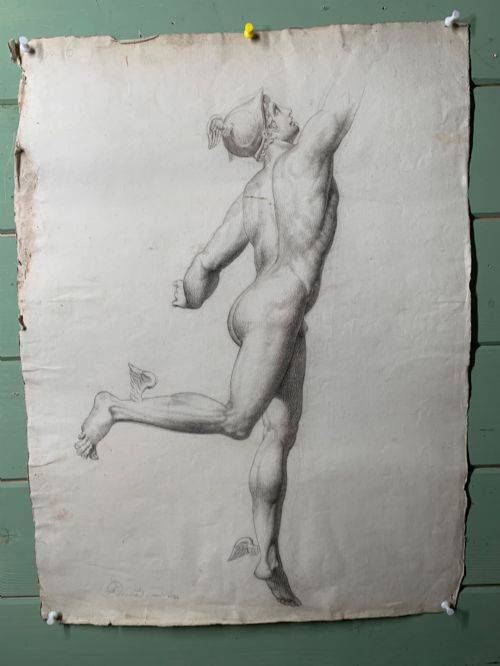
Techniques range from precise academic realism to rapid gestural sketching and avant-garde cubist mark-making. Many sheets show visible underdrawing, smudging, and tonal shading that reveal the direct hand of the draughtsman.
Original Pencil Drawing Retail Price Guide 2026
Typical asking prices for original pencil drawing among the pieces listed under this phrase on Sellingantiques today, from the lower quarter to the upper quarter. They describe what is for sale here now, not the wider market.
Listings feature works created across three centuries, spanning the Georgian, Victorian, Art Deco, and Mid-Century Modern stylistic periods.
Variations in quality
The distinction between standard works and master drawings rests upon the confidence of the line and the anatomical or spatial conviction of the draughtsmanship. Superior examples demonstrate a mastery of tone and economy of mark that bring the subject to life without hesitation.
Provenance and documentation elevate certain pieces significantly, particularly when works are linked to known exhibitions, publications, or established artists. The condition of the paper surface and the stability of the medium also govern the standing of an individual drawing.
James Smetham·Dame Laura Knight·Augustus John·J D Fergusson·Faeq Hassan
The Original Pencil Drawing Glossary
- Graphite
- A form of crystalline carbon used in pencils, producing grey or black marks when rubbed across paper. It replaced lead for artistic drawing during the sixteenth century.
- Grisaille
- A painting or drawing executed entirely in shades of grey or neutral monochrome. This technique often served as a preparatory study for larger oil compositions.
- Deux crayon
- A drawing technique utilising two distinct coloured chalks or pencils, typically black and red on tinted paper, to create immediate tonal contrast.
- Works on paper
- A collective term for artistic creations where the primary substrate is paper, encompassing drawings, watercolours, prints, and pastels.
- Provenance
- The documented history of ownership of an artwork, establishing its authenticity and lineage from the artist's studio to the present day.
Original Pencil Drawing: Frequently Asked Questions
Are these drawings preparatory studies or finished pieces?
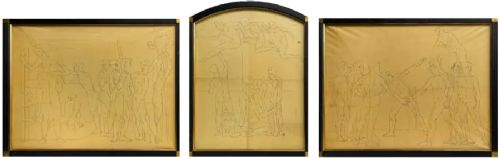
The inventory contains both rapid preparatory sketches intended for the artist's reference and highly detailed finished works meant for exhibition. Studio studies often show grid lines, annotations, or alternative compositional ideas.
Finished portrait and landscape drawings are typically signed and executed with deliberate tonal completeness, standing entirely on their own as independent artworks.
How do I identify the period of a drawing?
Dating relies heavily on the watermark in the paper stock, the framing style, and stylistic conventions associated with specific art movements. Academic realism points toward the nineteenth century, while experimental marks often suggest mid-century modernism.
Signatures, collector stamps, and old gallery labels attached to the reverse of the frame provide additional chronological markers for the work.
Can I display graphite drawings in bright rooms?
Graphite is relatively stable compared to fugitive watercolours, but prolonged exposure to direct sunlight will still fade tinted papers and discolour acidic mounts. Position these pieces on interior walls away from direct solar rays.
Maintaining stable indoor humidity prevents mould growth and stops the paper substrate from becoming brittle over time.