

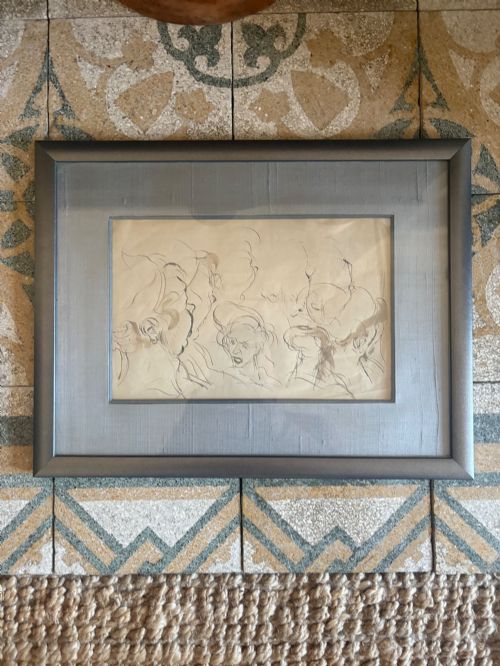


Original Pen Ink Drawing
An original pen ink drawing captures the direct touch of an artist through swift lines and permanent marks.
Original Pen Ink Drawing
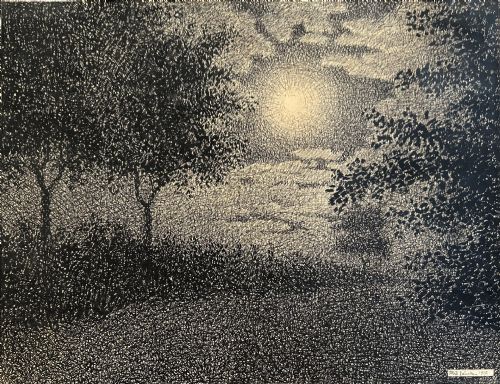
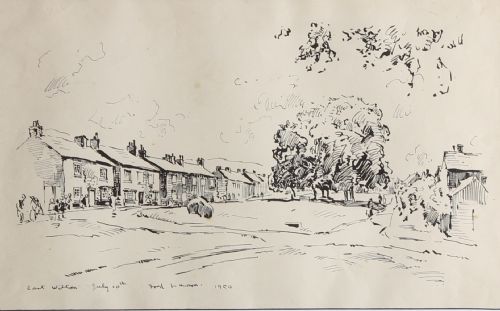
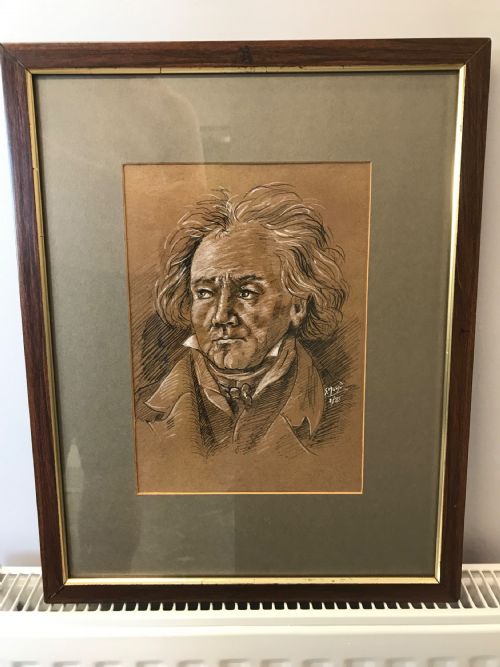
When you search for an original pen ink drawing, you encounter works spanning from the eighteenth century through the mid-twentieth century, encompassing landscapes, portraits, illustrations, and historical studies. These pieces take the form of framed artwork, book illustrations, preparatory studies, and sketchbook pages created on paper.
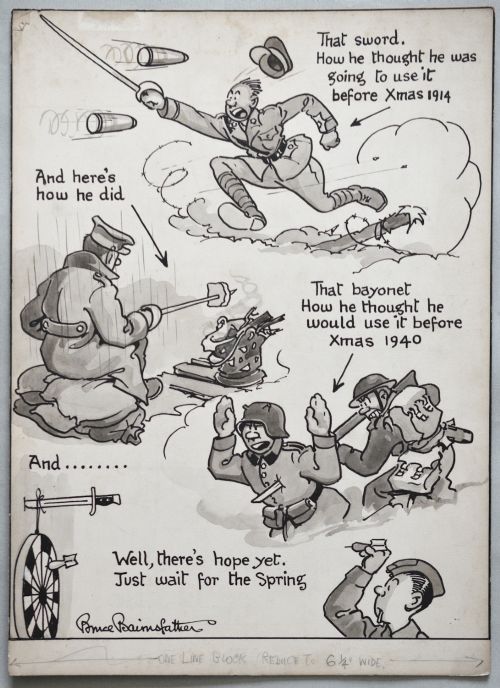
The selection includes British regional landscapes by artists such as Fred Lawson and Alfred Wainwright, alongside satirical illustrations, architectural studies, and portraiture by named figures. Most examples derive from nineteenth-century and mid-twentieth-century traditions, reflecting diverse periods from the Georgian era to the mid-century modern period.
How they were made
Artists executed these works primarily using ink applied with pens to paper supports, often incorporating wash, watercolour, or gouache to build depth and tonal variation. Many pieces are housed within wood frames and protected beneath glass.
The creation process ranges from rapid preparatory sketches made in the field to finished book illustrations and political cartoons executed with meticulous penwork.
Original Pen Ink Drawing Retail Price Guide 2026
Typical asking prices for original pen ink drawing among the pieces listed under this phrase on Sellingantiques today, from the lower quarter to the upper quarter. They describe what is for sale here now, not the wider market.
Among the ink lines, cats, clowns, battle scenes, and visiting tax inspectors stare out across the centuries.
What varies in quality
Quality in an original pen ink drawing rests on the confidence of the line and the sureness of the draughtsmanship, distinguishing hurried notebook scrawls from purposeful compositional studies. The integration of wash and watercolour to support the ink work also dictates the visual depth of the piece.
Provenance and association with named artists, authors, or published books elevate certain works above anonymous topographical records and school exercises.
Fred Lawson·Bruce Bairnsfather·William Marshall Craig·Louis Wain·Lucien Freud·Thomas Rowlandson·Lawrence Stephen Lowry·Dame Laura Knight·Harry Epworth Allen·Bert Thomas·Alfred Wainwright·John Everett Millais·John Frederick Lewis·William Paton Burton·Hugh Cameron·John Stanton Ward
The Original Pen Ink Drawing Glossary
- Wash
- A thin layer of diluted ink or watercolour applied to paper to create shadows and tonal gradations behind or over pen lines. It provides atmospheric depth in monochrome drawings.
- Gouache
- An opaque watercolour medium containing a white pigment binder, used to add solid highlights and opaque colour details to ink drawings. It sits on the surface of the paper rather than sinking in.
- Preparatory study
- A preliminary sketch or drawing made by an artist to plan a larger painting, print, or book illustration. These works record the initial working thoughts of the creator.
- Book illustration
- A drawing specifically commissioned or created to accompany text within a published volume. These pieces often feature specific literary or historical references tied to their original publication.
- Wood frame
- A protective border constructed from timber, frequently enclosing works on paper to facilitate wall display. Frames range from simple moulded sections to gilt designs.
Original Pen Ink Drawing: Frequently Asked Questions
What is an original pen ink drawing?
An original pen ink drawing is a unique work created by hand using pen and ink directly on paper, rather than a printed reproduction.
These pieces capture the immediate, unedited marks of the artist at the time of creation.
How should I frame and display my drawing?
Works on paper require conservation mounting behind glass to protect the delicate ink and paper from dust, handling, and ultraviolet light.
Keep them away from direct sunlight to prevent the ink and paper support from fading over time.
How can I tell the age of a drawing?
Age is indicated by the type of paper stock, the framing materials, handwritten inscriptions, and stylistic markers associated with specific periods like the Victorian era or mid-century.
Signatures, dates, and documented provenance in artist records also help establish the exact timeframe.
Were these drawings meant as finished art?
Some drawings were created as independent finished works for exhibition, while others served as preparatory studies or illustrations for books and newspapers.
Both finished compositions and working sketches offer direct insight into the working methods of the artist.