





Monochrome Wash Illustration Artwork
Monochrome wash illustration artwork offers a disciplined study in tone, capturing narrative, landscape, and portraiture through ink and pigment on paper.
Monochrome Wash Illustration Artwork
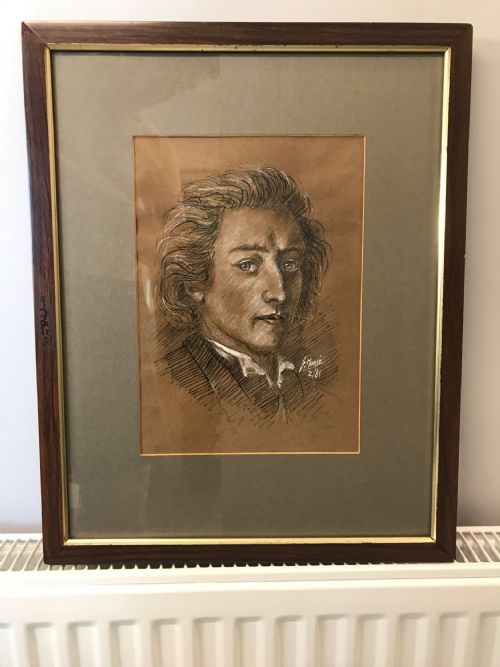
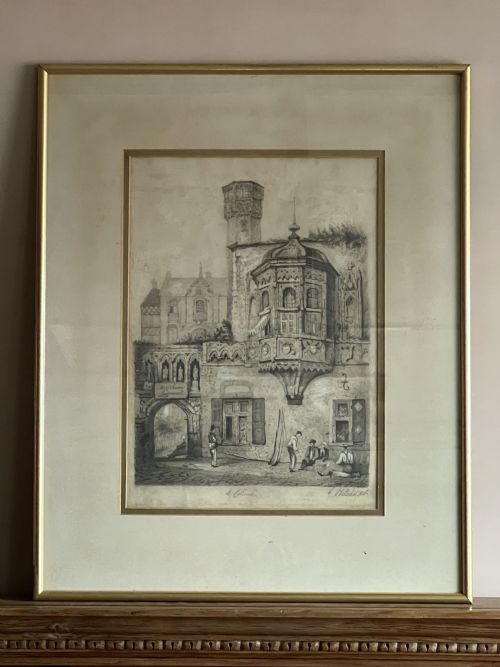
Monochrome wash illustration artwork spans several centuries of paper-based imagery, encompassing original drawings, paintings, and satirical sketches. When exploring monochrome wash illustration artwork, buyers encounter framed pieces created with ink, wash, and gouache.
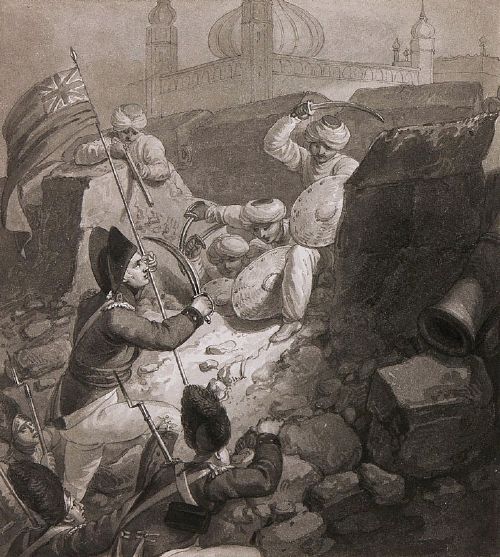
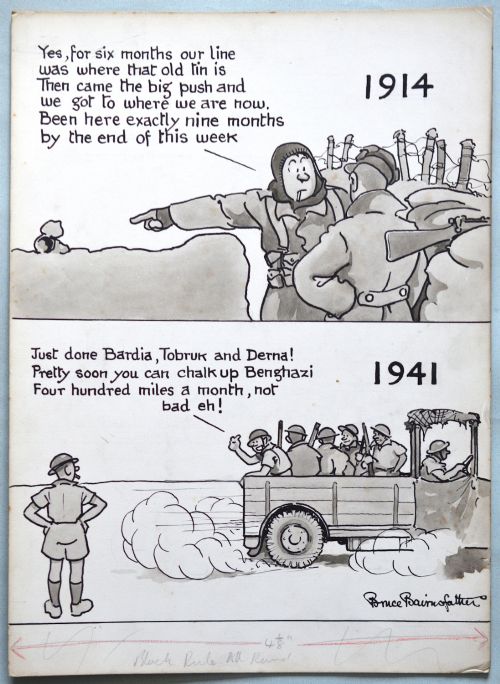
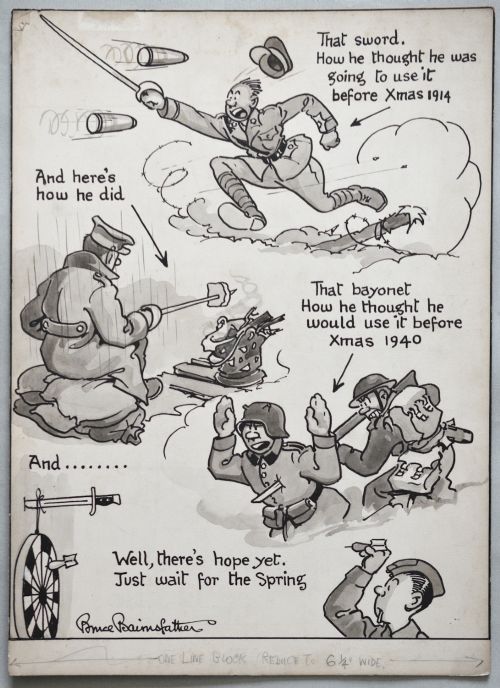
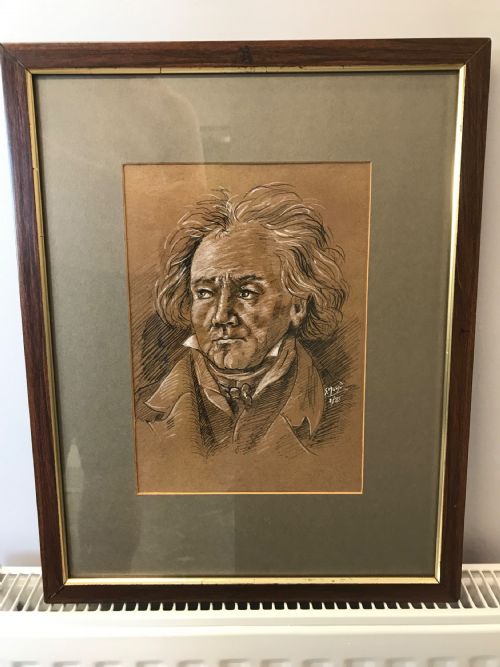
The selection ranges from eighteenth-century topographical scenes and battle depictions to twentieth-century satirical illustration. These works capture historical subjects, literary moments, and portraits framed behind glass in wood frames.
How they were made
Makers utilised pen and ink to establish the primary linework, defining the structure of figures, architecture, and landscapes on paper. Artists then applied fluid washes to build depth, shadow, and atmospheric tone.
Gouache and watercolour occasionally supplement the ink and wash to accentuate highlights or introduce subtle colour variations. These finished compositions are secured within wood frames, often protected beneath glass.
Monochrome Wash Illustration Artwork Retail Price Guide 2026
Typical asking prices for monochrome wash illustration artwork among the pieces listed under this phrase on Sellingantiques today, from the lower quarter to the upper quarter. They describe what is for sale here now, not the wider market.
Several artists clearly enjoyed sketching famous composers and military skirmishes with the exact same bottle of ink.
What varies in quality
The distinction between ordinary and exceptional works rests upon the surety of the draughtsmanship and the control of the tonal wash. Masterful ink application creates immediate vitality, whereas lesser examples rely on stiff lines and muddy gradients.
Condition of the paper and the preservation of the delicate ink and wash pigments dictate the visual integrity of the piece over time. Original framing and attribution to recorded artists further influence the standing of an individual artwork.
Bruce Bairnsfather·William Marshall Craig·Edward Dayes·William J Hodgson·Peter Tillemans
The Monochrome Wash Illustration Artwork Glossary
- Wash
- A diluted layer of ink or watercolour applied thinly across paper to create tone and shadow. This technique allows artists to establish depth without relying heavily on colour.
- Gouache
- An opaque water-based paint featuring a heavier pigment load than standard watercolour. Artists employ it for bright highlights and solid opaque areas within an ink drawing.
- Topographical
- A style of drawing or painting focused on the accurate depiction of specific places, buildings, or landscapes. These works often serve as historical records of particular regions.
- Caricature
- A rendered portrait or scene that exaggerates characteristics for satirical or humorous effect. Such pieces frequently comment on social or political events of their period.
Monochrome Wash Illustration Artwork: Frequently Asked Questions
How do I care for monochrome wash artwork?
Paper and ink are sensitive to direct sunlight, which can fade pigments and discolour the paper support over decades. Displaying pieces away from bright windows and using UV-filtering glass helps preserve them.
Humidity fluctuations also threaten works on paper, causing warping or encouraging foxing spots. Keeping them in stable, moderate indoor environments prevents long-term degradation.
What subjects appear in these drawings?
The subjects range widely across historical periods, including military battles, sweeping landscapes, architectural panoramas, and character studies of composers. Satirical illustrations also document social commentary from the twentieth century.
Artists frequently recorded specific topographical locations, such as the English Lake District or German towns, providing documentary value alongside artistic merit.
How are these artworks framed?
Most pieces are presented in wood frames, often accompanied by protective glass to shield the fragile paper surface from dust and physical contact. The framing materials often reflect the period of the artwork or a later nineteenth-century mounting style.
Buyers should examine whether the frame is contemporary to the drawing or a later replacement chosen for display purposes.
Can I identify the period from the style?
Stylistic shifts help distinguish eighteenth-century topographical precision from Victorian narrative realism and twentieth-century satirical approaches. Eighteenth-century works often focus on classical composition and fine penwork.
Later Victorian and twentieth-century examples frequently exhibit freer brushwork and bolder tonal contrasts, aligning with contemporary illustration standards of their respective decades.