




Original Pastel Portrait
An original pastel portrait brings directness and pigment to the wall, capturing faces, animals and figures across the twentieth century.
Original Pastel Portrait
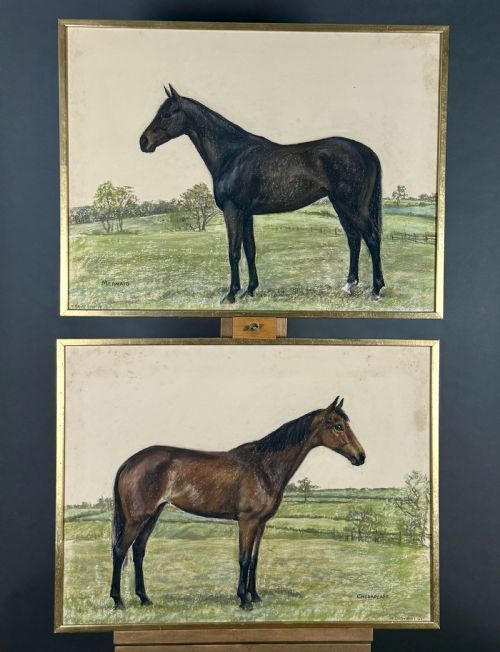
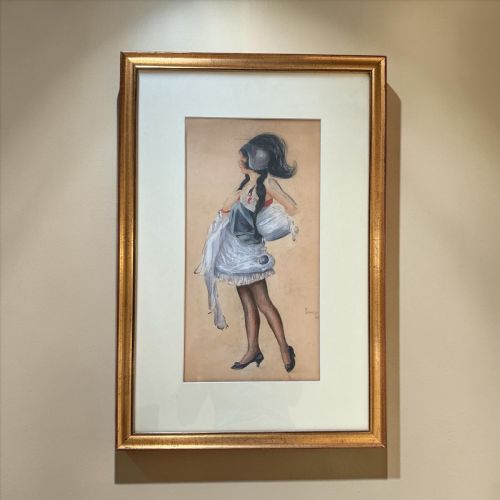
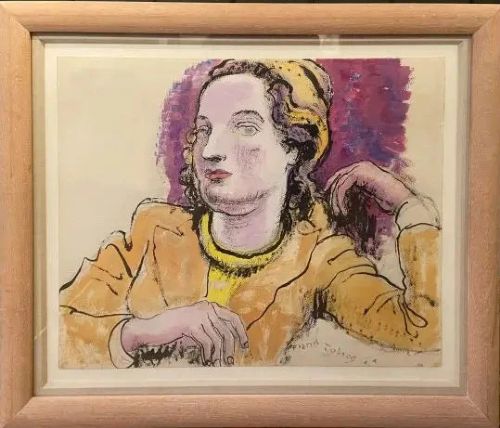
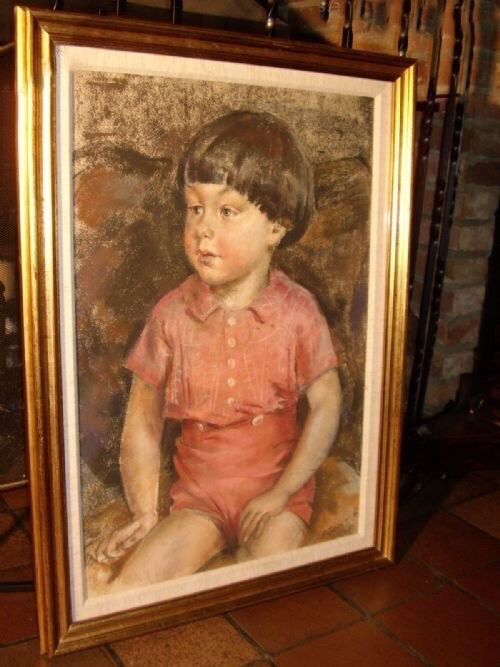
An original pastel portrait captures human and animal subjects across periods ranging from Victorian times through the nineteenth century and into the 1960s. These works appear in diverse forms such as framed portrait paintings, fine art and wall art.
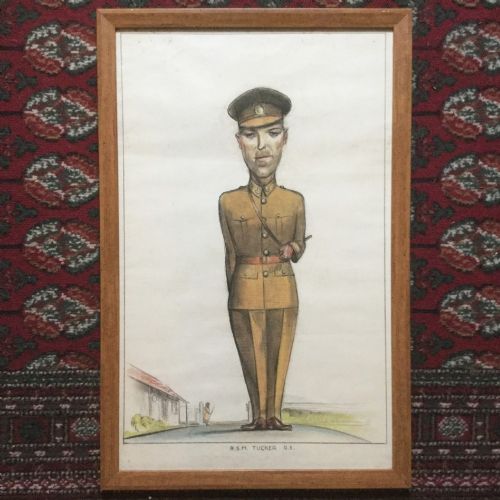
The buyer most frequently meets works executed on paper, often framed behind glass with wood or gilt wood surrounds. Subjects span military officers, young ladies, gentlemen, children and domestic animals like cats and dogs.
Styles represented run from traditional realism and the English school to modern British, art deco and mid-century modern. Pieces range from intimate sketches to large statement works.
How they were made
Artists utilise pastel pigment applied directly to paper, occasionally combining the medium with gouache or watercolour for added depth and line. The powdery nature of pastel requires protection under glass to preserve the delicate surface marks.
Works are typically housed in wooden frames, including giltwood mouldings that complement the period of execution. Framing methods from the Victorian era onwards keep the friable pigment secure from atmospheric moisture and touch.
Original Pastel Portrait Retail Price Guide 2026
Typical asking prices for original pastel portrait among the pieces listed under this phrase on Sellingantiques today, from the lower quarter to the upper quarter. They describe what is for sale here now, not the wider market.
Listings feature works spanning from the Victorian era and 19th Century through the 1910s, 1930s, 1940s, 1950s and 1960s.
What varies in quality
Quality rests upon the sureness of the draughtsmanship and the artist's ability to render character and form with pigment. Stronger pieces display confident handling of line and tone, whether depicting a human subject or an animal study.
The integration of the frame contributes to the overall presentation, with period gilt wood surrounds enhancing the visual weight of the artwork. Condition of the paper and the stability of the pastel pigment under glass also define the standing of each piece.
Herskind·Frank Dobson·J.A.Grant·Emily Eyres·Arthur Todd·Aubrey Sykes·Josiah Gilbert·Gaston Bouy
The Original Pastel Portrait Glossary
- Pastel
- A dry medium composed of powdered pigment and a binder, pressed into sticks for drawing. It produces rich, velvety surfaces with luminous colour.
- Gouache
- An opaque water-based paint frequently used alongside pastel to add solid highlights and opaque areas of tone. It provides sharp contrast to soft pigment.
- Gilt Wood
- Wood carved and coated with a thin layer of gold leaf or metallic paint. It frames many traditional and mid-century works.
- English School
- A classification for artists working within British artistic traditions across various centuries. It groups domestic portraiture and landscape styles.
Original Pastel Portrait: Frequently Asked Questions
How do I hang an original pastel portrait?
Hang the artwork away from direct sunlight to prevent the pigment from fading over time. Ensure the wall is dry and stable.
Keep the piece behind its protective glass and use secure picture wire rated for the weight of the wood frame.
Are pastels drawn on paper fragile?
Pastel pigment sits loosely on the paper surface without heavy liquid binders, making the medium inherently delicate. Movement can dislodge microscopic particles.
For this reason, pieces remain sealed under glass within their original frames to protect the surface from disturbance.
What periods do these portraits cover?
The selection spans from Victorian and nineteenth-century examples through Edwardian times and into the mid-twentieth century. Works date across the decades up to the 1960s.
Each period brings distinct framing choices and aesthetic movements, from traditional realism to modern British styles.
Can I find animal subjects in pastel?
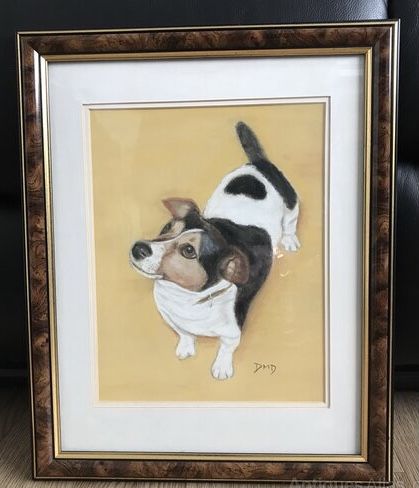
Artists frequently turned their pastel sticks to animals, producing studies of horses, dogs and cats alongside human portraits. These range from working livestock to household pets.
Such works utilise the same paper supports and framing techniques as human portraits from the same eras.