
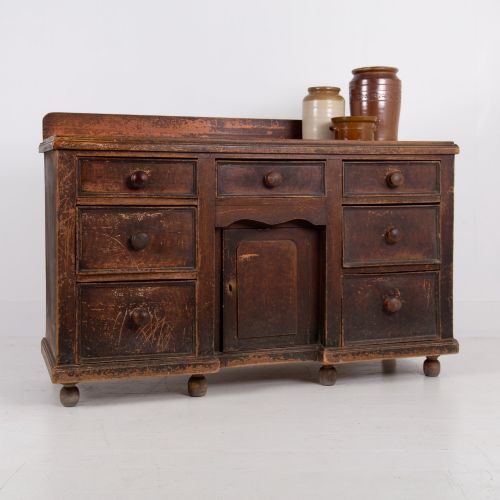
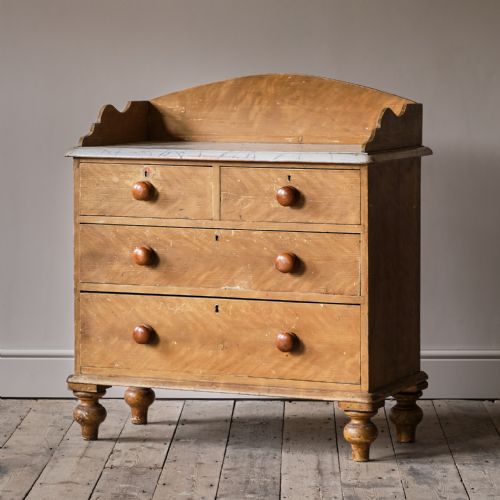
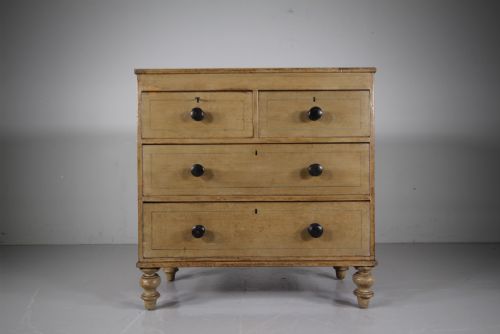
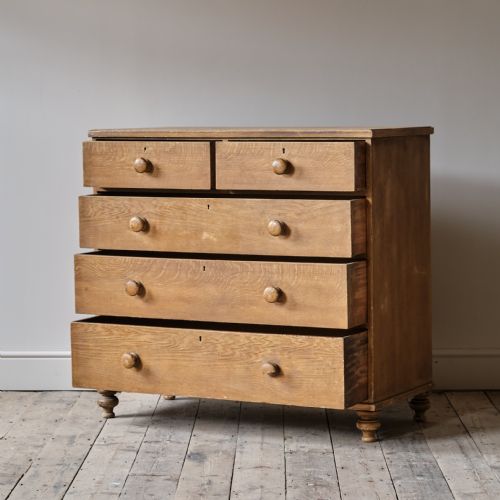
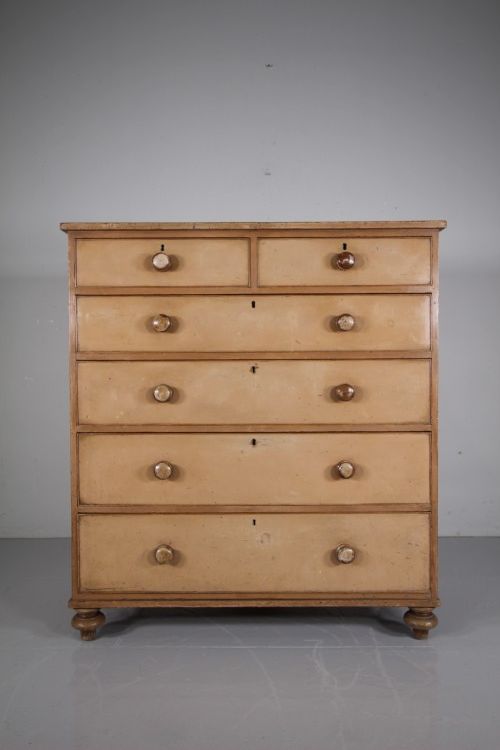
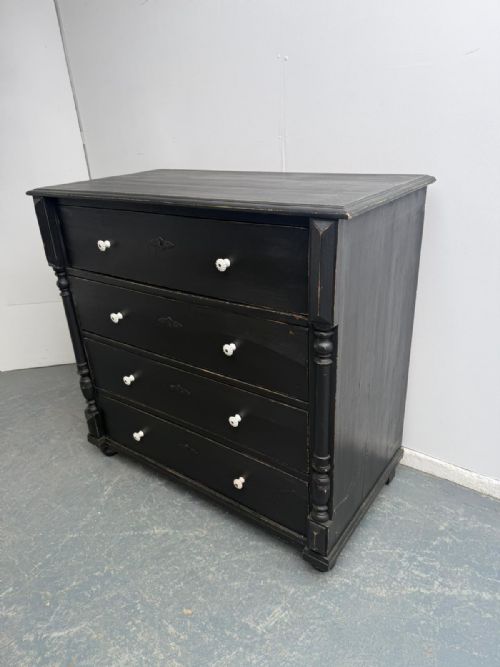
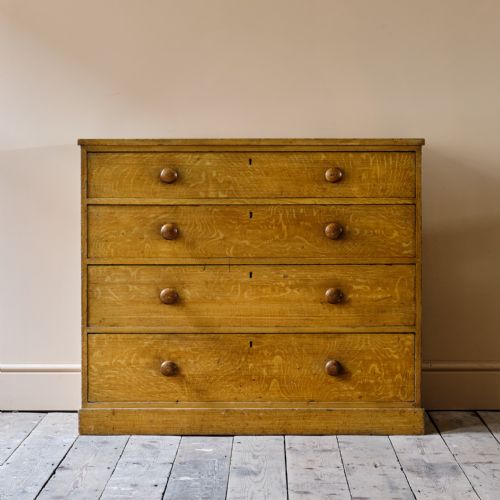

Original Paint Dresser
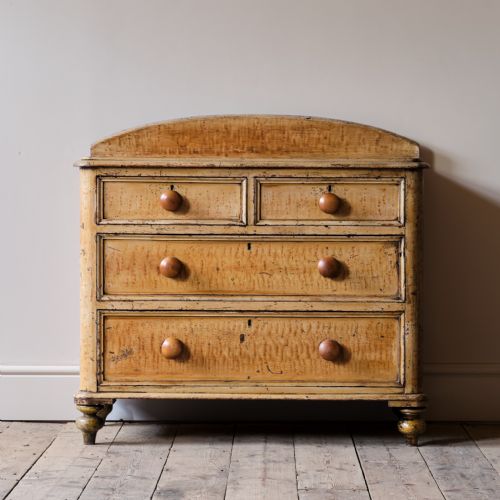
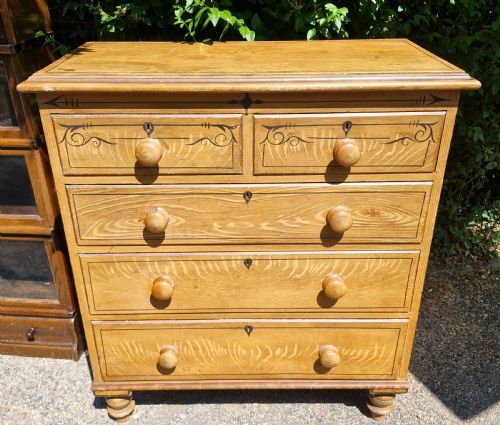
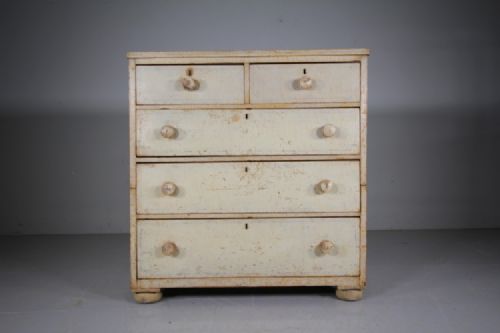
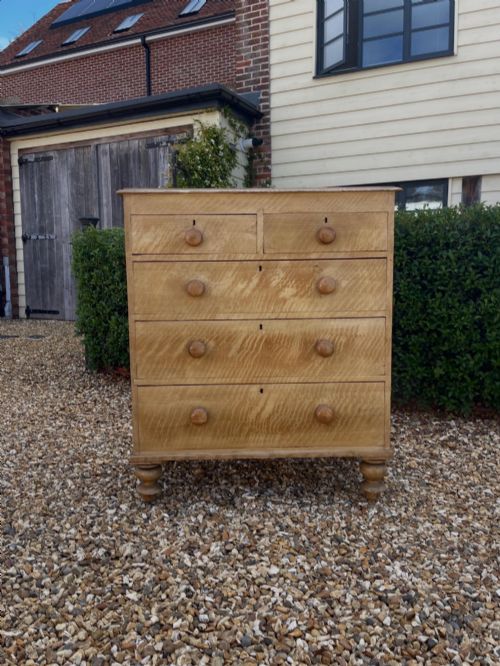
An original paint dresser brings unvarnished domestic history into a room, offering practical storage wrapped in layers of surviving historic colour.
Original Paint Dresser
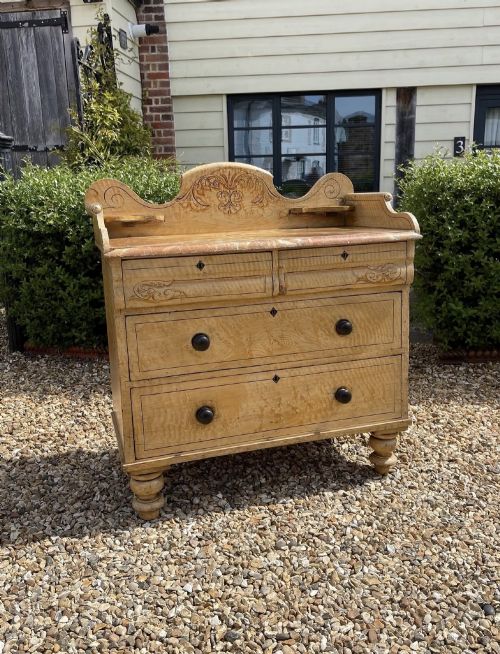
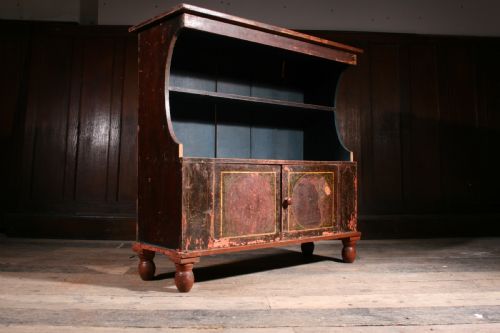
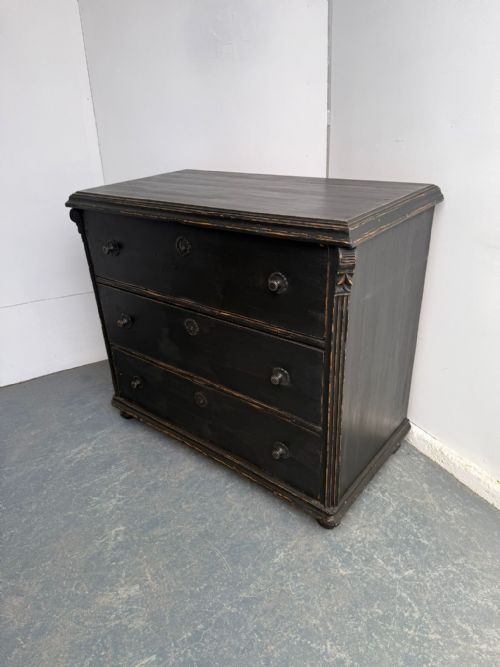
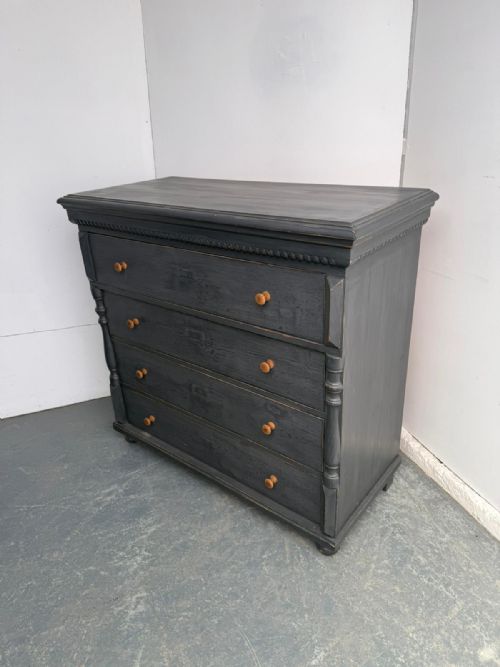
An original paint dresser represents domestic utility from the eighteenth, nineteenth and early twentieth centuries, spanning kitchen dressers, Welsh dressers, housekeeper cupboards and chests of drawers. You will frequently encounter pine carcasses carrying surviving surface layers applied decades or centuries ago.
The form stretches from compact two-piece kitchen units to large sideboard bases and tall bookcases, originating from English, Welsh, Scottish, Irish, French, Italian, Austrian, Swedish and Hungarian workshops. These items served functional storage roles in country houses, farmhouses and town dwellings alike.
Surviving examples display regional traits, such as West Country dresser bases or Cumbrian and Tregaron regional builds, often retained in domestic settings where surfaces escaped later stripping. The selection balances open dresser bases with enclosed cupboards and drawer configurations.
Materials and construction
Makers relied primarily on solid pine and regional softwoods or hardwoods, building carcases with pegged joints, dovetail drawers and solid backs. Iron and brass hardware, including drop handles and escutcheons, fastened doors and drawers.
Surfaces received lead-based or oil paints, sometimes layered over time or scumbled to imitate finer timbers like mulberry. Glazed doors incorporated hand-blown glass panes secured with wooden glazing bars within sturdy frames.
Listings feature pine and painted wood constructions across the eighteenth and nineteenth centuries, including regional English, Welsh, Scottish, Irish, French and Hungarian origins.
Distinguishing quality
The integrity of the surface coating dictates character, separating undisturbed early pigment layers from later decorative embellishments or heavy touch-ups. Original pigment retention preserves the authentic texture of historic domestic wear.
Proportional balance and regional joinery skill define the architecture of the piece, from the weight of the cornice to the depth of the drawer linings. Unaltered structural survival without major timber replacement commands attention.
The Original Paint Dresser Glossary
- Scumbled
- A decorative painting technique where a translucent top coat is manipulated over a lighter base to simulate grain. This creates a textured, mottled appearance resembling timber.
- Potboard
- An open lower shelf on a dresser base designed for storing pots and heavy kitchenware. It sits just above the floor between the feet or legs.
- Dresser base
- The lower portion of a kitchen dresser featuring cupboards and drawers without the upper plate rack. These units functioned as independent sideboards.
- Cornice
- The moulded projection that crowns the top of a tall cupboard or dresser. It provides architectural termination to the upper section.
- Escutcheon
- A protective plate surrounding a keyhole, usually fashioned from brass or iron. It prevents the surrounding wood from wearing down through repeated use of the key.
Original Paint Dresser: Frequently Asked Questions
How do I clean an original painted surface?
Dust gently with a dry, soft cloth, avoiding commercial polish, water, and chemical solvents that might soften historic paint layers.
Test any conservation cleaning on an inconspicuous area first, or consult a professional restorer if the pigment is flaking.
How can I tell if the paint is original?
Examine the surface under magnification to check for microscopic crackle, wear patterns consistent with age, and lack of modern primer underneath.
Look for consistent oxidation across the entire carcase and signs that the hardware was fitted before the final paint layers dried.
What is the difference between a dresser base and a full dresser?
A dresser base consists solely of the lower cupboard or drawer unit, functioning similarly to a heavy sideboard.
A full dresser includes an upper plate rack or superstructure designed for displaying ceramic tableware and platters.