
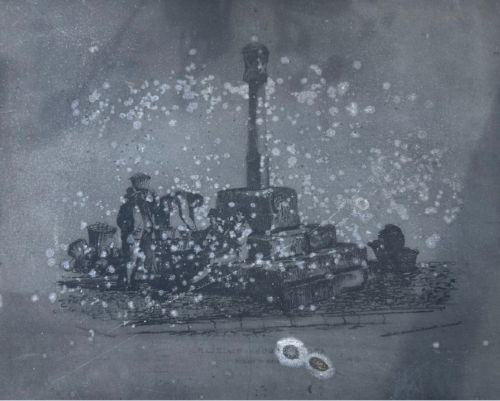
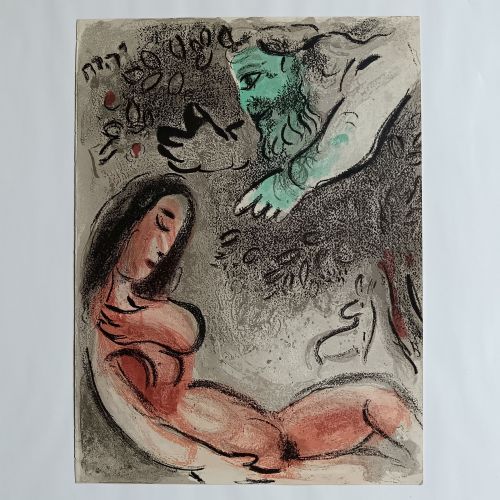
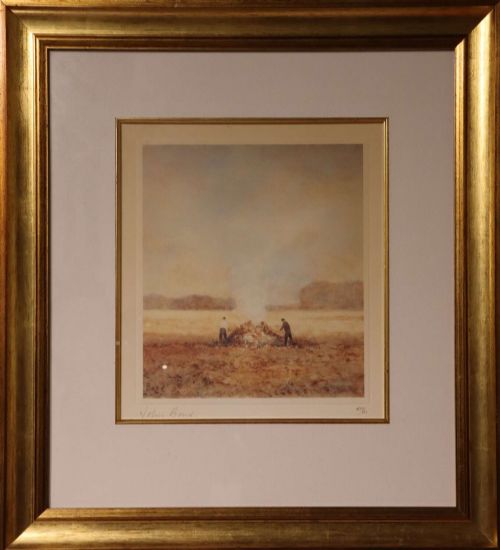
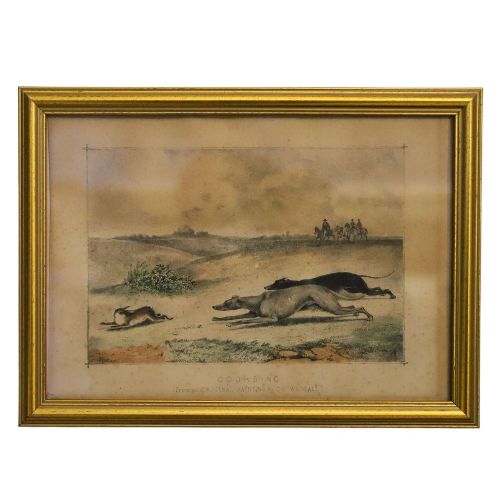
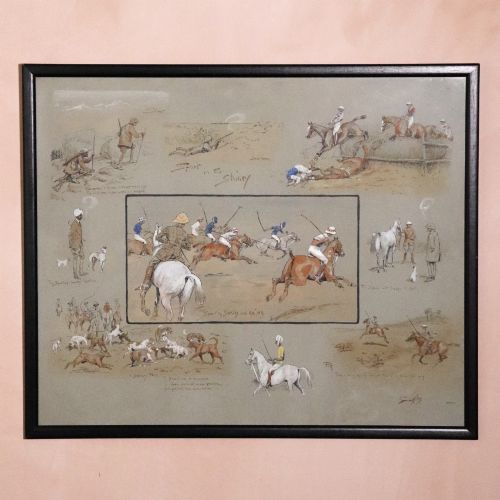
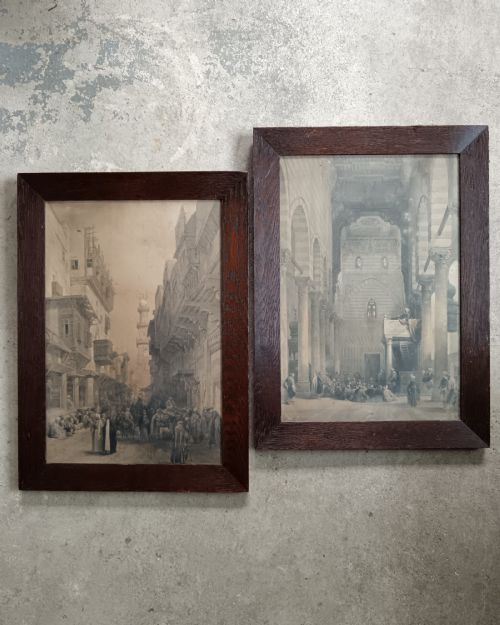
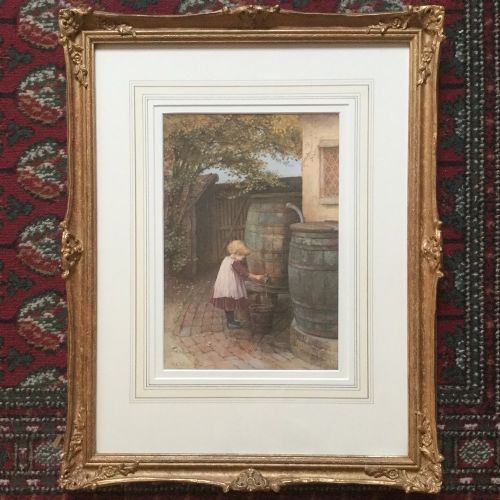
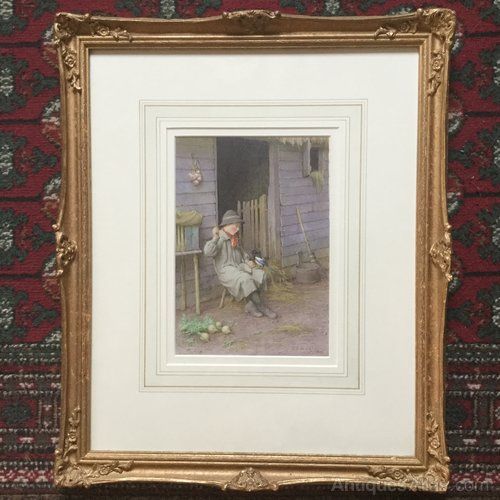



Original Lithograph Print
These original lithograph print pieces offer remarkable graphic quality, combining period ink and paper to suit any discerning collector.
Original Lithograph Print
When you search for an original lithograph print, you are looking at works produced across the nineteenth and twentieth centuries, spanning periods from Victorian and Edwardian to Mid-Century Modern. These pieces include framed wall art, advertising posters, book illustrations, maps, and printing plates.
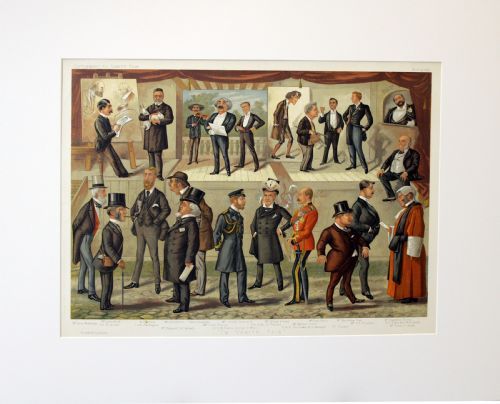
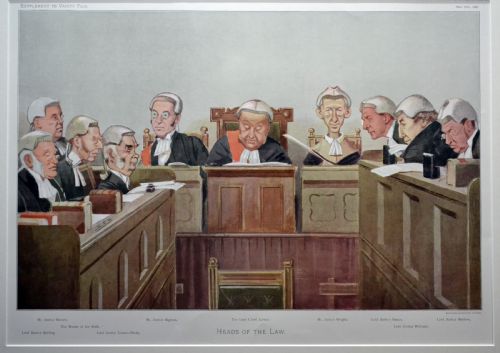
You are most likely to encounter framed prints and works by named artists or publishers such as Vanity Fair and Snaffles. The selection ranges from early nineteenth-century sporting scenes and topographical views to mid-century modern compositions and wartime documentation.
How they were made
The production relies on lithographic ink applied to paper, sometimes augmented with charcoal or metal plates in specialised applications. Makers utilised stone or metal matrices to transfer the design.
Framing frequently incorporates wood, glass, and gilt wood, preserving the delicate paper surfaces against environmental damage while maintaining period integrity.
Listings feature paper, glass, wood, ink, lithographic ink, gilt wood, charcoal, and metal across multiple centuries.
What varies in quality
Quality rests upon the crispness of the ink impression and the preservation of the paper substrate. Early pulls and signed limited editions demonstrate superior tonal range compared to later or posthumous impressions.
The survival of original framing, such as maker-stamped frames, and the absence of heavy foxing or fading elevate certain examples above standard decorative specimens.
Marc Chagall·David Roberts·Charles Edward Wilson·Snaffles·Sir Muirhead Bone
The Original Lithograph Print Glossary
- Chromolithograph
- A colour lithograph produced using multiple stones or plates, one for each colour, resulting in a rich chromatic image.
- Lithographic Ink
- A greasy ink used on the printing surface to attract the printing ink and repel water during the planographic printing process.
- Printing Plate
- The flat metal or stone surface bearing the image used in the press to transfer ink onto paper.
- Double-Page Format
- A large sheet printed across two pages, commonly found in periodicals like Vanity Fair and unfolded for framing.
Original Lithograph Print: Frequently Asked Questions
How do I identify an original lithograph from a reproduction?
Examine the ink surface under magnification to check for the distinct absence of a modern dot matrix pattern. Original lithographs show flat, uniform ink absorption into the paper fibres rather than tiny mechanical dots.
Look closely at the margins and plate impressions where applicable. Period printing often exhibits subtle tonal gradations and plate signatures characteristic of hand-drawn work.
How should I frame and display my print?
Keep prints away from direct sunlight to prevent the fading of ink and yellowing of paper. Use conservation-grade mounts that prevent the paper from touching the glass directly.
Ensure the backboard is acid-free and seal the frame properly against moisture. Professional framing preserves the structural integrity of nineteenth and twentieth-century paper.
What is a Vanity Fair supplement print?
Vanity Fair supplements were weekly satirical portraits published during the Victorian and Edwardian eras. They feature prominent public figures captured by caricaturists working under pseudonyms like Spy.
These chromolithographs were bound into periodicals and are now frequently collected unfolded. They document the legal, theatrical, and political figures of the period with distinct graphic flair.