





Original Line Art
Original line art brings direct hand-drawn draftsmanship into a room, offering intimate ink and wash studies across several centuries.
Original Line Art
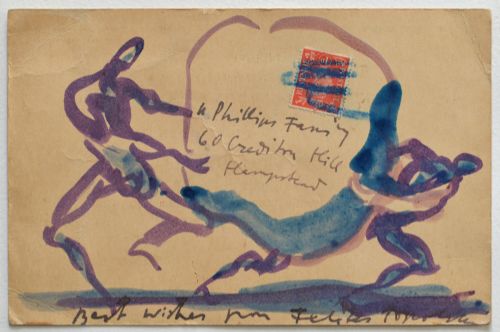
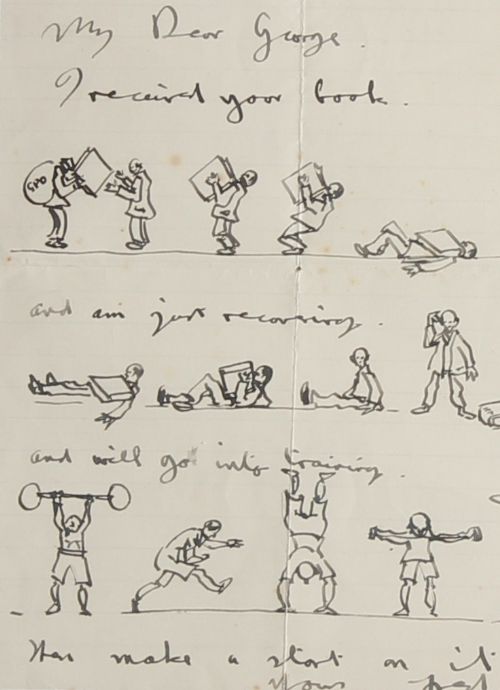
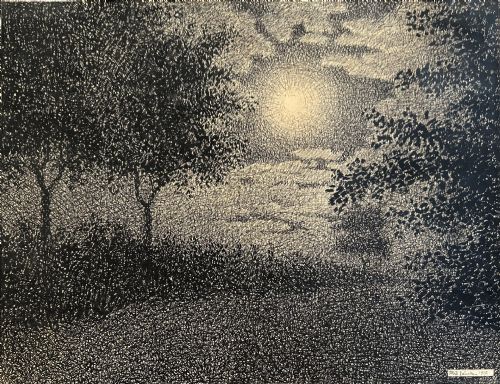
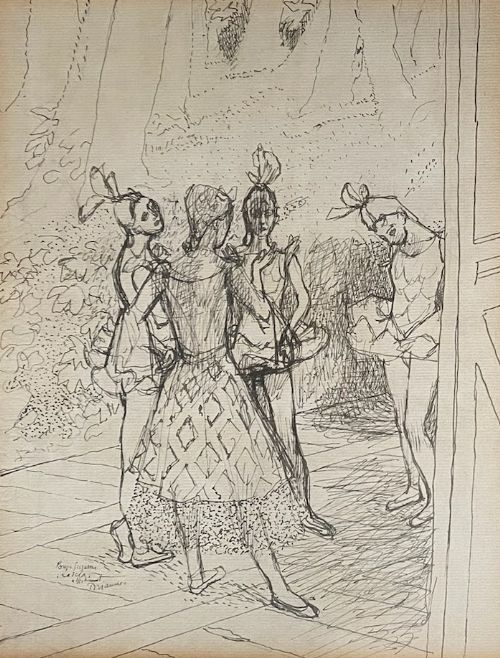
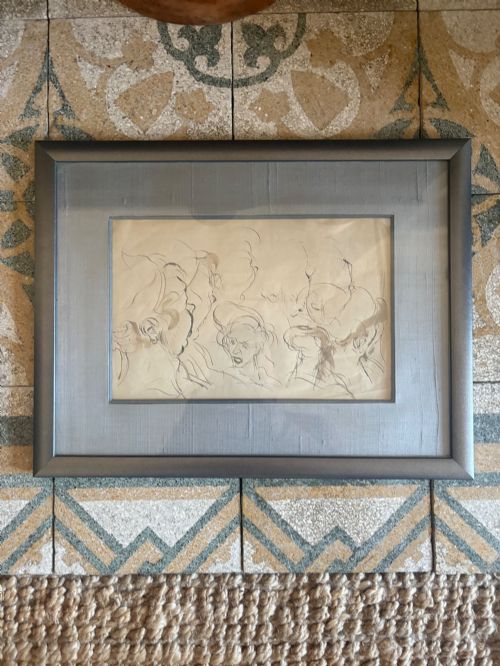
Original line art comprises unique hand-drawn pieces executed predominantly in ink, pen, or wash on paper rather than printed reproductions. When searching for original line art, buyers encounter varied subjects including architectural sketches, theatrical figures, botanical still lifes, and detailed landscapes.
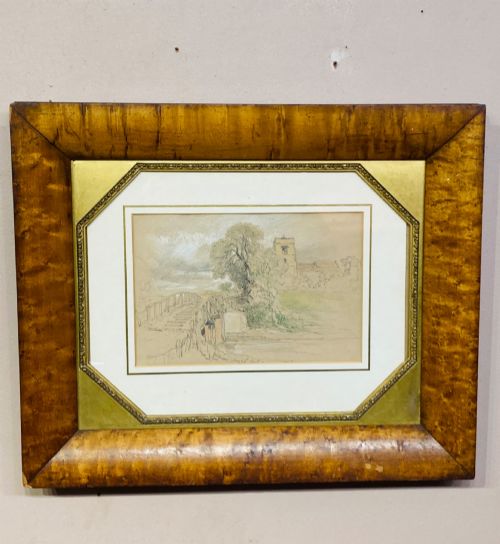
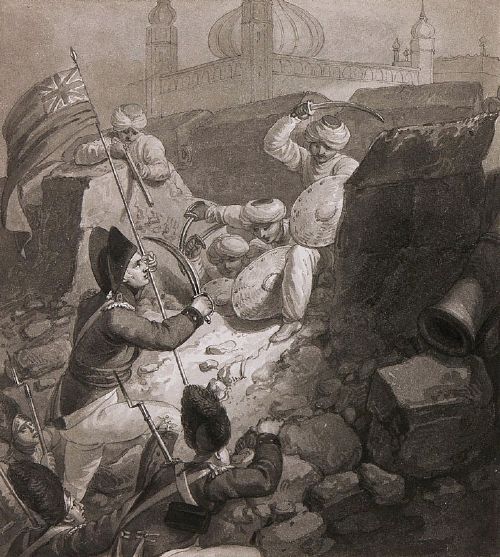
The selections span distinct periods ranging from eighteenth-century topographical wash drawings and nineteenth-century theatrical studies to mid-century British and European ink sketches. Works on paper dominate the selection, frequently presented framed behind glass in traditional wood or gilt mouldings.
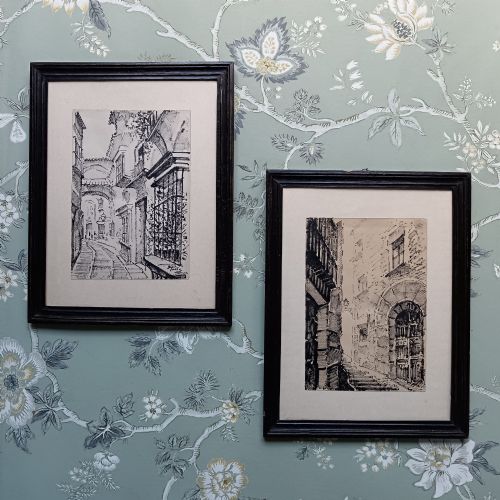
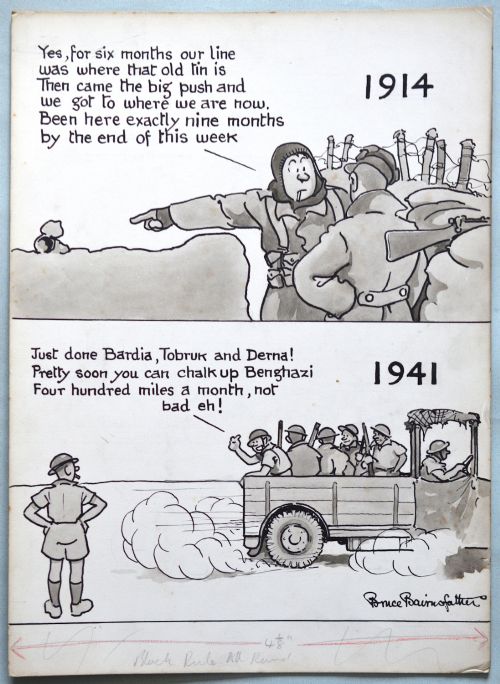
Mid-century modern architectural drawings, twentieth-century illustrative sketches, and Victorian church studies represent the core aesthetic varieties found in this category. Each piece preserves the immediate gesture of the draughtsman's pen without the mediation of a printing press.
How they were made
Artists relied primarily on paper supports, applying black or coloured ink using traditional metal nibs, quills, or fine brushes to establish crisp contours and tonal variations. Watercolour and wash were frequently layered over the foundational ink lines to introduce subtle depth and shadow.
Framing materials typically incorporate timber mouldings, often embellished with gilt finishes and protected by glass to shield the delicate paper surfaces from environmental degradation. Preparatory studies and finished drawings alike reveal the direct interplay of ink and paper characteristic of these historic works.
Original Line Art Retail Price Guide 2026
Typical asking prices for original line art among the pieces listed under this phrase on Sellingantiques today, from the lower quarter to the upper quarter. They describe what is for sale here now, not the wider market.
Current listings feature pieces spanning the eighteenth century through to the mid-twentieth century, utilising ink, wash, and watercolour on paper.
What varies in quality
The strength and confidence of the draughtsmanship dictate the visual impact of each drawing, distinguishing tentative academic exercises from assured compositional studies. The economy of line and the precision of the ink application reveal the underlying skill of the artist.
Paper preservation and the integrity of the medium heavily influence desirability, where clean sheets without excessive acidification or fading retain greater visual clarity. Original framing, period provenance, and documented artist attributions further elevate individual works within the broader spectrum.
Henry Lines·John Horwood·Fred Lawson·Bruce Bairnsfather·William Marshall Craig·Maurice Brianchon·James Tower·Alfred Dehodencq·John Merrifield·Lucien Freud·John Duncan Fergusson
The Original Line Art Glossary
- Wash
- A thin, transparent layer of diluted ink or watercolour applied with a brush to create tonal gradations and shadows behind linear ink work.
- Preparatory study
- A preliminary drawing executed by an artist to plan a larger composition, capture anatomical details, or test spatial arrangements before beginning a final painting.
- Works on paper
- A collective term encompassing drawings, watercolours, prints, and ink studies executed on a paper support rather than canvas or panel.
- Gilt frame
- A wooden picture frame coated with gold leaf or metallic paint, frequently utilised during the Victorian and nineteenth-century periods to accentuate framed artworks.
Original Line Art: Frequently Asked Questions
How should I display original line art safely?
Keep drawings away from direct sunlight to prevent the ink and paper from fading over time. Maintaining stable indoor humidity prevents the paper support from warping within its frame.
Ensure that framing utilises acid-free backing materials to protect the historic paper from chemical degradation. Professional conservation framing preserves the long-term stability of delicate nineteenth-century and mid-century works.
What is the difference between a study and a finished drawing?
A preparatory study is typically created to work out compositional problems, lighting, or anatomy before executing a larger painting or formal piece. These works often show visible corrections, grid lines, and energetic hatching.
Finished drawings are executed as independent artworks intended for exhibition or collection. They exhibit resolved compositions and a higher degree of polished detail across the paper.
How do I identify the period of an ink drawing?
Paper characteristics, watermark evidence, and framing styles often provide primary clues to the era in which a drawing was produced. Stylistic conventions of the clothing, architecture, and lettering within the image also point toward specific decades like the Edwardian era or mid-century modern period.
Signatures, inscriptions, and artist biographies help anchor the work to a precise timeline. Comparing handling techniques with documented works from the same school clarifies the likely period.
Are ink drawings fragile compared to oil paintings?
Paper supports are inherently more sensitive to light, moisture, and physical handling than oil paint on canvas or wooden panels. Consequently, works on paper require protective glass and careful environmental control to endure.
Despite this sensitivity, properly framed ink drawings remain remarkably stable over centuries if kept away from damp conditions. The iron gall or carbon inks used historically bind securely to quality rag paper.