

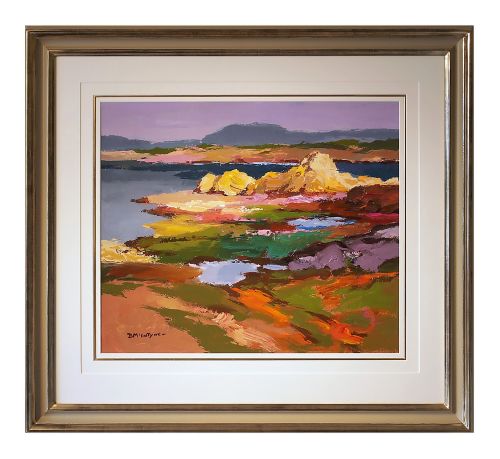
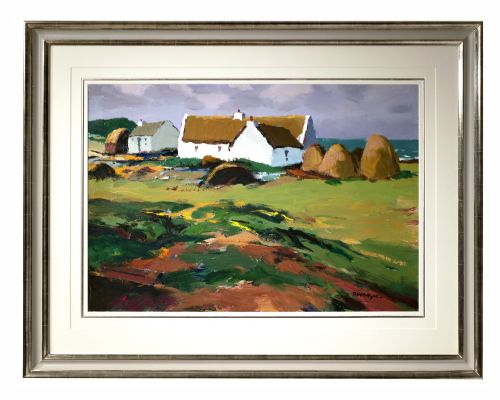
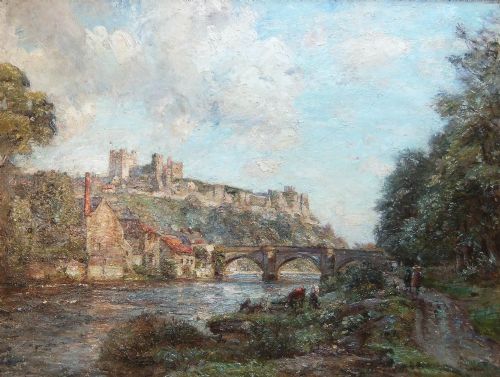
Original Impasto Painting
An original impasto painting brings the heavy, raised texture of thick oil pigment directly into a room.
Original Impasto Painting
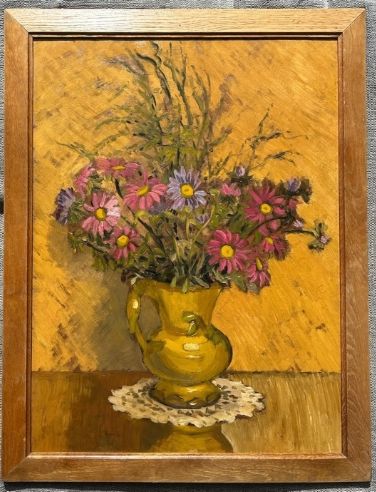
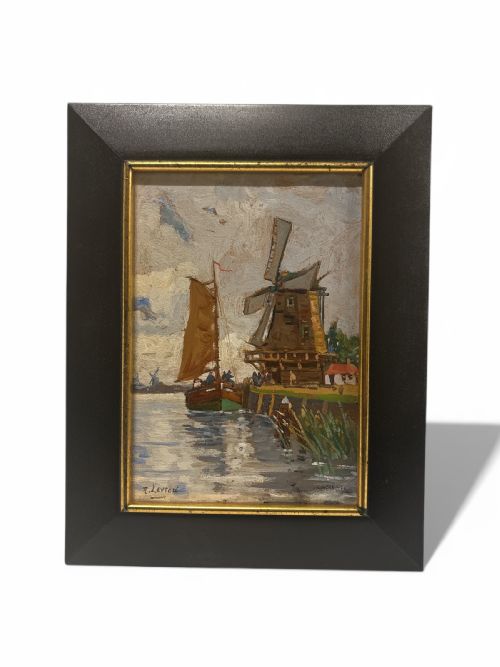
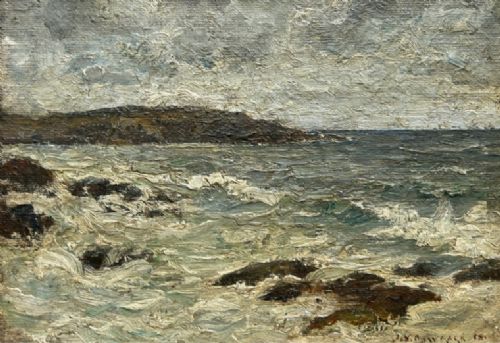
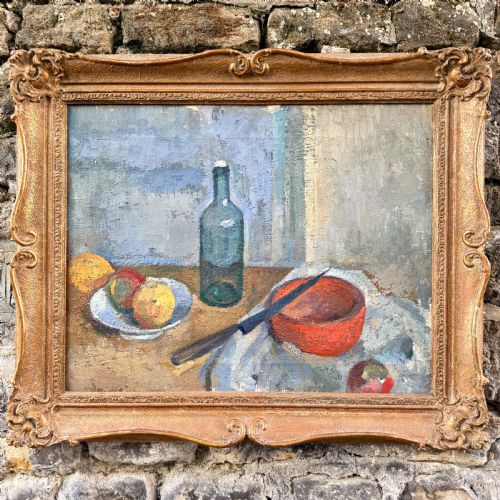
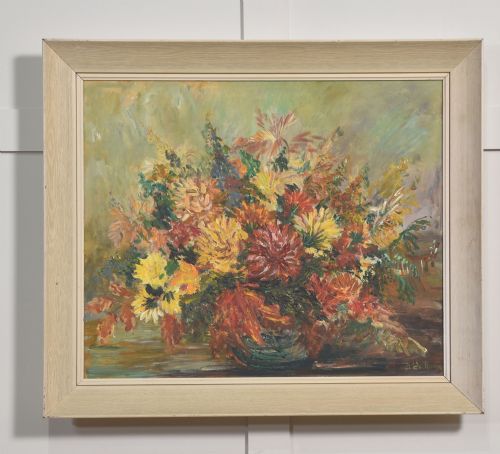
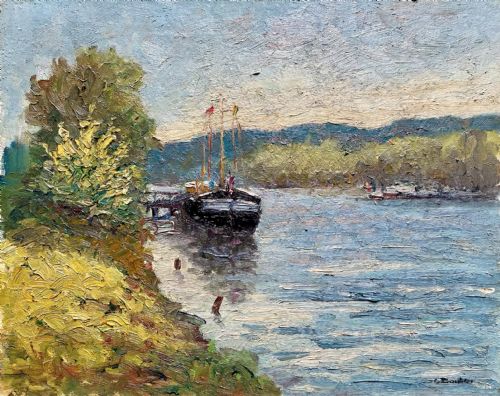
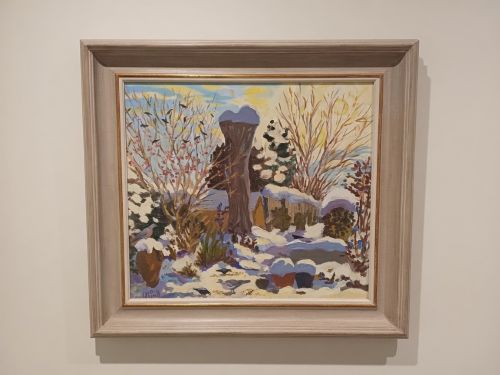
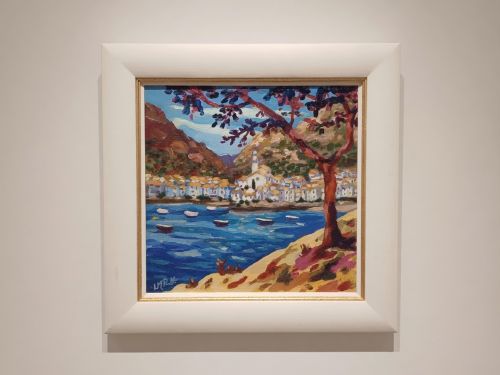
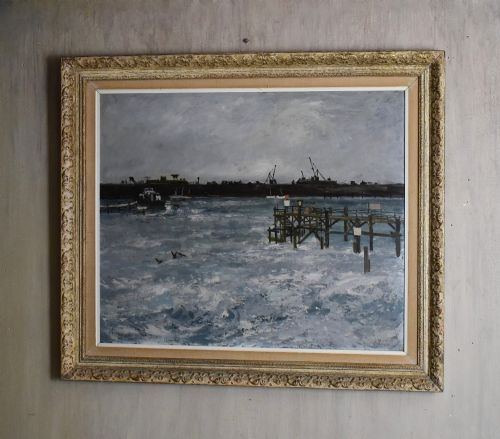
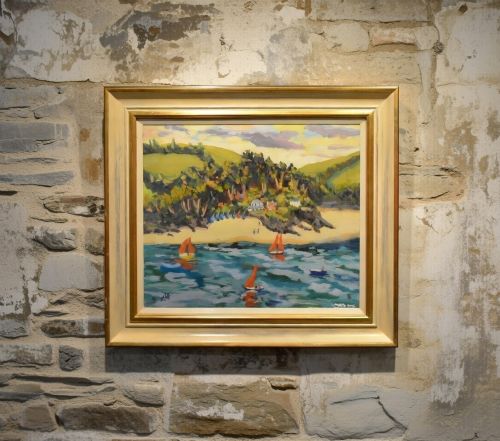
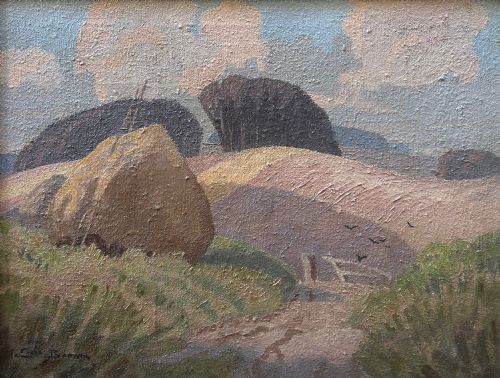
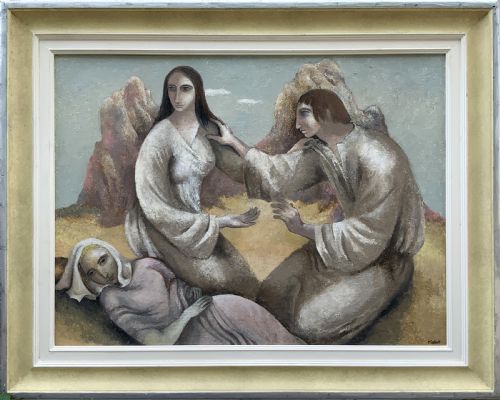
When searching for an original impasto painting, a buyer looks at works where oil paint sits proud of the surface in thick, dimensional ridges. These pieces capture light and shadow across subjects ranging from maritime scenes and industrial townscapes to still lifes and figurative portraits. The selection spans the nineteenth century through the mid-twentieth century, with a strong representation of post-impressionist and mid-century modernist works.
The most common formats on this page are oil on canvas and oil on board, framed to hold the heavy application of pigment. Examples include works by named British and European artists alongside pieces from the broader British Impressionist and Post-Impressionist movements. Viewers encounter everything from quiet rural landscapes to bustling French market squares executed with tangible physical depth.
How they were made
Makers applied oil paint thickly onto supports of canvas or board, often utilising palette knives alongside traditional bristle brushes to build physical relief. The materials rely on slow-drying oil mediums that retain the ridges and marks of the tool long after application.
Frames made of wood, frequently finished with gilt, house these canvases and boards to support the weight and protect the raised pigment at the edges.
The listings feature oil paintings on canvas and board spanning from the nineteenth century through the 1960s.
What varies in quality
The distinction in quality rests upon the confidence of the brushwork and the deliberate control of the heavy pigment. Stronger works demonstrate a clear command where the thick strokes build form and light rather than mere bulk.
Compositional balance and the preservation of the surface texture over decades also separate standard examples from superior ones. The relationship between the painted subject and the physical depth of the medium defines the success of the piece.
Kenneth Cozens·Christine Nesbit·Donald McIntyre·Herbert Royle·Lilian Colbourn·Helen Layfield Bradley·Jean-Baptiste Olive·James Fry·Gaetan Dumas·Gabriel Dauchot·Mercedes Legrand·Baruch Shalom Oskotsky
The Original Impasto Painting Glossary
- Impasto
- A technique where paint is laid onto a canvas in very thick layers that stand out from the surface. This method allows the artwork to capture actual physical light and shadow on the raised pigment.
- Post-Impressionism
- An art movement extending roughly from the late nineteenth century through the mid-twentieth century that rejected naturalistic depiction in favour of expressive forms. Painters working in this style emphasised tactile surfaces and symbolic colour.
- Mid-Century Modern
- A design and artistic aesthetic spanning the middle decades of the twentieth century. Works from this period often prioritize abstracted forms and bold structural compositions.
- Oil on Board
- A painting executed on a rigid wooden or composite board rather than stretched woven fabric. This support provides a firm foundation that withstands heavy pigment application.
- Gilt Frame
- A wooden picture surround coated with a thin layer of gold leaf or metallic gilt paint. These frames were utilised to finish and protect significant artworks.
Original Impasto Painting: Frequently Asked Questions
How do I care for an impasto painting?
Keep the artwork away from direct sunlight and fluctuating humidity to protect both the support and the heavy pigment layers. Dust the raised surface very gently with a soft, dry brush.
Avoid using damp cloths or cleaning solutions on the textured paint, as moisture can damage the oil medium. Professional conservation is recommended for any major cleaning.
What is the difference between oil on canvas and oil on board?
Canvas consists of woven fabric stretched over a wooden frame, offering a slight give when the artist applies thick paint. Board provides a rigid, inflexible surface made of wood or compressed material.
Both supports were widely used across the twentieth century, with boards frequently chosen for smaller, immediate plein air studies.
How can I tell a mid-century work from an earlier piece?
Mid-century works often embrace modernist abstraction, simplified forms, and brighter palettes influenced by post-impressionist developments. Earlier nineteenth-century and Edwardian pieces generally lean towards more traditional realism and tonal subtlety.
The framing, stretcher construction, and artist signatures also help establish the chronological context of the painting.
Where should I hang a painting with thick texture?
Select a wall with angled or directional lighting that catches the raised ridges of the paint. Side lighting enhances the physical depth and shadow created by the palette knife work.
Ensure the hanging location remains stable and secure, as framed oil paintings on canvas or board carry substantial weight.