

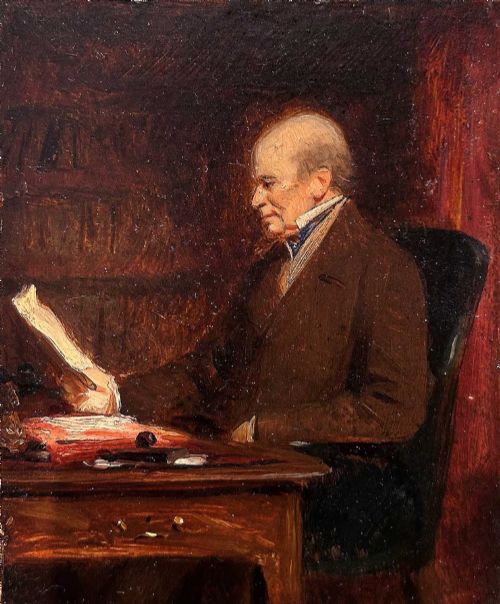


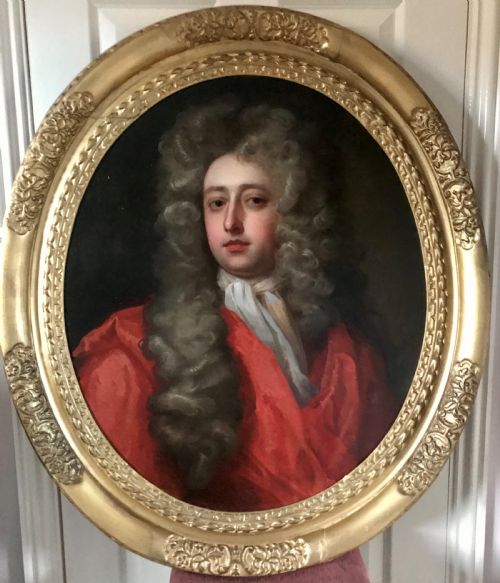
Original Historic Painting
When you search for original historic painting, you enter a field of period watercolours and oils that record landscapes, townscapes, and portraits.
Original Historic Painting
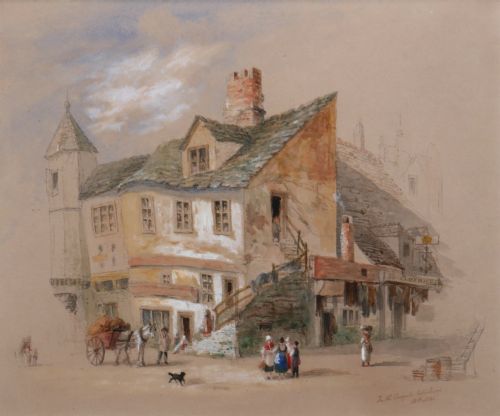
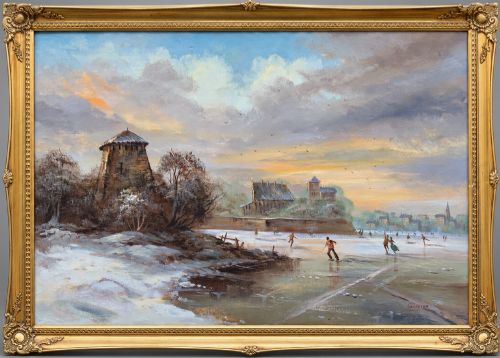
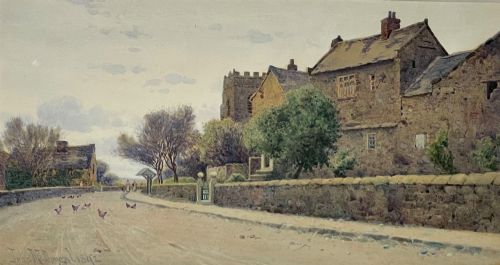
Original historic painting encompasses works executed in oil and watercolour across several centuries, capturing subjects ranging from bustling cityscapes to quiet rural views. Buyers encounter landscapes, townscapes, and portraits that reflect the artistic output of specific periods.
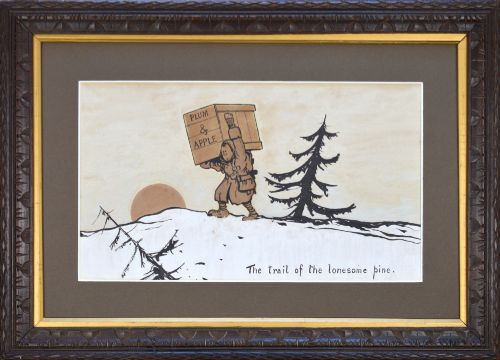
The selection on this page leans toward nineteenth-century and early twentieth-century works, alongside eighteenth-century portraiture and illustrative pieces. These items bring period character to interior walls through authentic hand-painted surfaces.
Oil paintings on canvas and panel sit alongside detailed watercolours on paper, offering varied textures and framing options. Each piece serves as a visual record of its era, preserved in frames or mounts that often share the age of the artwork.
Materials and technique
Artists worked primarily with oil paint on canvas or wood panels, building rich pigment layers, or applied watercolours onto paper to capture translucent light and atmospheric effects. These traditional mediums were handled with brushes of varying fineness to achieve precise architectural details or broad landscape sweeps.
Canvas supports were stretched over wooden frames, whilst watercolours were frequently protected behind glass within period wooden or gilt frames. Original iron hardware and backing materials often remain attached to older panels and stretchers, marking the period of construction.
Original Historic Painting Retail Price Guide 2026
Typical asking prices for original historic painting among the pieces listed under this phrase on Sellingantiques today, from the lower quarter to the upper quarter. They describe what is for sale here now, not the wider market.
Listings feature works from the eighteenth, nineteenth, and twentieth centuries, utilising canvas, paper, wood, and gilt wood.
Determinants of quality
Quality rests upon the sureness of the brushwork and the clarity of composition, where a skilled hand captures light, proportion, and atmosphere with economy. Works by named artists often demonstrate superior draughtsmanship and tonal balance compared to anonymous studio pieces.
Condition plays a role, with well-preserved pigment vibrancy and minimal surface disruption elevating a work. The presence of a period frame matching the age of the painting adds cohesion and integrity to the piece.
Bruce Bairnsfather·John McDougal·Stephen Pearce·John Sanderson Wells·Percy Robertson·John Augustus Atkinson·Rowland Henry Hill·Henry Barlow Carter·David Small·Fred Stead·Noel Harry Leaver·Robert Anderson·William Greaves·Richard Cosway·Tom Dudley·Owen Bowen·Francesco Bergamini·Robert Thomas Buttery
The Original Historic Painting Glossary
- Watercolour
- A painting method in which the paints are made of pigments suspended in a water-based solution. It is typically applied to paper to achieve translucent washes of colour.
- Oil on canvas
- A painting technique utilising pigments bound in a drying oil, applied to a woven fabric stretched across a wooden frame. This combination allows for rich blending and textured impasto surfaces.
- Gilt wood
- Wood that has been coated with a thin layer of gold leaf or metallic gilt powder. It is frequently found on ornate picture frames from the Georgian and Victorian periods.
- Provenance
- The chronology of the ownership, custody, or location of a historical artwork. Clear documentation helps establish the authenticity and history of a piece.
- Impasto
- Paint applied thickly to a canvas or panel, standing out in relief from the plane. This technique adds tactile depth and catches light across the painted surface.
Original Historic Painting: Frequently Asked Questions
Are these paintings in original frames?
Many listings specify when a piece retains its original frame, such as regency or Victorian gilt wood settings. These frames show appropriate age wear that matches the artwork.
Some works may have been reframed later in their history to suit changing interior tastes. Check the individual description for details regarding frame originality.
How can I tell the period of a painting?
Dating relies on stylistic clues, artist signatures, subject matter, and the physical materials of the support and frame. Clothing styles in portraits and architectural details in townscapes often point to a specific decade.
Stretcher construction, canvas type, and handwritten notes on the reverse provide further historical evidence. Comparing known works by recorded artists helps narrow down the timeline.
What is the difference between oil and watercolour?
Oils use pigment bound in slow-drying oil, allowing artists to build thick textures and rich, opaque layers on canvas or wood. Watercolours use water-soluble binders on paper, creating light, translucent washes.
Oils are traditionally displayed without glass protection, whereas watercolours require framing behind glass to shield the paper from moisture and dust.