



Original Framed London Art
Original framed london art captures the capital across centuries through watercolours, etchings, and drawings preserved in period wood and glass.
Original Framed London Art
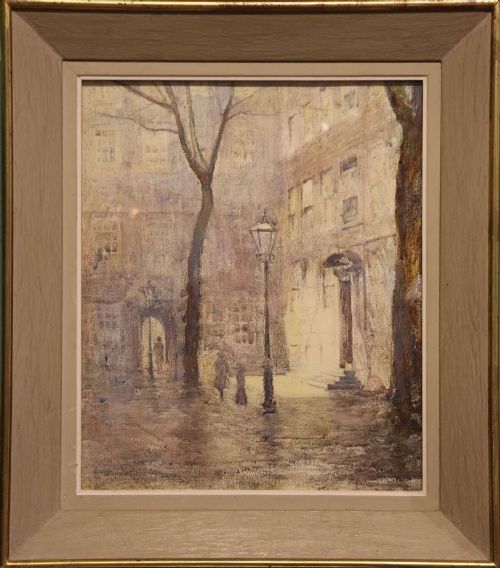
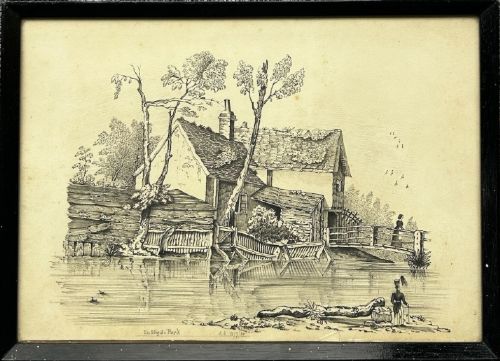
Original framed london art encompasses watercolours, drawings, etchings, and mixed media works depicting scenes across the capital. Buyers seeking these pieces will find depictions of recognisable landmarks, streets, and parks rendered from the nineteenth century through to the mid-twentieth century.
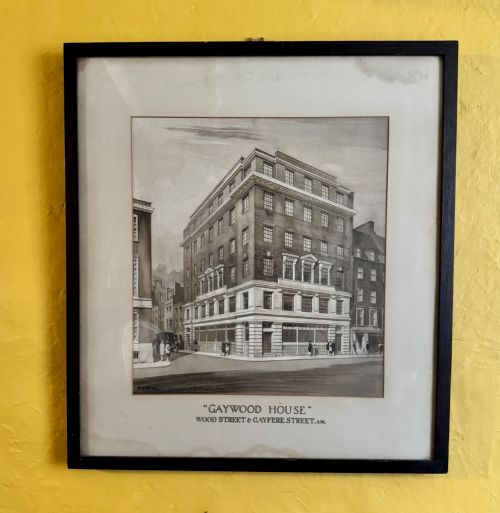
The most common formats on this page are watercolours and works on paper, frequently retained within their original gilt wood or wooden frames under glass. These pieces record historical views ranging from Georgian architectural designs to Edwardian parks and maritime river scenes.
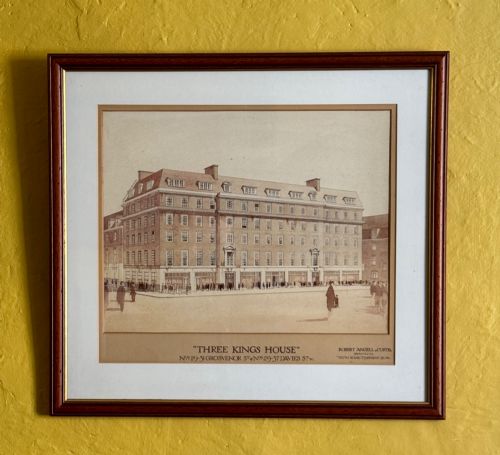
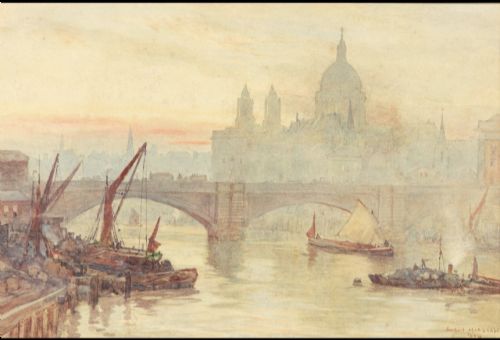
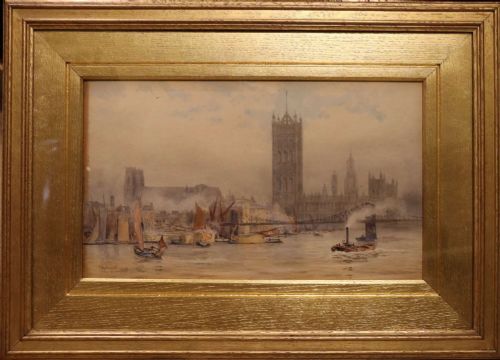
Subjects span iconic locations such as St Paul's Cathedral, the Houses of Parliament, and Hyde Park, alongside precise architectural studies for specific London addresses. Each work offers a direct visual record of the capital as observed by artists working contemporaneously.
Materials and Techniques
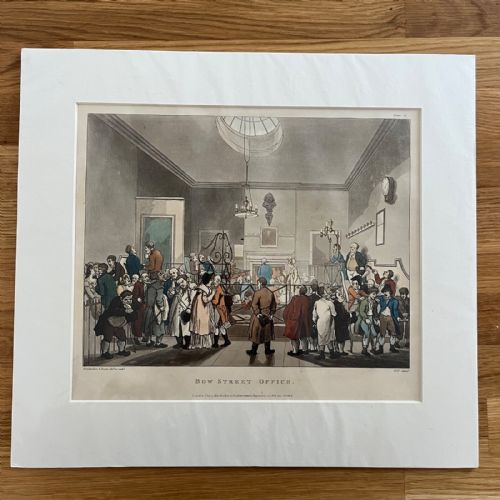
Works are executed primarily on paper using watercolour, ink, graphite, or mixed media, alongside printed techniques such as hand-coloured aquatints and drypoint etchings. Artists utilised these mediums to capture atmospheric weather effects, such as fog and sunlight over the Thames, as well as sharp architectural details.
Framing typically involves wood and gilt wood surrounds fitted with protective glass to preserve the delicate pigments of watercolours and graphite drawings over decades. These frames often match the period of the artwork itself, maintaining the integrity of the piece as a complete historical object.
Original Framed London Art Retail Price Guide 2026
Typical asking prices for original framed london art among the pieces listed under this phrase on Sellingantiques today, from the lower quarter to the upper quarter. They describe what is for sale here now, not the wider market.
Some watercolours capture London residents feeding birds before historic stone facades while commuters hurry past.
Assessing Quality
Quality rests upon the precision of the hand and the clarity of the topographical record, distinguishing hurried sketches from fully realised artistic compositions. Works by established practitioners demonstrate superior control of perspective, light, and medium.
The preservation of the paper and the integrity of the original frame heavily influence the standing of a piece. Well-maintained watercolours retain their vibrant pigments without fading, while intact period wooden and gilt frames secure the longevity of the artwork.
J. F. Barry Pittar·Herbert Menzies Marshall·H. Medlycott·Rowland Henry Hill·Frank W. Scarborough·Edgar J. Maybery·Frances E Nesbitt·Herbert John Finn·Beatrice Parsons·WD Scull·Henry J Neave
The Original Framed London Art Glossary
- Watercolour
- A painting method in which the pigments are suspended in a water-based solution. This technique was widely utilised by topographers to capture changing light across London.
- Drypoint etching
- A printmaking process where an image is scratched directly onto a metal plate with a sharp needle. This method produces soft, velvety lines characteristic of early twentieth-century prints.
- Aquatint
- A intaglio printmaking technique that produces tonal areas resembling watercolour washes. Hand-coloured examples combine printed outlines with applied pigment.
- Gilt wood
- Wood coated with a thin layer of gold leaf or gilt paint. Frames finished in this manner frequently house nineteenth and early twentieth-century works.
- Mixed media
- An artwork combining two or more artistic materials, such as ink and watercolour on paper. This approach allows varied textures within a single composition.
Original Framed London Art: Frequently Asked Questions
What periods do these artworks cover?
The pieces span from the early nineteenth century through the Edwardian era and into the mid-twentieth century. They reflect the changing architectural landscape and artistic styles of London across those decades.
Most items originate from the Victorian, Edwardian, and interwar periods, utilising traditional paper-based mediums common to those times.
How should I display these works?
Display these framed pieces away from direct sunlight to prevent the fading of watercolours, inks, and paper over time. Stable indoor humidity levels protect both the paper support and the wooden frame.
Most works are already housed beneath protective glass within period frames, requiring only secure wall fixings suited to their weight.
Are the frames original to the art?
Many listings retain their period wood or gilt wood frames, which date from the same era as the artwork itself. These frames form an integral part of the historical object.
Examining the backing and joinery often reveals the age and construction methods of the frame relative to the enclosed print or painting.
How do I identify a watercolour from a print?
Watercolours show actual brushstrokes, varied pigment pooling, and direct application to paper upon close inspection under magnification. Prints display regular dot patterns, inked lines from plates, or uniform flat colour areas.
Original drawings and paintings on this page also lack the repetition marks associated with mechanical reproduction.