





Original Folk Art Painting
An original folk art painting brings vernacular character into a room through unpretentious brushwork and regional tradition.
Original Folk Art Painting
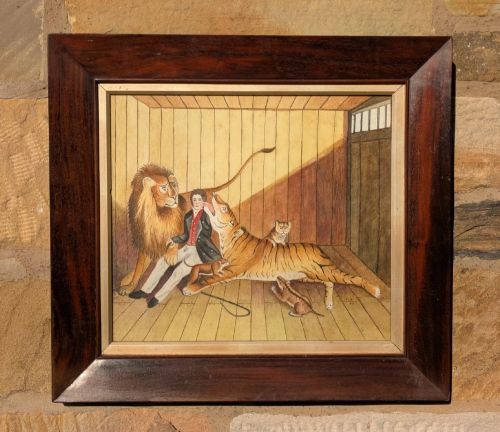
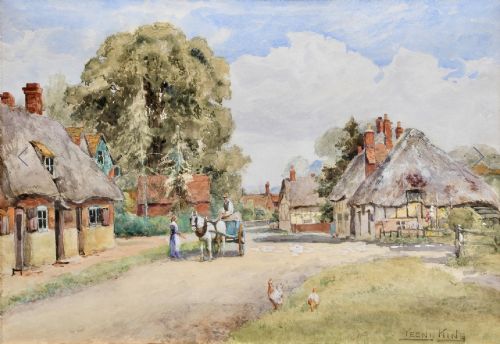
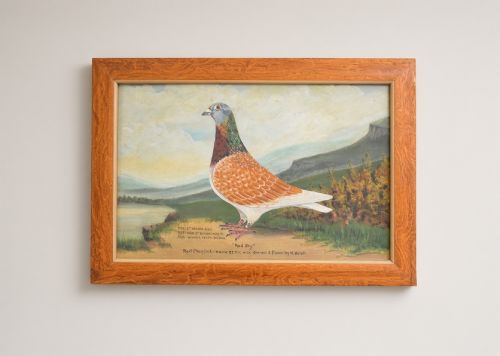
When searching for an original folk art painting, collectors encounter pieces ranging from naive portraits to rural oil paintings on canvas, panel, and paper. These works capture domestic life, animals, and local scenes through untutored perspectives that bypass academic conventions.
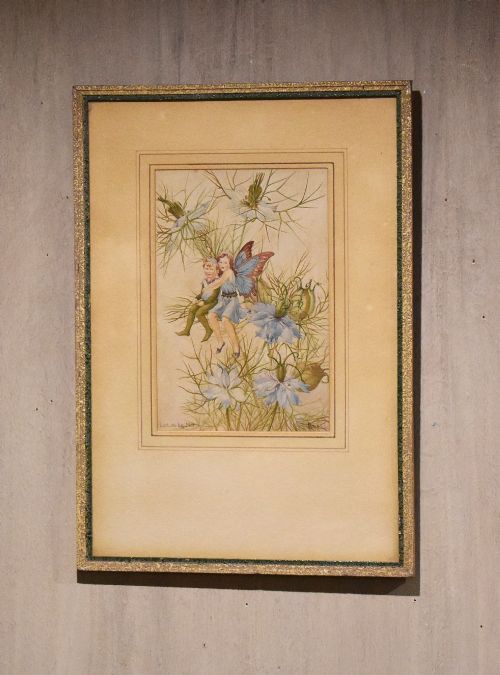
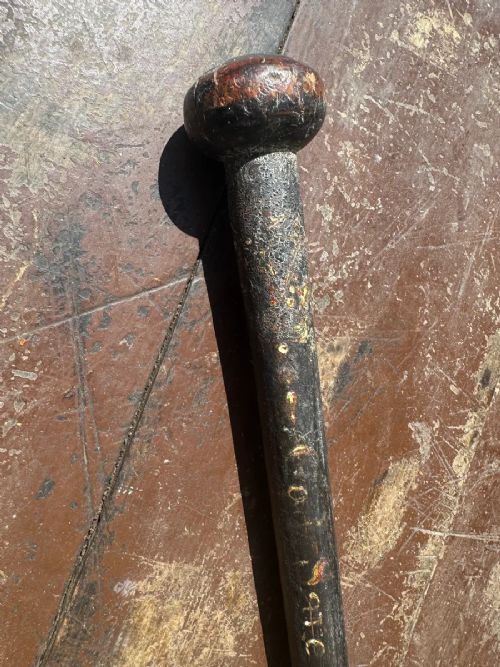
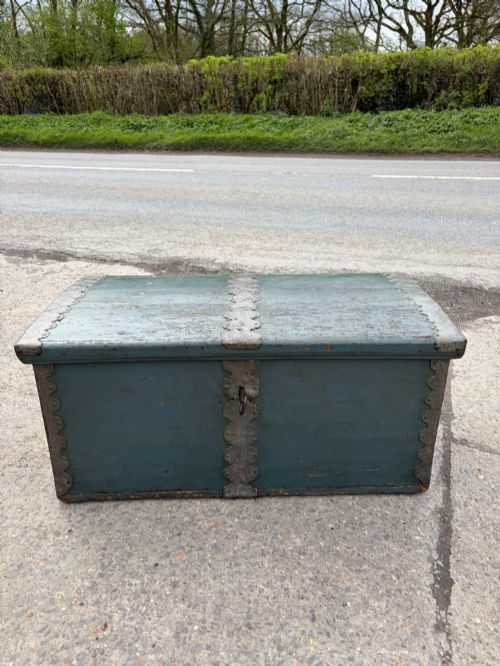
The selection on this page draws heavily from nineteenth-century and early twentieth-century makers, alongside related painted wooden objects and chests bearing original pigment. Buyers frequently find framed paintings and panel works alongside painted furniture, domestic boxes, and carved decoys sharing the same surface aesthetic.
Geographic origins span British, Eastern European, Scandinavian, and Mediterranean workshops, each employing local colour palettes and regional motifs. Pieces vary from intimate portraits of gentlemen and fishermen to domestic interiors and coastal views.
Materials and Technique
Makers utilised available substrates, applying oil paint and watercolour directly onto wood panels, canvas, glass, and paper. Pine and timber supports often received a preparatory ground layer before decorative pigments were brushed on by hand.
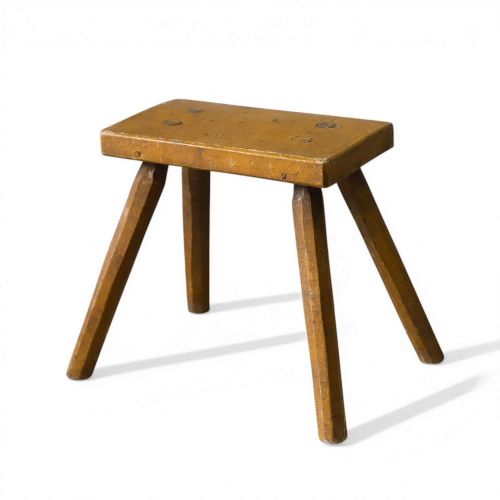
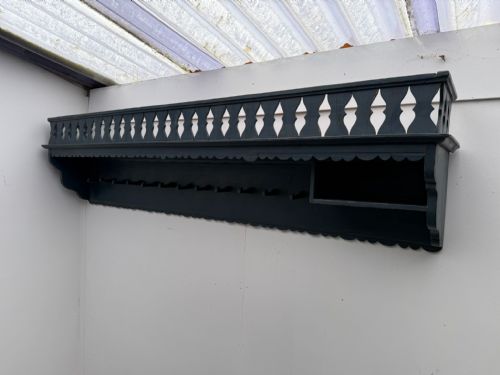
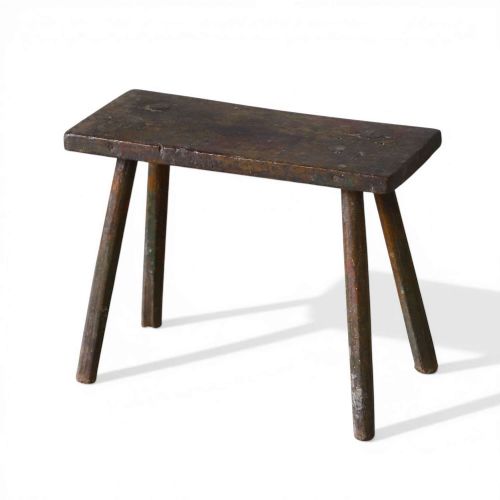
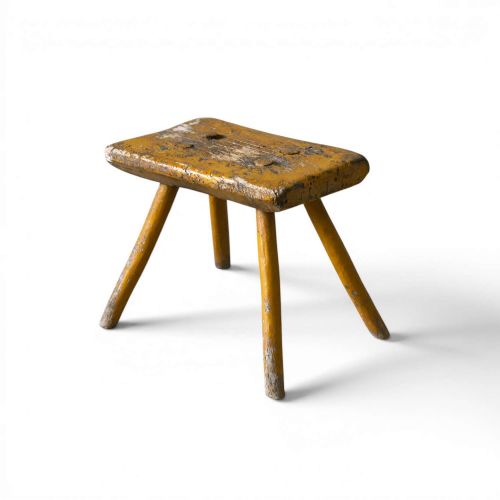
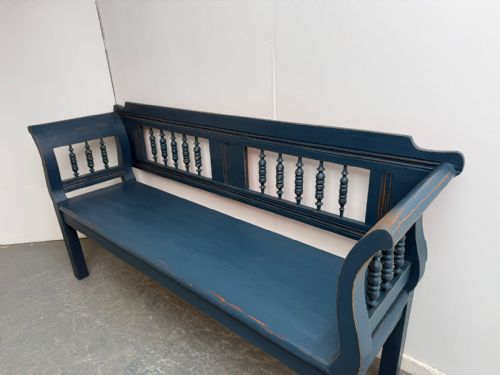
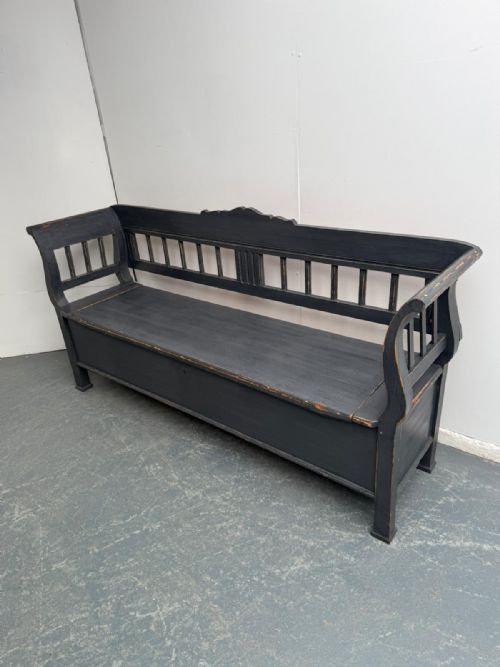
Surfaces frequently retain their original paint, whether in ochre, green, blue, or cream, applied to domestic items like milking stools, chests, and cupboards as well as flat canvases. The interaction between ageing timber and layered oil or water-based paint defines the physical character of each piece.
Original Folk Art Painting Retail Price Guide 2026
Typical asking prices for original folk art painting among the pieces listed under this phrase on Sellingantiques today, from the lower quarter to the upper quarter. They describe what is for sale here now, not the wider market.
Recorded objects range from framed portraits and landscapes to functional milking stools, cupboards, and rocking chairs.
Assessing Quality and Surface
Quality rests in the integrity of the original surface and the expressiveness of the brushwork. Untouched layers of early paint without modern overpainting command greater attention from collectors who value authentic wear.
Compositional strength and the clarity of the naive perspective separate exceptional works from ordinary decorative items. The relationship between the painted subject and its wooden or canvas support reveals the hand of a confident vernacular artist.
Gertrude Halsband·James Kyd·Thomas James Lloyd·Irene Lagut·Jack Cox
The Original Folk Art Painting Glossary
- Naive art
- Visual expression created without formal academic training, often characterised by a flat perspective and direct emotional impact. This approach defines much of the figurative work seen in vernacular paintings.
- Oil paint
- Pigment suspended in a drying oil binder, commonly applied to canvas or wood panels. It allows for rich colour saturation and varied surface textures over time.
- Panel
- A flat wooden support used for paintings instead of stretched canvas. Artists often utilised seasoned pine or hardwood boards for durability.
- Provenance
- The documented history or known origin of a piece, establishing its authenticity. Evidence of past ownership helps trace regional attribution.
- Varnish
- A transparent protective coating applied over painted surfaces to seal the pigment. It darkens and yellows slightly with age, imparting a warm tone.
Original Folk Art Painting: Frequently Asked Questions
What defines an original folk art painting?
An original folk art painting is a period work created by an untrained or self-taught artist working within a regional tradition. These pieces prioritize narrative, direct observation, and decorative impact over strict academic perspective.
Subjects often include local characters, animals, landscapes, and domestic scenes rendered with unpretentious materials like oil on wood panel or canvas.
How can I tell if the paint is original?
Original paint exhibits natural craquelure, consistent wear patterns, and integration with the underlying wood or canvas substrate. Pigments should show age-appropriate fading and chemical stability under magnification.
Examination under ultraviolet light often helps reveal whether a surface retains its earliest decorative layers or has undergone later restoration.
How do I care for antique painted surfaces?
Protect painted wooden objects and canvases from direct sunlight and sudden humidity fluctuations to prevent cracking or flaking. Dust gently with a dry, soft cloth without applying liquid cleaning agents.
Maintaining stable indoor environmental conditions ensures that fragile nineteenth-century pigments and wood substrates remain secure.
Where were these paintings typically made?
Folk paintings and decorated items originate from rural communities across Britain, Scandinavia, Eastern Europe, and the Mediterranean. Local workshops and itinerant painters produced these works for domestic use and regional markets.
Each geographic area developed distinct colour palettes, such as ochre and green in Eastern Europe or bright blues in Scandinavian country pieces.