


![Pen and Ink Sketch - Female Nudes by William Edward Frost [1810-1877]](https://www.sellingantiques.co.uk/photosnew/dealer_kendallhouse/dealer_kendallhouse_full_1758970795762-8493507346.jpg)


Original Fine Art Sketch
An original fine art sketch captures the immediate touch of the artist's hand on paper before any larger canvas work begins.
Original Fine Art Sketch
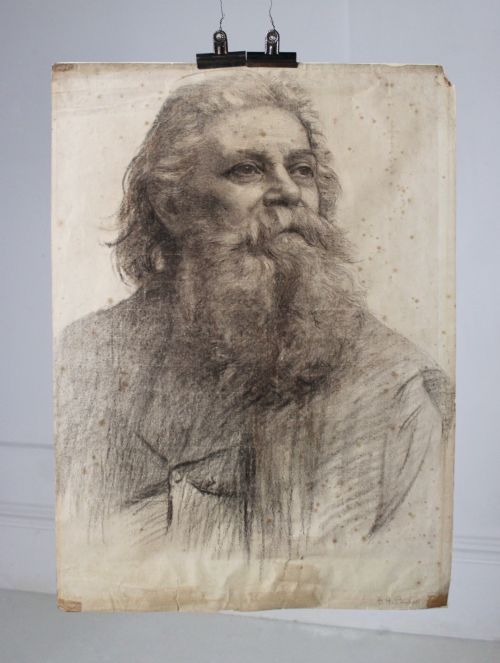
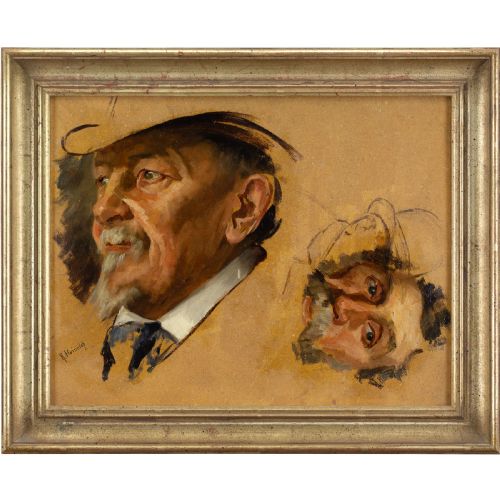
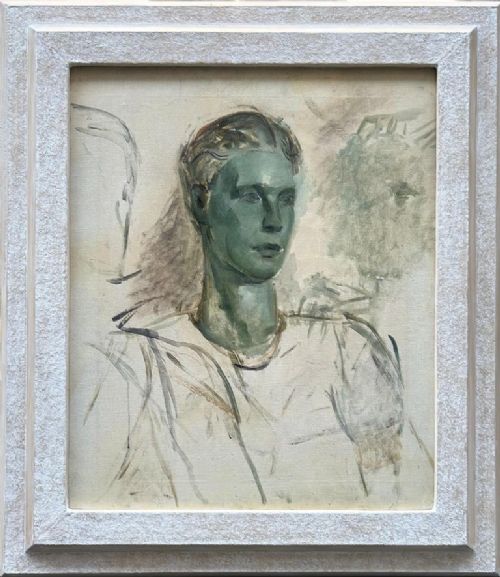
An original fine art sketch represents an unmediated thought by an artist, recorded directly on supports such as paper and panel. These works range from rapid compositional ideas to detailed character studies and finished portraiture.
The selection encompasses periods from the nineteenth century through the mid-twentieth century, capturing shifts in technique from traditional academic realism to modern British approaches.
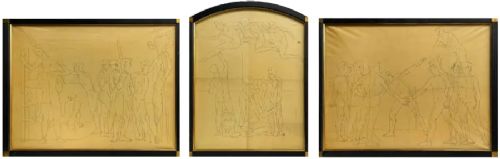
Works appear in varied physical forms, including framed drawings, triptychs, and larger-scale studies executed by named historical artists and regional schools alike.
Materials and Techniques
Artists relied primarily on paper supports, utilising charcoal, graphite, ink, chalk, and watercolour to build tone and line. Oil pigments on panel or canvas occasionally appear in smaller preparatory studies.
Draftsmanship depends on the friction of dry media against textured paper or the fluid application of ink and wash to establish immediate contrast and shadow.
Portraits and figurative studies dominate the selection, alongside landscape views from Britain and France.
Judging Quality
Quality rests on the confidence of the line and the economy of marks used to convey form and expression. A successful study demonstrates clear intent and anatomical or spatial understanding.
The significance of the subject, the historical context of the maker, and the preservation of the delicate medium determine the standing of each piece.
James Stroudley·Dame Laura Knight·Lucien Gibert·Thomas Rowlandson·Fred Lawson·Henri Joseph Harpignies
The Original Fine Art Sketch Glossary
- Charcoal
- A dry drawing medium made from charred organic material that produces deep blacks and soft smudged tones. It allows for rapid adjustments across the surface of the paper.
- Graphite
- A form of carbon used in pencils that creates fine grey lines and subtle tonal gradations. It is suited for precise preparatory portraiture.
- Wash
- A diluted layer of ink or watercolour applied with a brush to create translucent areas of tone behind line work. It provides depth and atmosphere in landscape and figurative pieces.
- Academic Realism
- A style of painting and drawing influenced by nineteenth-century European art academies. It prioritises precise anatomical accuracy and classical composition.
Original Fine Art Sketch: Frequently Asked Questions
What distinguishes a sketch from a finished painting?
A sketch prioritises direct observation and immediate mark-making, often showing visible construction lines and experimental touches. Finished paintings usually conceal these initial steps beneath layers of blended pigment.
Drawings on paper provide direct insight into the preparatory thinking of an artist without the formal constraints of a gallery canvas.
How should paper drawings be framed?
Works on paper require conservation mounting to keep the sheet away from acidic framing materials and glass. UV-filtering glazing protects vulnerable media like charcoal, chalk, and watercolour from fading under daylight.
Proper spacing ensures that humidity does not cause the paper to stick to the glass over time.
Are nineteenth-century sketches fragile?
Historic paper supports and dry media are sensitive to light, moisture, and physical pressure. Unfixed charcoal and pastel remain particularly susceptible to smudging if handled improperly.
Keeping these works away from direct sunlight preserves the integrity of the original marks.
How do I identify the period of a drawing?
Stylistic clues, costume details, and paper watermarks often point toward a specific decade or artistic movement. Signatures and inscriptions by the artist or contemporary collectors offer further historical context.
Comparing handling techniques with documented works by the same hand confirms the likely date of creation.