


Original Expressionist Landscape Painting
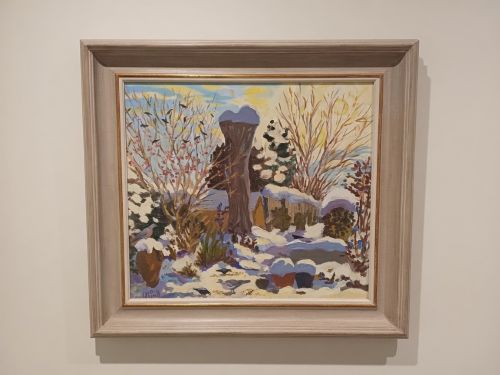
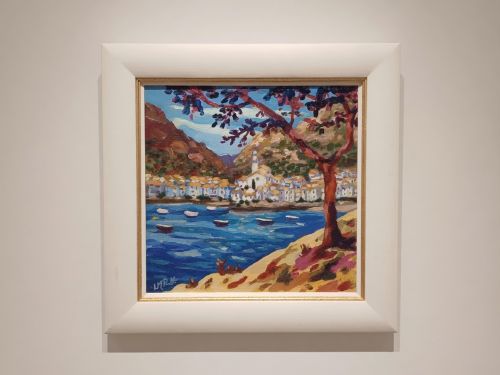
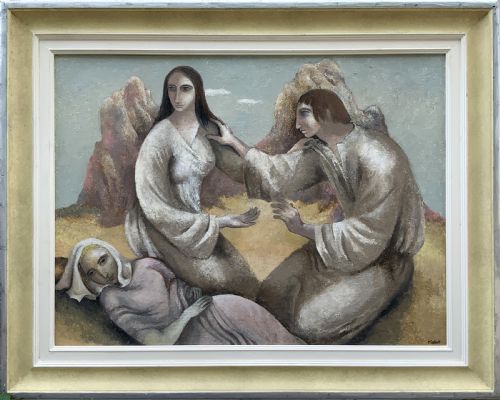
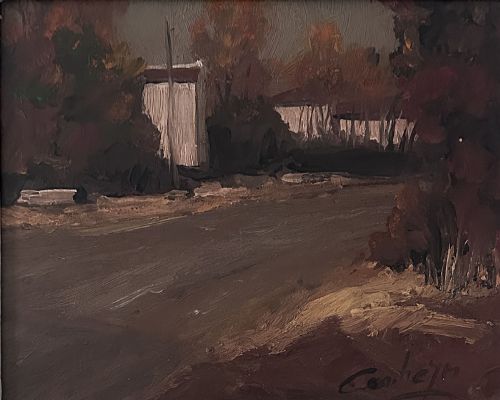
When you search for an original expressionist landscape painting, you encounter works built with thick pigment and bold brushwork from the early to mid-twentieth century.
Original Expressionist Landscape Painting
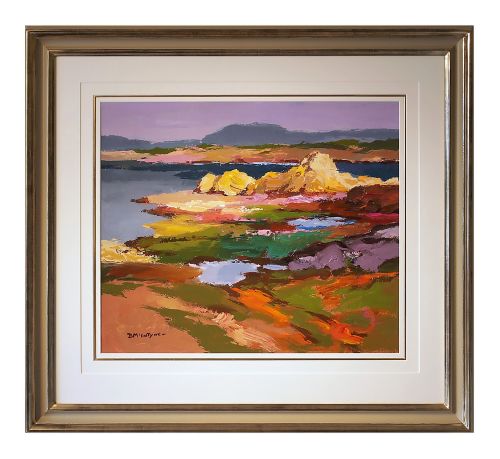
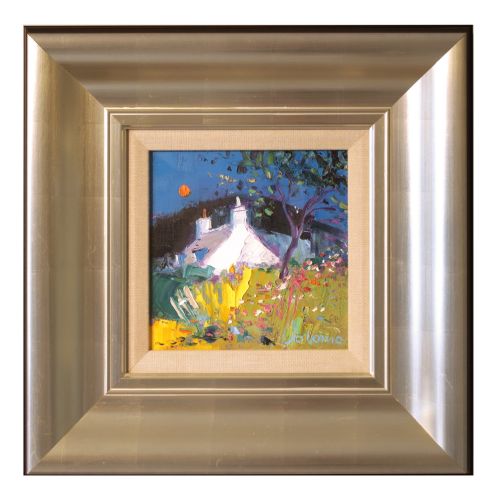
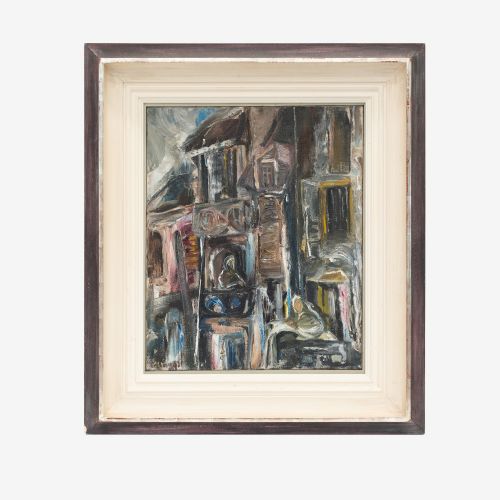
An original expressionist landscape painting captures scenes of nature, villages, and cityscapes through heightened emotion rather than strict realism. These pieces emerge predominantly from the twentieth century, spanning decades from the 1920s to beyond 1960.
The selections available here include oil paintings on canvas, board, and paper, often housed in wood frames. Artists from various regions channel modernist, post-impressionist, and fauvist movements onto the surface.
Buyers frequently encounter works categorised as Mid-Century Modern or Modern British, reflecting landscapes rendered with dynamic brushwork and vibrant colour palettes. Village scenes, river views, and winter settings recur across the selection.
What determines quality
Quality rests upon the strength of the composition and the confidence of the brushwork. Paintings that capture light and atmosphere with conviction stand apart from more rigid or formulaic efforts.
The handling of paint itself distinguishes individual pieces. Skillful application of impasto creates depth and movement, whereas timid paint application yields a flat result.
Listings feature works executed on canvas, board, and paper across decades ranging from the 1920s to the 1960s.
Lucy Pratt·Christine Nesbit·Donald McIntyre·John Lowrie Morrison·Lilian Colbourn·Joan Gillchrest·Hazel M Barnett·Gabriel Dauchot·Mercedes Legrand·Sir William George Gillies·Emanuele Cappello·Kenneth B Malpass·Sonia Lawson·Hans Kappel Øvre·Lillian M Harrison·Markey Robinson·Pierre Peltier
The Original Expressionist Landscape Painting Glossary
- Impasto
- Paint laid on an area of the surface in thick layers, usually thick enough that the brush or painting-knife strokes are visible. This technique adds tactile dimension to the canvas.
- Fauvism
- A style of painting that flourished in France around the early twentieth century, characterised by strong colours and painterly qualities. Works in this mode reject traditional limitations of naturalistic colour.
- Post-Impressionism
- A predominantly French art movement that developed roughly between 1886 and 1905, extending impressionism while rejecting its limitations. Artists rely on symbolic colours and heavy brushwork.
- Mid-Century Modern
- A style of design and art spanning roughly from the 1930s to the mid-1960s, marked by simplified forms and modernist tendencies. These pieces reflect the aesthetic priorities of that era.
Original Expressionist Landscape Painting: Frequently Asked Questions
What defines an expressionist landscape?
An expressionist landscape prioritises emotional impact and subjective experience over precise optical recording. Artists use distorted forms and emphatic brushwork to convey mood.
These paintings often feature simplified geometries and vibrant colour choices that depart from strict naturalism to evoke a specific feeling about a place.
How do I care for an oil painting on canvas?
Keep oil paintings away from direct sunlight and drastic shifts in temperature or humidity. Dust the surface gently with a soft, dry brush without applying pressure.
Ensure the painting hangs securely within its wood frame. Avoid using liquid cleaners or chemical solvents on the paint layer.
How can I tell the period of a mid-century painting?
Dating often relies on stylistic markers, artist signatures, and framing materials characteristic of decades like the 1940s or 1950s. Documentation on the reverse of the canvas or board can also provide clues.
Examine the type of canvas support and stretcher frames used. Mid-century works frequently display specific modernist or fauvist tendencies tied to their active years.
Where were these landscape paintings created?
The works originate from various European and international locations, including France, Britain, Germany, and Denmark. Artists captured both local rural scenes and foreign cityscapes.
Creators travelled to locations such as Paris, Venice, and coastal regions to produce these views. Each origin point contributes distinct regional influences to the modernist style.