
Original Etching Print
An original etching print delivers the tangible depth of inked lines pulled straight from a metal plate by the artist's hand.
Original Etching Print
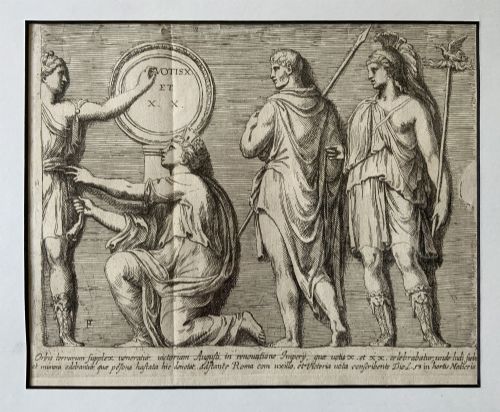
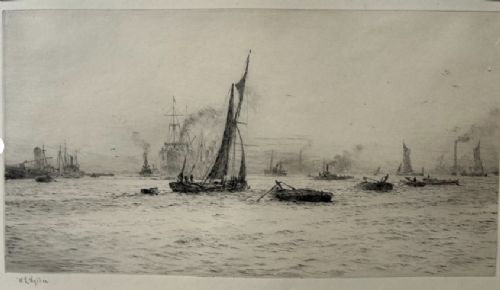
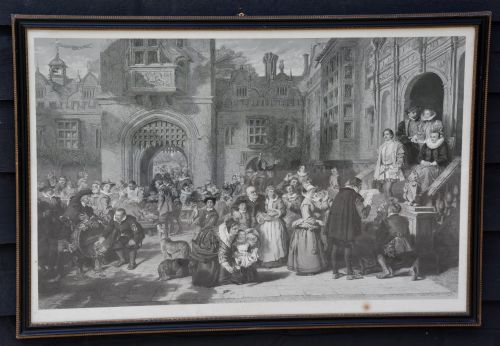
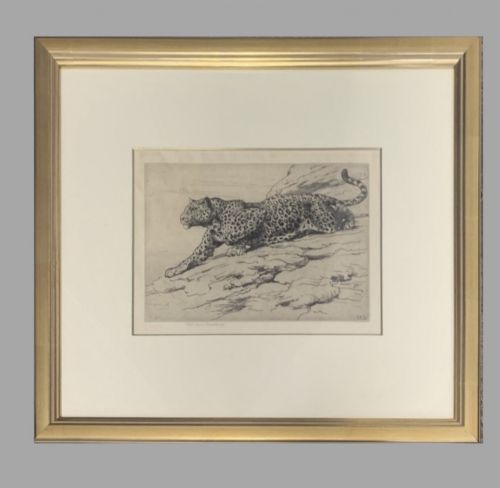
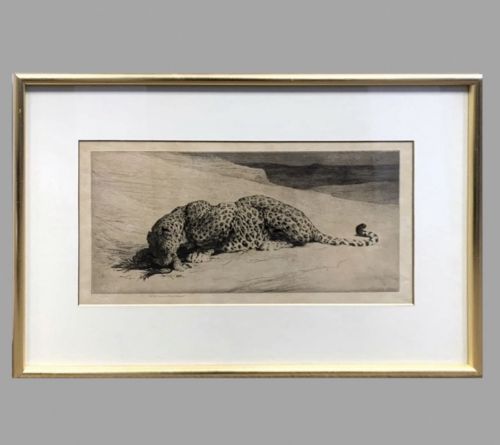
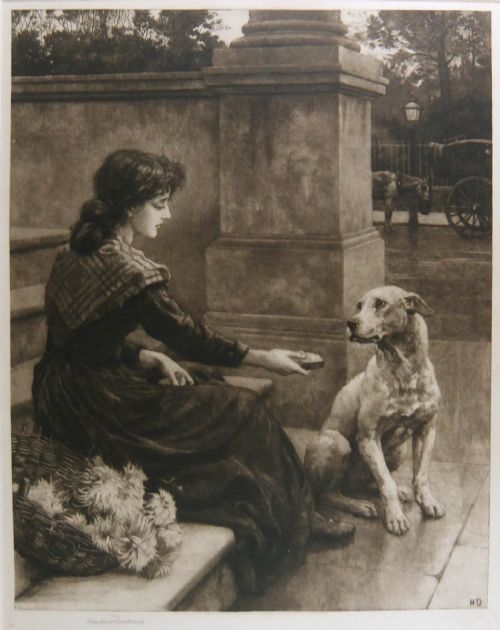
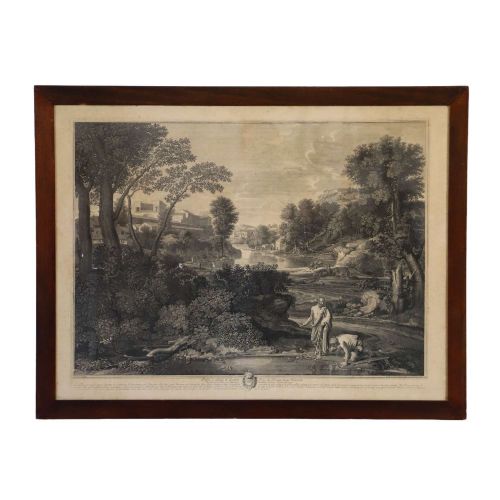
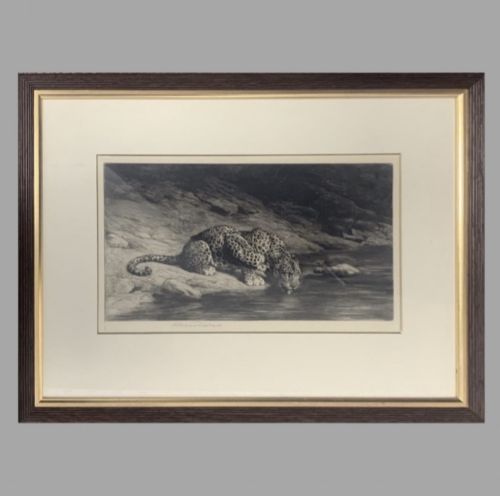
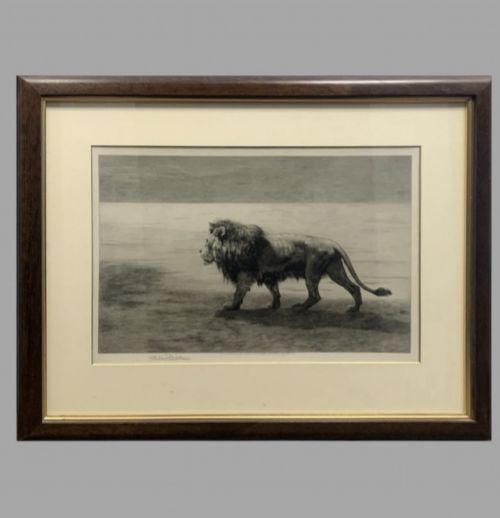
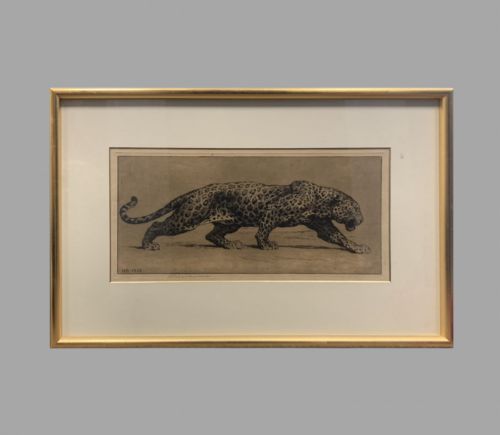
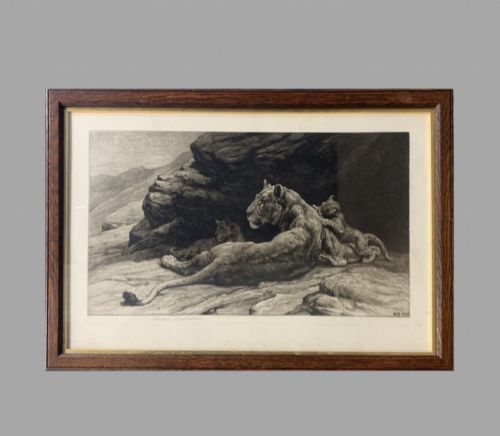
When you search for an original etching print, you encounter works produced across several centuries, with the heaviest concentration originating from the Victorian era through the early twentieth century. These works capture everything from tranquil rural landscapes and maritime scenes to detailed animal studies and bustling architectural views.
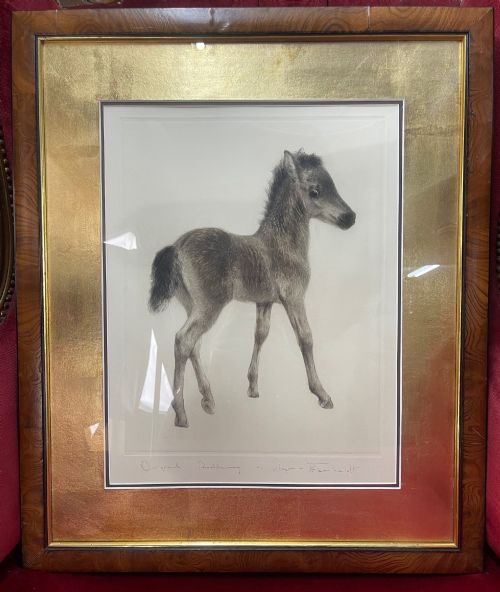
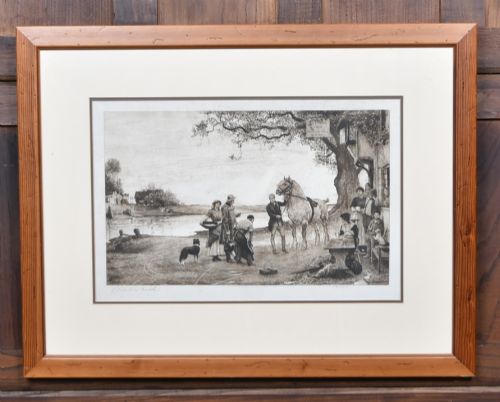
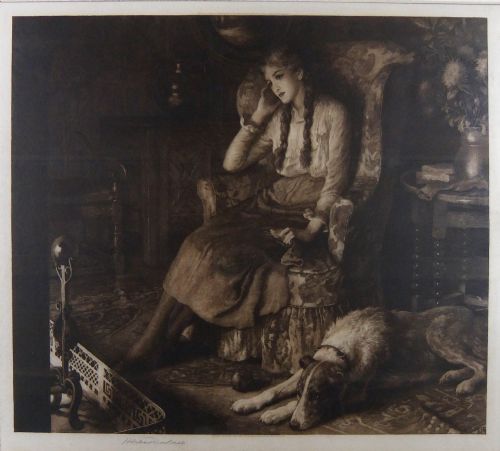
The version you are most likely to meet on this page is a signed artist proof or limited edition print from the early twentieth century, frequently framed in wood under glass. Makers and printmakers of this period utilised traditional intaglio techniques to create textured depictions of wildlife, domestic animals, and cityscapes.
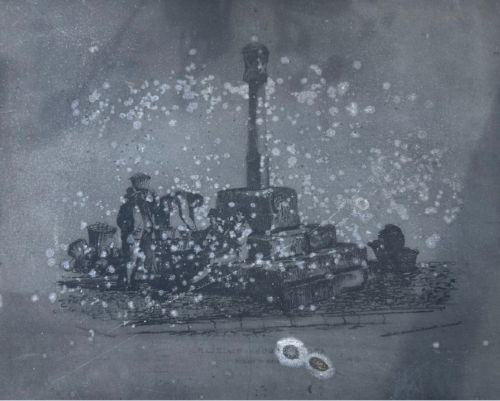
Beyond standard etchings, the selection spans drypoints, aquatints, and historic printing plates, representing Edwardian, Art Deco, and Modern British movements. Each piece provides a direct link to the printmaking methods of past decades, preserved on paper or vellum.
How they were made
Makers prepared copper or metal plates by drawing through an acid-resistant ground, allowing acid to bite the exposed lines into the metal before inking and pressing the surface under high pressure.
Variations of this technique include drypoint, where the artist scratched directly into the copper to create a burr that held rich, velvety ink, and aquatint, which introduced tonal areas through resin grounds.
Finished plates were transferred onto paper or vellum using heavy presses, sometimes with hand-colouring applied afterwards to enhance specific details within the composition.
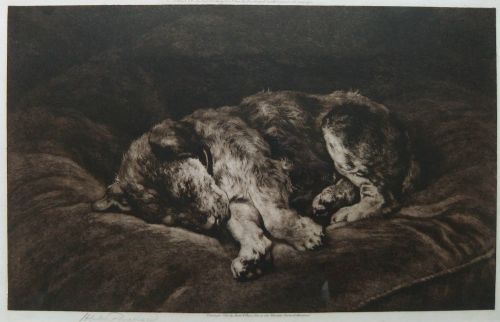
Several dogs, including Scottish terriers and bulldogs, stare out from these historical plates as if guarding the workshop floor.
What varies in quality
The clarity and crispness of the impression define the upper tier of works, reflecting how early in the print run the sheet was pulled from the worn metal plate.
The presence of a pencil signature by the artist and the status as a limited artist proof distinguish exhibition-grade impressions from later posthumous or commercial printings.
The integrity of the original paper or vellum, combined with the presence of period framing using materials such as gilt wood and glass, preserves the physical context of the work.
Herbert Dicksee·Kurt Meyer-Eberhardt·William Lionel Wyllie·Louis Icart·Norman Janes
The Original Etching Print Glossary
- Drypoint
- An intaglio printmaking process where the artist scratches directly into the metal plate with a sharp needle. This method raises a rough ridge of metal called a burr, which holds extra ink to create soft, rich lines.
- Aquatint
- An intaglio printmaking technique that produces tonal areas rather than lines. Acid bites around resin particles dusted onto the plate, creating grainy textures that resemble watercolours or wash drawings.
- Artist proof
- An impression printed for the artist's own use and approval, traditionally marked outside the main edition numbering. These early pulls often display the sharpest detail.
- Vellum
- A fine parchment prepared from calfskin, offering a smooth, durable surface that absorbs ink differently than paper. It was frequently used for deluxe editions of prints.
- Intaglio
- A category of printmaking where the ink is held within incised lines or recessed grooves below the surface of the plate. Relief printing sits in direct contrast to this method.
Original Etching Print: Frequently Asked Questions
What is an original etching print?
An original etching print is an artwork pulled from a metal plate that was physically worked upon by the artist, rather than a modern photographic reproduction. The process involves biting lines with acid or scratching the surface directly.
Each impression carries unique qualities from the press run, distinguishing it sharply from mass-produced posters or digital prints found in contemporary retail stores.
How do I care for framed etchings?
Keep framed etchings away from direct sunlight to prevent the ink and paper from fading over time. Stable humidity levels also protect vellum and paper supports from warping.
Ensure the glass is clean and check that the backing materials remain acid-free to preserve the condition of the artwork across decades of display.
How do I distinguish drypoint from etching?
An etching relies on acid to bite the lines into the metal plate, producing smooth, even edges along the grooves. A drypoint involves physically gouging the metal with a needle.
This physical displacement creates a raised burr that catches the ink during printing, giving the resulting lines a distinctively velvety and feathered appearance under magnification.
What makes an artist proof special?
An artist proof is pulled during the initial stages of plate creation before the main commercial edition is printed. Because they represent the earliest impressions, the plate shows no signs of wear.
Collectors prize them for their exceptional crispness and the direct association with the printmaker's personal quality control during production.