



Original Dog Etching
An original dog etching brings the intense character of hounds and terriers into a room through fine lines pressed deep into paper.
Original Dog Etching
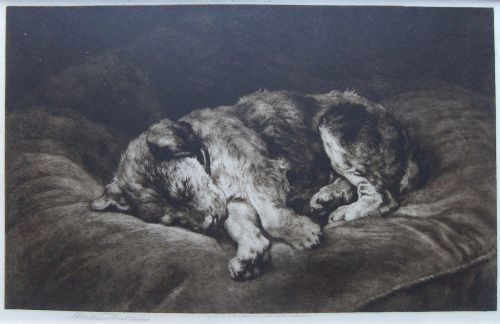
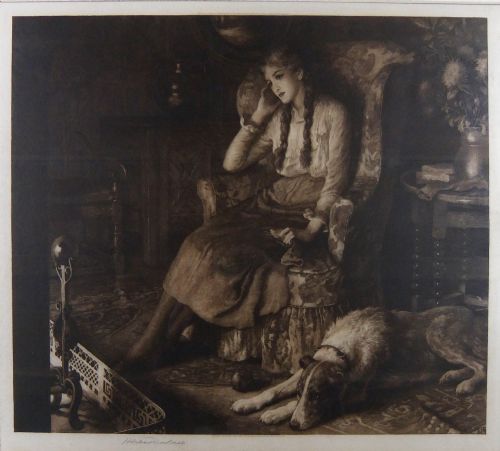
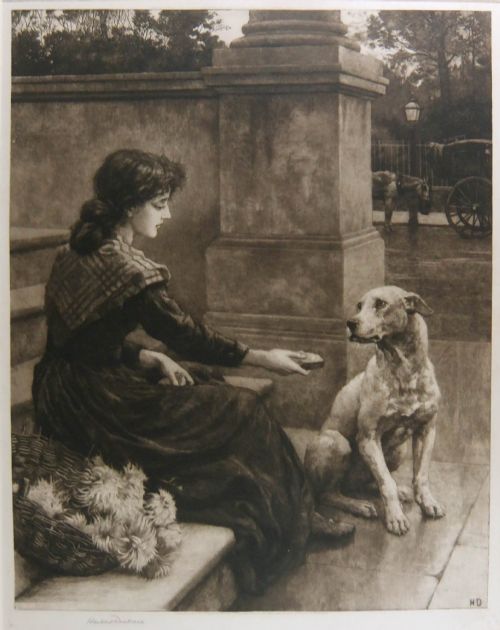
When you search for an original dog etching, you encounter printed works depicting bulldogs, spaniels and terriers from the Victorian, Edwardian and early twentieth century periods. These works capture specific breeds with a sharp focus on their posture and expression, rendered through traditional intaglio printmaking methods.
You are most likely to meet pieces produced during the early twentieth century and the year nineteen twenty, alongside nineteenth-century works and oil lamps bearing hunting themes. The selection centres heavily upon detailed portrayals of spaniels and bulldogs created by recognised printmakers of the era.
The objects take the form of framed prints and drypoint etchings, often preserved behind glass within wooden frames. Each piece represents a direct impression taken from a prepared metal plate rather than a modern mechanical reproduction.
Materials and methods
Makers cut their designs directly into metal plates using sharp steel tools or exposed the metal to acid to bite the drawn lines into the surface. Ink was then worked into these recessed grooves before the plate passed through a heavy printing press under immense pressure.
The resulting images appear on heavy paper sheets using dark ink to define the fur, eyes and muscular frames of the animals. Finished works frequently reside inside wooden frames secured with glass to protect the delicate paper surface from atmospheric damage.
Original Dog Etching Retail Price Guide 2026
Typical asking prices for original dog etching among the pieces listed under this phrase on Sellingantiques today, from the lower quarter to the upper quarter. They describe what is for sale here now, not the wider market.
Listings feature paper, ink, wood, glass, ruby glass, and brass across Victorian, Edwardian, and early twentieth-century realist styles.
Distinctions in quality
Quality rests upon the crispness of the plate marks and the depth of the ink impressions left upon the paper. Stronger prints show fine, hair-like whiskers and distinct textures in the fur without blurring or ink bleeding into the surrounding white space.
The condition of the paper and the integrity of the framing materials also separate superior examples from lesser ones. Clean paper free from heavy toning or foxing preserves the visual impact of the original line work.
Herbert Dicksee
The Original Dog Etching Glossary
- Drypoint
- A printmaking technique where the artist scratches the design directly into a metal plate with a sharp needle, raising a ragged ridge of metal called a burr that holds extra ink during printing.
- Etching
- A method where acid bites lines into a metal plate covered with an acid-resistant ground, creating the grooves that hold the ink.
- Plate mark
- The indentation left in the paper by the edges of the metal printing plate under the pressure of the press.
- Ruby glass
- A deep red coloured glass created by adding gold chloride to the molten mixture, seen in decorative items like oil lamps.
Original Dog Etching: Frequently Asked Questions
What is an original dog etching?
An original dog etching is a hand-printed work on paper created from a metal plate that an artist engraved or etched by hand during the nineteenth or early twentieth century.
These pieces capture breeds such as bulldogs and spaniels with remarkable detail, reflecting the artistic styles of the Victorian and Edwardian eras.
How do I care for framed prints?
Protect your framed prints by hanging them away from direct sunlight and damp environments to prevent paper fading and foxing.
Keep the glass clean using a dry cloth and avoid spraying cleaning liquids directly near the wooden frame rebate.
Are these works modern reproductions?
The pieces listed originate from the nineteenth and early twentieth centuries, created as traditional intaglio prints rather than modern photographic copies.
Examination under magnification often reveals the characteristic raised ink lines and plate impressions unique to period printmaking.
What subjects appear in these works?
The primary subjects are specific dog breeds including Scottish terriers, cocker spaniels and bulldogs depicted in realistic early twentieth-century styles.
Occasional related items like nineteenth-century ruby glass oil lamps with hunting themes also appear alongside the prints.