

Original Country Landscape Picture
An original country landscape picture brings rural views and pastoral scenes directly onto the wall through traditional painted mediums.
Original Country Landscape Picture
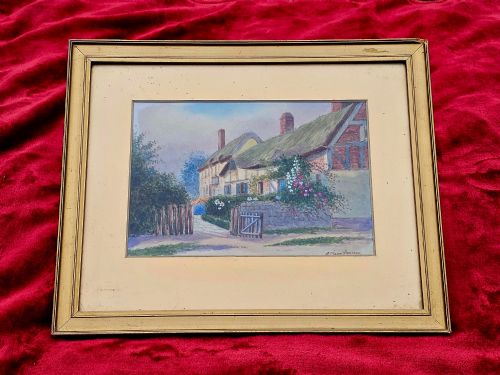
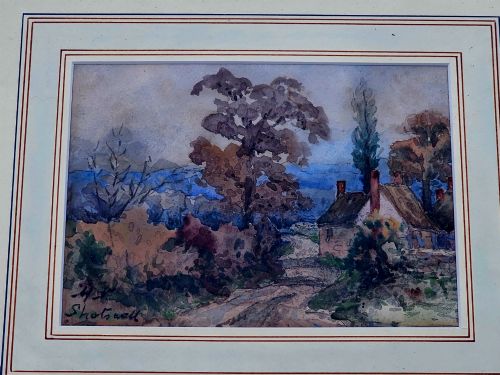
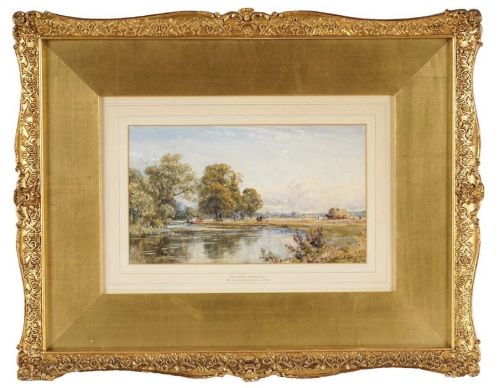
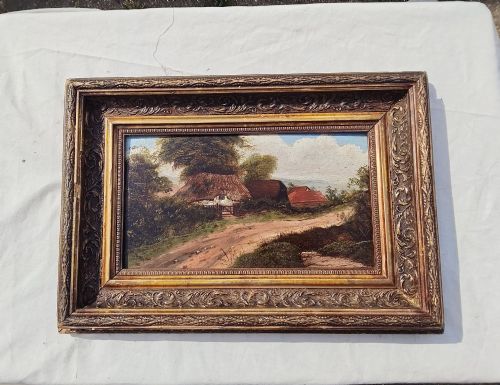
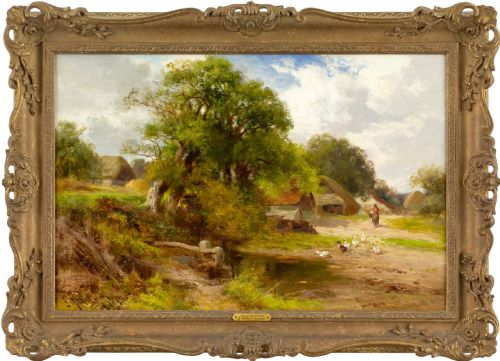
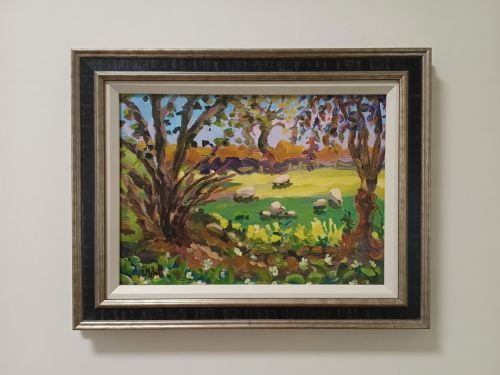
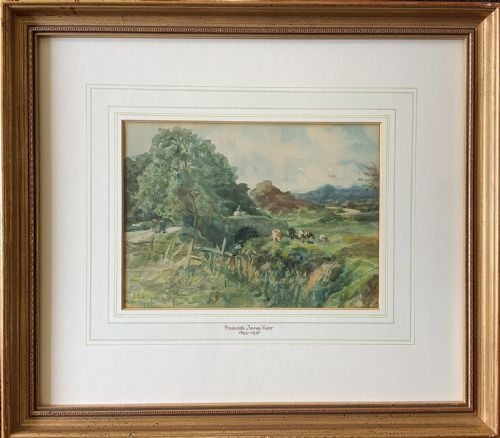
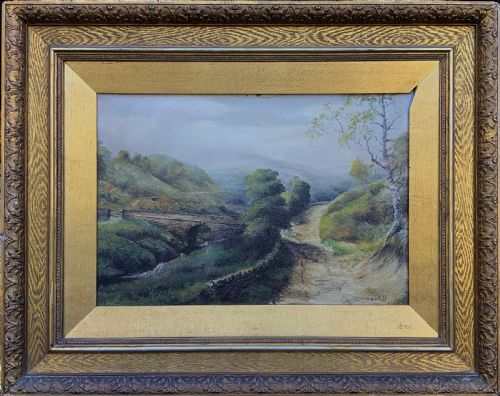
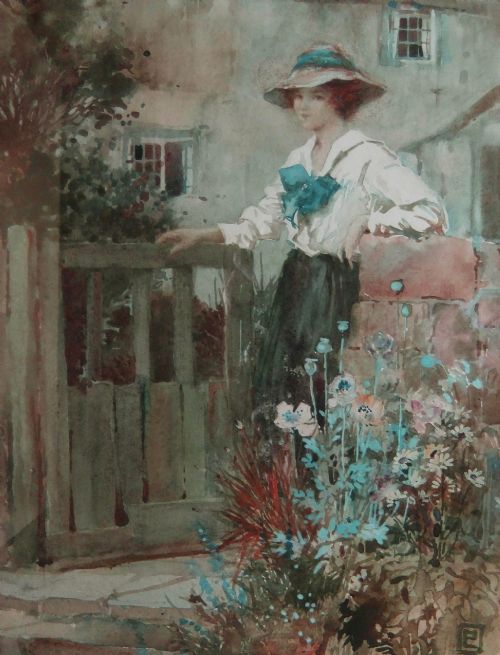
When searching for an original country landscape picture, collectors encounter various depictions of rural life, agricultural scenes, and natural vistas. These artworks range from intimate watercolours of village streets and thatched cottages to expansive oil paintings on canvas depicting moorlands and river valleys. Most examples originate from the nineteenth and twentieth centuries, capturing changing British countryside traditions through the hands of regional artists and academic painters.
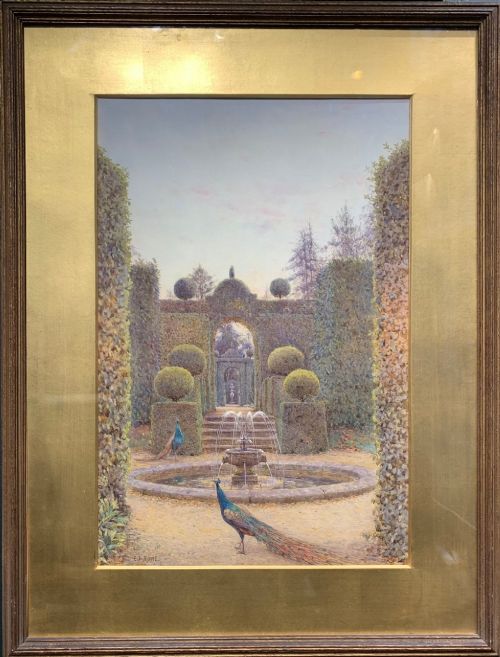
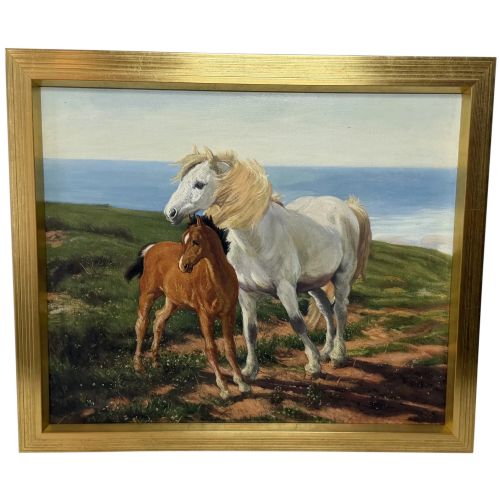
The selections available span multiple decades and academic movements, notably including the English School, British Impressionism, and Victorian Pastoral styles. Buyers frequently meet framed watercolours, oil paintings on board or canvas, and pastel works produced across the Edwardian era and the mid-twentieth century. Each piece records a distinct topographical view, ranging from Sussex coastal scenes and Yorkshire farmyards to Hampshire gardens and Scottish crofts.
How they were made
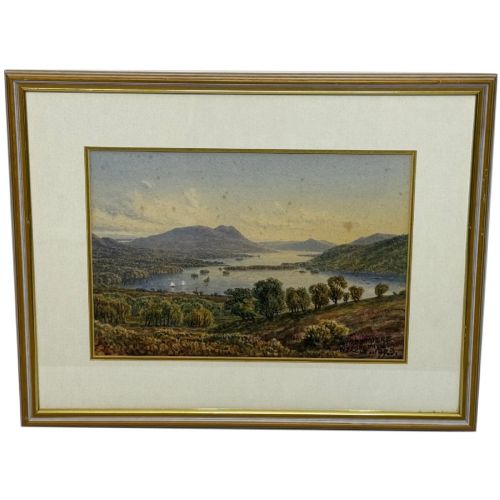
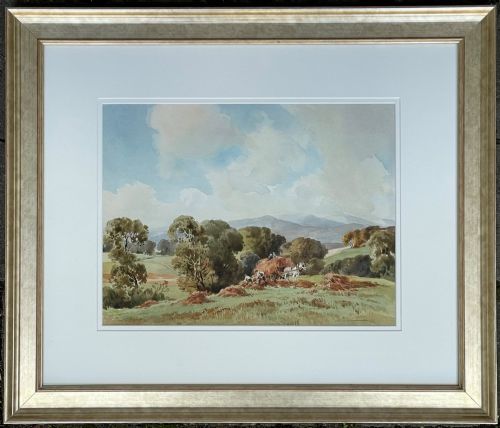
Artists painted these rural scenes using oil paint, watercolour pigment, and pastel applied to prepared canvases, wooden panels, thick card, or heavy paper supports. Oil paints provided rich texture and depth for works on canvas and board, whilst watercolours allowed for delicate washes on paper to capture atmospheric light and weather.
Framing typically involved gilt wood or moulded wooden frames that protected the delicate paint or paper surfaces while complementing the aesthetic of the period. Many works incorporate protective glass layers, particularly pastel and watercolour pieces on paper, ensuring their preservation over successive decades.
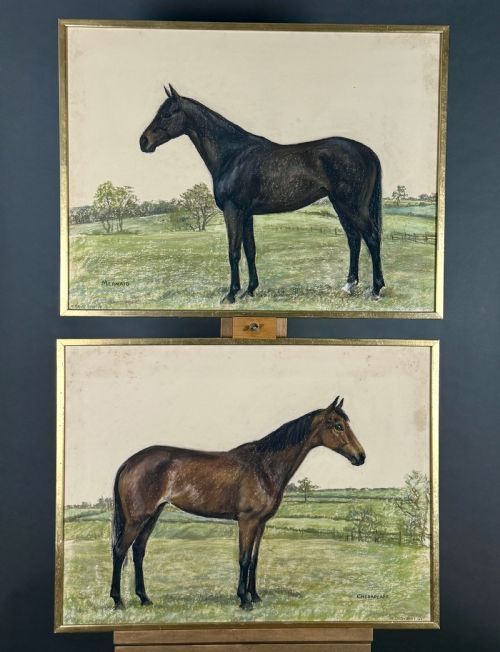
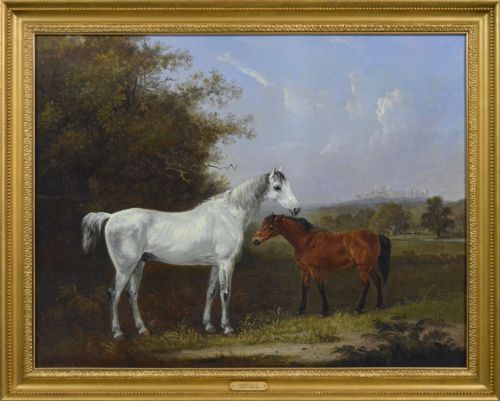
Commonly recorded subjects include thatched cottages, farmyard scenes, coastal views, and livestock grazing in pastures.
What varies in quality
The standard of execution depends heavily on the artist's command of light, shadow, and spatial perspective within the natural setting. Finer works demonstrate confident brushwork, accurate tonal balance, and a convincing sense of atmosphere, whereas simpler pieces rely on formulaic composition.
Material preservation also defines the tier of an artwork, distinguishing well-maintained surfaces with original pigments from those affected by heavy fading, foxing, or unrecorded restoration work on the canvas or paper support.
Percy Lancaster·William Howard Hardy·A. Marie Parsons·Robert Thorne Waite·John Horace Hooper·Lucy Pratt·Ernest Arthur Rowe·Frederick James Kerr·F.J. Snell·Hubert Wellington·John Bedloe Goddard·Robert Little·William JB Jenkins·Arthur Reginald Smith·Arthur Hopkins·J S Ainley·John Hobson Nicholson·Rowland Henry Hill·J. Phipps·Andre de Moller·John Atkinson·Robert John Hammond·Henry Bailey·Ernest Uden·Louie Stanley Maurice Prince
The Original Country Landscape Picture Glossary
- Watercolour
- A painting method where fine pigment is suspended in a water-based solution and applied to paper. It relies on the white of the paper showing through transparent washes to create luminosity.
- Canvas
- A heavy woven fabric stretched across a wooden frame to serve as a sturdy surface for oil painting. It provides a distinct textural tooth that interacts with the applied paint layers.
- Pastel
- A dry art medium consisting of powdered pigment and a binder rolled into sticks. Artists used it on paper surfaces to produce soft, velvety colour transitions.
- Gilt wood
- Timber frames or decorative elements coated with a thin layer of gold leaf or metallic gilt paint. This traditional finish added brightness and formal elegance to the completed artwork.
- English School
- A historical classification grouping together painters working within British artistic traditions across specific centuries. It highlights shared regional training, subjects, and stylistic approaches.
Original Country Landscape Picture: Frequently Asked Questions
What periods do these landscape pictures represent?
The inventory spans the nineteenth and twentieth centuries, including Victorian, Edwardian, and later modernist decades. Artists recorded changing rural environments through distinct historical eras.
Most pieces date from the late nineteenth century up through the mid-twentieth century, reflecting evolving British artistic schools and regional painting traditions.
How should I care for a watercolour landscape?
Watercolour paintings require protection from direct sunlight to prevent the pigments from fading over time. Keeping them away from excessive moisture preserves the paper support.
Displaying them under glass with archival mounting ensures the delicate washes remain stable and protected from airborne dust and atmospheric pollutants.
What subjects appear in these country artworks?
The compositions feature traditional rural motifs such as thatched cottages, farmyards, haymaking scenes, rivers, and coastal cliffs. Animals including sheep, cattle, and horses also frequently populate the fields.
Views capture specific British regions like Yorkshire, Dorset, Devon, and the Sussex countryside, documenting local topography and agricultural life.
Are these artworks supplied ready to hang?
Most pieces arrive within their original or period-appropriate frames, often featuring gilt wood or simple wooden mouldings that suit the artwork. These frames usually include hanging cords on the reverse.
Buyers should inspect the individual listing details to confirm whether the specific frame is included and ready for immediate wall placement.