
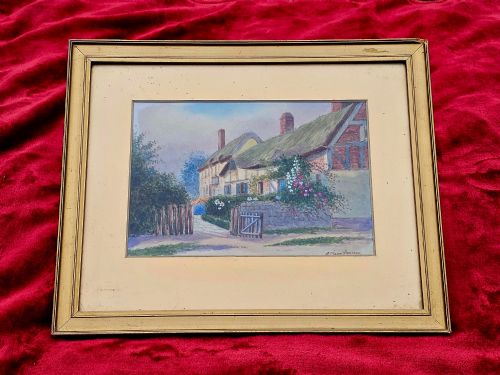
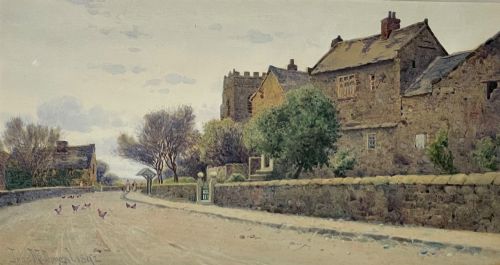
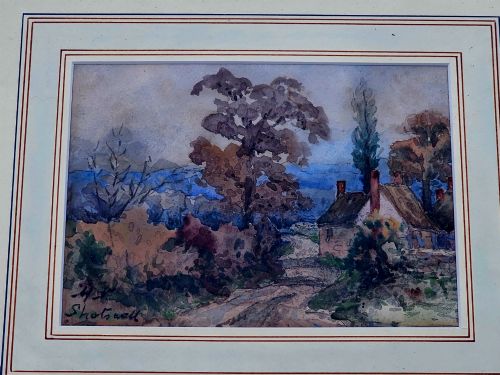
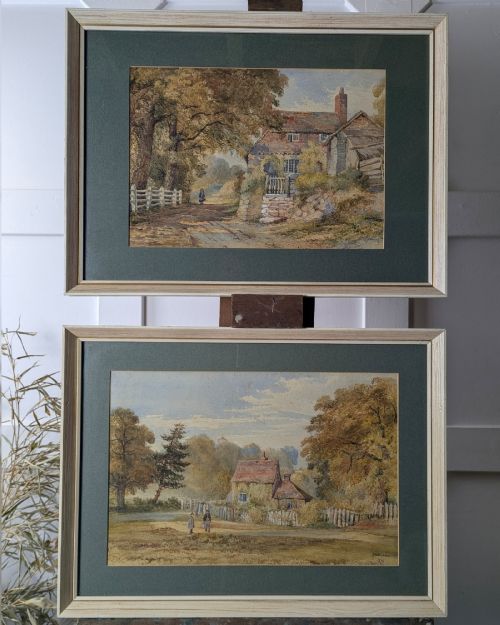
Original Cottage Painting
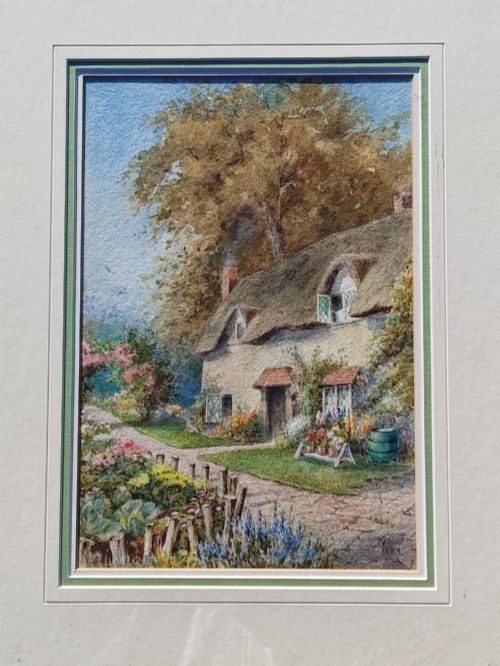
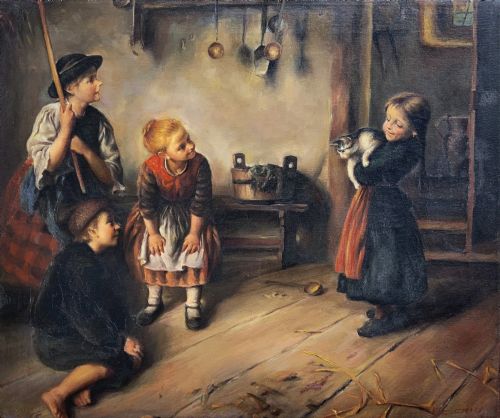
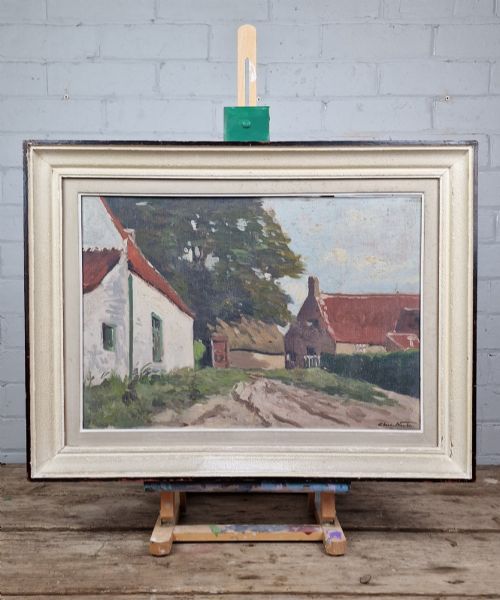
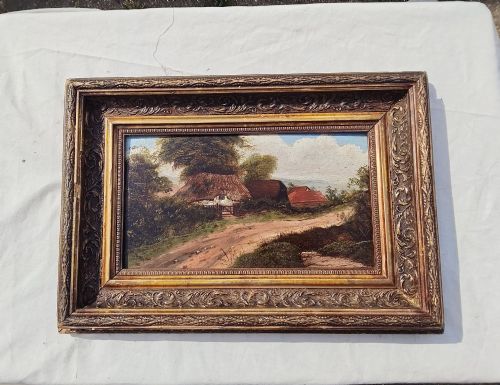
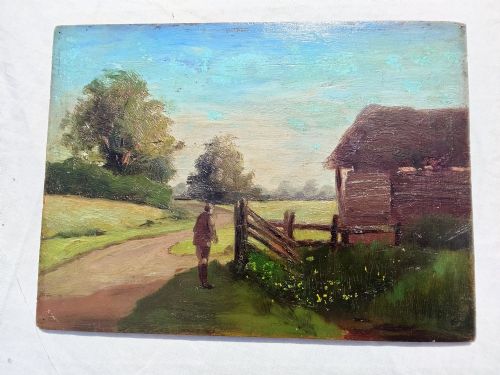
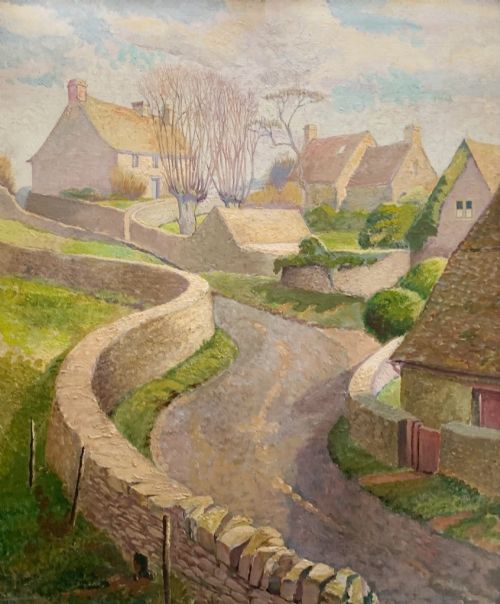
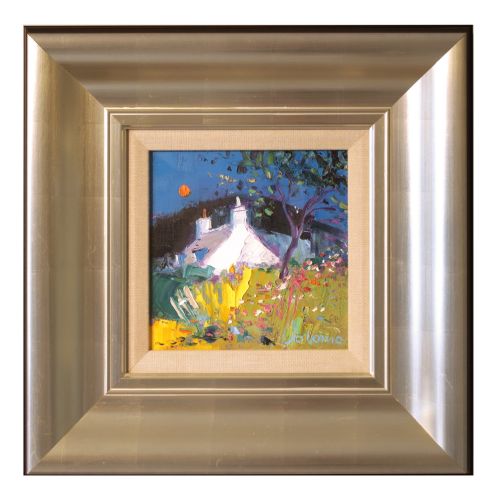
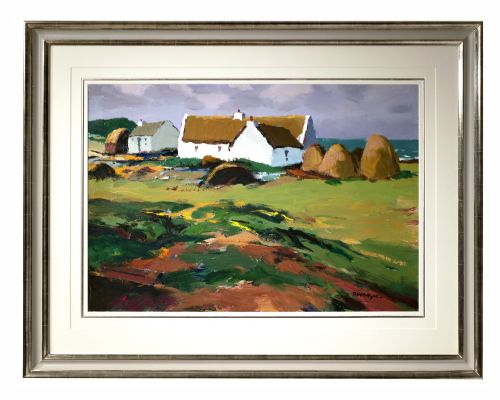
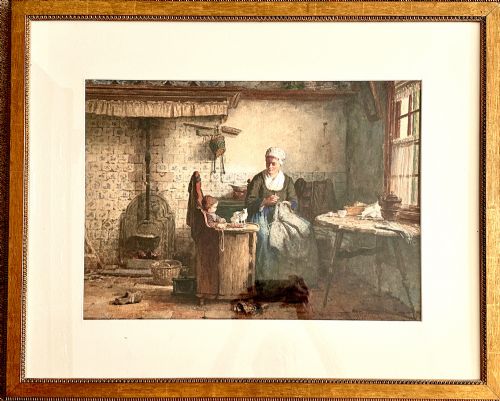
These original cottage painting works capture rural domestic charm across centuries of British and European landscape art.
Original Cottage Painting
When searching for an original cottage painting, collectors encounter rural scenes spanning from the nineteenth century into the mid-twentieth century.
The selections on this page feature regional landscapes, country gardens, and thatched dwellings rendered by named artists and regional schools.
Watercolours and oil on canvas dominate the offerings, reflecting domestic British scenery from Yorkshire to Devon.
Materials and methods
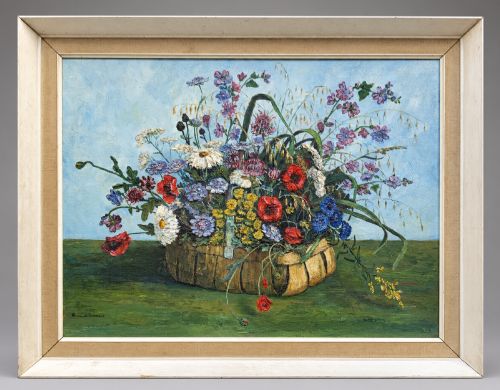
Artists built these compositions utilising oil paint on canvas, wood panel, or card, alongside delicate watercolour washes on paper.
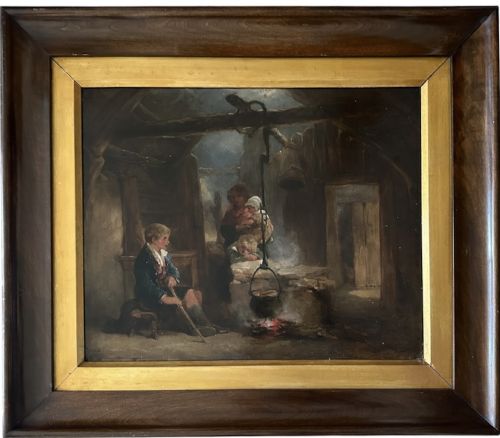
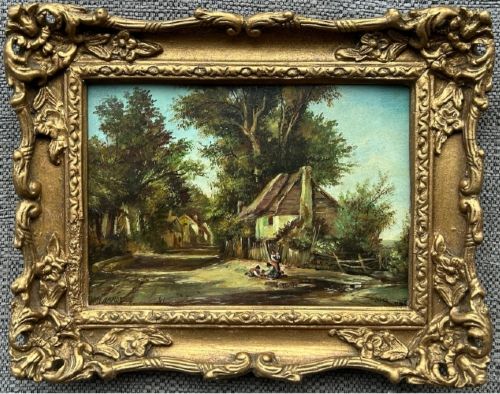
Support structures range from stretched canvas frames to heavy wooden boards, often preserved within period gilt frames.
The archive and active listings display works spanning the nineteenth century up to nineteen sixty, utilising paper, wood, canvas, and gilt framing.
Evaluating the standard
Quality rests upon the handling of light, atmospheric depth, and the secure application of pigment to the chosen support.
Stronger examples display confident brushwork and distinct provenance, whereas lesser items rely on formulaic repetition without observation from nature.
William Howard Hardy·A. Marie Parsons·John McDougal·Charles Houben·Hendrik Valkenberg·Percy Lancaster·Fred Lawson·Donald McIntyre
The Original Cottage Painting Glossary
- Watercolour
- A painting method where fine pigment is suspended in a water-based, translucent solution applied to paper.
- Impressionism
- A style focusing on accurate depiction of light and fleeting visual moments rather than rigid detail.
- Provenance
- The documented history of ownership establishing the authenticity and origin of an artwork.
- Gilt wood
- Carved timber treated with a thin layer of gold leaf, commonly found on period framing.
- Genre painting
- Artistic depiction of scenes from everyday life, frequently featuring figures outside rustic dwellings.
Original Cottage Painting: Frequently Asked Questions
How do I date an antique landscape painting?
Dating relies upon stylistic markers, framing techniques, and the material composition of the canvas or paper support. Archival records and artist signatures further clarify the exact period.
Examinations of the reverse side often reveal historic labels, stamps, or stamps left by framing workshops that confirm the era of production.
What is the difference between oil and watercolour?
Oil paint utilises slow-drying binders that allow artists to blend rich textures and layer deep tones over extended periods. Watercolour relies on transparent washes that capture immediate light effects.
Watercolours require protective glass framing to prevent moisture damage, whereas oil paintings on canvas remain open to the room.
How should I care for a vintage painting?
Protect delicate works from direct sunlight, excessive humidity, and sudden temperature shifts that can warp wooden panels or fade water-soluble pigments. Keep the hanging environment stable.
Dust surfaces gently with a soft, dry brush without applying liquid cleaners or household solvents directly to the paint layer.
Are signed works more desirable?
Signatures provide direct attribution to an artist, connecting the piece to a documented body of work and established market history. Monograms or inscriptions offer similar biographical clues.
Unsigned pieces attributed to an English School still hold artistic merit when the brushwork and regional subject matter demonstrate strong period technique.