



Original Church Artwork
Original church artwork brings centuries of architecture, village life and spiritual heritage into a room through watercolours, oils and drawings.
Original Church Artwork
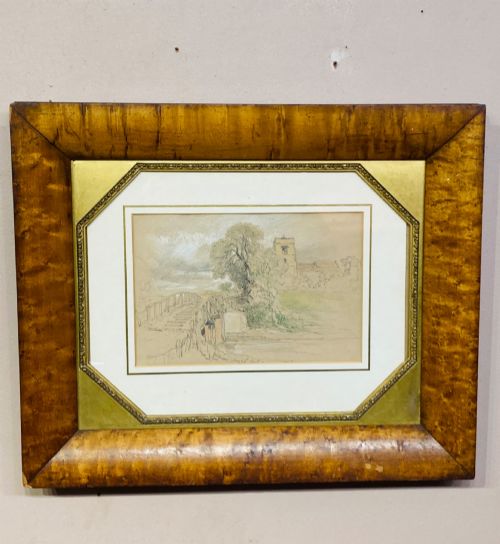
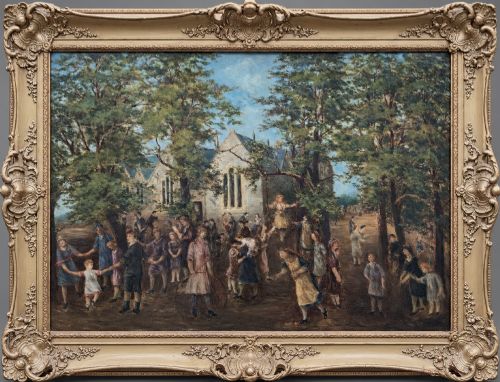
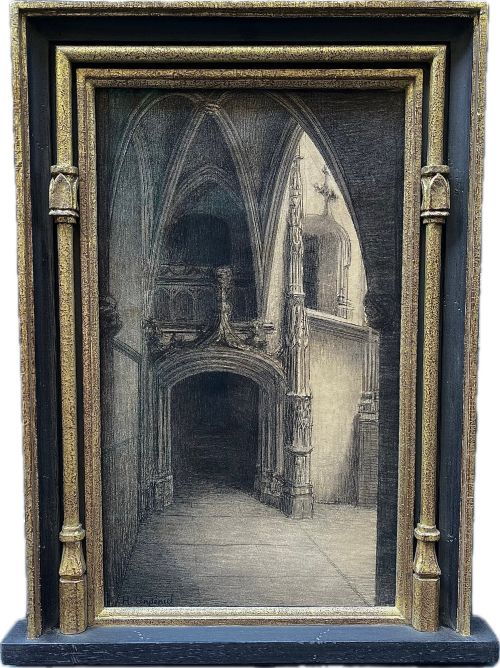
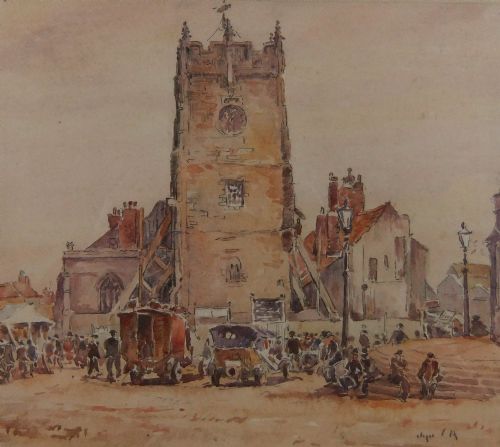
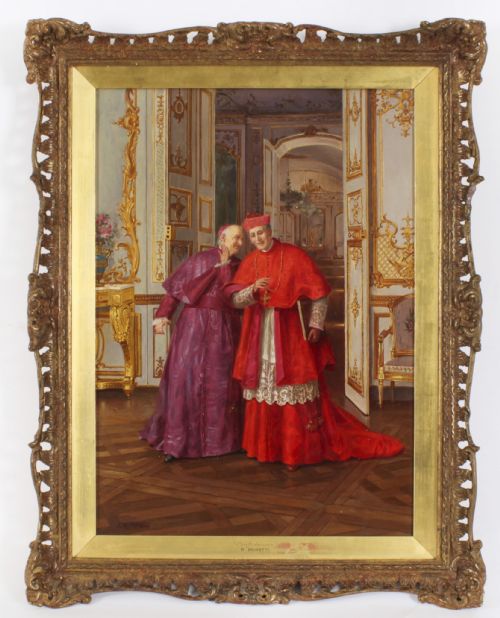
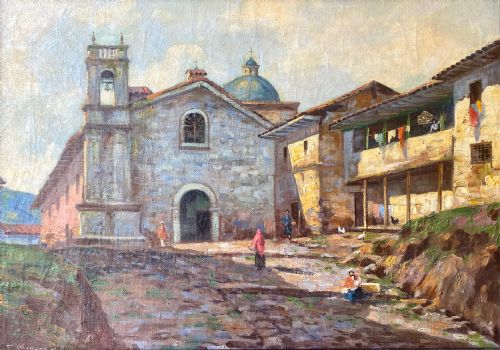
Original church artwork encompasses paintings, watercolours, drawings and architectural sketches depicting ecclesiastical buildings, village churchyards and religious scenes. These pieces capture places of worship as central points of community life across British and international landscapes.
The works appearing most frequently on this page range from Victorian watercolours and Edwardian oil paintings to mid-century modernist interpretations. Buyers often find watercolours of specific local parishes alongside larger oil paintings of rural village churches.
Dating primarily from the nineteenth and twentieth centuries, these pieces include precise architectural drawings alongside impressionist and early modern interpretations. Each item provides a visual record of changing building styles and landscape surroundings over past centuries.
Quality Variations
Quality in original church artwork depends upon the artist's ability to render architectural perspective correctly while capturing the atmosphere of the site. Superior pieces demonstrate confident brushwork or precise draftsmanship that brings stone, light and shadow to life.
The distinction between standard and exceptional works lies in the depth of composition and the handling of surrounding landscape elements like trees, paths and figures. Works by recorded artists or those with specific local provenance carry greater artistic and historical weight.
Original Church Artwork Retail Price Guide 2026
Typical asking prices for original church artwork among the pieces listed under this phrase on Sellingantiques today, from the lower quarter to the upper quarter. They describe what is for sale here now, not the wider market.
Henry Lines·John Smith Atherton·Henri Charles Angéniol·Renato Moretti·Joan Gillchrest·William Greaves·John Edward Bale·Kershaw Schofield·Rowland Henry Hill·Maurice Asselin·Jeffrey Pratt·John Jaques·Henri Therme·David Bates·Joseph Hansom·Frederick Underhill·Stephanie Cooper·Fred Lawson·John Thirtle
The Original Church Artwork Glossary
- Gothic Revival
- An architectural and artistic movement reviving medieval Gothic forms, frequently seen in nineteenth-century depictions of church buildings and architectural drawings.
- Watercolour
- A painting method where fine pigment is suspended in a water-based solution on paper, prized for luminosity and delicate washes.
- Oil on Canvas
- Pigment mixed with drying oil applied to a woven fabric stretched over a wooden frame, allowing rich colour blending and textured surfaces.
- Architectural Drawing
- A technical or artistic drawing focusing on the precise structural details of buildings, including elevations, floor plans and perspective views of churches.
Original Church Artwork: Frequently Asked Questions
What periods do these paintings come from?
The pieces span the nineteenth and twentieth centuries, with significant representation from the Victorian and Edwardian eras alongside mid-century modernist works.
Dates range from early nineteenth-century watercolours up to post-war twentieth-century oil paintings.
How were these artworks created?
Artists used oil paint on canvas or board, watercolour on paper, and ink or pencil for architectural drawings.
Techniques vary from precise architectural drafting to loose impressionist brushwork capturing light on stone.
Are the buildings in the paintings real places?
Many pieces depict identifiable locations, such as specific parish churches, cathedrals and village churchyards across Britain and abroad.
Artists often inscribed titles or locations on the work or backing, noting specific towns and counties.
How should I frame and display them?
Works on paper require framing behind glass with conservation mount board to protect the watercolour or ink from light damage.
Oil paintings on canvas are best displayed away from direct sunlight and excessive humidity to preserve the paint layers.