



Original Castle Oil Painting
An original castle oil painting captures historic fortification and romantic landscape on canvas or board from the Georgian, Victorian, and mid-century periods.
Original Castle Oil Painting
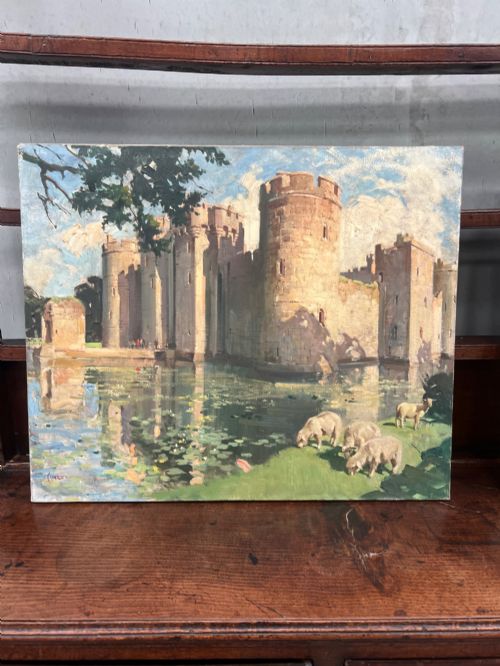
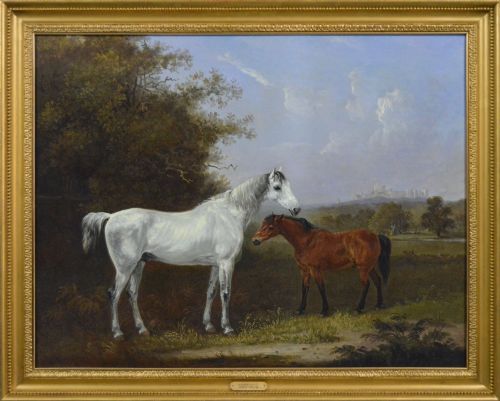
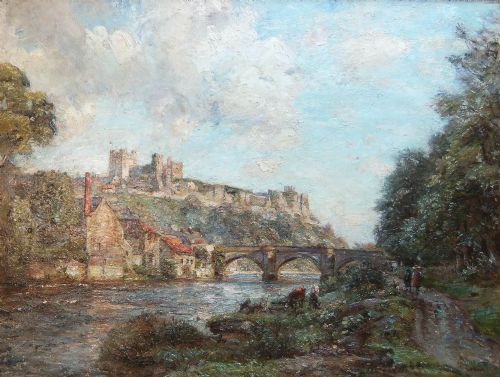
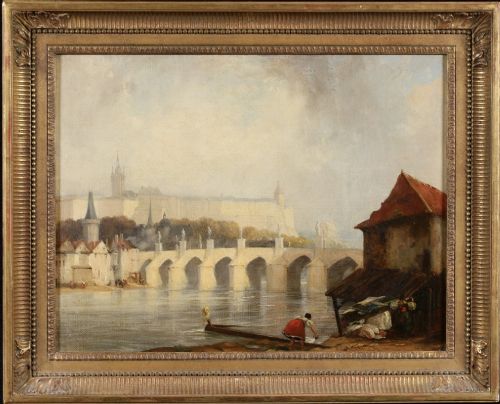
An original castle oil painting brings historic English and Welsh fortresses into domestic interiors through works spanning the Georgian, Victorian, and mid-century eras. Collectors encounter depictions of famous strongholds such as Windsor Castle, Warwick Castle, and Richmond Castle executed by named nineteenth and twentieth century artists.
The compositions range from sweeping romantic landscapes featuring rivers and rural figures to detailed impressionist studies of ancient stone walls and bridges. These oil paintings on canvas or board preserve topographical history alongside changing artistic interpretations across multiple decades.
Materials and construction methods
The works utilise oil paint applied to prepared canvas, wooden panels, or rigid board supports using traditional brushes and palette knives. Many examples retain their period giltwood and plaster frames which complement the heavy textures of the pigments.
Artists built up the surface through layered applications of oil medium to capture light on stone masonry, water, and foliage. The physical support often bears the canvas stamps or stretcher marks characteristic of nineteenth and twentieth century artist suppliers.
Original Castle Oil Painting Retail Price Guide 2026
Typical asking prices for original castle oil painting among the pieces listed under this phrase on Sellingantiques today, from the lower quarter to the upper quarter. They describe what is for sale here now, not the wider market.
Several canvases manage to squeeze wandering horses, curious fisherfolk, and formidable stone battlements into a single afternoon view.
Distinguishing quality and execution
Quality rests upon the artist's ability to render architectural perspective alongside atmospheric depth in the surrounding landscape. Stronger pieces display confident brushwork and a balanced handling of natural light upon ancient stonework.
The sophistication of the palette and the preservation of the original paint surface separate standard topographical records from masterly impressionist interpretations. Original period framing also contributes significantly to the integrity of the piece.
Terence Cuneo·Edmund Bristow·Herbert Royle·William Mellor·Samuel Sidley·Thomas Whittle the Younger·George Willis Pryce·Charles Walter Radclyffe·Victor Haddrell
The Original Castle Oil Painting Glossary
- Oil on Canvas
- Pigment mixed with drying oil applied to a woven fabric support stretched across a wooden frame. This combination provides flexibility and a textured ground favoured by artists.
- Giltwood
- Wood, typically carved gesso-coated timber, finished with a thin layer of gold leaf. It forms the decorative ornamental frames common on nineteenth-century paintings.
- Romanticism
- An artistic movement focusing on emotion, individualism, and awe of nature. Castle paintings within this style emphasise the picturesque and dramatic qualities of ancient ruins.
- Impressionism
- A style involving thin brush strokes and an emphasis on accurate depiction of light. Mid-century and British examples capture fleeting atmospheric conditions around historic sites.
Original Castle Oil Painting: Frequently Asked Questions
How do I date a castle oil painting?
Dating relies upon examining the canvas support, stretcher frames, pigment types, and the stylistic conventions of the artist. Historical dress of figures or identifiable architectural alterations to the castle can also narrow the timeframe.
Signatures, artist registry records, and the construction style of the surrounding giltwood frame offer further chronological clues for nineteenth and twentieth-century works.
Where should I hang an oil painting?
Oil paintings require placement away from direct sunlight and excessive humidity to protect the canvas and pigment layers. Stable indoor environments prevent the wood stretcher and paint film from warping.
Wall spaces with indirect ambient light allow the textures of the oil paint and the detail of the castle architecture to be viewed clearly without thermal damage.
What is the difference between canvas and board?
Canvas consists of woven fabric stretched over a wooden frame, offering slight give and a textured surface. Board provides a rigid, flat support made of wood or compressed material that resists punctures.
Both supports were used across different periods, with board often appearing in smaller plein air studies and canvas favoured for larger formal landscapes.