




Original Canvas Wall Painting
An original canvas wall painting brings texture, depth and history to a room in a way mass-produced prints simply cannot replicate.
Original Canvas Wall Painting
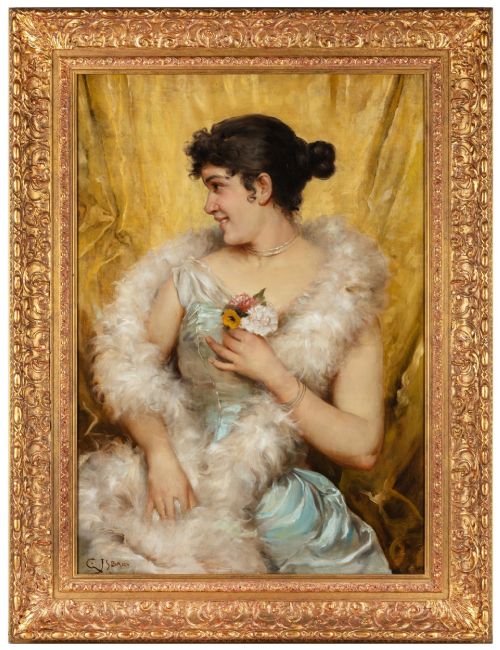
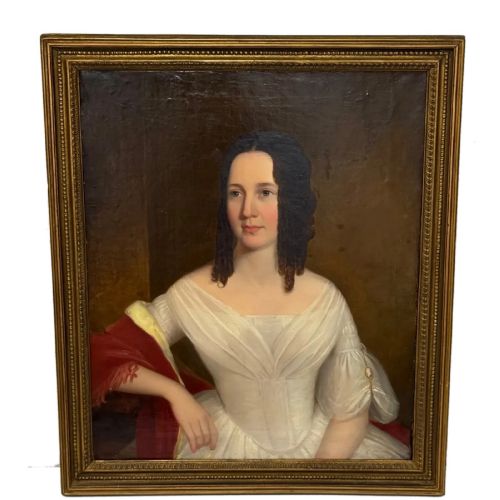
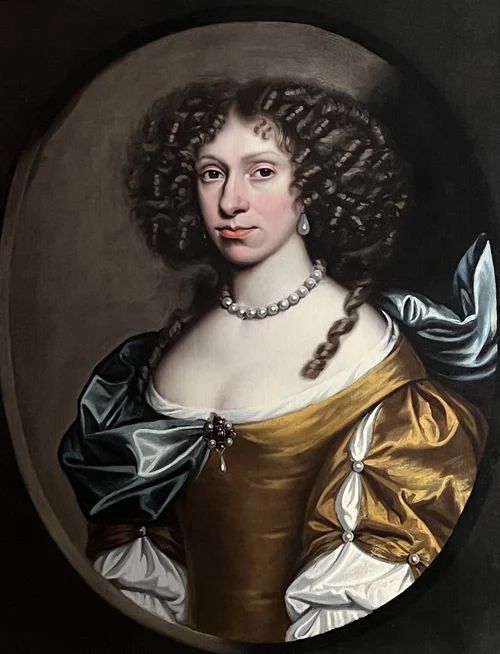
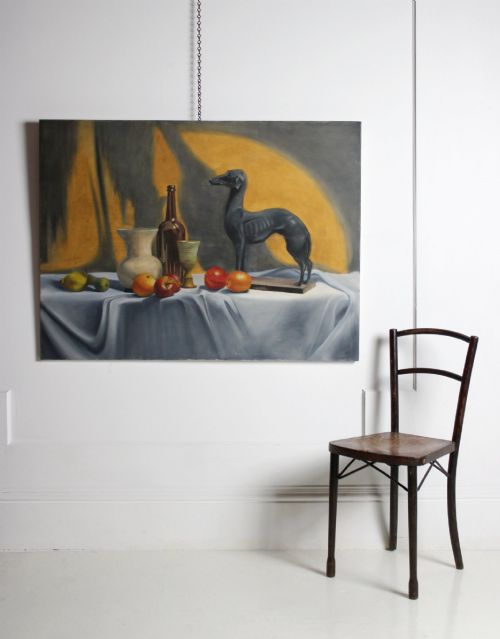
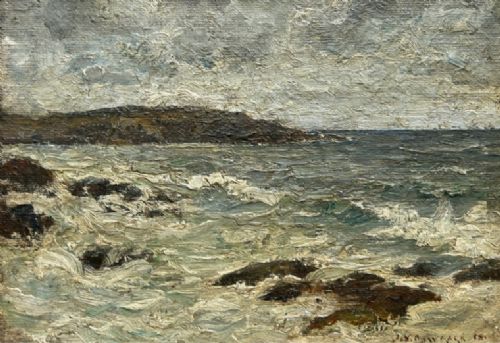
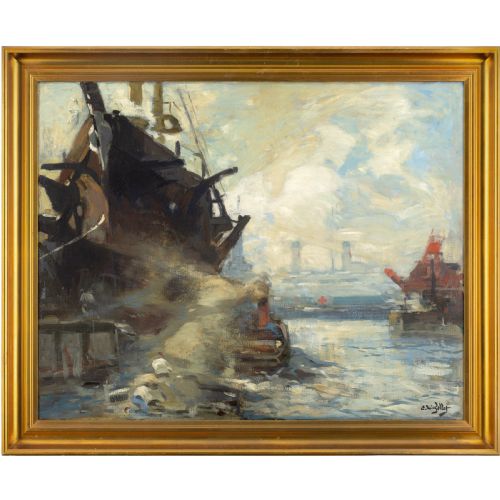
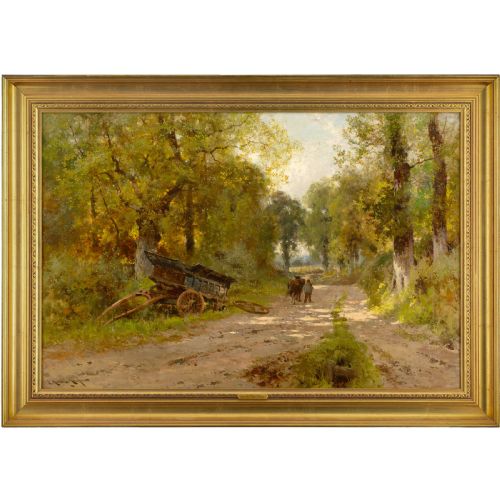
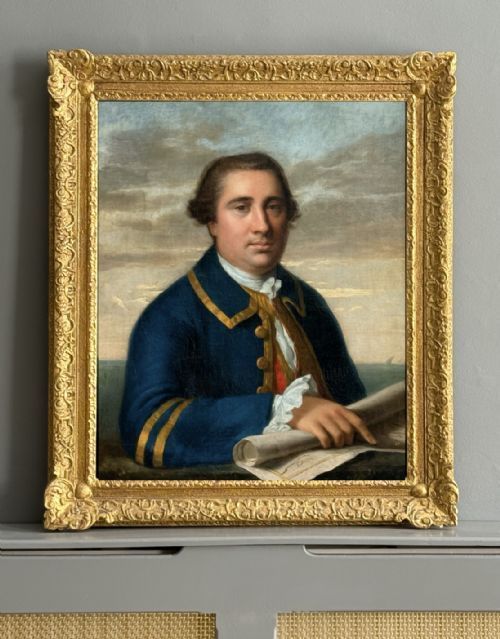
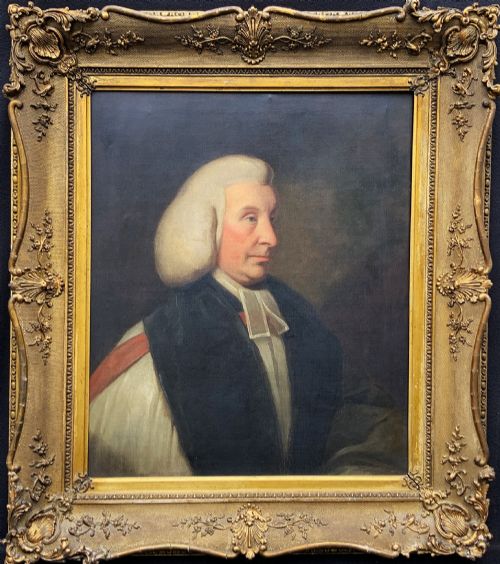
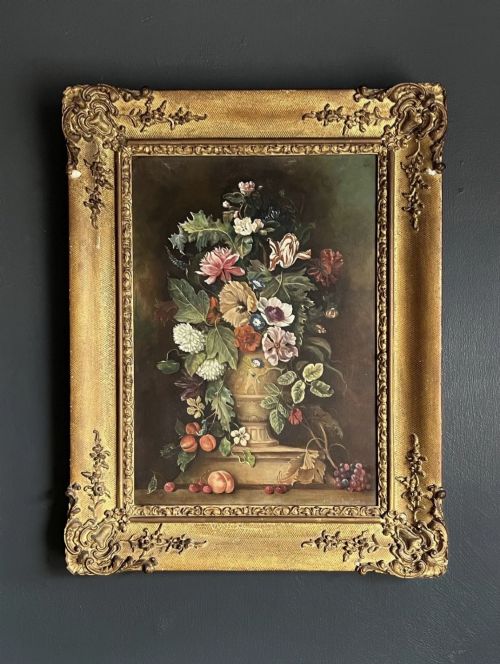
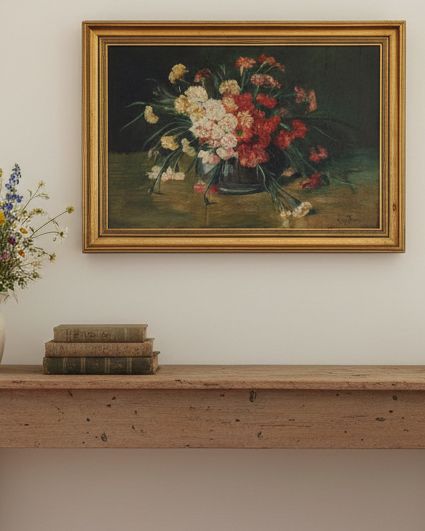
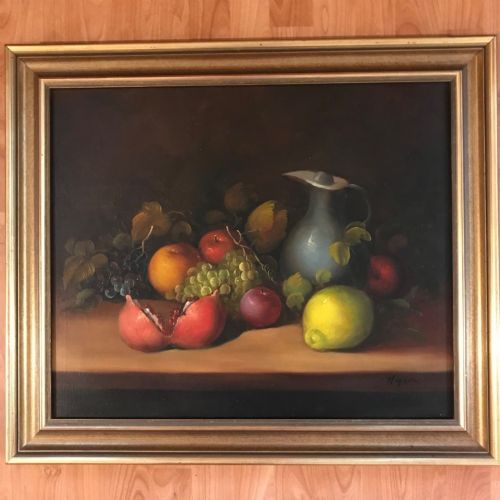
When you browse for an original canvas wall painting, you encounter works spanning multiple centuries, from seventeenth-century portraiture to mid-twentieth-century coastal and floral scenes. The selection encompasses oil paint applied to canvas, board, and wood, reflecting diverse artistic movements including Post-Impressionism, Victorian academic painting, and Mid-Century Modernism.
The subjects vary widely across the inventory, ranging from solemn formal portraits of gentlemen and noblewomen to rustic landscapes, maritime views, and vibrant still lifes of flowers and fish. Many pieces arrive housed in their original gilt gesso frames, preserving the complete aesthetic presentation intended by the period.
You are most likely to meet nineteenth-century portraits and early to mid-twentieth-century landscape paintings on this page. These works bridge traditional academic technique and the freer brushwork of later impressionist styles.
Materials and technique
The primary vehicle across these listings is oil paint, valued for its rich pigment load, slow drying time, and capacity for both subtle blending and thick, textural impasto application. Painters laid these oils onto stretched canvas or wooden board, often building up layers to create light and shadow.
Support frames and mouldings play a crucial role, with many canvases retained within carved wood and gilt gesso frames that date directly to the creation of the artwork itself.
Several canvases capture very specific domestic moments, including tea times in country houses and portraits of valued racehorses.
What varies in quality
Quality in these paintings rests upon the confidence of the brushwork, the accuracy of anatomical or spatial composition, and the artist's ability to capture light and atmosphere. A stronger piece demonstrates deliberate, assured mark-making rather than hesitant or formulaic execution.
The preservation of the original surface and the harmony between the painting and its period frame also determine distinction. Works that retain their untouched pigment layers and appropriate framing sit clearly above those with heavy, unsympathetic later interventions.
David Scougall·John Hayls·Lemuel Francis Abbott·George Houston·Stephen Samuel Lewin·Robert Morson Hughes·Benjamin Barker of Bath·Alfred Lyndon Grace·Albert Clark·Antonio DeVity
The Original Canvas Wall Painting Glossary
- Impasto
- Paint applied thickly to a canvas or board, standing out in relief from the plane so that the artist's brush or palette knife marks remain clearly visible. This technique adds literal physical dimension and texture to the surface.
- Gesso
- A traditional paint mixture consisting of a binder mixed with chalk, gypsum, or pigment, used to prepare wood panels or canvases. When applied to picture frames, it provides a smooth base for subsequent gilding.
- Post-Impressionism
- An art movement developing roughly from the late nineteenth century onwards, extending impressionist rejection of rigid academic rules while emphasising symbolic content, heavier brushwork, and distinct forms.
- Giltwood
- Wood that has been coated with a thin layer of gold leaf or gold paint, frequently utilised for ornate picture frames during the eighteenth and nineteenth centuries.
Original Canvas Wall Painting: Frequently Asked Questions
How do I hang a heavy framed canvas?
Heavy framed works require sturdy picture hooks rated for the specific weight of the painting, fixed directly into wall studs or masonry rather than loose plaster.
Ensure the hanging wire or rings on the back of the frame are secure and balanced to distribute the load evenly across the wall mount.
How can I tell the age of a canvas?
The age of a canvas is assessed by examining the weave tightness, the type of stretcher frame construction, and the formulation of the ground layer on the reverse.
Older canvases often show natural oxidation, yellowing of the initial sizing, and hand-forged or early machine-cut tacks securing the fabric.
Where should I place an original oil painting?
Oil paintings benefit from stable environments away from direct, harsh sunlight, which can fade pigments and dry out the canvas fibres over time.
Keep paintings away from damp exterior walls and direct heat sources such as radiators to prevent warping of the wood and cracking of the paint layer.