



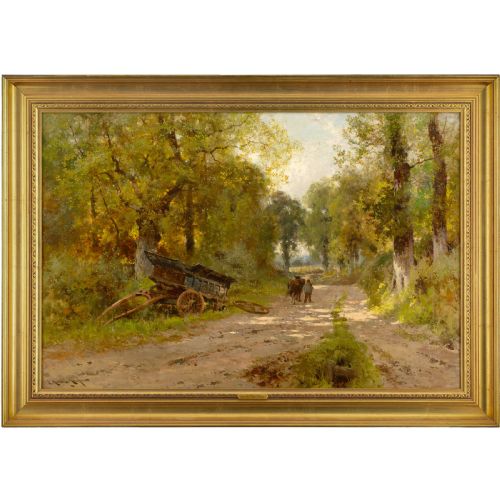
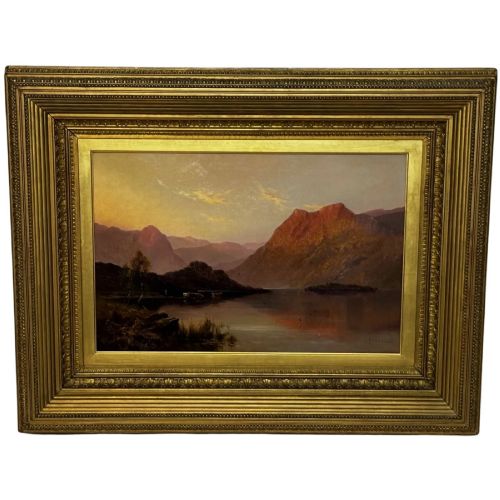
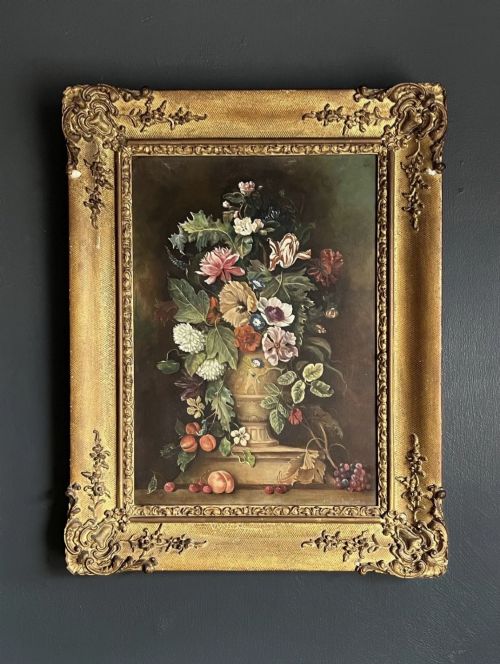
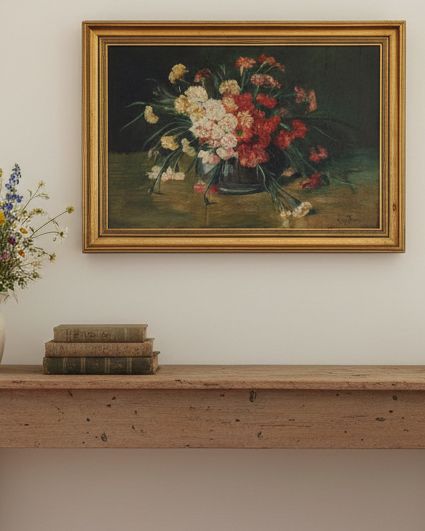
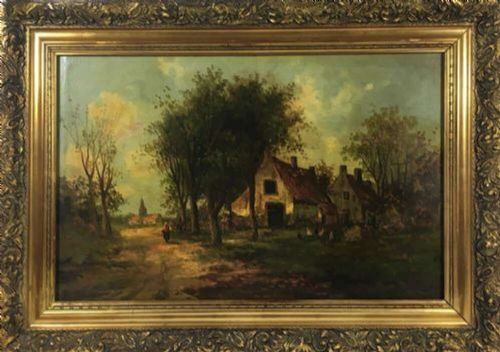
Original Canvas Oil Artwork
Original canvas oil artwork brings centuries of pigment, brushwork and primed fabric directly into a room.
Original Canvas Oil Artwork
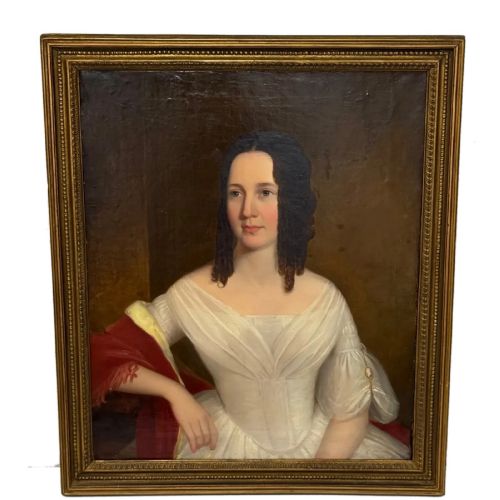
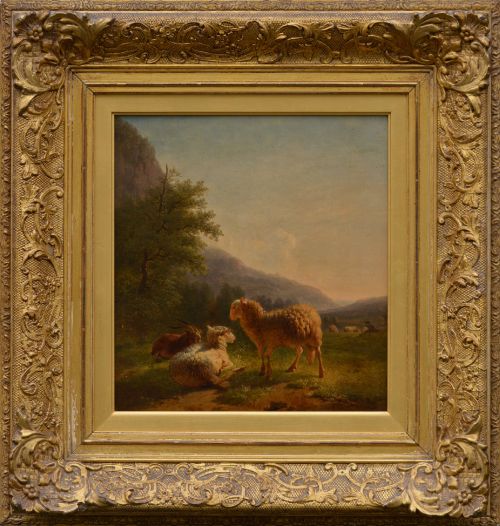
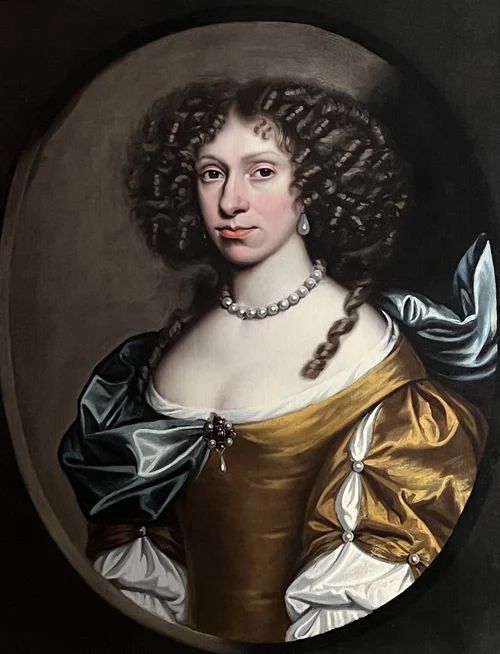
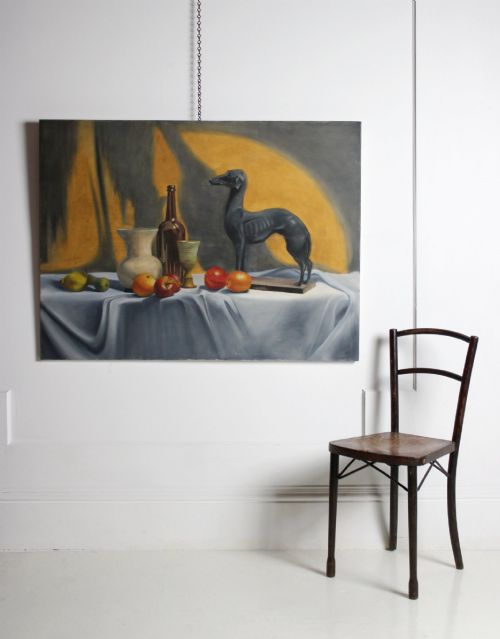
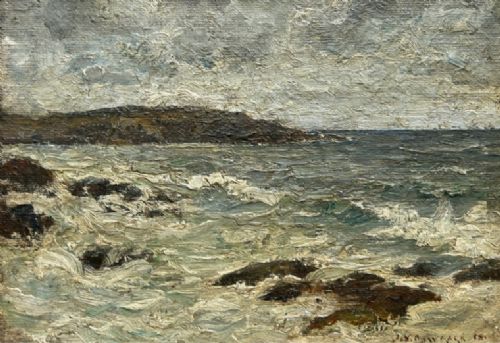
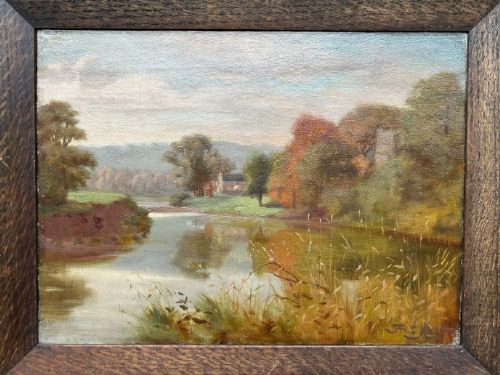
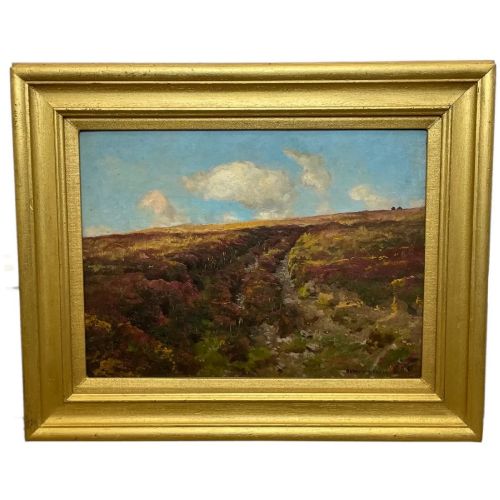
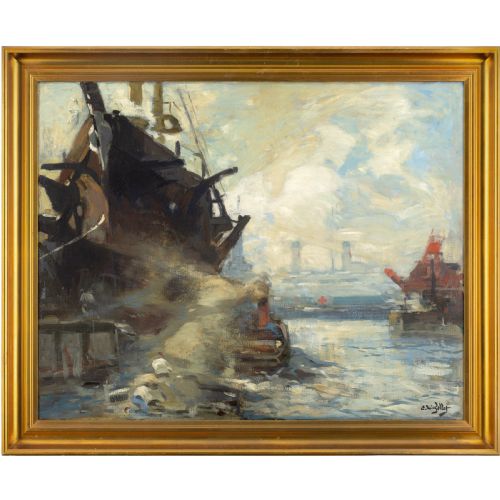
Original canvas oil artwork encompasses painted compositions executed by hand upon woven fabric supports, ranging from intimate nineteenth-century portraits to mid-century coastal landscapes. When exploring original canvas oil artwork on this page, buyers frequently encounter Victorian scenes, maritime subjects, floral still lifes and post-impressionist views.
The selections span distinct periods including the seventeenth, eighteenth, nineteenth and mid-twentieth centuries, framed variously in wood, giltwood and gesso. Such pieces serve as primary historical records of shifting artistic tastes across British and continental European schools.
How they were made
Makers built these works by stretching woven canvas over wooden frames, priming the surface with gesso or preparatory layers before applying oil paint with brushes or palette knives. The slow-drying nature of oil media allowed artists to blend tones, build rich impasto textures and rework details over extended periods.
Finished paintings were frequently housed in ornate wooden frames, often finished with gilt or moulded gesso decoration designed to complement the visual weight of the pigment.
Materials recorded across the inventory include oil paint, canvas, wood, giltwood and gesso.
What varies in quality
The distinction between ordinary and exceptional examples rests in the confidence of the brushwork, the depth of the palette and the structural integrity of the canvas and frame. Masterful handling of light and anatomical or spatial precision elevate a composition far above routine commercial output.
Preservation of the original paint layer without extensive overpainting, alongside the harmony between the artwork and its period frame, determines the standing of an individual piece.
Kenneth Cozens·Eugène Verboeckhoven·David Scougall·William H Myers·Clifford Hanney·Frederick Marriott·Arthur Wardle·Eugène-Louis Gillot·John Horace Hooper·Alfred Fontville de Breanski Jr·George Houston RSA RSW·Stephen Samuel Lewin·Robert Morson Hughes·Vittorio Reggianini·Thomas W Lascelles·Gabriel Mathieu·David Bates·Benjamin Barker of Bath·Alfred Lyndon Grace
The Original Canvas Oil Artwork Glossary
- Impasto
- Paint applied thickly to a canvas, standing out in relief from the plane so that the physical texture of the brush or palette knife remains visible. This technique adds tactile depth and catches light across the surface of the painting.
- Gesso
- A traditional white paint mixture consisting of a binder mixed with chalk, gypsum or pigment, used to prepare wood or canvas surfaces for oil painting. It provides a smooth, stable ground for the artist.
- Giltwood
- Wood that has been decorated with a thin layer of gold leaf or powder. It frequently frames antique paintings to provide a reflective border.
- Post-Impressionism
- An artistic movement developing roughly from the late nineteenth century that extended impressionist ideals while rejecting its limitations. Artists prioritised symbolic content and expressive use of colour and form.
- Provenance
- The chronological documentation of the ownership history of a work of art. Clear records establish authenticity and historical context.
Original Canvas Oil Artwork: Frequently Asked Questions
How do I date an oil painting?
Dating relies on stylistic evidence, stretcher construction, canvas types and framing methods characteristic of specific decades or centuries.
Signatures, inscriptions on the reverse, and recorded artist biographies help narrow the window of creation further.
Are all these pieces painted on canvas?
While the majority utilise woven canvas stretched over wooden frames, some examples employ rigid wooden boards as the primary support.
Both formats were common across the nineteenth and twentieth centuries for oil painting.
How should I hang an oil painting?
Paintings on canvas require stable wall fixings suited to the combined weight of the artwork and its heavy wooden frame.
Placement should avoid direct sunlight and rapid fluctuations in room temperature to protect the oil pigments.
What is the Barbizon School?
The Barbizon School represents a mid-nineteenth-century French art movement toward realism in landscape painting.
Artists associated with the group worked directly from nature, focusing on rural farmyards and forests.