



Original Canvas Art
Original canvas art brings centuries of hand-painted portraiture, landscape, and still life directly into a room on stretched fabric.
Original Canvas Art
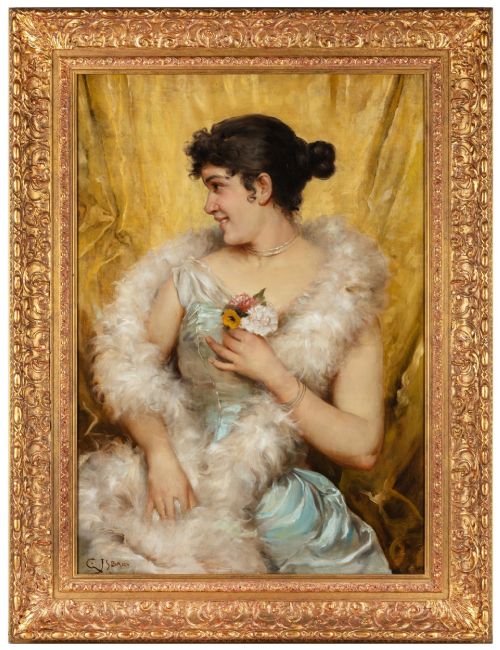
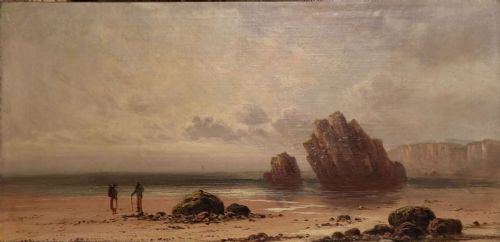
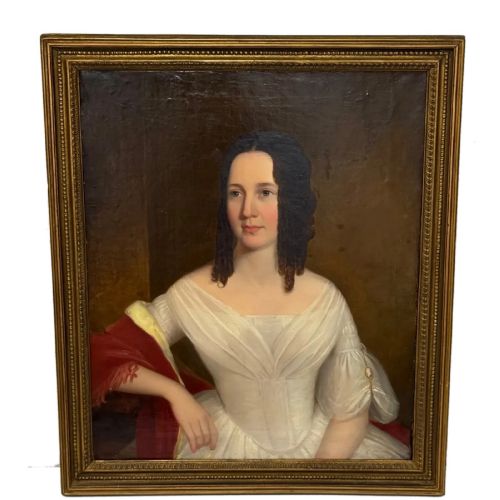
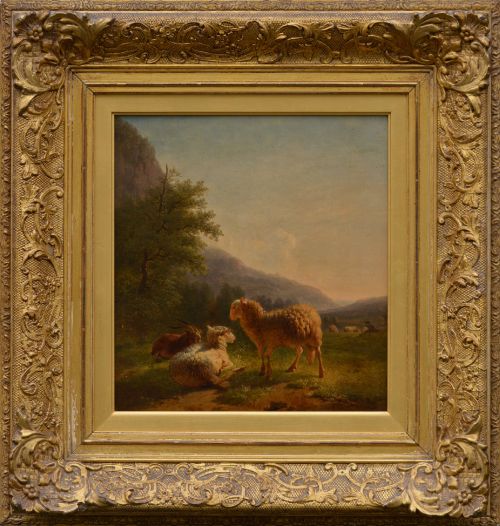
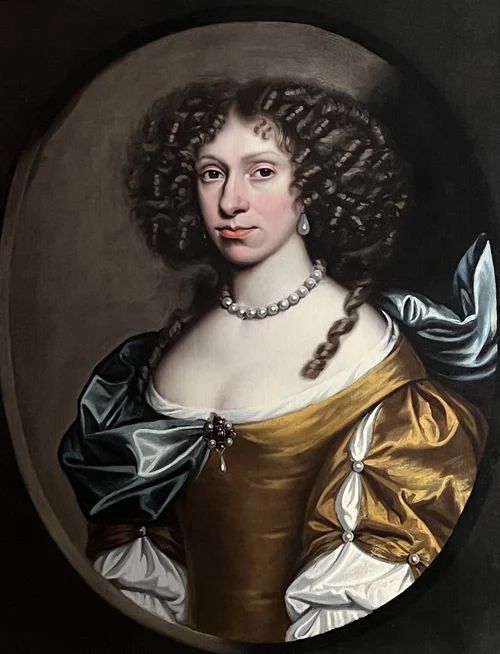
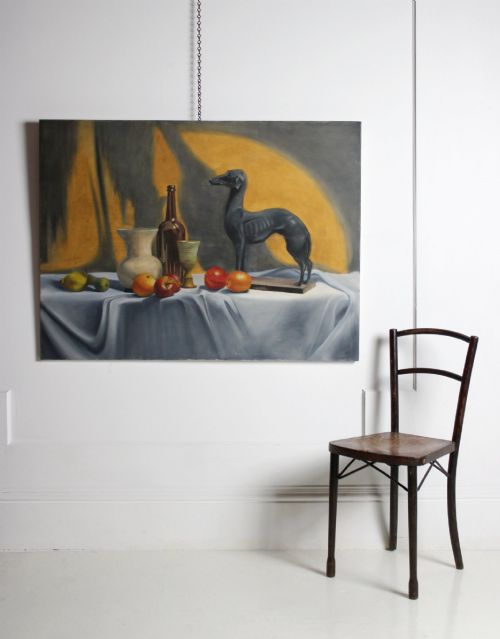
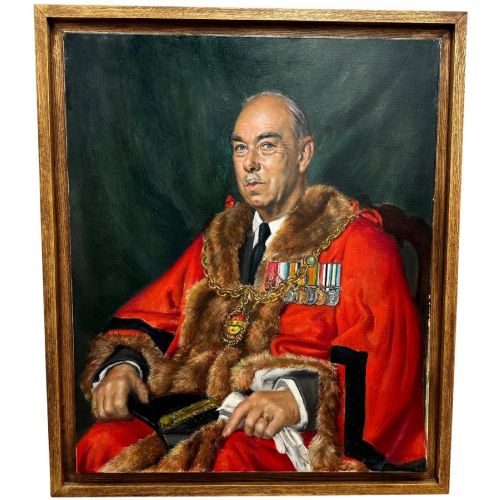
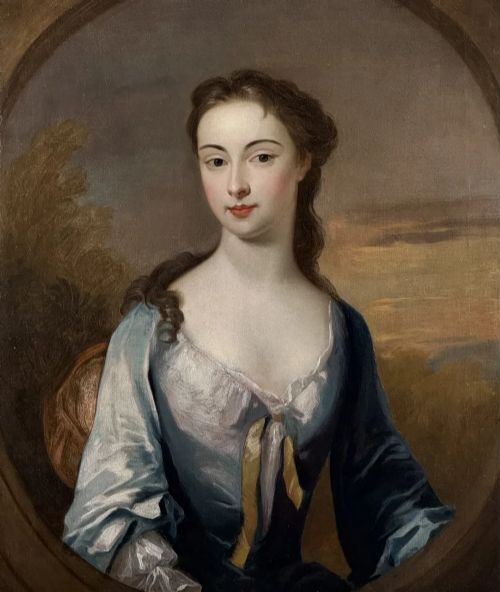
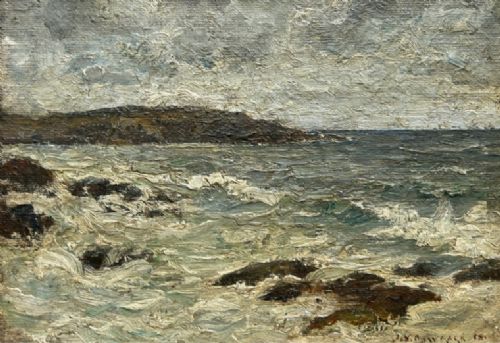
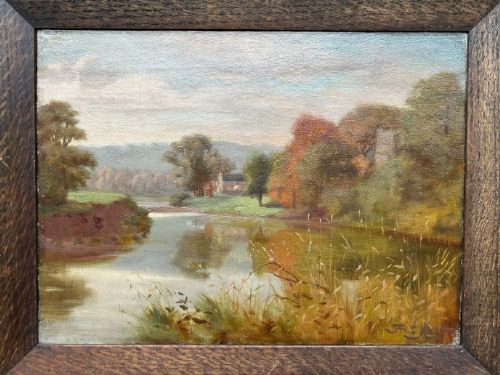
Original canvas art spans historical oil paintings on woven supports from the seventeenth century through the mid-twentieth century. Buyers encounter formal portraiture, maritime scenes, rural landscapes, and floral still lifes produced across British and European schools.
The selection ranges from early aristocratic oil portraits to plein-air landscapes and mid-century compositions. Many pieces retain their period frames constructed from moulded wood and plaster.
Works appear from named regional artists as well as continental movements like Post-Impressionism and the Barbizon School. These paintings offer a direct connection to historical painting traditions.
Materials and construction
Painters applied oil paint directly onto stretched woven canvas or wooden board supports. Artists utilised brushes and palette knives to build impasto textures or smooth glazes.
Support structures typically consist of wooden stretchers holding the textile firm. Finished artworks frequently sit within decorative giltwood or gesso frames adorned with plaster moulding.
Listings feature works spanning the seventeenth to the mid-twentieth century, executed in oil paint on canvas and board.
Evaluating individual pieces
Quality rests upon the artist's technical execution in handling light, perspective, and proportion within the composition. Stronger works demonstrate confident brushwork and deliberate colour harmony.
The integrity of the painted surface and the stability of the underlying textile support influence the desirability of a piece. Original period frames that complement the painting add notable character to the artwork.
David Scougall·John Hayls·Charles Jervas·Lemuel Francis Abbott·Eugène Verboeckhoven·David Bates·Vittorio Reggianini·Kenneth Cozens·Bernard Hailstone·John Nost Sartorius
The Original Canvas Art Glossary
- Canvas
- A heavy woven fabric typically made from linen or cotton that serves as a support for oil paint.
- Impasto
- Paint applied in thick layers that stand proud of the canvas surface, retaining visible brush or palette knife marks.
- Stretcher
- The wooden frame framework upon which an artist tautly stretches the canvas before painting.
- Gesso
- A traditional paint mixture consisting of a binder mixed with chalk or plaster, used to prepare frames or wooden panels.
- Provenance
- The documented history of ownership surrounding an artwork, establishing its authenticity and origin.
Original Canvas Art: Frequently Asked Questions
How do I date an old canvas painting?
Dating relies on stylistic evidence, artist signatures, and the construction methods of the stretcher and canvas. Examining historical records and biographical details of the painter provides further chronological context.
Material analysis of the pigments and the weave of the textile can also help narrow down the period of creation.
What is the difference between oil on canvas and oil on board?
Oil on canvas utilises a flexible woven textile stretched over a wooden frame, allowing for larger formats and textured surfaces. Oil on board involves painting on a rigid wooden or composite panel.
Board supports were frequently utilised for smaller plein-air studies and portable works.
How should I care for original canvas art?
Protect the painting from direct sunlight, high humidity, and extreme temperature fluctuations to prevent the canvas from warping or the paint from cracking. Dust the surface gently with a soft, dry brush without applying pressure.
Avoid using water or liquid cleaning agents on the painted surface.
Are period frames original to the paintings?
Many artworks retain their original giltwood or gesso frames, which were often selected by the artist or the first owner. Subtle wear to the gilding typically confirms the age of the framing.
Some pieces have been reframed over the centuries to suit changing domestic interiors.