



Original Artwork 1930s
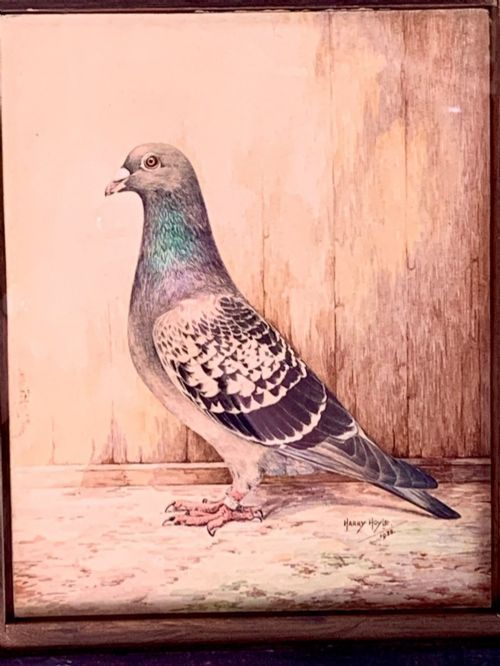
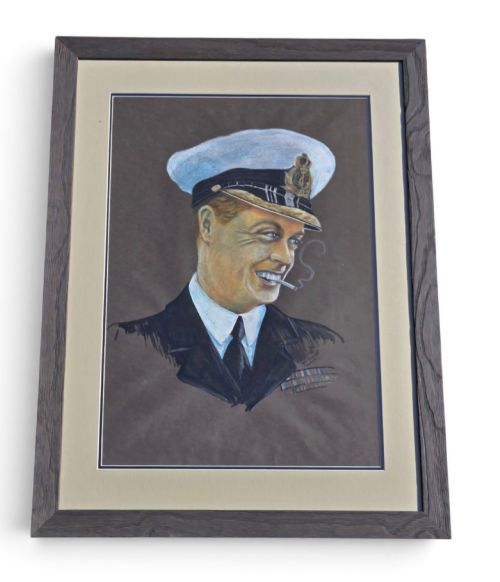
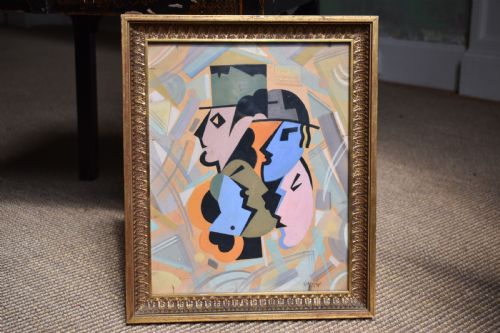
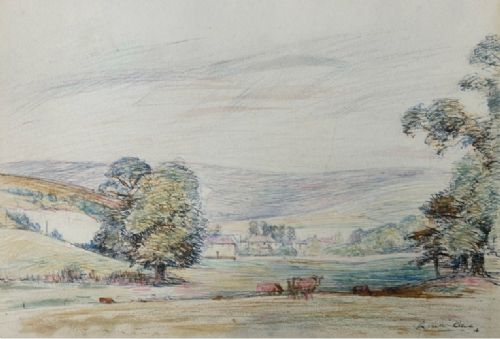
Original artwork 1930s pieces capture the distinct creative energy and shifting visual idioms of the interwar period.
Original Artwork 1930s
When you search for original artwork 1930s, you encounter a diverse selection of paintings, watercolours, drawings, and wall art produced during a transformative era in visual culture. The listings on this page span British and European traditions, capturing everything from pastoral landscapes and maritime scenes to portraiture and avant-garde compositions.
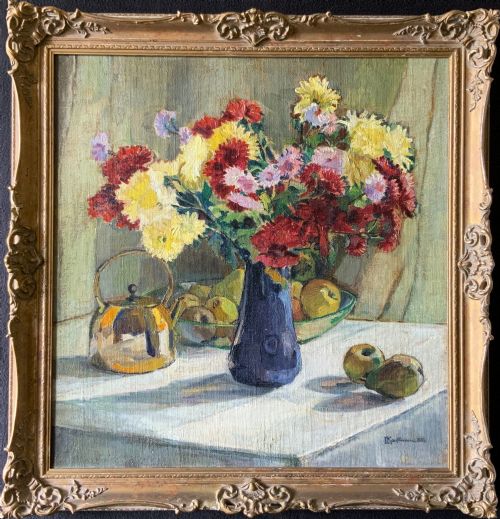
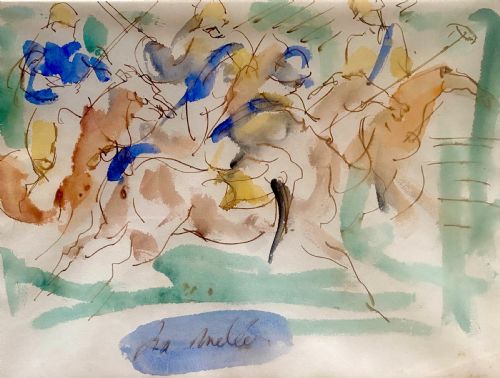
The most common formats you will meet are watercolours on paper and oil paintings executed on canvas or board. These works reflect the varied artistic impulses of the decade, shifting between traditional realism, impressionism, post-impressionism, and early modernist experiments.
Originating largely from British and French studios, these pieces bring period character to interior spaces through subjects such as rural farmyards, coastal views, still lifes, and figure studies. Each item offers a direct connection to the aesthetic concerns of artists working between the wars.
Materials and techniques
Works from this decade rely primarily on traditional supports such as canvas, wood boards, and heavy rag paper. Artists applied oil paint, watercolour, gouache, pastel, and ink, often choosing materials that dictated the speed and texture of their execution.
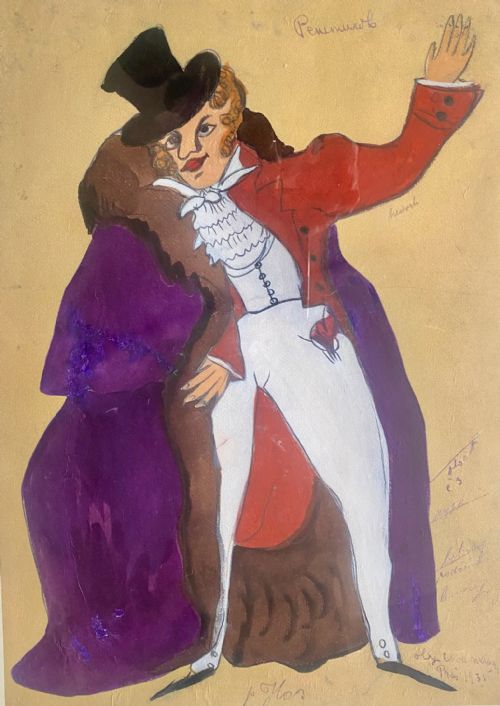
Oil paintings frequently showcase layered brushwork on canvas or primed board, capturing light and atmosphere in landscapes and interiors. Watercolours and gouache on paper demonstrate fluid washes and precise line work, characteristic of both plein air sketching and studio illustration.
The artistic styles represented span Art Deco, Post-Impressionism, Modern British, 1930s Realism, and Mid-Century Maritime.
Distinctions in quality
The success of a piece rests on the artist's command of medium and composition, whether managing the translucent washes of a watercolour landscape or the heavy impasto of a post-impressionist oil. Stronger examples demonstrate a confident handling of light, tone, and spatial depth that elevates the subject matter.
Provenance and signature clarity also influence standing, with documented studio sales or exhibition histories providing deeper insight into an artist's output. Pieces that retain their original framing and untouched surfaces offer a more complete historical artefact.
Henri Vincent Anglade·Lucien Gibert·Gustave Vidal·Fred Lawson·Philip Naviasky·Claude Jousset
The Original Artwork 1930s Glossary
- Gouache
- An opaque water-based paint that produces flat, vibrant areas of colour. It allows artists to layer light tones over dark ones unlike traditional transparent watercolour.
- Post-Impressionism
- A French art movement developing roughly between 1886 and 1905 that spread into the 1930s, focusing on symbolic content and expressive use of colour.
- Impasto
- Paint applied thickly to a canvas or board so that the strokes stand out visibly from the surface. This technique adds tactile dimension and captures light dynamically.
- Plein air
- The practice of painting outdoors to capture the direct effects of natural light and weather upon a subject. It became central to impressionist and modernist landscape painting.
Original Artwork 1930s: Frequently Asked Questions
How do I identify a 1930s painting?
Look closely at the subject matter, palette, and framing materials, which often reflect the distinct modernist or realist trends of the interwar decades. Signatures, dates inscribed on the reverse, and artist studio stamps provide definitive chronological markers.
Compare the stylistic execution with known movements of the era, such as British pastoralism or continental post-impressionism. Documentation or framing often helps anchor the piece securely within the 1930s timeframe.
Were these works meant for display?
Most paintings and watercolours from this era were created for domestic exhibition, salon display, or commercial illustration. Artists produced them to hang in residential interiors or to be featured in public galleries and exhibitions.
Works on paper, such as watercolours and gouache drawings, were typically framed under glass to protect the delicate pigments from dust and moisture. Oil paintings on canvas or board were housed in decorative frames suited to contemporary tastes.
How should I care for a watercolour?
Watercolours require careful placement away from direct sunlight to prevent the pigments from fading over time. Maintaining a stable indoor environment protects the paper support from humidity fluctuations.
Ensure the piece remains sealed behind UV-filtering glass within its frame to safeguard the paper and medium. Avoid hanging works in damp spaces such as unventilated kitchens or bathrooms.
What is the difference between oil and watercolour?
Oil paint utilises a slow-drying binder that allows artists to blend colours directly on the canvas and build thick layers of pigment. Watercolour uses water-soluble binders on paper, creating translucent washes where the white of the paper illuminates the colour.
Oils offer a durable surface that can be displayed without glass if varnished correctly. Watercolours require protective framing under glass due to the delicate nature of paper supports.