


Original Art Study
An original art study brings direct, unpolished observation onto paper and canvas, offering an intimate window into an artist's working process.
Original Art Study
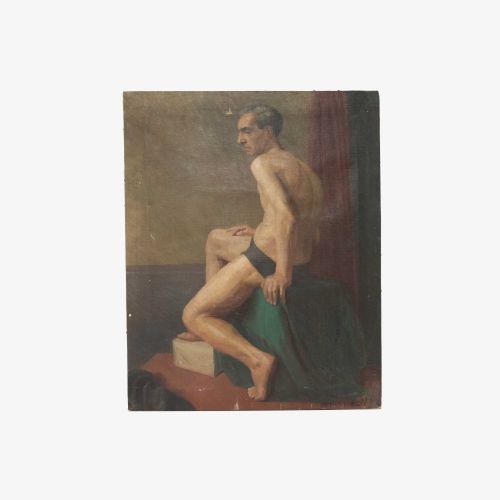
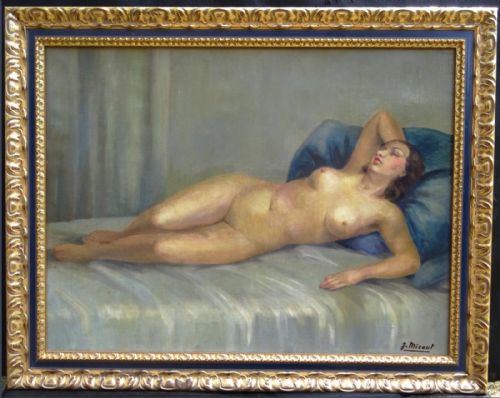
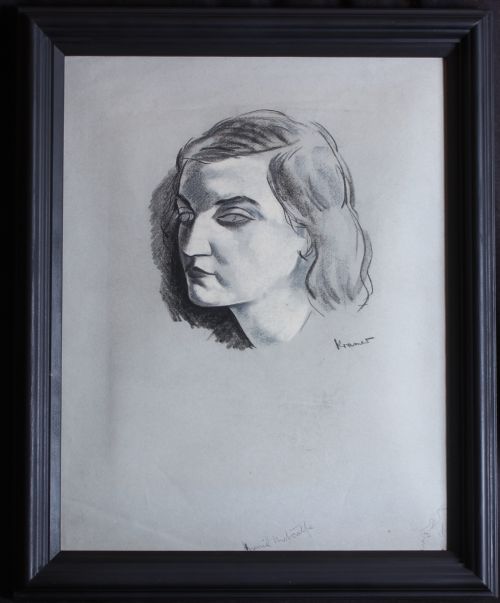
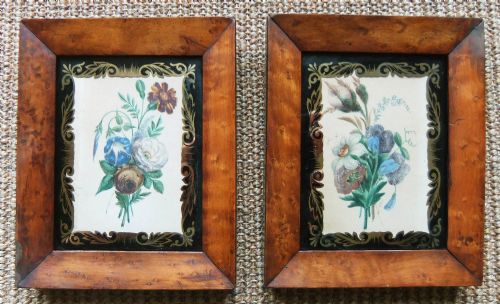
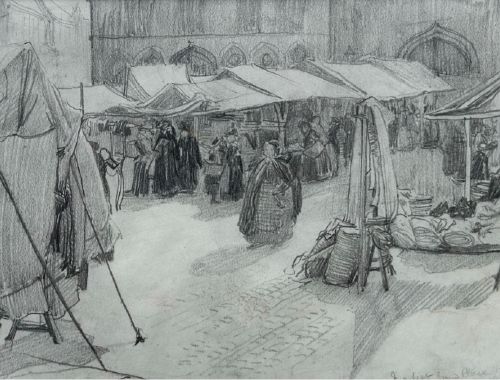
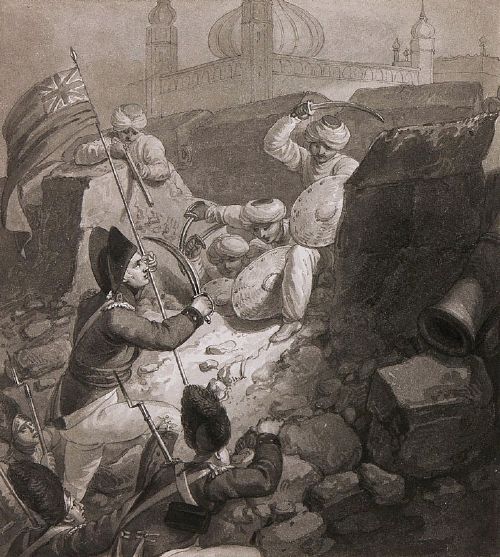
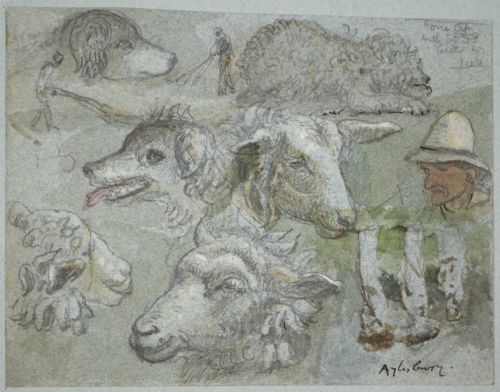
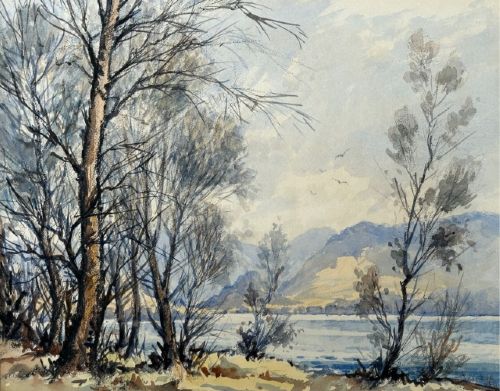
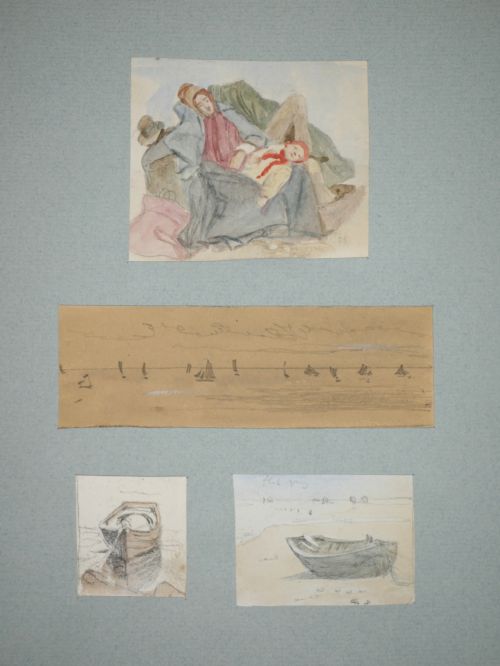
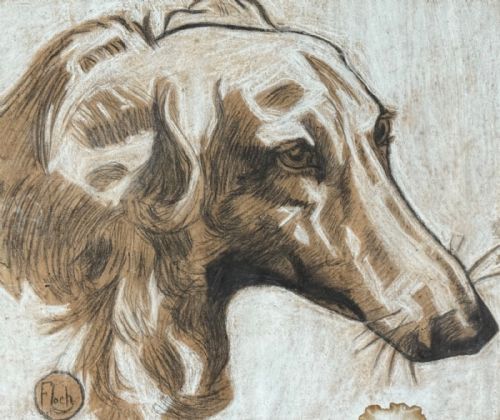
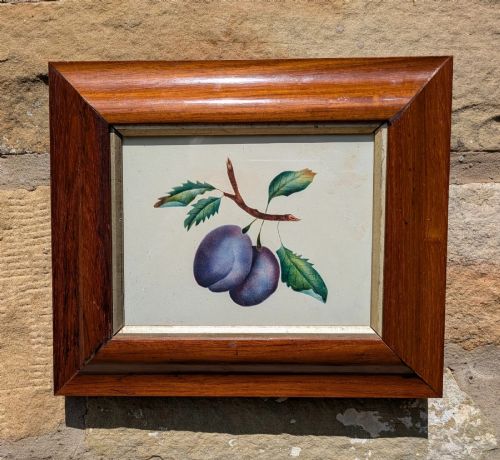
An original art study captures immediate creative intent through preparatory sketches, botanical watercolours, and portrait drafts. When exploring original art study selections, expect to encounter works executed across paper, canvas, and panel from various historical periods.
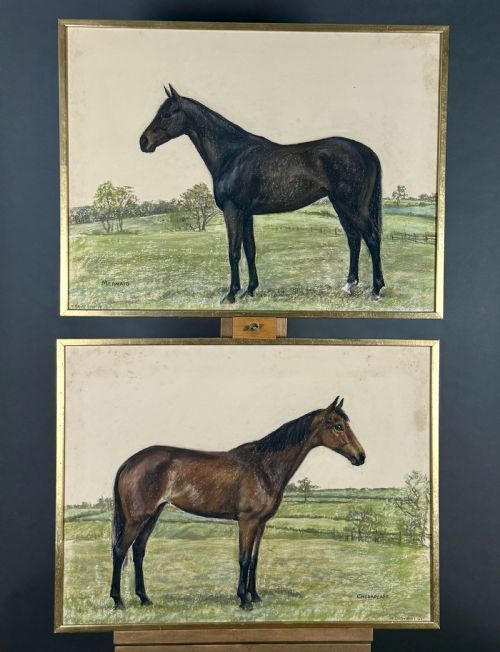
The material ranges from nineteenth-century botanical watercolours and marine sketches to mid-century British portraits and equine studies. These pieces often record the foundational thoughts of named artists and anonymous schools alike.
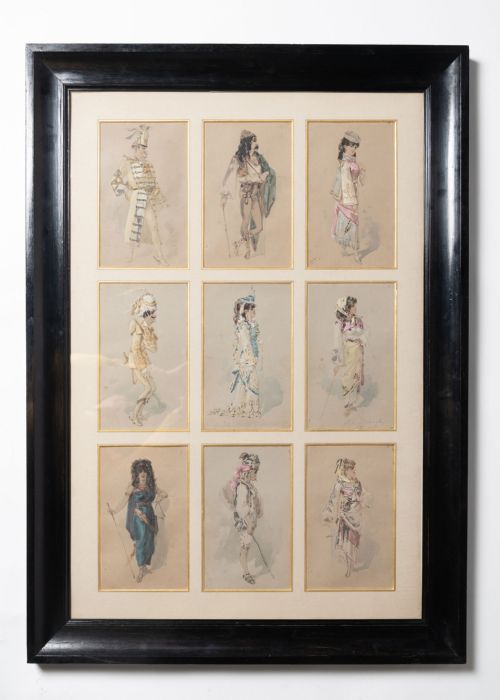
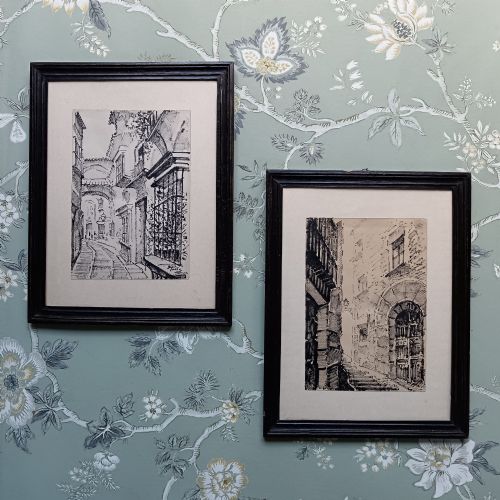
Works appear in mediums such as graphite, ink, gouache, and oil, reflecting diverse educational traditions from Georgian academic drawings to Art Deco animal depictions. Each item serves as a direct record of hand and eye working in tandem.
Materials and Technique
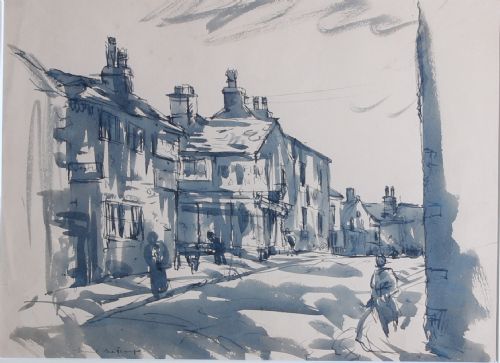
Paper serves as the primary ground for graphic works, utilising pencil, ink, gouache, and watercolour to capture swift observations. Artists applied washes and linear marks directly to buff paper, card, or panel without the elaborate preparation required for finished exhibition canvases.
Oil and tempera formulations appear on canvas and wooden boards, allowing painters to build pigment layers and work wet-in-wet for portraits and landscapes. The application reveals the direct brushwork and correction marks inherent to observational practice.
Original Art Study Retail Price Guide 2026
Typical asking prices for original art study among the pieces listed under this phrase on Sellingantiques today, from the lower quarter to the upper quarter. They describe what is for sale here now, not the wider market.
Listings feature works spanning the eighteenth century through the 1960s, executed in watercolour, graphite, oil, and gouache.
Evaluating Quality
Quality rests upon the sureness of the hand and the economy of line, where confident draughtsmanship reveals an artist's complete mastery over the subject. Hesitant marks and laboured corrections separate routine academic exercises from inspired observations.
The preservation of the paper or canvas surface, alongside the clarity of pigment, dictates the visual impact of the work. Unfaded watercolours and stable oil layers retain the immediate vitality intended by the maker.
Jacob Kramer·Irene Christobelle Pownoll Williams·Henry Percy Huggill·James Smetham·Kenneth Cozens·Robert Leslie Howey·William Marshall Craig·Frank Dobson·Herbert Johnson Harvey·Stephen Pearce·Samuel Rabin·Henri Charles Angéniol·Manuela Bonati·Ernest Payne·William Watt Milne·Dame Laura Knight·Michael Healy·Ralston Gudgeon·William Thomas Wood
The Original Art Study Glossary
- Wash
- A thin, transparent layer of diluted watercolour or ink applied across paper to create tone or atmospheric depth. This technique allows underlying pencil or pen marks to remain visible.
- Gouache
- An opaque water-based medium that incorporates white pigment to achieve solid, matte coverage. Artists use it to add sharp highlights to drawings on tinted paper.
- Tempera
- A permanent, fast-drying painting medium consisting of coloured pigment mixed with a water-soluble binder, usually egg yolk. It produces a durable, flat surface on wooden panels.
- Academic drawing
- A rigorous drawing executed following strict institutional training methods, often focusing on classical sculpture or human anatomy. These pieces test proportion, light, and shadow.
- Provenance
- The documented history of ownership surrounding a work of art. It establishes authenticity and traces the journey of a piece from studio to marketplace.
Original Art Study: Frequently Asked Questions
What is an art study?
An art study is a preparatory or exploratory work created by an artist to examine a subject, test colour harmony, or practice technique before committing to a larger finished piece.
These pieces often highlight the raw, unvarnished skill of the maker through visible brushstrokes, grid lines, or marginal notes.
How should I frame works on paper?
Works on paper require conservation-grade mounting materials and UV-filtering glass to prevent fading and chemical degradation from acidic wood-pulp backings.
Keeping the paper lifted away from the glazing with a mount prevents humidity damage and preserves the delicate graphite or watercolour surface.
How do I date an antique drawing?
Dating relies upon examining watermark evidence in the paper, the specific chemical composition of the ink or pigments used, and stylistic traits typical of known periods.
Frame construction, handwritten inscriptions on the reverse, and artist signatures further anchor the piece within a specific decade or century.
Are studies considered finished art?
Many collectors prize studies above finished gallery pieces because they capture the spontaneous energy and unfiltered thought process of the creator.
While initially intended as private working tools, their direct honesty makes them compelling standalone works for domestic display.