


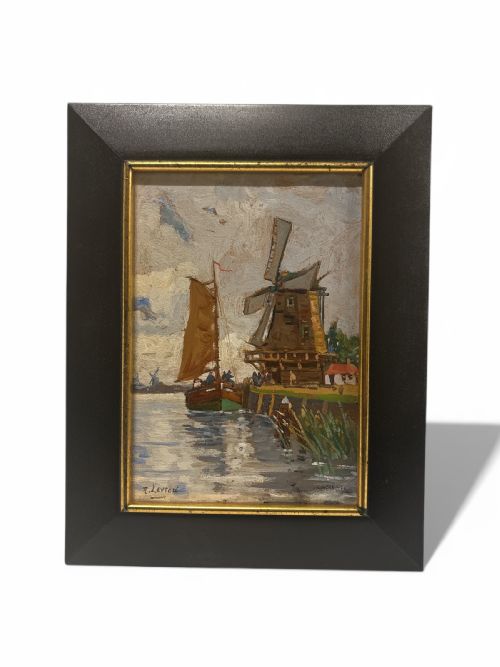
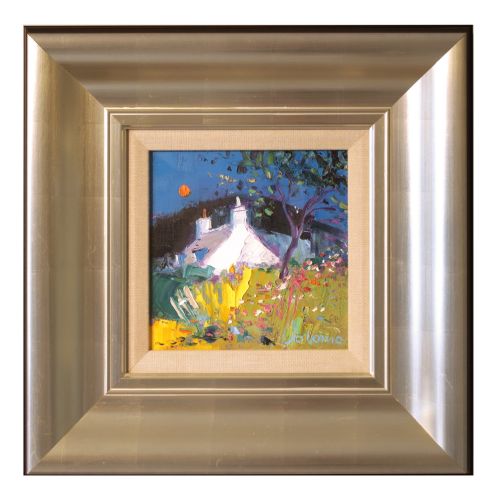
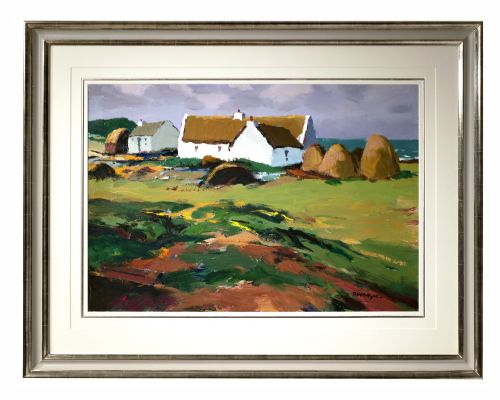
Original Art on Board
Original art on board offers tangible character through direct painterly brushwork applied to rigid supports spanning multiple centuries.
Original Art on Board
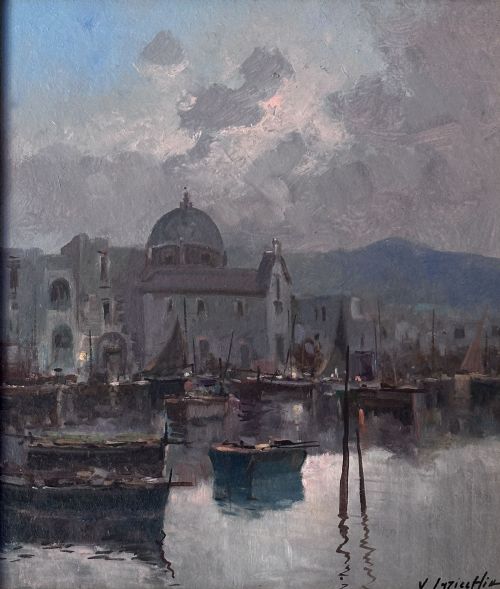
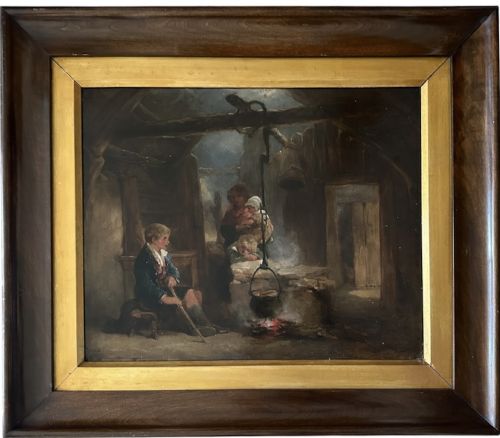
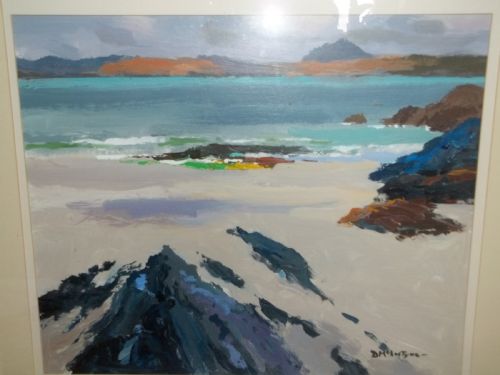
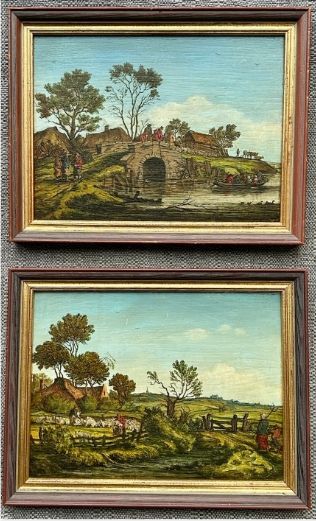
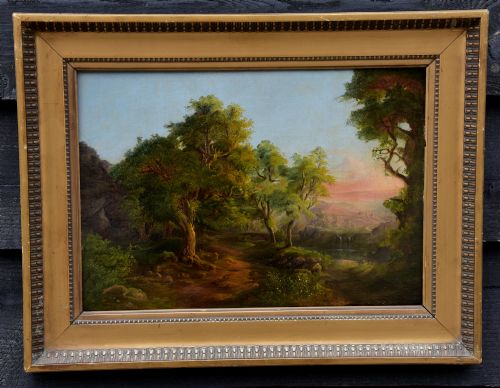
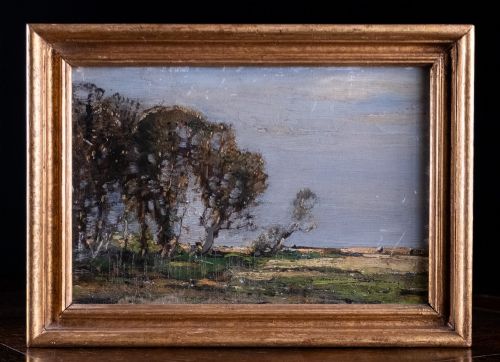
Original art on board encompasses paintings executed on solid rigid surfaces rather than flexible woven fabric. The selection ranges from nineteenth century landscapes on wood panels to mid-century modern cityscapes on processed board.
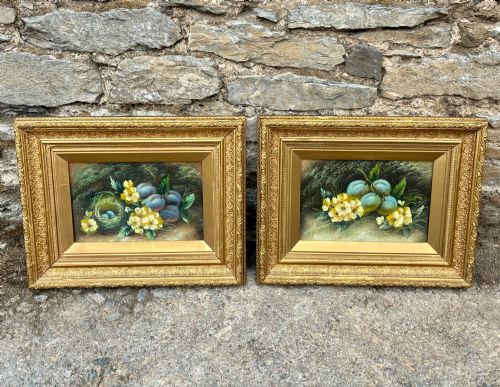
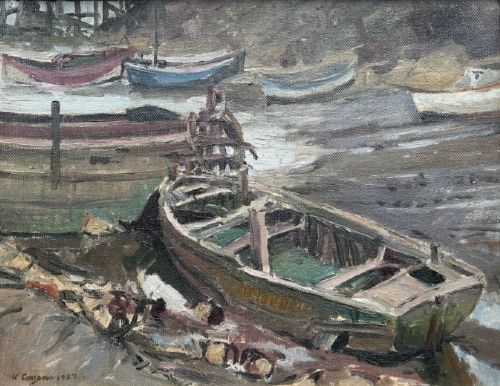
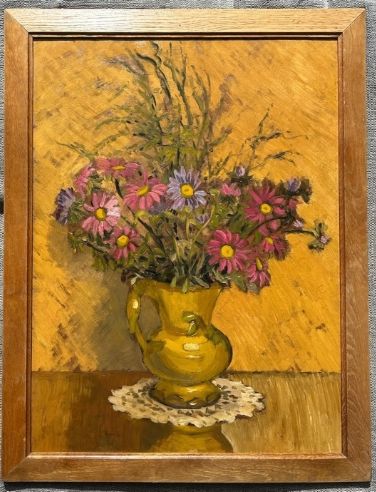
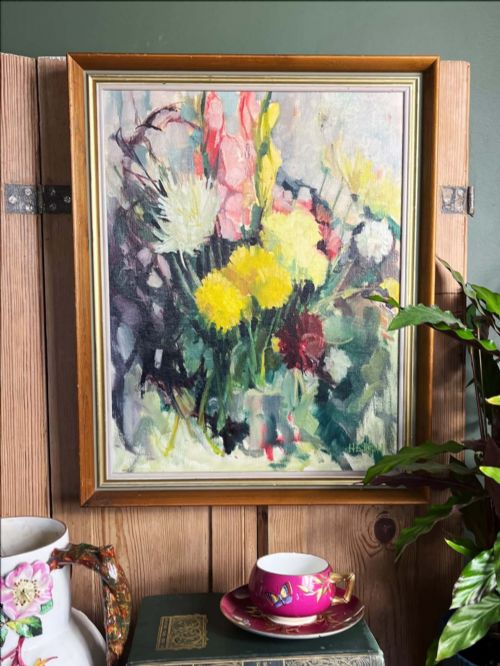
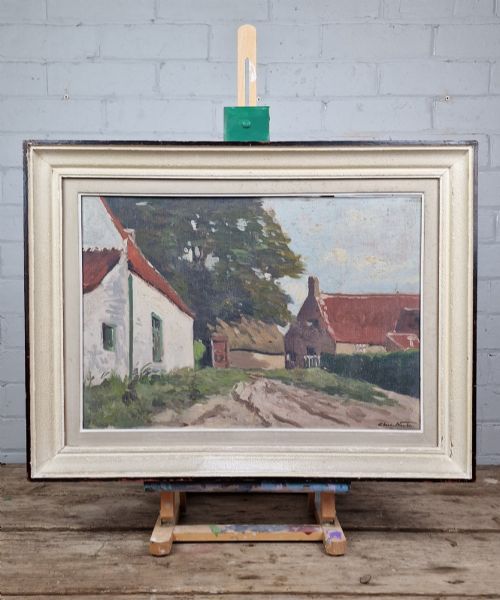
Buyers encounter subjects including maritime scenes, still life floral arrangements, and pastoral views. Many examples reflect specific regional British and European movements.
The format provides artists with a firm foundation that resists flexing. This stability suits heavy impasto application and detailed brushwork alike.
Materials and construction
Painters applied oil paint directly onto prepared wood panels, hardboard, or canvas boards. Gilt frames frequently enclose these works to complete the presentation.
The pigment layer often incorporates thick impasto technique, building physical texture across the board. Artists utilised brushes and palette knives to manipulate the oil medium.
Wooden supports sometimes reveal grain patterns beneath thin washes of paint. Prepared grounds or priming layers ensured the oil adhered securely to the rigid substrate.
Original Art on Board Retail Price Guide 2026
Typical asking prices for original art on board among the pieces listed under this phrase on Sellingantiques today, from the lower quarter to the upper quarter. They describe what is for sale here now, not the wider market.
Some nineteenth century artists painted directly onto cigar box lids when standard panels were unavailable.
Judging quality
Quality rests upon the confidence of the handling and the cohesion of the composition. Accomplished brushwork demonstrates purposeful control over the medium.
The depth of colour harmony and the preservation of the painted surface distinguish finer works. Original frames that complement the period of the piece add context.
George Whitton Johnstone·Kenneth Cozens·Charles Houben·Kershaw Schofield·Donald McIntyre·Stuart Walton·Lilian Colbourn·Florence Adelina Hess·Alexander Jamieson·David Orr Kerr·Everett Watson Mellor·George Morland·James Fry·Allan Douglas Davidson·Evelyn Chester·Winifred Turner
The Original Art on Board Glossary
- Board
- A rigid flat support made of wood, panel, or processed wood fibre used as a substitute for stretched canvas.
- Impasto
- Paint applied in thick layers that stand out from the surface, creating a distinct three-dimensional texture.
- Still life
- An artwork depicting inanimate subject matter, typically commonplace objects such as flowers or vessels.
- Provenance
- The documented history of ownership associated with a work of art, establishing its authenticity.
- Post-Impressionism
- An art movement extending Impressionism while rejecting its limitations, emphasising symbolic content and vivid hues.
Original Art on Board: Frequently Asked Questions
How do I hang a heavy board painting?
Ensure your wall fixings match the weight of the rigid panel and its frame. Secure the hanging wire to sturdy D-rings screwed directly into the wooden frame or backing.
Check that the wall plug is rated for the load before mounting. Heavy impasto works require stable placement to prevent vibration.
Can I reframe an oil painting on board?
A new frame alters the visual presentation and protects the edges of the board. Select a moulding depth that accommodates the thickness of the panel.
Retain the original frame if it bears historical markings or matches the era of the artwork. Consult a professional framer for secure fitting.
How should I clean the surface?
Dust the painted surface gently with a soft, dry brush. Avoid using water, solvents, or household cleaners on the oil paint.
Professional conservators should handle removal of ingrained grime or aged varnish. Regular dusting prevents particle accumulation within textured impasto.
What lighting suits these artworks?
Display paintings away from direct sunlight to prevent pigment degradation. Position picture lights to illuminate the board without generating excessive heat.
Incandescent or LED bulbs with high colour rendering bring out subtle tones in the oil paint. Angle the light to minimise glare on varnished surfaces.