






Original African Framed Art
Original african framed art brings together mid-century oil paintings, watercolours, and charcoal drawings capturing scenes and portraits across the continent.
Original African Framed Art
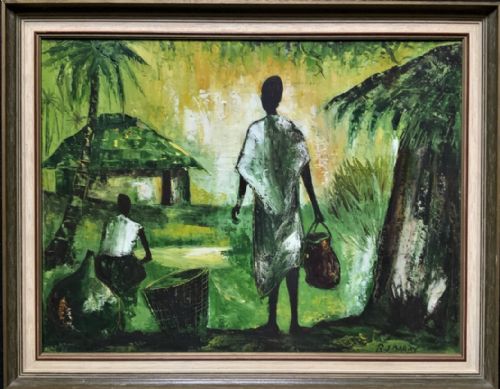
Original african framed art encompasses paintings and drawings from various mid-century decades, capturing landscapes, villages, and figures. Buyers searching this phrase encounter works ranging from 1920s watercolours to 1960s oil portraits.
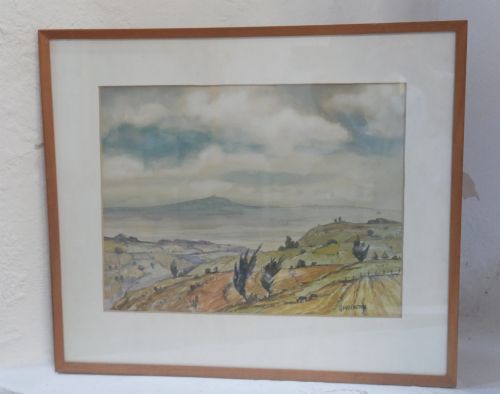
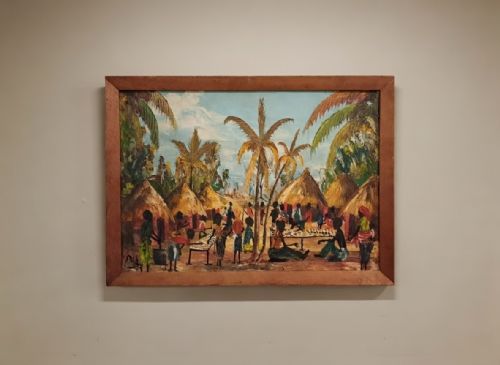
The objects take the form of framed artworks, oil paintings, watercolour paintings, and charcoal drawings. These pieces frequently document scenes in Kenya, Egypt, and South Africa through mid-century modernist and impressionist styles.
Most examples date from the 1940s, 1950s, and 1960s, reflecting mid-century aesthetic movements alongside regional traditions. The selection includes specific local views like Mount Longonot and the Nile.
Materials and techniques
Artists of these works employed oil paint on canvas, watercolour paint on paper, and charcoal with pencil. These traditional mediums were applied to capture village scenes, seascapes, and still life compositions.
Framing often utilised ebonised wood to enclose the paper or canvas supports. The physical construction combines standard artist materials of the twentieth century with regional subjects.
Original African Framed Art Retail Price Guide 2026
Typical asking prices for original african framed art among the pieces listed under this phrase on Sellingantiques today, from the lower quarter to the upper quarter. They describe what is for sale here now, not the wider market.
Listings feature works spanning five decades from the 1920s to the 1960s, executed in oil, watercolour, and charcoal.
Judging quality in these works
Quality rests in the handling of paint or charcoal and the clarity of the composition, distinguishing accomplished portraiture and landscape depiction from standard decorative output. Hand-signed works by identified artists hold distinct interest compared to unsigned school pieces.
The integration of the artwork with its period frame contributes to the overall integrity of the piece. Depth of colour and direct observation of light elevate the visual impact of the canvas or paper.
Anne Dorrien Smith·Cecil Rochfort Doyly John·Ruth Prowse·Maud Frances Eyston Sumner
The Original African Framed Art Glossary
- Watercolour
- A painting method where the paints are made of pigments suspended in a water-based solution. It produces transparent washes of colour on paper.
- Oil paint
- A slow-drying paint made by combining pigment particles with a drying oil. This medium allows for rich texture and blending on canvas.
- Post-Impressionism
- An art movement extending roughly from the last decade of the nineteenth century into the mid-twentieth century. It focuses on symbolic content and vivid colours rather than naturalistic rendering.
- Impressionism
- A style of painting emphasising immediate visual impressions through small, thin brush strokes and open composition. It prioritises accurate depiction of light in its changing qualities.
- Charcoal
- A form of dry art medium made of finely ground organic materials held together by a gum or wax binder. It produces strong dark lines and subtle tonal shading on paper.
Original African Framed Art: Frequently Asked Questions
How do I date these artworks?
Dating relies on stylistic markers, materials, and framing techniques typical of the early to mid-twentieth century. Many pieces carry period signatures or dates within the title records from the 1920s to the 1960s.
Examining the reverse of the canvas or paper often reveals dealer stamps, gallery labels, or handwritten inscriptions that confirm the era of creation.
Where were these paintings created?
The works originate from various regions across the African continent, with specific pieces documenting scenes in Kenya, Egypt, and South Africa. Artists often captured local landscapes, village life, and regional flora.
Subjects range from Arabic seascapes to studies of Namaqualand and the Nile, reflecting the diverse locations where these artists lived and worked.
How should I hang framed artwork?
Display these pieces away from direct sunlight and excessive moisture to protect the paper, canvas, and pigments from fading. Stable indoor environments preserve the structural integrity of both the artwork and the frame.
Ensure wall fixings are appropriate for the weight of the framed piece, particularly for larger oil paintings on canvas.
What is African School art?
African School refers to works created by artists trained within regional educational institutions or working collaboratively within specific local traditions. These drawings and paintings often showcase foundational portraiture and observational techniques.
Such pieces provide insight into mid-century artistic instruction and figurative representation across the continent.