
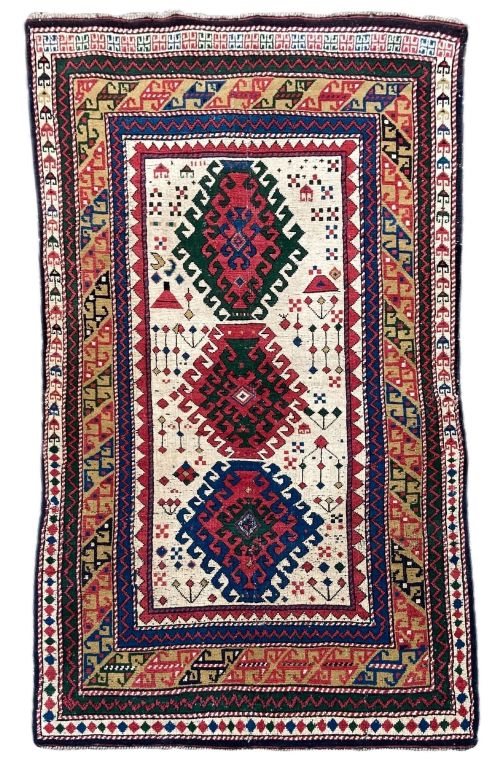
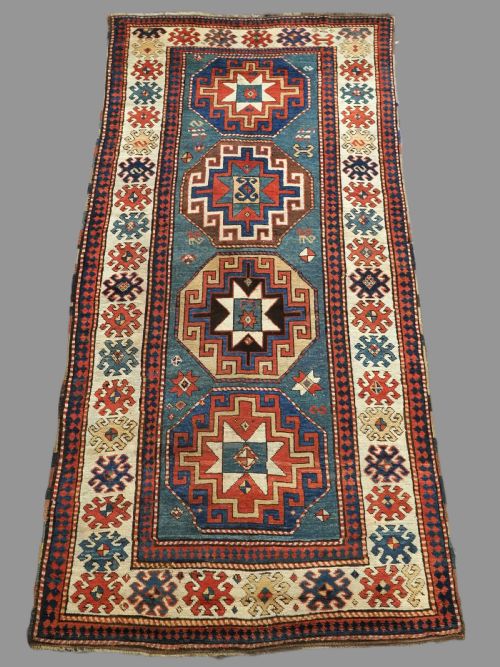
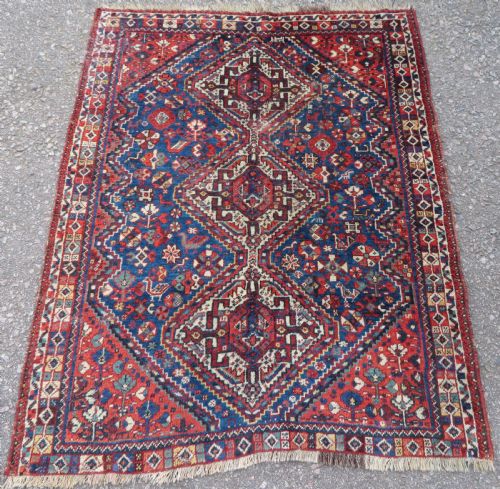
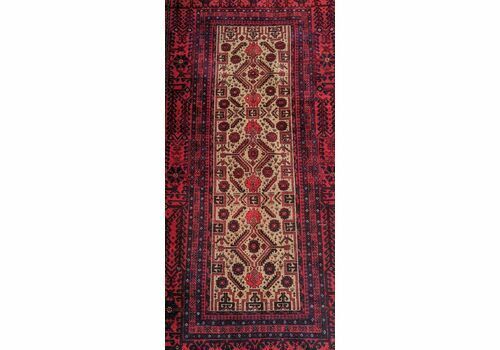
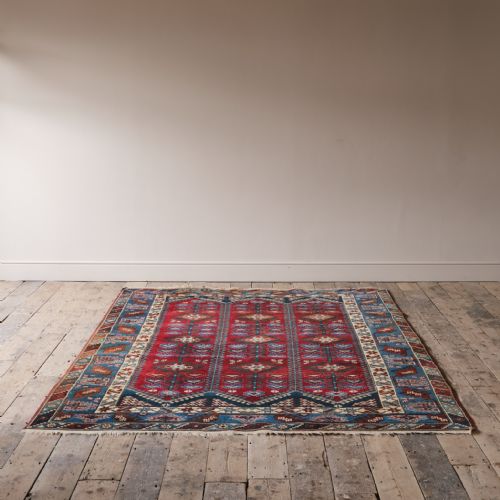
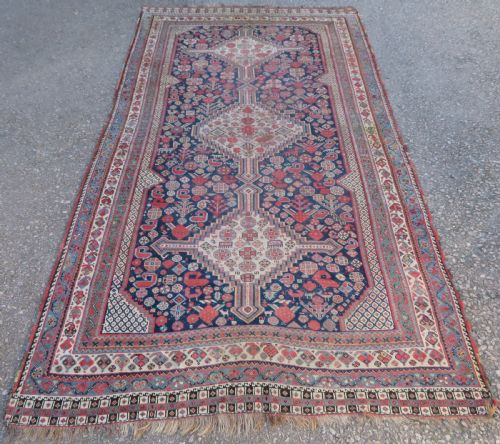
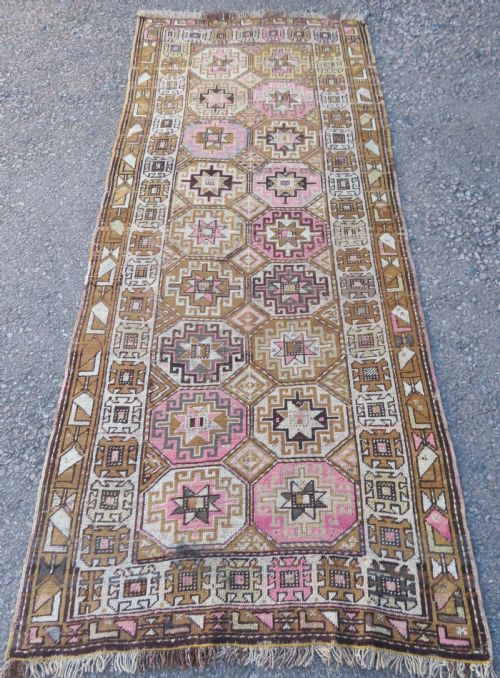
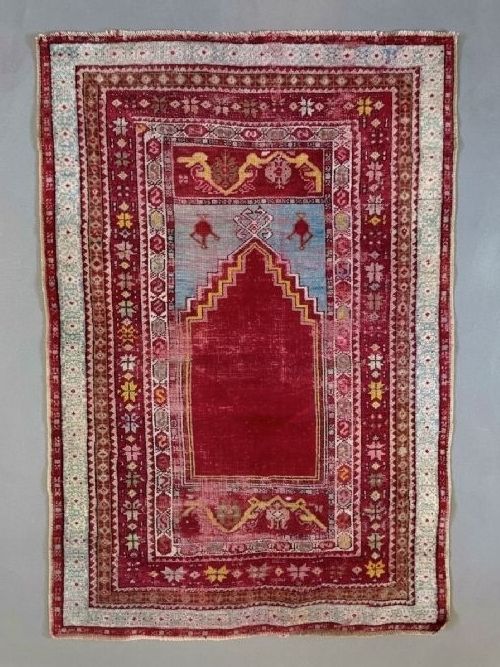

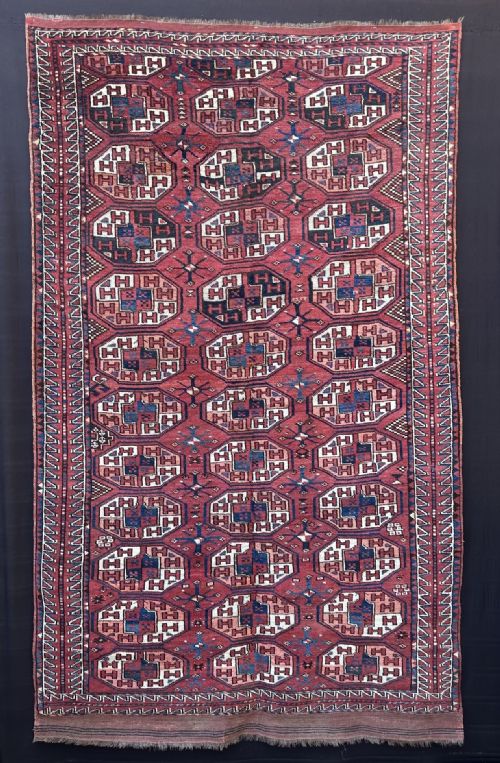


Oriental Wool Carpet Runner
An oriental wool carpet runner brings centuries of weaving tradition into a hallway, offering durable floor cover alongside rich tribal patterns.
Oriental Wool Carpet Runner
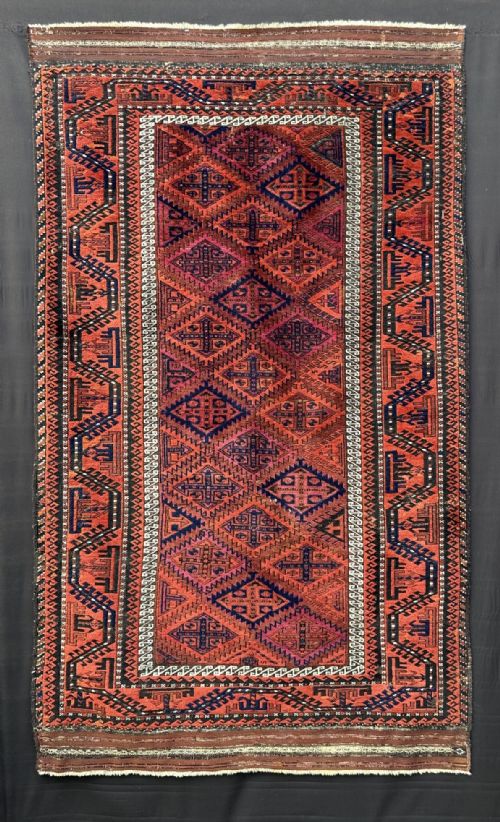
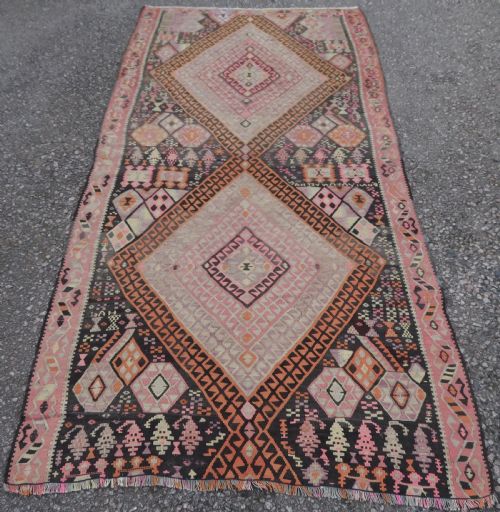
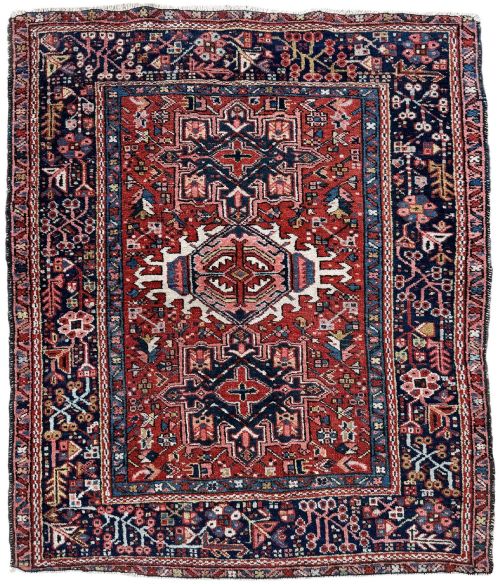
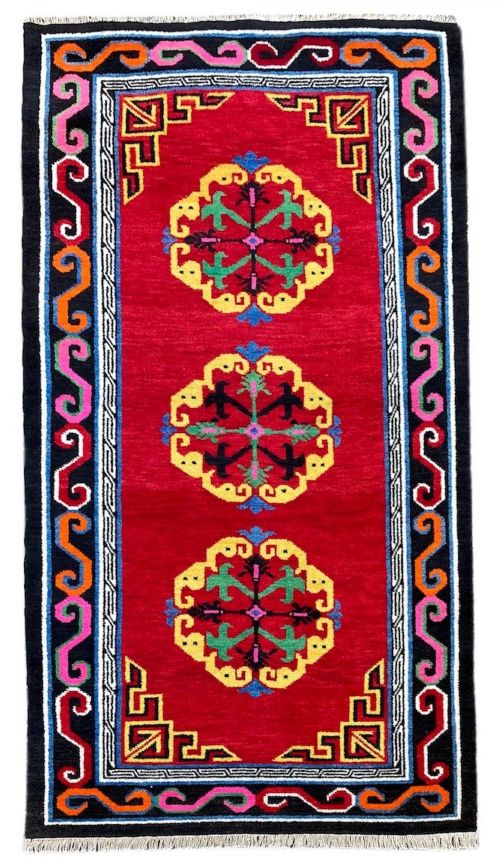
An oriental wool carpet runner bridges distinct regional weaving traditions, spanning Persian, Caucasian, Turkish, and Tibetan origins. These narrow, elongated floor coverings appear in forms such as hallway runners, long rugs, and specific tribal formats.
Makers fashioned these textiles across periods from the mid-nineteenth century through the early twentieth century. Buyers encounter village productions and nomadic pieces carrying geometric medallions, lattice designs, and prayer niches.
The regional diversity includes Heriz, Kazak, Ushak, Baluch, and Hamadan workshops or nomadic groups. Each piece reflects the specific palette and knotting techniques of its geographic origin.
How they were made
Weavers relied primarily on wool and pure wool for the pile, utilising cotton frequently for foundational warps and wefts. Camel hair also appears in specific tribal pieces to provide natural brown and golden tones.
Hand-knotting techniques secured the wool pile to sturdy foundations, allowing dense designs to endure generations of foot traffic. Natural dyestuffs produced the rich, mellow colours seen across older examples.
Listings feature wool, cotton, and camel hair materials across pieces dated from the eighteen-fifties through the nineteen-thirties.
What varies in quality
Knot density and structural tightness dictate the longevity and crispness of the design. Finer knotting permits intricate geometric and floral details to remain sharp over decades of use.
The choice of wool and the saturation of natural dyes determine the depth of the palette. Superior examples display harmonious colour maturation where age softens the hues without dulling the fibre.
The Oriental Wool Carpet Runner Glossary
- Runner
- A long, narrow carpet format designed specifically for hallways, corridors, and stairs. This shape guides movement through a domestic interior.
- Mihrab
- A niche design element found on prayer rugs, often indicating the direction of Mecca. Weavers repeat this architectural motif in various regional styles.
- Gul
- A medallion or repeating octagonal motif characteristic of Turkmen and Baluch tribal weaving. These symbols often denote specific tribal lineages.
- Warp
- The stationary vertical threads stretched on the loom that form the structural skeleton of the carpet. Wefts are then interlaced across these threads.
- Kelleh
- A large, elongated format of carpet traditionally used in Persian rooms alongside smaller matching rugs. Proportions are broader than a standard hallway runner.
Oriental Wool Carpet Runner: Frequently Asked Questions
Where should I place a runner?
These long carpets suit high-traffic circulation spaces like hallways, corridors, and landings. Their narrow proportions protect flooring while adding warmth and pattern to transitional areas.
Positioning them away from direct, continuous moisture preserves the natural wool fibres. Proper underlays prevent slipping on hard wooden or stone floors.
How do I clean an old wool runner?
Gentle regular vacuuming without a rotating brush bar removes surface dust safely. Professional specialist cleaning remains necessary for deeper maintenance to protect natural dyes.
Avoid harsh chemical detergents and excessive water saturation. Prompt action on spills prevents moisture from settling into the wool pile.
How do I identify regional styles?
Caucasian pieces frequently display bold geometric motifs and striking primary colours. Persian and Turkish workshops often favour balanced floral layouts, Herati patterns, or medallion structures.
Examining the weave tightness, fringe construction, and border geometry helps separate Baluch, Kazak, and Ushak origins. Specific knotting methods reveal clues about the workshop or nomadic group.
Why use camel hair in carpets?
Certain nomadic weavers incorporated un-dyed camel hair alongside sheep wool to introduce durable, naturally warm tones. This fibre provides distinctive golden-brown shades that resist fading.
Its inclusion often points towards specific tribal or regional workshops operating in arid environments. The material adds tactile variation to the surface texture.