
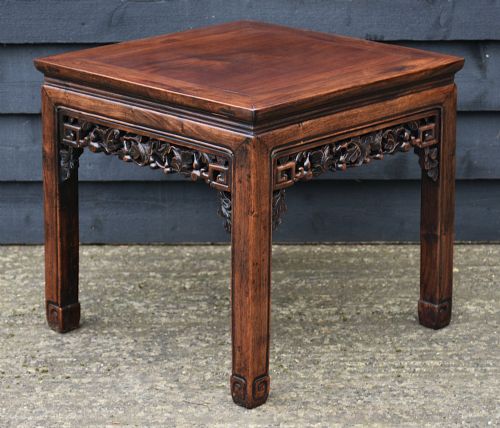
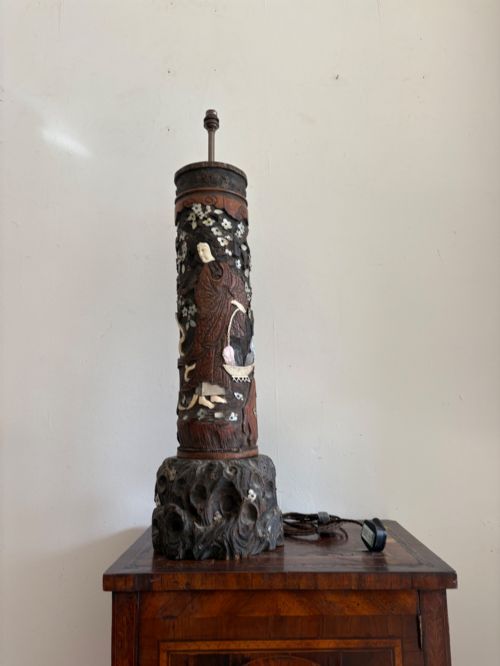
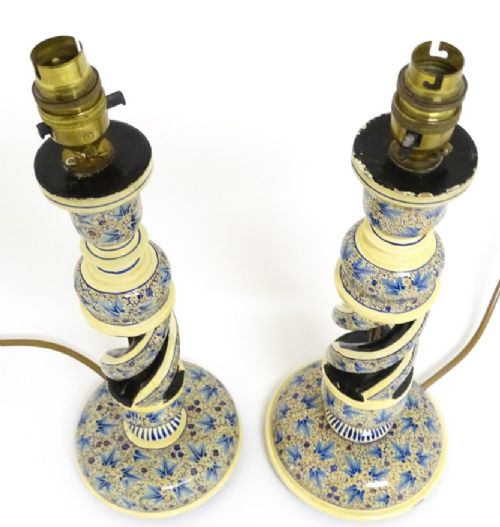
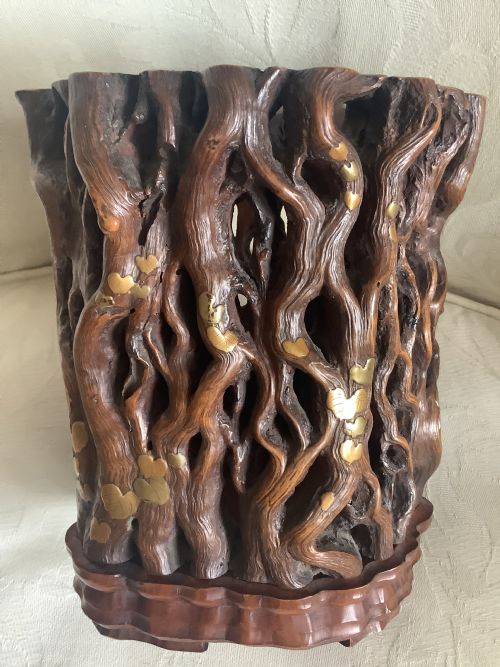
Oriental Wooden Table
An oriental wooden table brings global craft and distinct timber into a room, spanning coffee tables, nests, and low stands.
Oriental Wooden Table
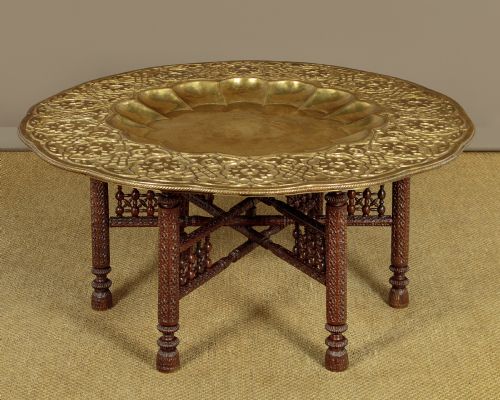
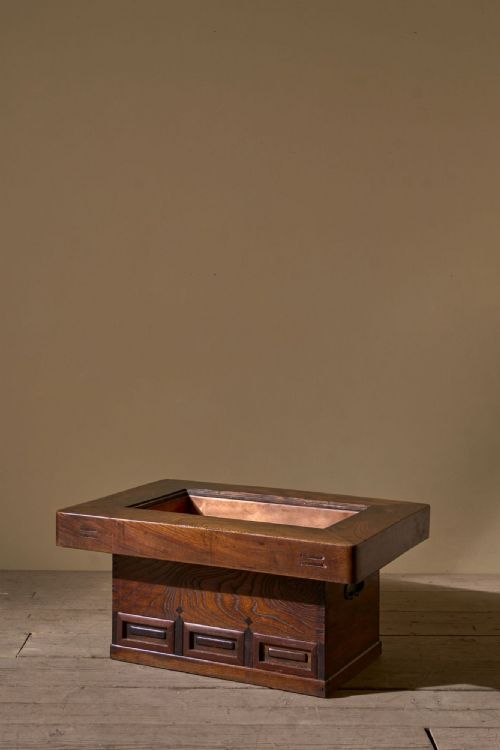
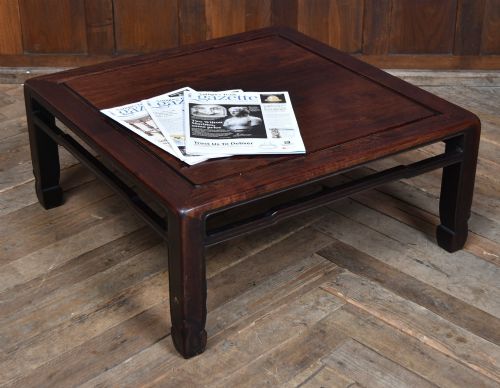
When someone searches for an oriental wooden table, they encounter a diverse range of furnishings originating from traditions across Asia and the Near East. These pieces vary widely in form, functioning as low opium tables, coffee tables, nests of tables, plant stands, and occasional tables designed for daily utility.
The selections available on this page lean heavily towards pieces from the nineteenth and early twentieth centuries, encompassing Victorian and Edwardian interpretations alongside direct imports. Common regional styles include Chinese export and traditional workshops, Anglo-Indian craftsmanship, Kashmiri painted walnut, and Moorish or Ottoman influences.
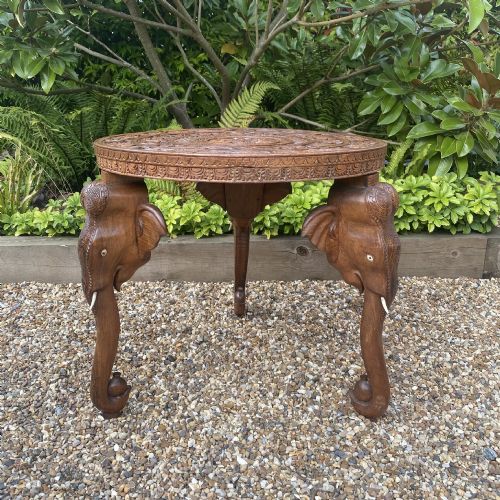
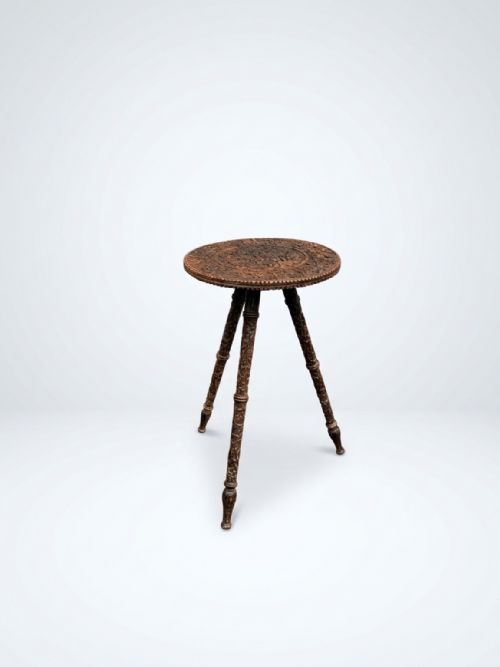
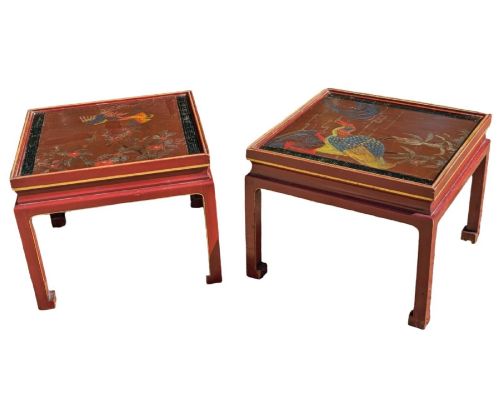
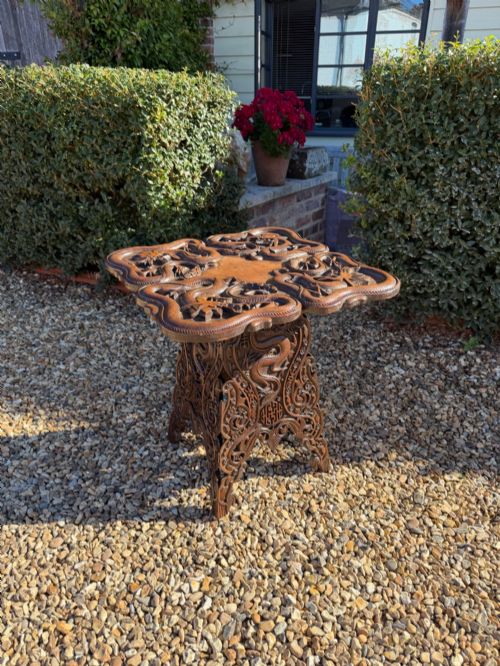
Forms range from compact carved side tables and folding stands to larger altar benches and lacquer low tables. Buyers select these tables to introduce tactile grain, intricate carving, or painted decoration into contemporary and traditional interiors.
How they were made
Carpenters and artisans relied on dense regional timbers such as rosewood, padouk, huanghuali, elm, teak, and walnut. These hard timbers allowed for deep relief carving, pierced fretwork, and stable construction without the need for excessive modern hardware.
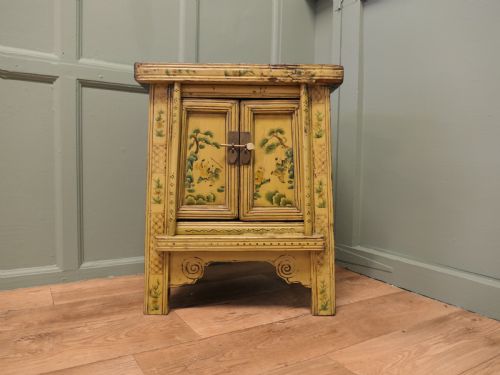
Surface decoration involved traditional techniques including hand-painting, lacquer work, bone inlay, and brass embellishment. Joinery often utilised traditional mortise and tenon methods suited to the movement and density of the specific wood utilised in each region.
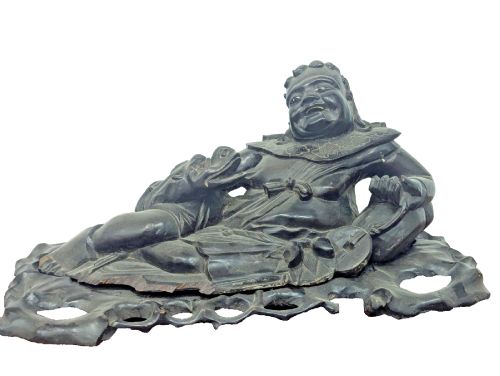
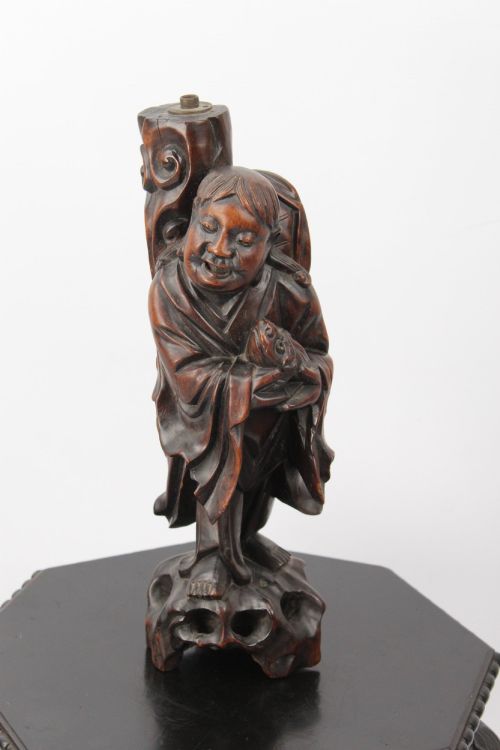
Several tables double as resting spots for carved wooden elephants and laughing Buddhas.
What varies in quality
The calibre of a piece rests primarily on the depth and crispness of the carving and the selection of the timber. Dense woods like rosewood and huanghuali display superior grain pattern and colour variation, while finer painted or lacquered surfaces retain intact layers and coherent pigment preservation.
Structural integrity also separates standard utility items from finer examples. Solid joinery, original brass or bone components, and untouched patination indicate higher workshop standards during production.
The Oriental Wooden Table Glossary
- Opium table
- A low wooden table traditionally used in Chinese domestic settings for serving tea or smoking. These pieces sit close to the floor and often feature recessed legs or modest carved aprons.
- Nest of tables
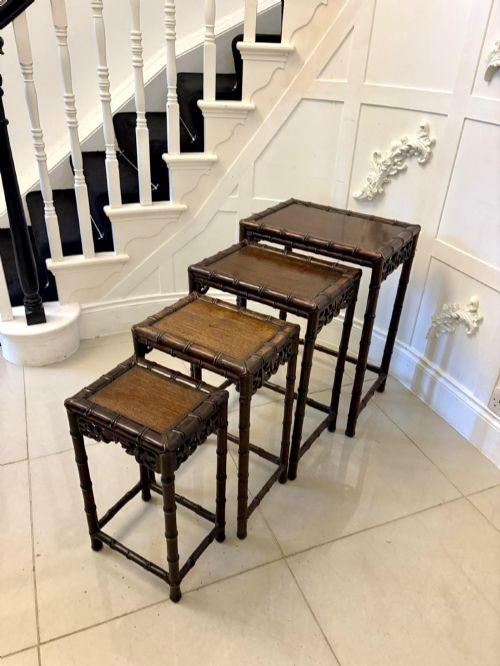
- A set of graduated tables designed to slide neatly underneath one another when not in use. This practical format became popular during the nineteenth century for entertaining.
- Chinoiserie
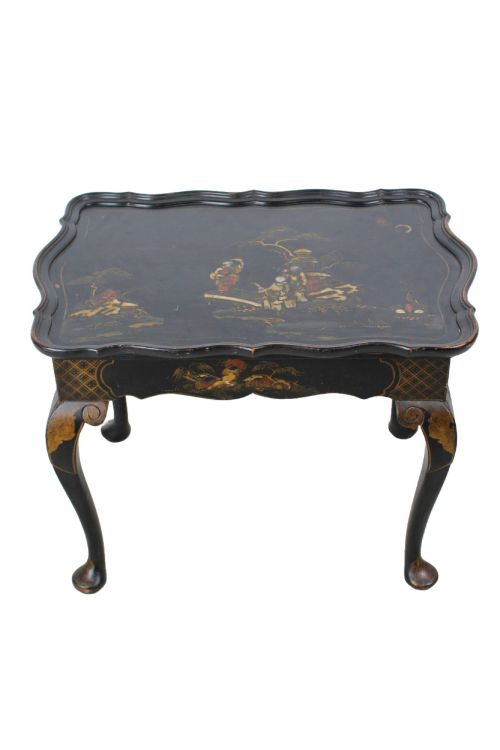
- European decorative style reflecting Chinese artistic influences. Artisans applied these painted or lacquered motifs to furniture and decorative objects, particularly during the eighteenth and nineteenth centuries.
- Padouk
- A heavy, durable tropical hardwood with a characteristic reddish hue that deepens with age. It provides a stable base for detailed carving in various Asian furniture traditions.
Oriental Wooden Table: Frequently Asked Questions
How do I clean an antique wooden table?
Dust the surface regularly with a soft, dry cloth to prevent dirt accumulation. Avoid harsh chemical cleaners or excessive water, which can damage aged finishes and delicate lacquer.
Apply a traditional microcrystalline wax sparingly if the wood appears dry, buffing gently to maintain the natural sheen and patination built up over decades.
Are these tables suitable for everyday use?
Many solid hardwood and elm pieces possess robust construction suited to daily placement as coffee tables or side stands. Using coasters and placemats helps protect vulnerable lacquer or painted surfaces from moisture and heat.
Lighter occasional tables or intricate folding stands benefit from placement in lower-traffic areas where they face fewer bumps and daily wear.
How do I distinguish regional styles?
Chinese pieces often feature specific joinery techniques, fretwork panels, or dense hardwoods like rosewood and huanghuali. Indian and Kashmiri pieces frequently display intricate floral carving, walnut construction, or hand-painted details.
Moorish and Anglo-Indian works tend to incorporate geometric bone or brass inlay patterns across octagonal or folding table structures.
What is patination on these pieces?
Patination refers to the surface changes, softening of edges, and depth of colour developed through age, light exposure, and handling. This visual record indicates genuine historical use rather than modern reproduction.
Preserving this original surface layer maintains the visual character and historical integrity of the furniture.