


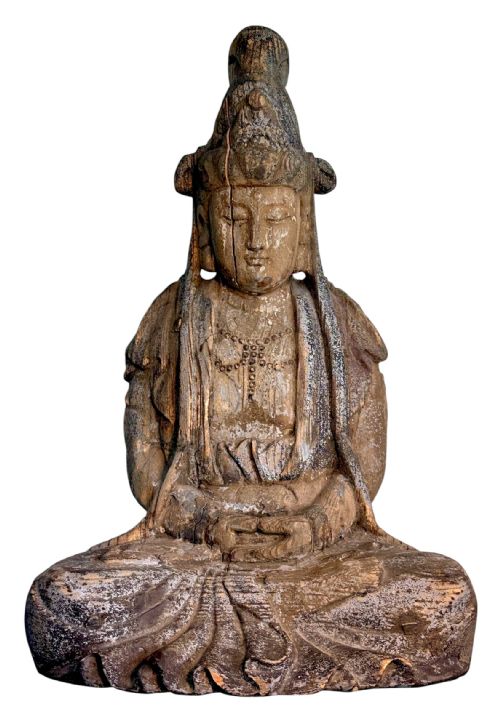


Oriental Wooden Seat
An oriental wooden seat brings centuries of Asian craftsmanship and rich timber into a room, offering sturdy seating with distinctive regional carving.
Oriental Wooden Seat
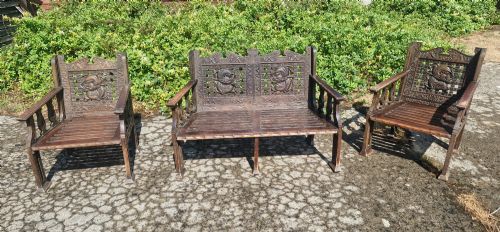
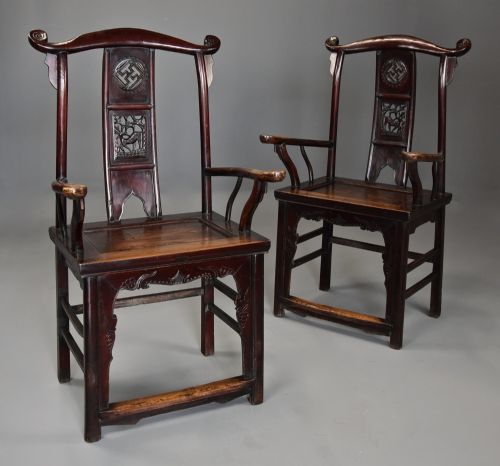
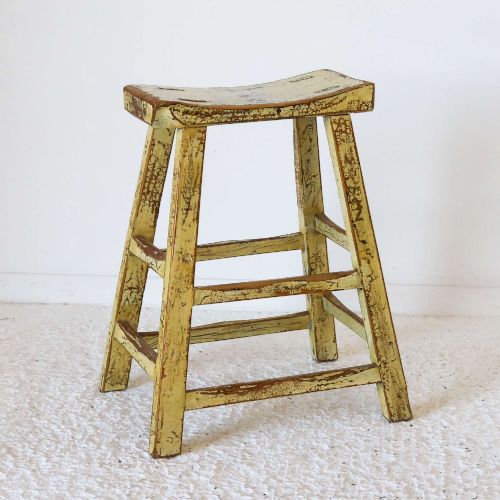
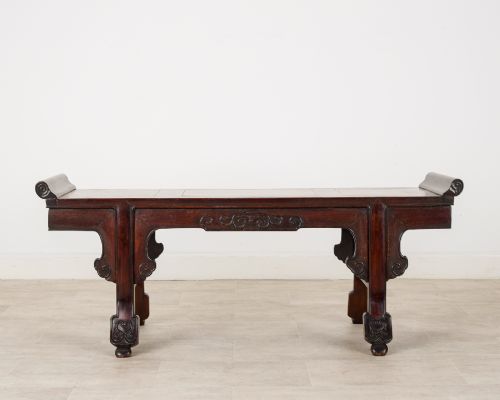
An oriental wooden seat encompasses a diverse range of historic forms, from elm armchairs and rosewood hall benches to low stools and window seats. Buyers searching for an oriental wooden seat will frequently encounter 19th-century Chinese elm items alongside Anglo-Indian, Burmese, and Moorish examples.
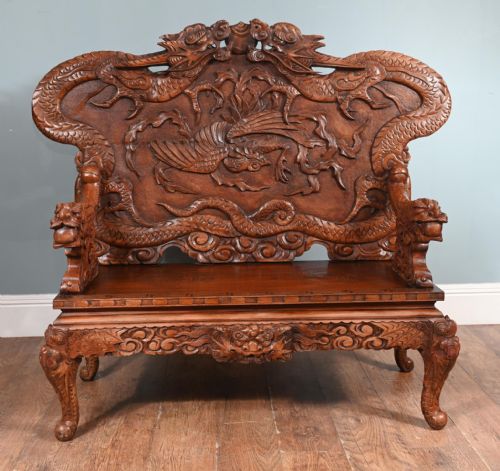
The selection ranges from simple provincial stools to elaborate dragon benches and horseshoe armchairs dating from the Qing Dynasty and the early 20th century. These pieces function equally well as standalone sculptural furniture or practical seating within modern interiors.
Materials and construction
Makers utilised dense timbers such as elm, teak, rosewood, and general hardwood, often selecting wood specifically for its natural grain and durability. Joinery relied on traditional framing techniques that allowed structural stability without excessive metal fastenings.
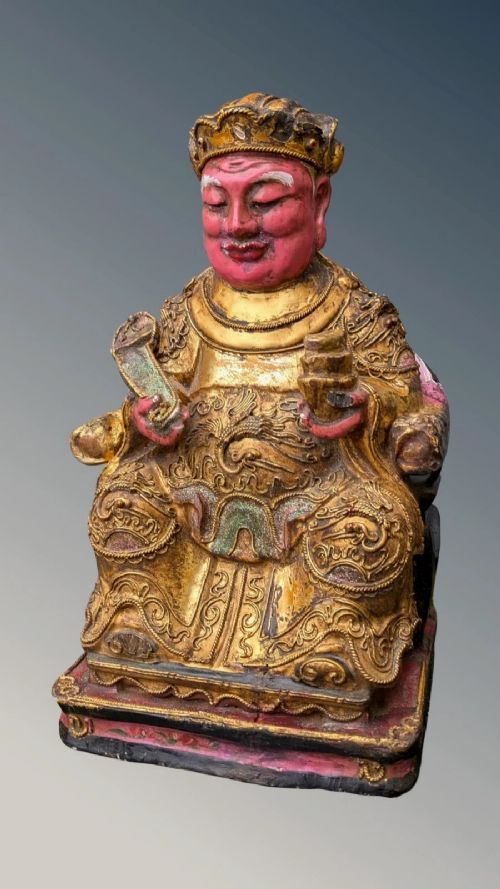
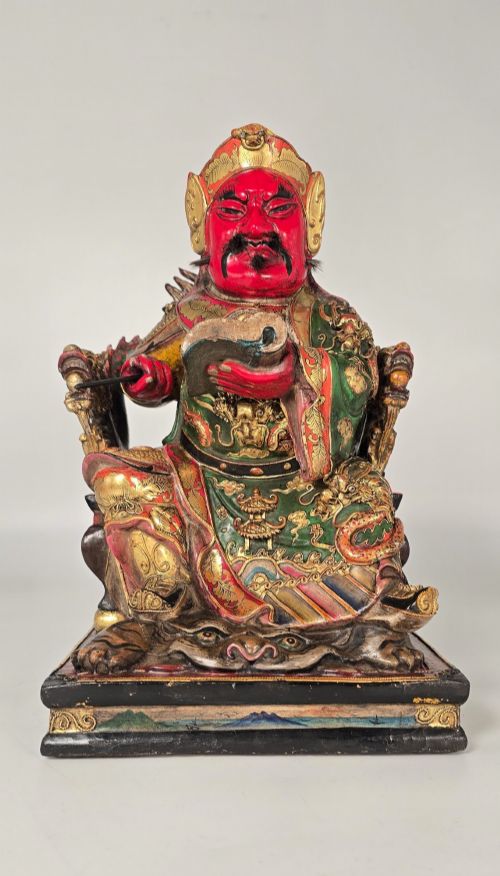
Surfaces frequently received applications of red lacquer, gold leaf, gesso, or polychrome paint, while specialised pieces incorporate brass inlay or high-relief carving. This combination of structural timber and decorative surface treatment defines the physical character of each piece.
Current listings feature materials including rosewood, teak, elm, lacquer, and gold leaf across pieces dating from the 1850s to the 1930s.
Evaluating quality and finish
Quality rests in the depth and crispness of the carving, distinguishing deeply undercut figures and dragons from flatter, mechanical work. The integrity of the original surface finish, whether patinated elm or layered lacquer, separates superior survivals from later alterations.
Proportion and structural balance also dictate standard; superior examples maintain harmonious lines in complex forms like horseshoe chairs and multi-piece suites. Timber selection further elevates a piece, with dense rosewood and well-figured blonde wood commanding attention.
The Oriental Wooden Seat Glossary
- Lacquer
- A durable resin finish applied in multiple layers to wood surfaces. It often provides a glossy red or black protective coating.
- Yokeback
- A style of armchair featuring a curved top rail resembling a traditional yoke. This form offers ergonomic support for the upper back.
- Gesso
- A plaster-based mixture applied to wood to prepare a smooth surface for gilding or painting. It holds fine detail in relief carving.
- Huali
- A fragrant Chinese hardwood prized for its dense grain and durability. It appears frequently in Qing Dynasty seating furniture.
- Cinnabar
- A bright red mineral pigment used to colour lacquer finishes. Artisans carve intricate designs through thick layers of this material.
Oriental Wooden Seat: Frequently Asked Questions
How do I care for a lacquered wooden seat?
Keep wooden and lacquered furniture away from direct sunlight and severe humidity fluctuations to prevent cracking.
Dust gently with a dry, soft cloth and avoid chemical polishes that might degrade historic surfaces.
Where should I place an antique bench in my home?
These benches work well in entrance halls, living rooms, or as window seats where their structural form remains visible.
Ensure the location protects the timber from heavy wear or abrasive daily use.
How can I tell a Qing Dynasty chair apart from later styles?
Examine the timber density, joinery methods, and the wear pattern on the lacquer or exposed wood.
Earlier pieces typically display hand-cut joinery and a deeper, more organic patina accumulated over decades of use.
Are these historic seats comfortable for daily use?
Many traditional designs focus on upright posture rather than deep cushioning, particularly horseshoe and yokeback armchairs.
Adding a simple custom pad can improve daily comfort without altering the historic frame.