

Oriental Vase Lighting
Oriental vase lighting turns antique ceramic and bronze vessels into wired table lamps for the home.
Oriental Vase Lighting
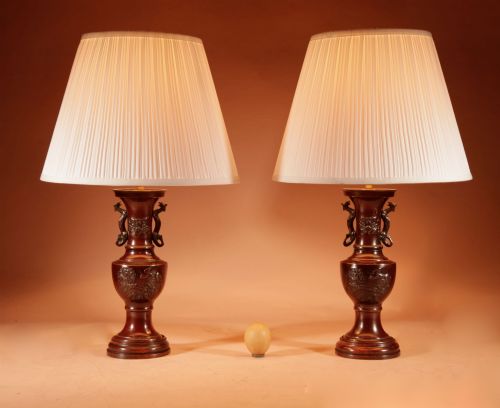
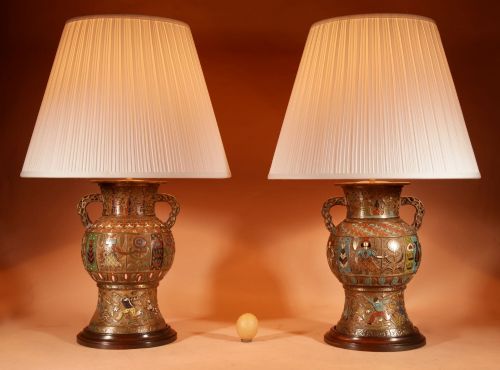
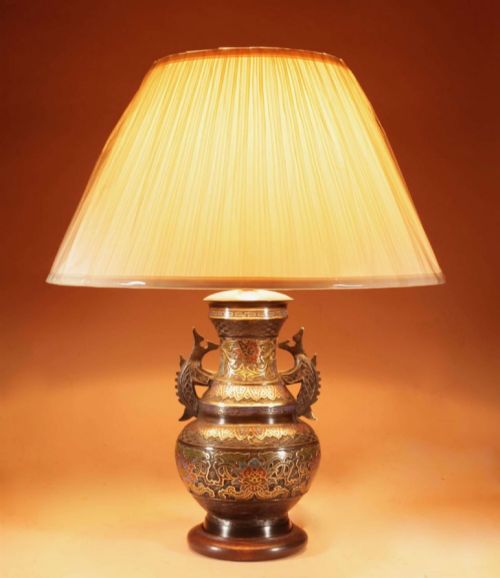
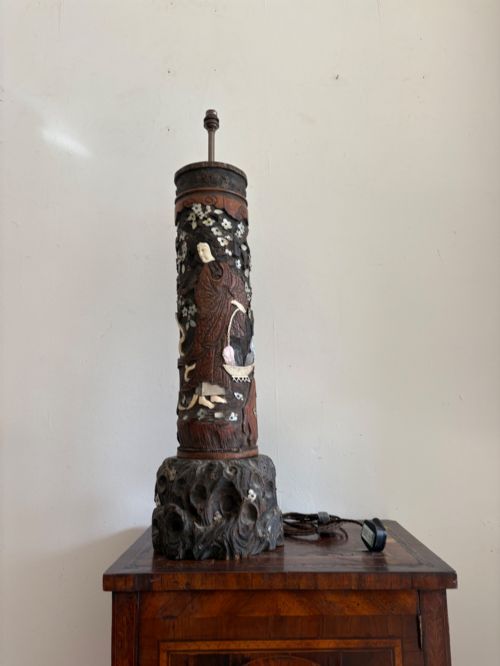
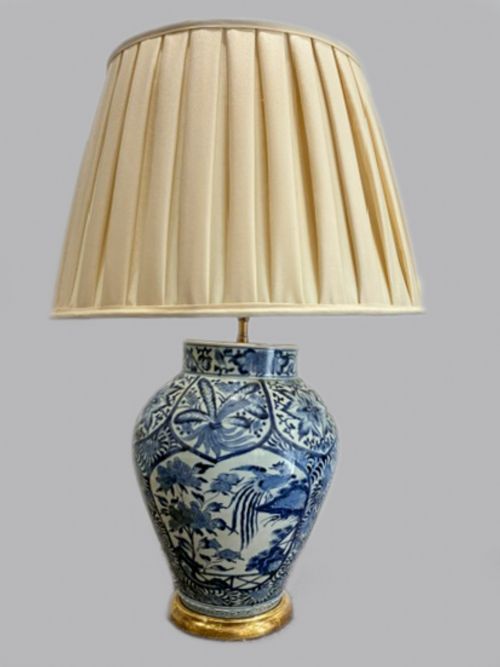
Oriental vase lighting comprises antique vessels fitted and wired as table lamps, utilising bodies originating from China and Japan. These pieces span periods from the late seventeenth century through the nineteenth century and into the early twentieth century.
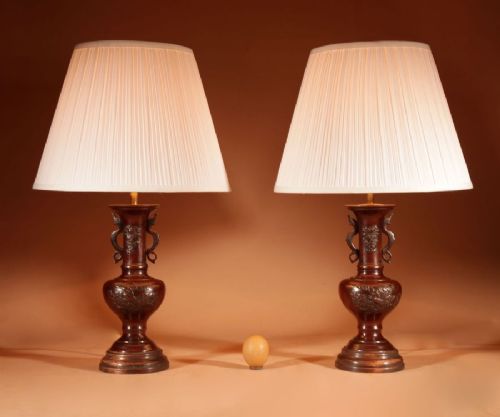
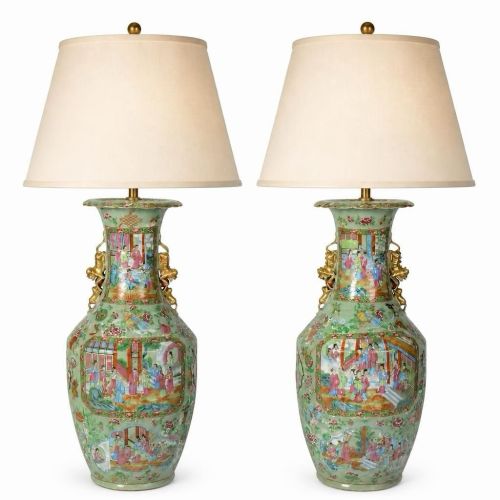
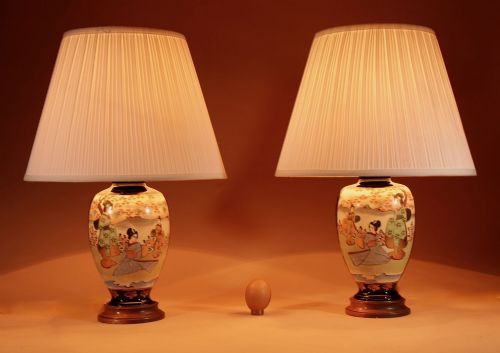
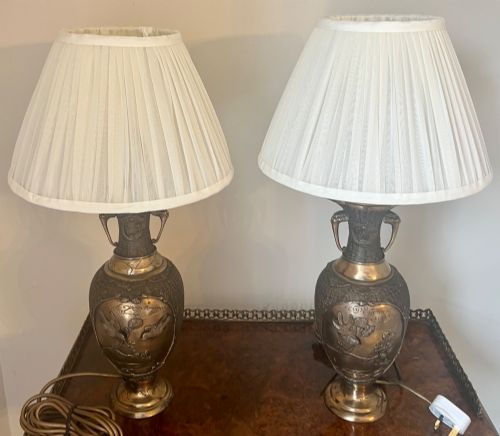
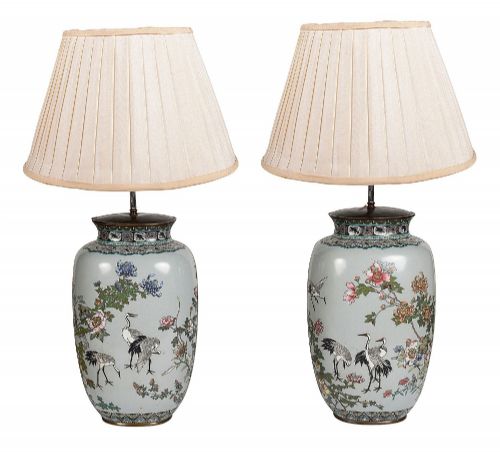
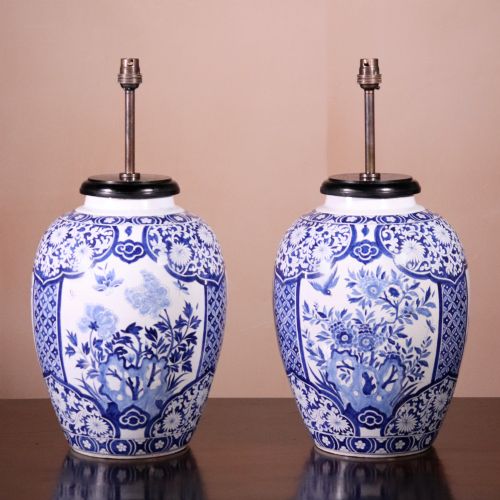
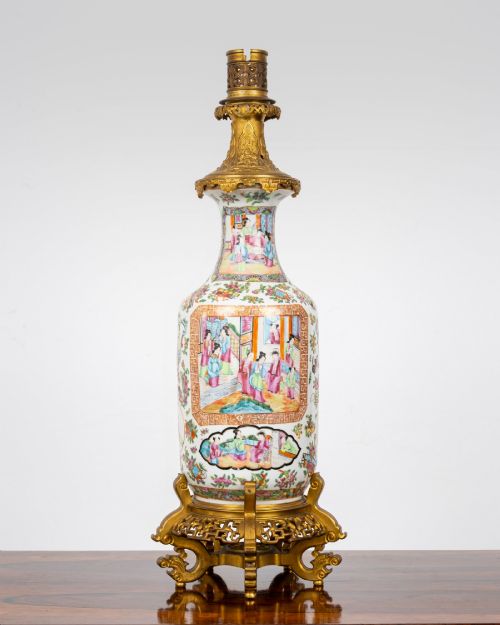
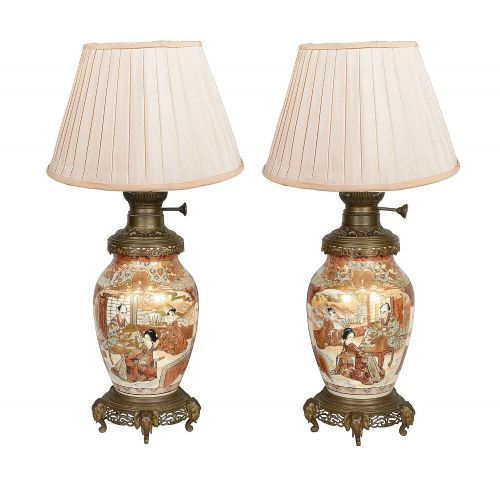
The most common examples on this page are nineteenth century Japanese Satsuma and bronze pieces, alongside Chinese porcelain jars and vases decorated in blue and white, Famille Rose, or celadon. Many retain their original forms or feature gilt bronze, ormolu, and brass mounts.
Makers and converters historically took urns, brush pots, and ginger jars, adapting them for electrical illumination while preserving the hand-painted or enamelled surface decoration. Pairs occur frequently alongside individual statement lamps.
Materials and construction
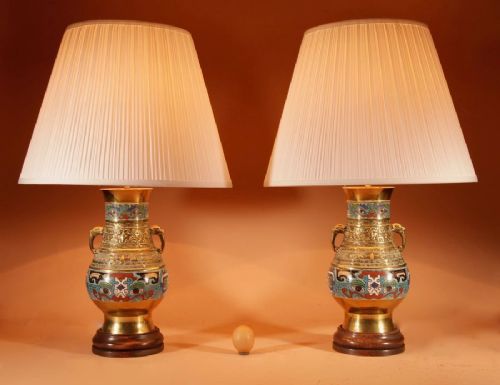
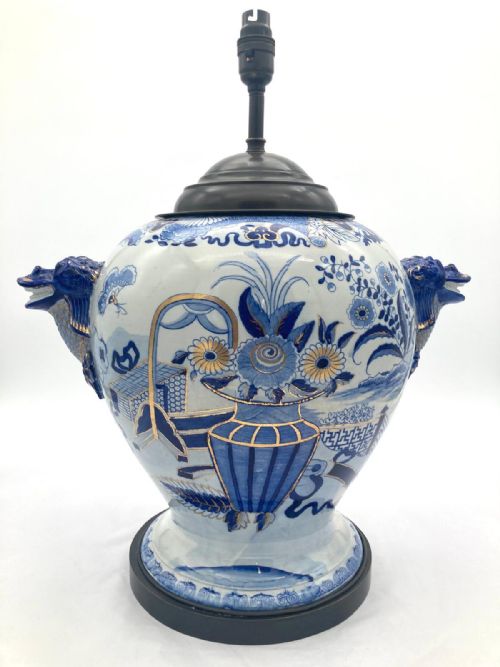
The bodies of these lamps utilise ceramic, porcelain, ironstone, and bronze, formed through traditional shaping and firing or casting methods. Surface decoration relies on hand-painted glazes, cloisonné enamel work, and champlevé techniques.
Metal components incorporate brass, bronze, and ormolu mounts that secure the electrical fittings and provide stable bases. Silk and fabric shades frequently complete the assembly, resting above the ceramic or metallic body.
Some nineteenth century scholars suspect ancient brush pots were simply waiting for the light bulb to be invented.
Variations in quality
Quality separates through the crispness of the hand-painted enamels, the depth of the bronze casting, and the integration of the mounts. Superior pieces display intricate detail in the Satsuma or Famille Rose motifs and harmonious matching within pairs.
The sophistication of the conversion work also dictates standard, where professional mounting respects the original vessel without causing structural compromise to the ceramic or metal body.
Hicks and Meigh
The Oriental Vase Lighting Glossary
- Satsuma
- A type of Japanese earthenware featuring a ivory-coloured craquelure glaze decorated with elaborate enamels and gilt. It is frequently found on Meiji period table lamps.
- Cloisonné
- An ancient metalworking technique where thin wire partitions are soldered to a bronze or brass base to create cells filled with enamel paste. These pieces showcase intricate coloured patterns.
- Champlevé
- An enamelling process where troughs or cells are carved directly into a thick bronze or brass surface and filled with vitreous enamel before firing. It produces deeply textured metallic lighting bodies.
- Famille Rose
- A prominent palette of Chinese porcelain decoration distinguished by opaque pink or rose enamel colours introduced during the Qing Dynasty. This style appears frequently on nineteenth century vase lamps.
- Ormolu
- Gilded bronze mounts applied to furniture and decorative objects, including vase lamps. These metal ornaments enhance the silhouette and support the electrical hardware.
Oriental Vase Lighting: Frequently Asked Questions
What is oriental vase lighting?
Oriental vase lighting involves antique Chinese and Japanese vessels that have been converted into functional table lamps. They combine historical ceramic or bronze bodies with modern electrical wiring.
These lamps preserve centuries of decorative art while serving practical interior lighting purposes in modern rooms.
How do I date an oriental lamp?
Dating relies on identifying the style of the ceramic body, such as Meiji period Satsuma or Qing Dynasty porcelain. Period indicators also appear in the metal mounts and the style of the bronze casting.
Conversion methods and wiring styles can provide additional clues, though the vessel itself determines the primary era of manufacture.
Are these lamps sold in pairs?
Many listings feature matched pairs of vase lamps alongside single statement pieces. Pairs are particularly common among nineteenth-century Japanese bronze and Chinese Famille Rose examples.
Matching pairs require careful comparison of the hand-painted motifs and physical dimensions to ensure consistency.
How do I care for antique lamp bases?
Maintenance involves gentle dusting with a soft, dry cloth to protect delicate enamels, gilt bronze, and porcelain glazes. Avoid chemical cleaners that might strip the antique finishes or damage the hand-painted details.
Electrical components should be checked periodically by a qualified professional to ensure safety during daily use.