
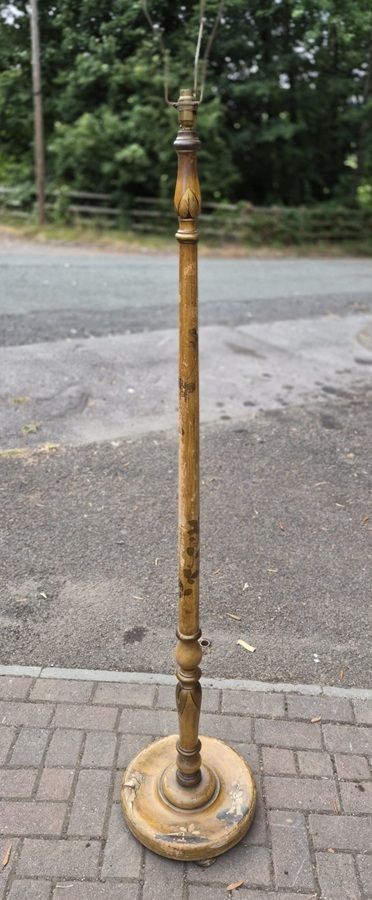
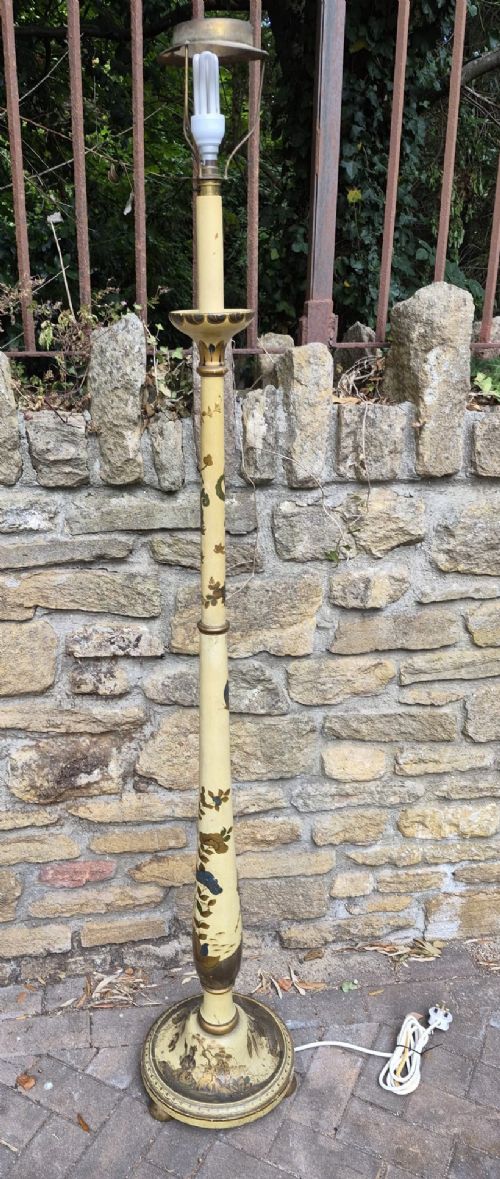
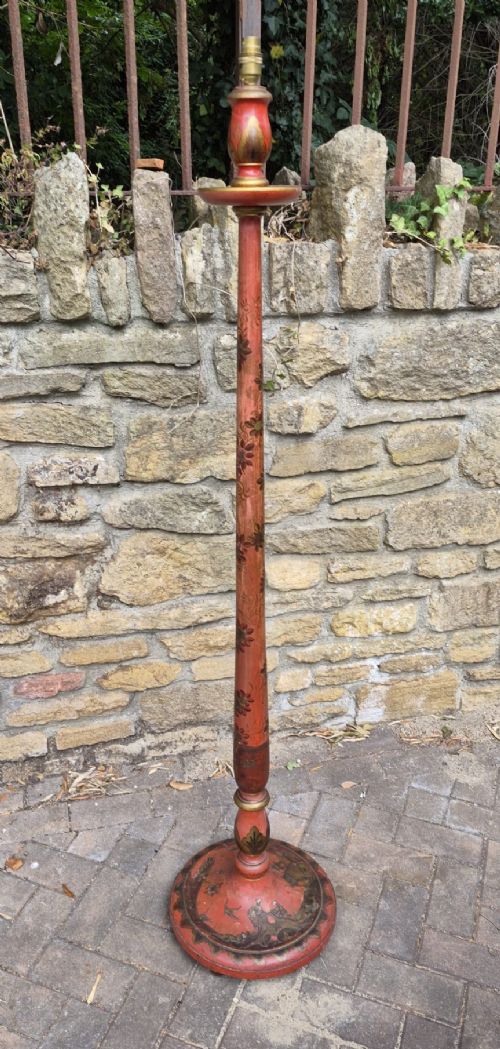
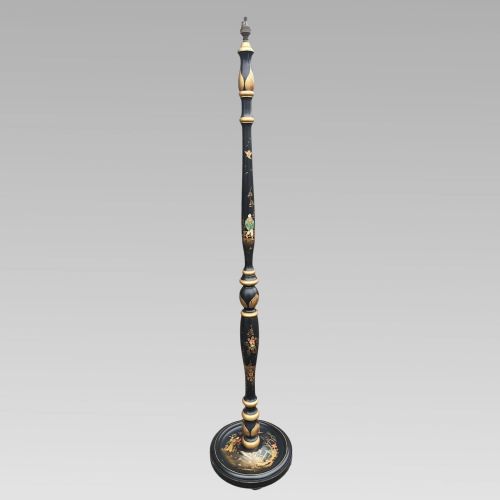
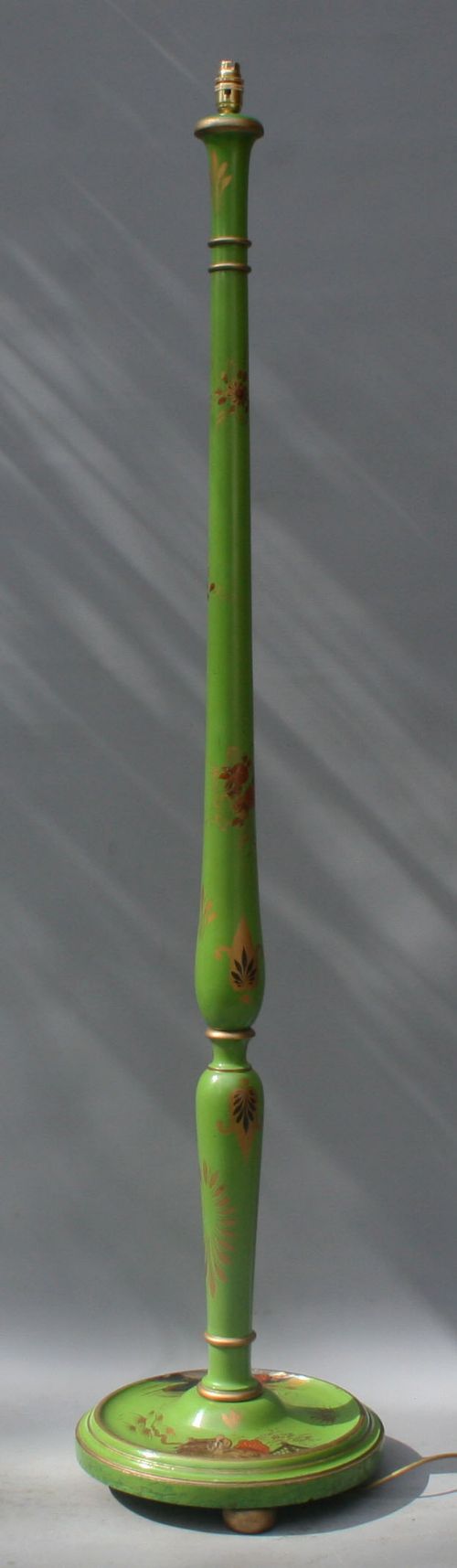


Oriental Standard Lamp
An oriental standard lamp brings striking height and cultural motifs to a room, offering both ambient illumination and distinct decorative presence.
Oriental Standard Lamp
An oriental standard lamp functions as a tall floor-standing light source designed to anchor a room's lighting scheme while displaying specific regional aesthetics. Buyers seeking an oriental standard lamp will find tall timber, lacquered, and metal uprights created to hold lampshades or lanterns in domestic settings.
The pieces on this page appear primarily from the Edwardian period, the 1920s, and the 1930s, alongside nineteenth-century examples. These standard lamps manifest in forms such as standard lamp lights, floor standing lamps, and lantern stands.
Stylistic influences span Chinoiserie, Edwardian Chinoiserie, Anglo-Indian, Traditional Chinese, Japanese Meiji, Chinese, and Tibetan designs. Common formats include single tall columns, adjustable lamp standards, and paired floor lamps.
How they were made
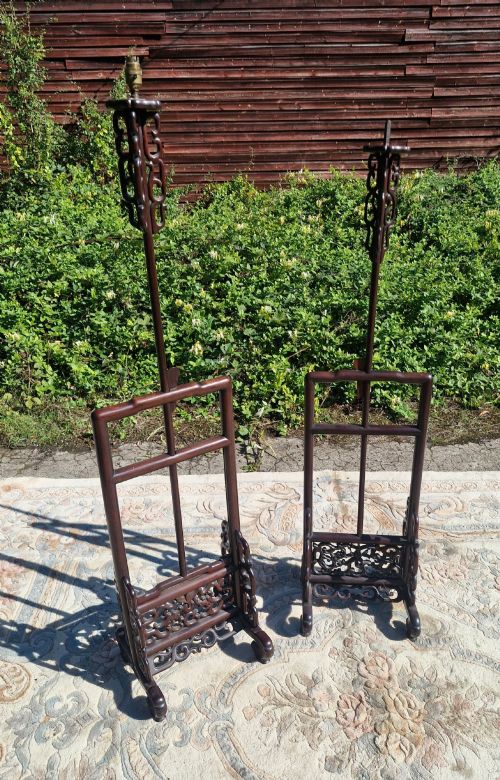
Makers utilised a range of materials including brass, wood, lacquer, fabric, lacquered wood, hardwood, painted wood, and gilt. Structural uprights often rely on dense timbers such as padauk wood or general hardwood, shaped through carving and turning.
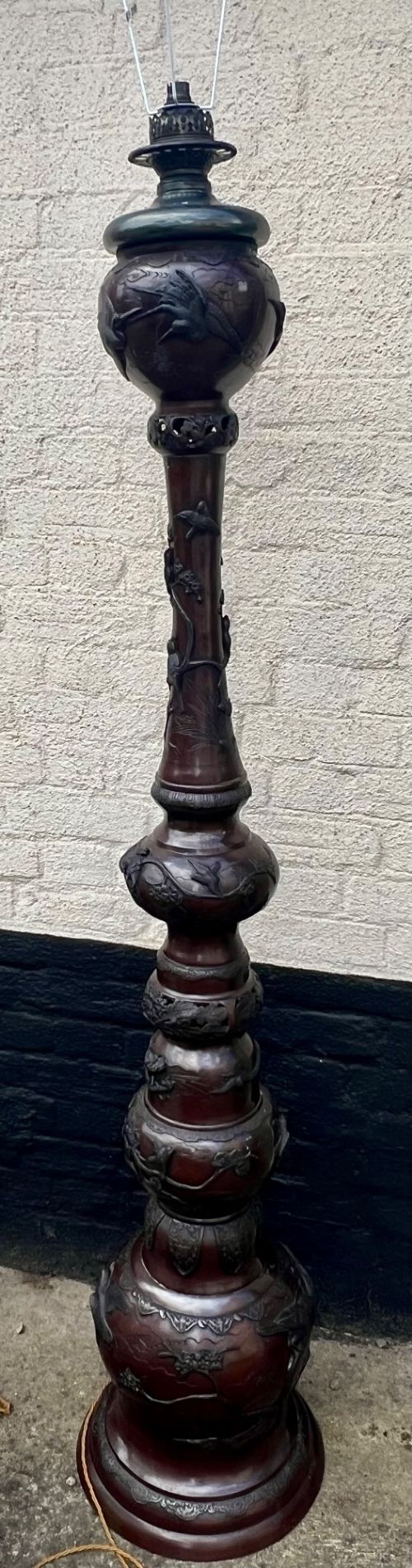
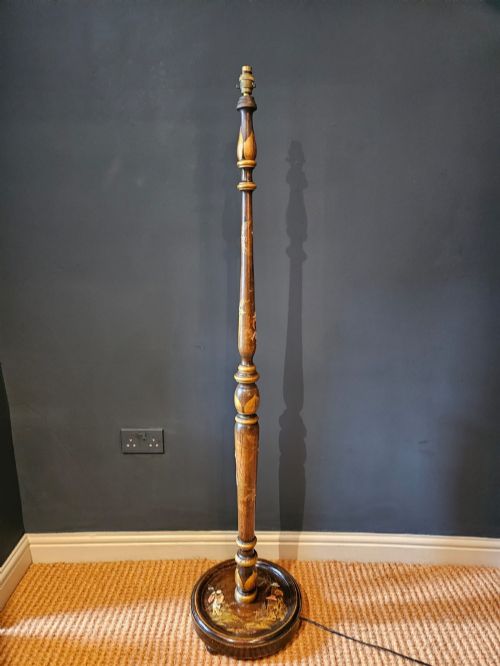
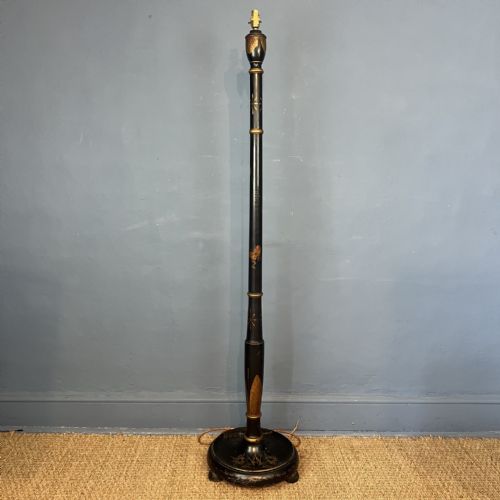
Surface decoration frequently involves black or red lacquer applied to wood, alongside painted Chinoiserie motifs. Metal elements appear in brass and bronze, while specialised pieces incorporate inlaid techniques or copper horn elements.
A nineteenth-century Tibetan ceremonial copper horn found a second life as an upright standard lamp.
What varies in quality
The standard of execution in carving and lacquer work sets finer examples apart from simpler productions. Richly detailed pictorial scenes and hand-applied gilt on lacquered wood demonstrate higher craftsmanship than plain painted finishes.
Material selection dictates durability and weight, with dense hardwoods and cast metals providing superior stability compared to lighter painted alternatives. The inclusion of original matched pairs or specialised mechanisms like adjustable shafts also elevates a piece.
The Oriental Standard Lamp Glossary
- Chinoiserie
- European interpretation and imitation of Chinese and East Asian artistic traditions, frequently expressed through lacquered furniture and decorative motifs.
- Meiji Period
- A Japanese historical era lasting from 1868 to 1912, noted in these records for bronze floor lamps.
- Padauk
- A dense tropical hardwood prized for its rich colour and durability, utilised in carved standard lamps.
- Standard Lamp
- A traditional British term for a floor lamp designed to stand upright on the floor.
- Hoshiarpur Inlaid
- Work originating from Hoshiarpur in Punjab, India, featuring intricate wooden inlay work seen on specific standard lamps.
Oriental Standard Lamp: Frequently Asked Questions
What is an oriental standard lamp?
An oriental standard lamp is a tall floor lamp influenced by Asian design traditions, including Chinese, Japanese, and Anglo-Indian styles.
These pieces use materials like lacquered wood, hardwood, and brass to provide both lighting and decorative height in living spaces.
How were these lamps used historically?
Historically, these tall lamps illuminated large reception rooms and parlours, often positioned beside seating areas for reading.
They served as functional furniture that also displayed fashionable foreign motifs during the Edwardian era and the early twentieth century.
How do I identify an Edwardian standard lamp?
Edwardian standard lamps typically date from the early twentieth century and frequently feature black or crimson Chinoiserie lacquer.
They often incorporate painted motifs on wooden columns and reflect the period's strong interest in Asian-inspired interior decoration.
What materials are common in these lamps?
Common materials include hardwoods like padauk, lacquered wood, painted wood, and brass.
Some specialised pieces incorporate bronze, copper, fabric shades, and intricate inlay work.