




Oriental Silk Textile
Oriental silk textile pieces bring vibrant history into a room, spanning framed embroidery, wall hangings, and intricate garments from Asian and Ottoman traditions.
Oriental Silk Textile
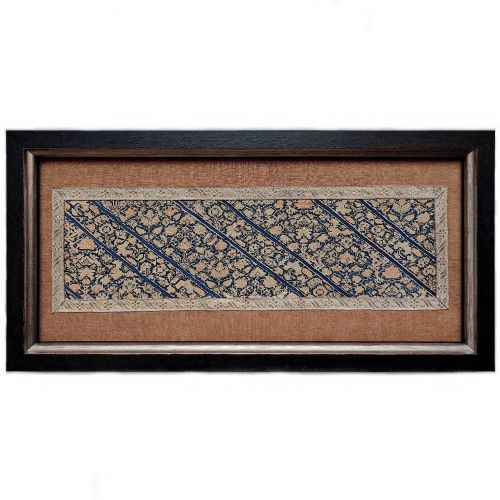
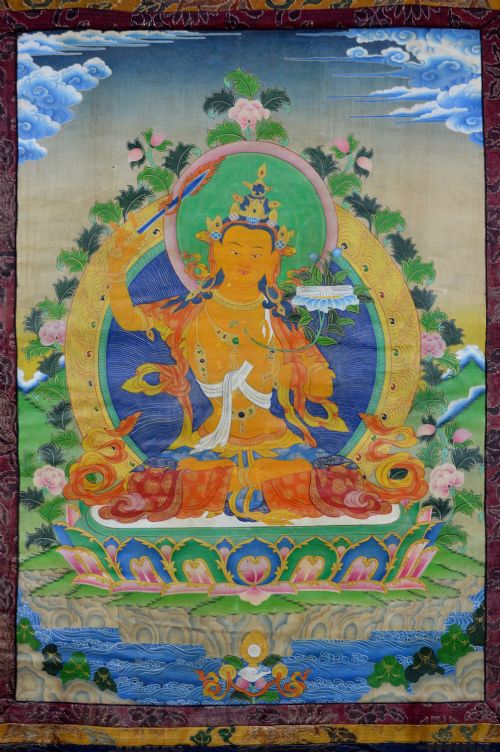
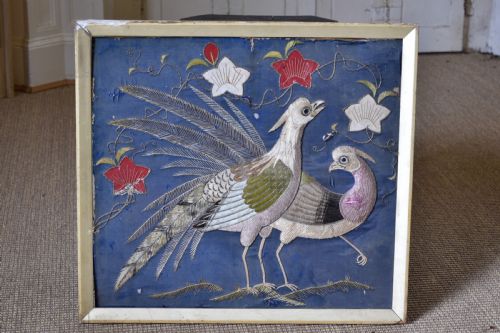
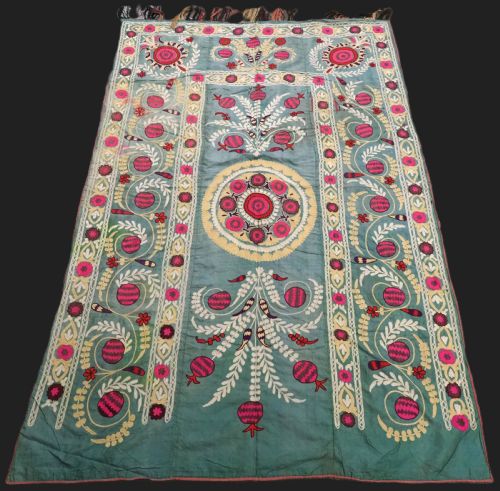
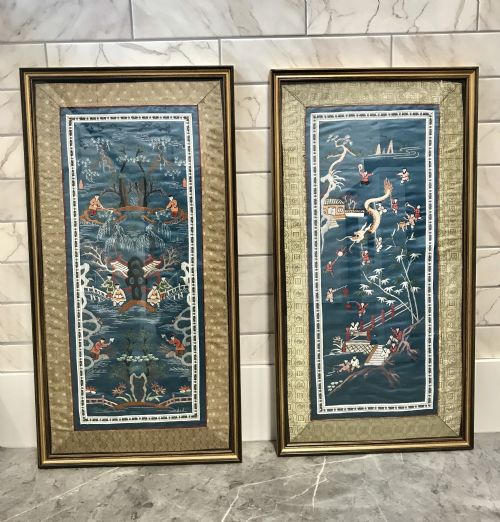
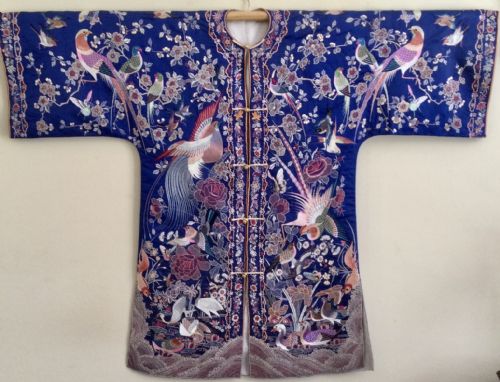
An oriental silk textile encompasses a wide array of historical items, ranging from framed Chinese embroideries and Japanese textile screens to Central Asian Suzani panels and Ottoman fragments. Buyers seeking these items will frequently encounter nineteenth-century and early twentieth-century works, including quilted coats, robes, and decorative wall art.
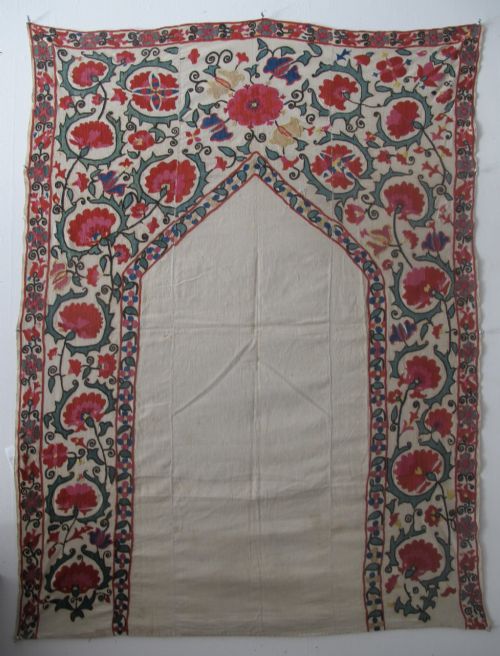
The selection reflects diverse regional styles, such as Qing Dynasty needlework, Persian Rasht embroidery, and Uzbek Suzanis worked on cotton or velvet grounds. These objects function equally well as framed pictures, wearable garments, or textile panels designed for display.
How they were made
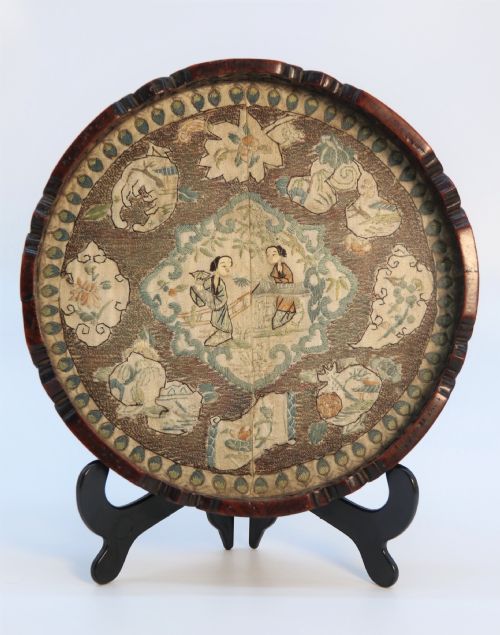
Maker traditions rely heavily on hand-sewn silk thread applied to varied foundations like cotton, felt, or velvet, sometimes enhanced with metallic thread brocade work. Artisans utilised techniques such as applique and intricate needlework to build dense botanical, animal, or architectural motifs.
Many textile items incorporate additional structural elements like wood, glass, or lacquer frames, particularly in Japanese screens and glazed Chinese picture panels. Quilting and padding techniques also appear in utilitarian garments like winter coats and robes.
Oriental Silk Textile Retail Price Guide 2026
Typical asking prices for oriental silk textile among the pieces listed under this phrase on Sellingantiques today, from the lower quarter to the upper quarter. They describe what is for sale here now, not the wider market.
Listings feature items from the nineteenth and early twentieth centuries, encompassing styles from the Qing Dynasty, Ottoman Empire, and Central Asian traditions.
What varies in quality
Quality rests upon the density and precision of the hand-sewn embroidery work, alongside the complexity of the design and colour palette employed by the artisan. Finer examples display meticulous needle control and well-preserved metallic threads or applique foundations.
The overall preservation of the fabric ground, whether cotton, velvet, or silk, directly influences the integrity of the piece. Format and scale also play a part, with larger screens, complete garments, and structurally sound panels holding distinct visual weight.
Iida Takashimaya Company
The Oriental Silk Textile Glossary
- Suzani
- An embroidered tribal textile from Central Asia, traditionally worked with silk thread on a cotton or linen foundation.
- Applique
- A needlework technique where pieces of fabric, such as felt or velvet, are sewn onto a larger background ground to form a pattern.
- Ikat
- A dyeing and weaving method where the threads are patterned before being woven into cloth, creating characteristic feathered edges.
- Brocade
- A class of richly decorative shuttle-woven fabrics, often made with coloured silk and enriched with metallic threads.
- Jajim
- A flat-woven textile traditionally constructed in narrow strips and stitched together, often utilised as a cover or hanging.
Oriental Silk Textile: Frequently Asked Questions
How should I display an antique textile?
Framing behind glass protects delicate silk and metallic threads from environmental dust and handling wear. Alternatively, mounting textiles on padded boards allows larger wall hangings to be displayed safely without placing undue stress on the fabric.
Ensure that display areas avoid direct sunlight to prevent the fading of natural dyes over time. Rotating pieces or controlling ambient light levels preserves the richness of the silk and underlying cotton grounds.
What is a Suzani used for?
Traditional Suzanis served as decorative wall hangings, bed covers, or ceremonial dowry items within Central Asian households. Their intricate floral and architectural patterns held symbolic meanings related to prosperity and well-being.
Today, collectors typically repurpose these large embroidered panels as statement wall art or luxurious interior throws. Their vibrant compositions bring texture and historical depth to modern spaces.
Are these textiles fragile?
Historical textiles require careful handling due to the natural ageing of silk, cotton, and metallic threads over the centuries. Gentle treatment ensures that delicate applique work and hand-sewn details remain undisturbed.
Proper framing or mounting significantly reduces physical wear by preventing direct contact. Keeping pieces away from moisture and extreme temperature fluctuations maintains the stability of the fabric.