






Oriental Silk Embroidery
Oriental silk embroidery brings together intricate needlework and textile traditions from across Asia, offering rich colour and historic craftsmanship for the home.
Oriental Silk Embroidery
When you search for oriental silk embroidery, you encounter a diverse range of textiles, wall hangings, and framed panels originating from China, Japan, Central Asia, and the Ottoman regions. These pieces span from the mid nineteenth century into the early twentieth century, reflecting varied cultural aesthetics from the Qing Dynasty to Central Asian tribal workshops.
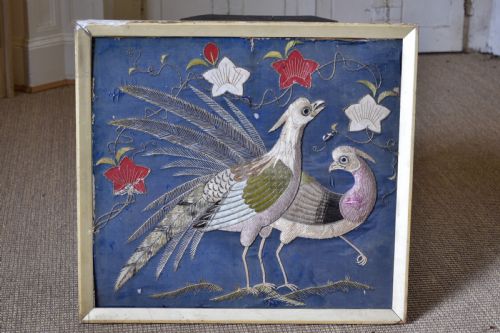
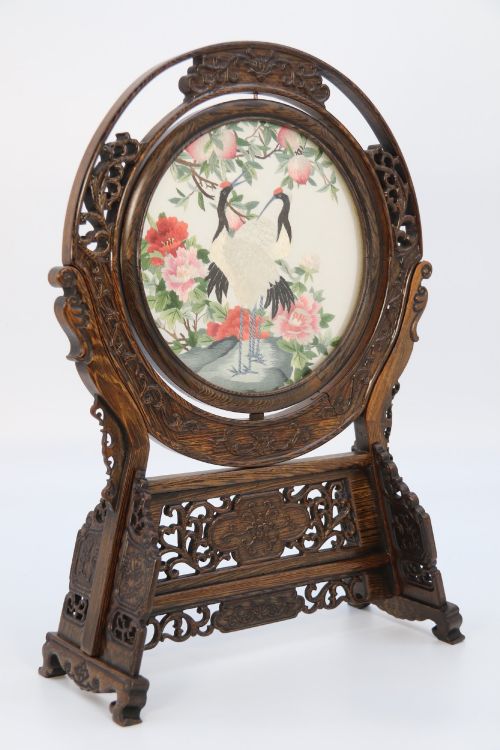
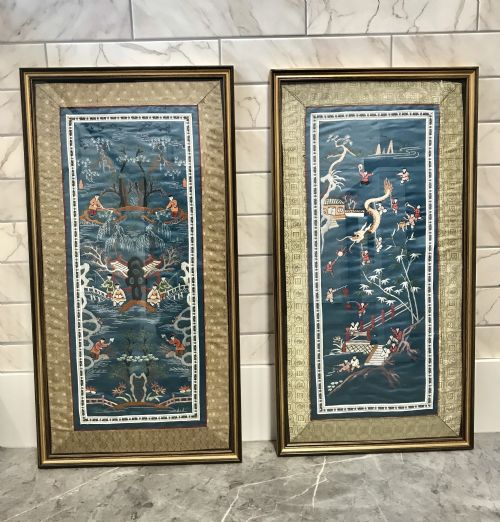
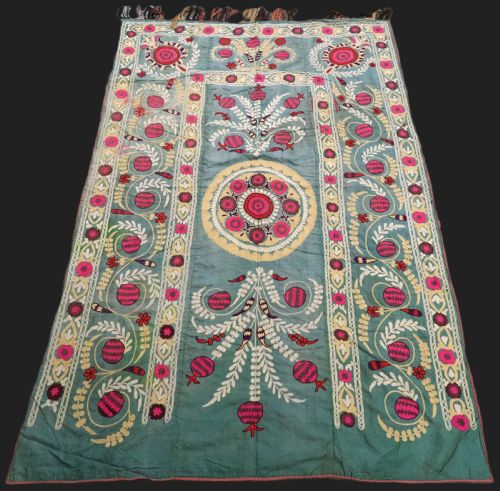
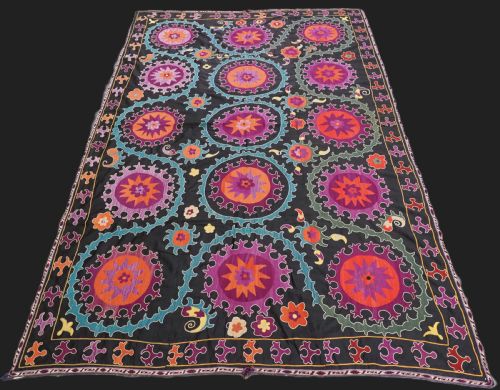
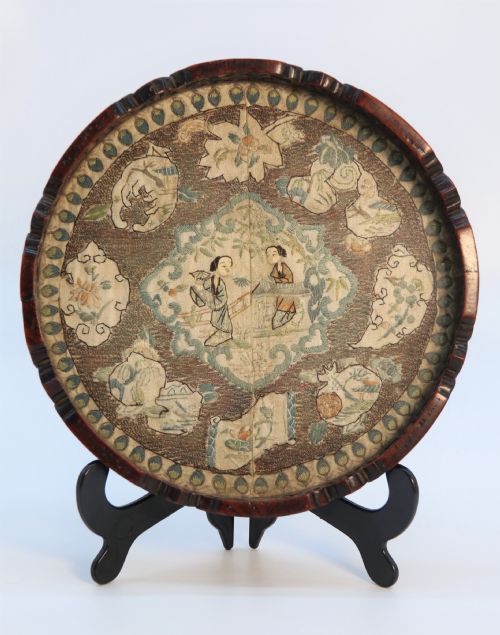
The most common forms on this page include framed Chinese panels, folding table screens mounted in carved hardwood, and bold Central Asian suzanis worked in vibrant threads. Buyers frequently select these items for their decorative wall impact or as tactile tabletop display pieces.
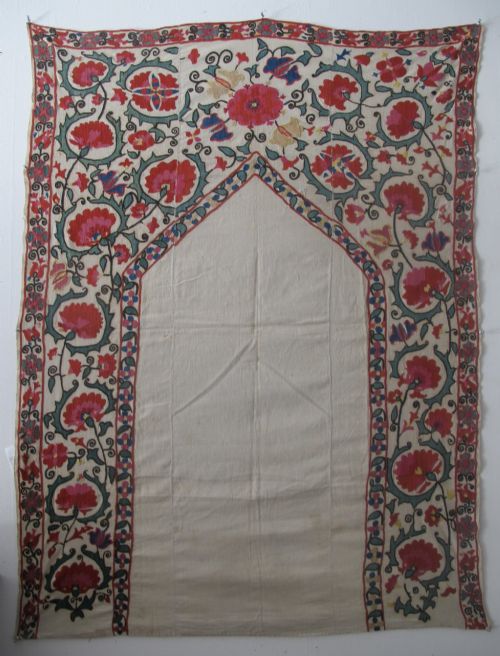
Regional styles vary significantly, ranging from the delicate double sided silk needlework of Chinese ateliers to the bold geometric or floral motifs found on Uzbek bed covers and hanging fragments. Each piece carries the distinct regional signature of its maker, whether worked on cotton grounds or framed under glass.
Materials and technique
Needlework relies heavily on fine silk threads worked across diverse support fabrics such as cotton grounds, wool, velvet, and felt applique. Artisans also integrated metallic thread and silver metal thread brocade work to add shimmering detail to garments, panels, and large wall hangings.
Many Chinese textiles utilise sophisticated double sided stitching techniques housed within carved hardwood frames or rotating display stands. Central Asian suzanis employ hand sewn needlework on cotton or linen foundations, often structured in specific prayer formats or architectural layouts.
Makers frequently mounted delicate textile fragments under glass or incorporated them into functional items like trays and folding screens. The integration of wooden frames and glass protection ensured that fragile silk surfaces survived decades of use.
Geese in flight and mandarin ducks frequently appear immortalised in fine silk, proving that historical artisans loved waterfowl just as much as we do.
Judging quality
Quality rests in the precision and density of the needlework, where finer stitching creates greater depth, realism, and durability in floral, animal, or figural motifs. Pieces executed to a higher standard maintain tension evenly across the fabric without distortion.
The choice and preservation of materials dictate the upper tier of the range, visible in vibrant, unfaded silk threads and intact metallic work. Hardwood stands accompanying screens or trays exhibit deeper hand carving and structural integrity.
Compositional balance and the complexity of the design separate standard decorative items from exceptional examples. A well proportioned suzani or a finely detailed double sided screen demonstrates superior artisanal planning.
Iida Takashimaya Company
The Oriental Silk Embroidery Glossary
- Suzani
- A type of embroidered and decorative tribal textile from Central Asia, traditionally made by brides as part of their dowry. These large hangings typically feature bold floral designs on cotton or linen grounds.
- Double sided embroidery
- A sophisticated needlework technique where identical or complementary images appear on both sides of a translucent silk fabric. This method requires immense skill to conceal all thread knots.
- Applique
- A technique where pieces of fabric, such as felt or velvet, are sewn onto a larger background material to create layered patterns. It appears frequently in regional textiles from Persia and Central Asia.
- Table screen
- A portable decorative panel mounted on a stand, designed to sit on a desk or table. Many examples combine carved hardwood frames with delicate silk embroidered art.
- Metallic thread
- Spun thread wrapped in thin strips of metal, often silver or gilt, used to add lustrous highlights to traditional embroidery. It appears prominently in court robes and decorative wall hangings.
Oriental Silk Embroidery: Frequently Asked Questions
How were antique suzanis originally used?
Suzanis served primarily as decorative wall hangings, bed covers, or ceremonial dowry items within Central Asian households. Families displayed them on special occasions to signify status and wealth.
Over time, these textiles became valued collector pieces, appreciated for their bold geometric and floral patterns worked in silk on cotton.
How should I care for a textile under glass?
Display framed embroideries away from direct sunlight to prevent the natural silk threads from fading or becoming brittle over time. Maintaining a stable indoor environment protects the delicate fibres from humidity fluctuations.
Avoid pressing the glass directly against the textile surface to allow the fibres to breathe naturally.
How can I tell Chinese and Central Asian pieces apart?
Chinese pieces typically focus on refined figural scenes, garden birds, dragons, and floral motifs rendered in ultra fine silk threads. They are frequently mounted in carved hardwood frames or table screens.
Central Asian suzanis and embroideries rely on larger scale geometric layouts, floral roundels, and distinct regional tribal patterns worked on cotton or velvet grounds.