


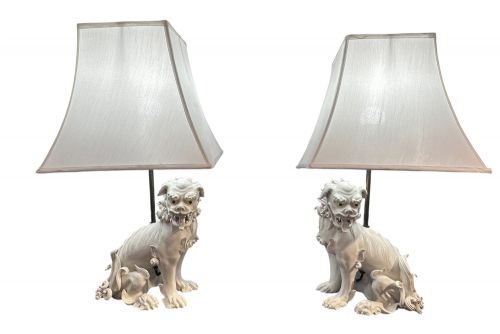


Oriental Porcelain Table Lamps
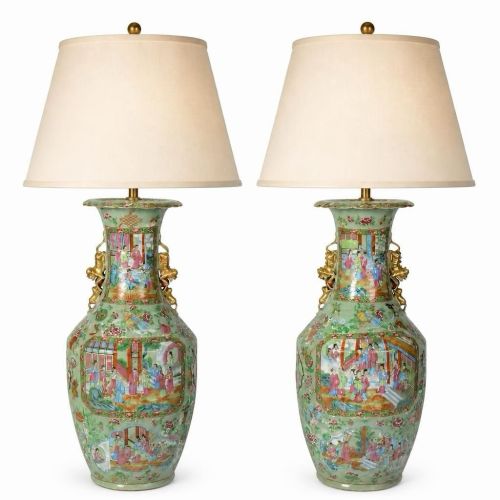
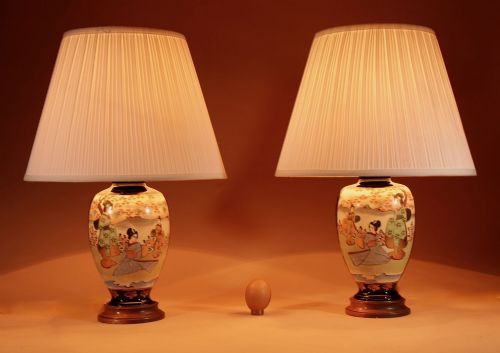
Oriental porcelain table lamps bring colour and historical form to a room through repurposed nineteenth and early twentieth-century vessels.
What oriental porcelain table lamps are
Oriental porcelain table lamps adapt earlier ceramics into functional lighting for modern rooms. They combine historical vases and figures with mounted fittings.
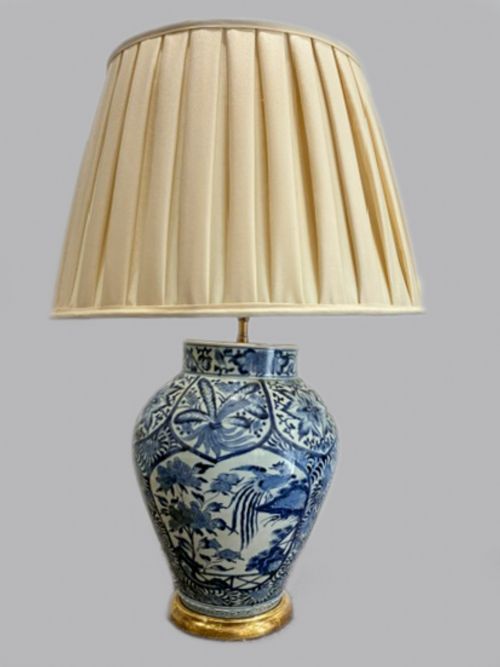
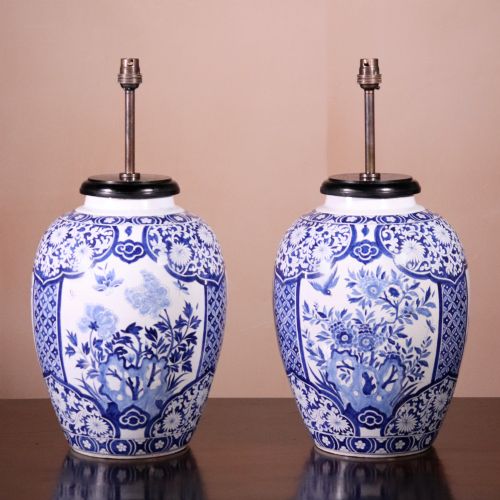
The selections available here feature Japanese blue and white vases alongside blanc de chine Shi lion figures. These pieces represent both Meiji period production and early twentieth-century Chinoiserie taste.
Vessels from the eighteen-nineties sit alongside nineteen-twenty examples to form this group. Each piece retains its distinct ceramic character while serving as a lamp base.
How they were made
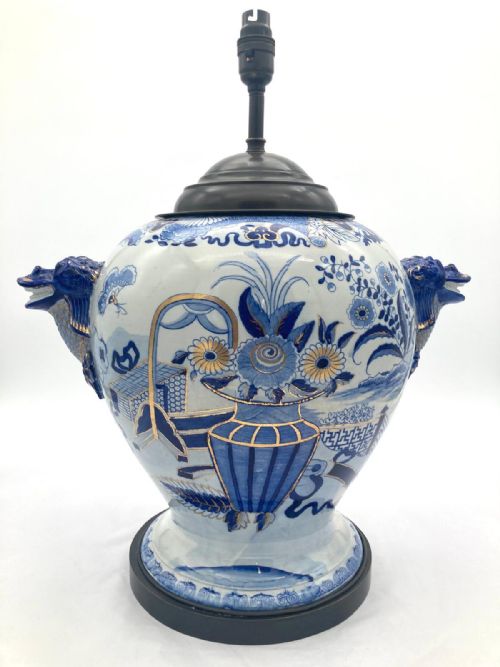
Makers shaped these bodies from hard-paste porcelain before glazing and firing them at high temperatures. Some vessels received detailed blue and white underglaze painting, whilst others relied on the smooth finish of blanc de chine modelling.
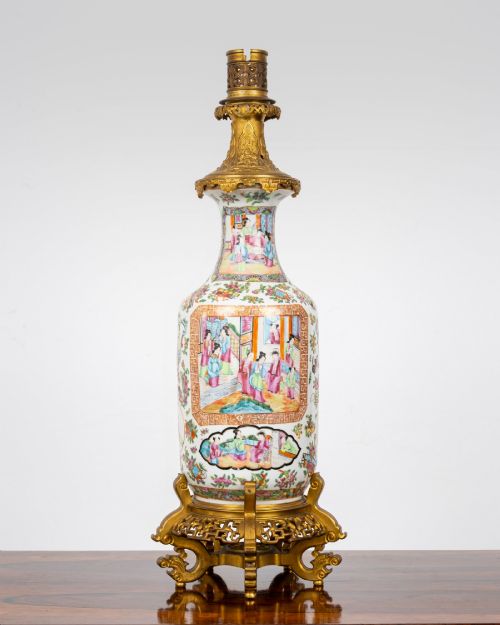
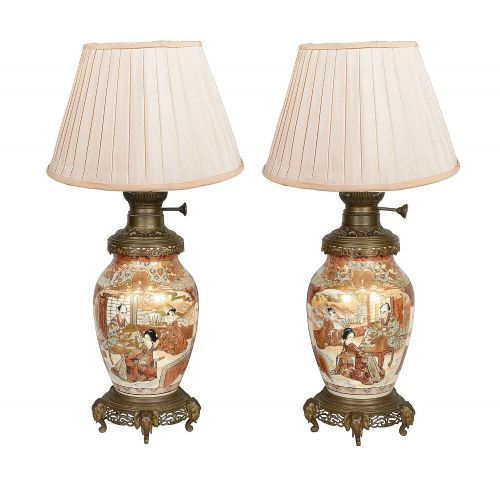
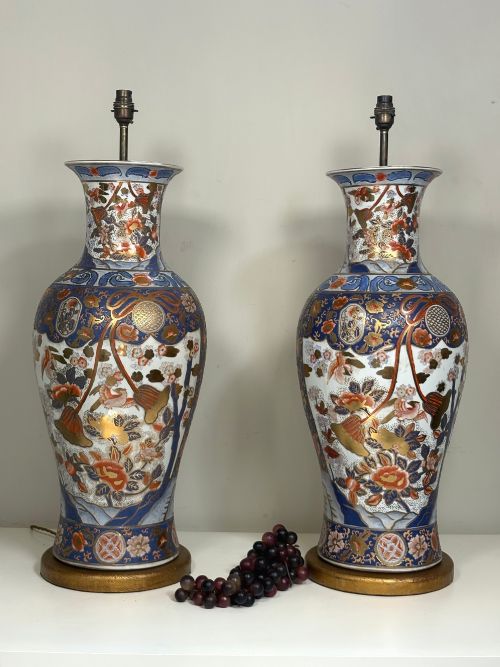
Conversion into lamps involved the addition of mounts in brass and gilded wood to support electrical fittings. Shades in fabric and silk complete the construction of these decorative objects.
Shi lions sit on lamp bases guarding your side table just as they once guarded ancient temple gates.
What varies in quality
Quality rests primarily on the crispness of the porcelain modelling and the depth of the glaze. Hand-painted blue and white pigment shows variation in its sharpness and tone across different workshops.
The integration of the electrical and structural mounts affects the overall balance of the piece. Superior examples feature mounts in brass and gilded wood that complement rather than overwhelm the ceramic body.
The Oriental Porcelain Table Lamps Glossary
- Blanc de Chine
- A white porcelain produced in Dehua, China, prized for its ivory or milk-white glaze. It often appears on figures such as Shi lions.
- Chinoiserie
- A European artistic style reflecting Chinese motifs and techniques. It informed the decorative taste of early twentieth-century lamp production.
- Meiji
- The period in Japanese history spanning from eighteen-sixty-eight to nineteen-twelve. Vases from eighteen-ninety date directly to this era.
- Underglaze
- A method of decorating pottery before applying a transparent glaze and firing. Blue pigment applied this way sits permanently beneath the glossy surface.
- Shi Lion
- Also known as a Foo Dog, this mythical guardian creature appears frequently in Chinese and Japanese ceramic art. Sculptural figures of these beasts are often adapted into lamp bases.
Frequently Asked Questions
What are oriental porcelain table lamps?
These pieces are historical ceramic vases and sculptural figures converted into functional lighting. They use antique vessels combined with electrical fittings and shades.
The selection on this page includes nineteenth-century Japanese blue and white pieces alongside early twentieth-century blanc de chine figures. Each lamp merges decorative ceramic history with practical home illumination.
How old are these lamps?
The ceramic bodies date from the late nineteenth century and the early twentieth century. Specifically, the evidence shows pieces from eighteen-ninety and nineteen-twenty.
While the porcelain is antique or vintage, the electrical components and mounts reflect their later conversion into lamps. This combination preserves the original ceramic artistry for modern interior use.
How do I choose between blue and white and blanc de chine?
Choosing between these styles depends on the visual weight you want in your room. Blue and white pieces offer intricate painted patterns and contrasting cobalt tones.
Blanc de chine lamps present a monochromatic surface that highlights sculptural form and texture. Both styles bring distinct historical character to a tabletop setting.
What materials make up these lamps?
The primary material is ceramic porcelain, shaped into vases or sculptural animal figures. This is paired with metalwork and wooden elements for support and mounting.
Brass and gilded wood frequently form the structural bases or mounts. Silk and fabric shades sit atop these assembled bodies to complete the lighting fixture.
Where do these lamp bases originate?
The ceramic bodies originate from Asian ceramic traditions, including Japanese production from the Meiji period. Makers in Europe or Britain later adapted these imported vessels into lamps.
This secondary adaptation process involved drilling or mounting the porcelain to hold electrical hardware. The resulting objects bridge eastern ceramic craft with western interior lighting history.