
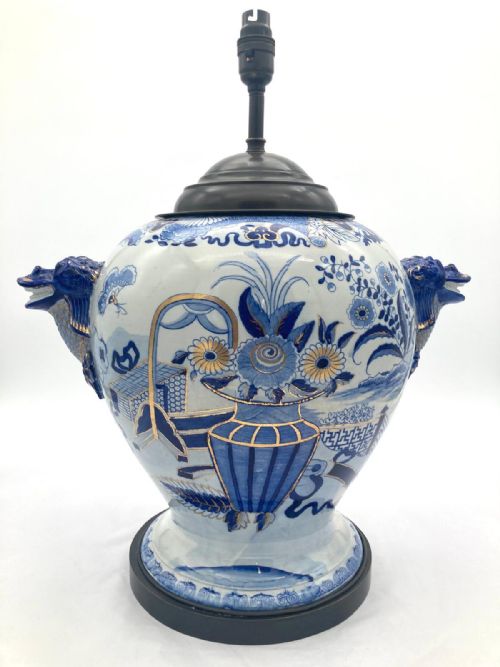


Oriental Porcelain Lamp Base
An oriental porcelain lamp base brings centuries of ceramic artistry into a room, combining hand-painted vases and ginger jars with fitted wiring.
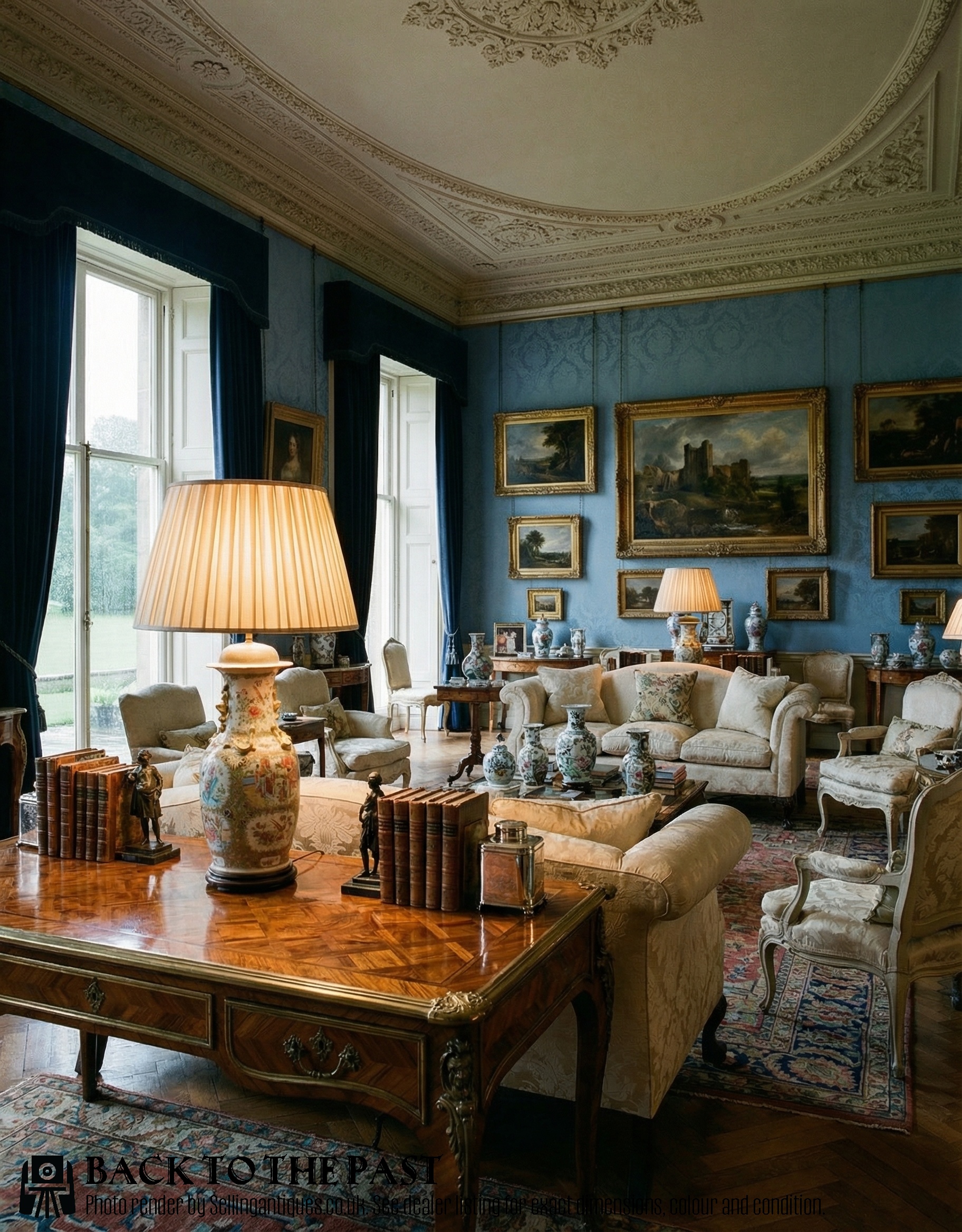
Oriental Porcelain Lamp Base
An oriental porcelain lamp base is typically formed from a converted antique vessel, most frequently a nineteenth-century Chinese vase, ginger jar, or Japanese Satsuma piece. These objects range from sturdy blue and white ginger jars to large celadon and famille rose baluster vases adapted for modern illumination.
The selection on this page draws heavily from the nineteenth century, alongside eighteenth-century Arita and Imari imports, alongside later twentieth-century interpretations in various styles. Buyers encounter both single statement pieces and matched pairs suitable for mantelpieces or side tables.
Materials and Conversion Techniques
The primary bodies utilise hard-paste porcelain, earthenware, and ironstone, decorated with underglaze cobalt blue, famille rose enamels, or crackleware glazes. Many vessels originate from Chinese kilns or Japanese Meiji and Edo periods, reflecting traditional oriental firing methods.
Conversion typically involves mounting the ceramic body with brass, gilt bronze, or ormolu fixtures. Fabric and silk shades often complete the assembly, integrating historical vases into functional domestic lighting.
Oriental Porcelain Lamp Base Retail Price Guide 2026
Typical asking prices for oriental porcelain lamp base among the pieces listed under this phrase on Sellingantiques today, from the lower quarter to the upper quarter. They describe what is for sale here now, not the wider market.
Current listings feature porcelain, brass, silk, and gilt bronze, spanning the eighteenth century through to the 1930s.
Assessing Quality and Execution
Quality rests upon the fineness of the original ceramic painting and the stability of the glaze, whether in the depth of a sang de boeuf red or the crispness of blue and white floral motifs. Superior examples display precise hand-brushwork and balanced proportions.
The standard of metal mounting also separates grades, with heavy cast brass or ormolu mounts demonstrating greater craftsmanship than simpler modern fittings. The integration of the wiring without compromising the underlying ceramic structure dictates the overall success of the piece.
Hicks and Meigh
The Oriental Porcelain Lamp Base Glossary
- Celadon
- A pale green jade-like glaze originating in ancient kilns. This finish is frequently seen on nineteenth-century twin-handled and baluster vases.
- Famille Rose
- A palette of opaque enamel colours dominated by pink, introduced during the Qing dynasty. It appears widely on floral and figural lamp conversions.
- Imari
- A style of Japanese export porcelain characterised by underglaze blue and iron red, often highlighted with gilt. Eighteenth-century examples are particularly sought after.
- Ginger Jar
- A wide-shouldered storage jar with a short neck, originally used for spices. These sturdy vessels form some of the most robust table lamps.
Oriental Porcelain Lamp Base: Frequently Asked Questions
How do I choose the right lamp shade?
Select a shade that complements the scale and palette of the ceramic base without overpowering the hand-painted details. Simple silk or fabric designs in neutral tones allow the oriental patterns to remain the focal point.
Consider the height of the vase when measuring for a shade, ensuring the overall proportions maintain balance for a side table or sideboard.
Are these lamps converted from antique vases?
Many listings derive from genuine nineteenth-century or earlier Chinese and Japanese vessels that have been professionally adapted for electrical use. This conversion process usually incorporates brass or gilt bronze mounts.
Buyers should examine the mounting details to understand how the ceramic body was secured during the adaptation process.
How do I clean an antique porcelain base?
Dust the surface regularly with a soft, dry cloth to prevent grime accumulation on the glaze or around the metal mounts. Avoid harsh chemical cleaners that might damage hand-painted enamels or gilt highlights.
For more stubborn marks on the porcelain, a slightly damp cloth can be used gently, followed immediately by drying with a soft towel.
What is the difference between blue and white and famille rose?
Blue and white porcelain utilises cobalt oxide painted directly onto the clay body before glazing and firing, creating a crisp monochrome design. Famille rose relies on opaque overglaze enamels fired at a lower temperature to introduce pinks, greens, and yellows.
Both decorative traditions appear frequently across nineteenth-century lamp bases.