




Oriental Painted Lamps
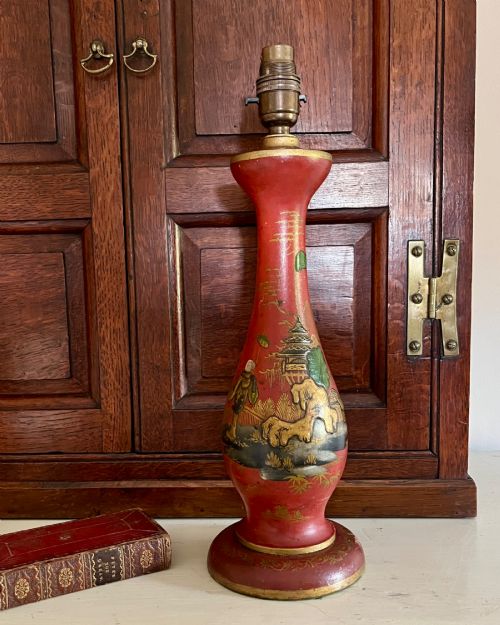
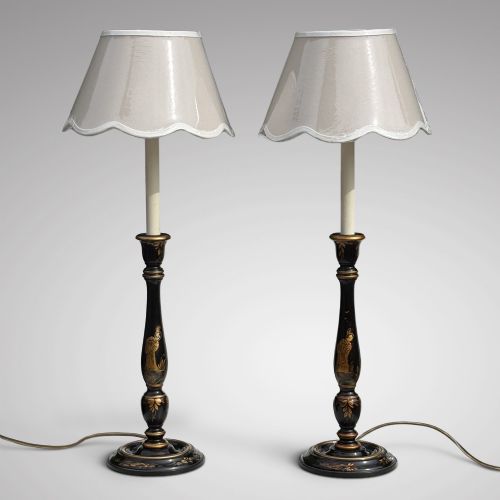
These oriental painted lamps bring hand-finished lacquered wood, porcelain, and vibrant colour into a room.
Oriental Painted Lamps
Oriental painted lamps encompass table lamps, floor lamps, and standard lamps produced across the Victorian, Edwardian, and early twentieth-century periods. These pieces draw upon Chinese export designs, Japanese Satsuma wares, Kashmiri hand-painted traditions, and Chinoiserie aesthetics.
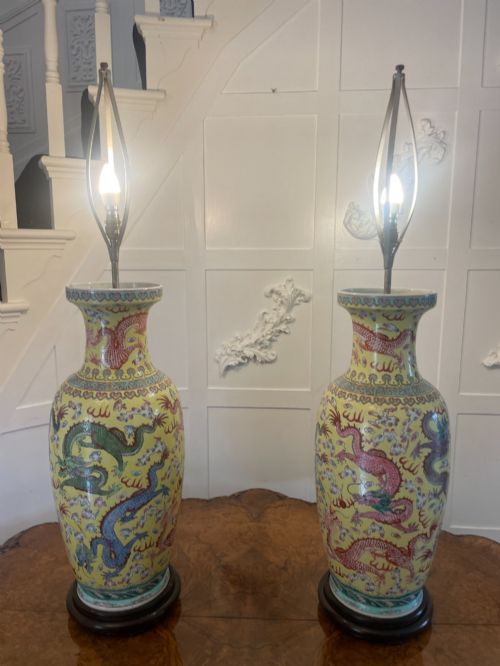
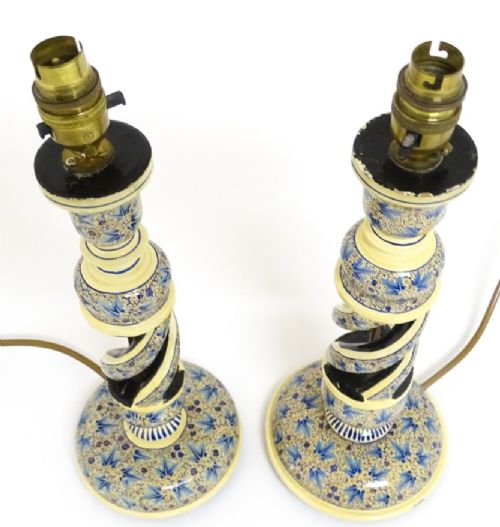
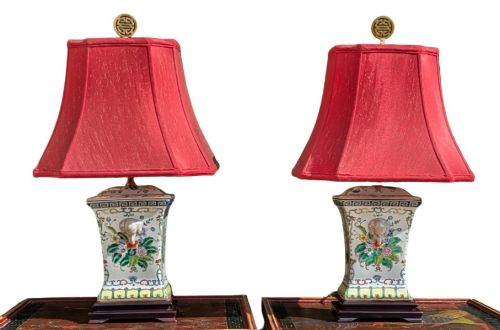
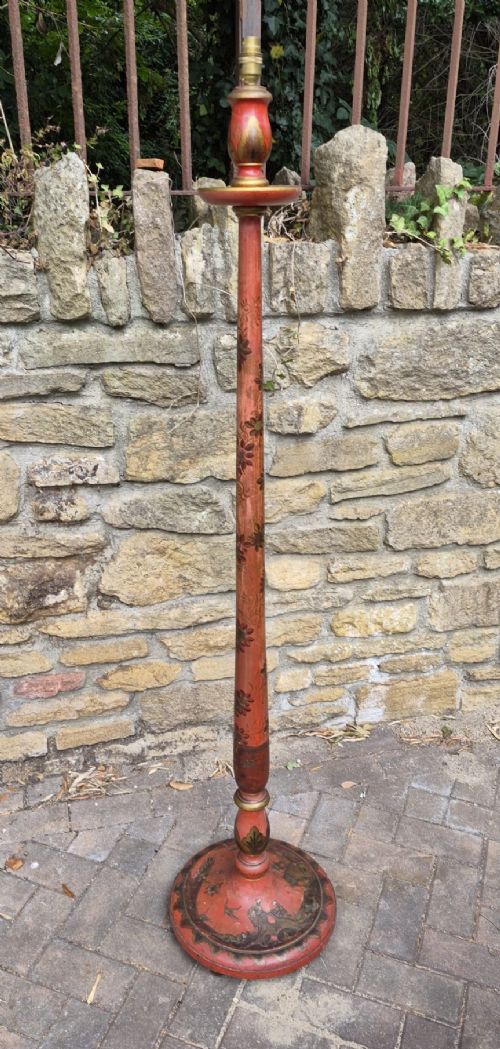
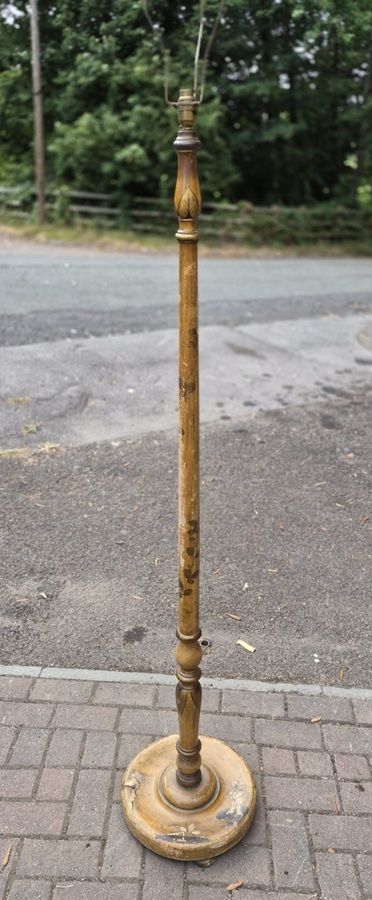
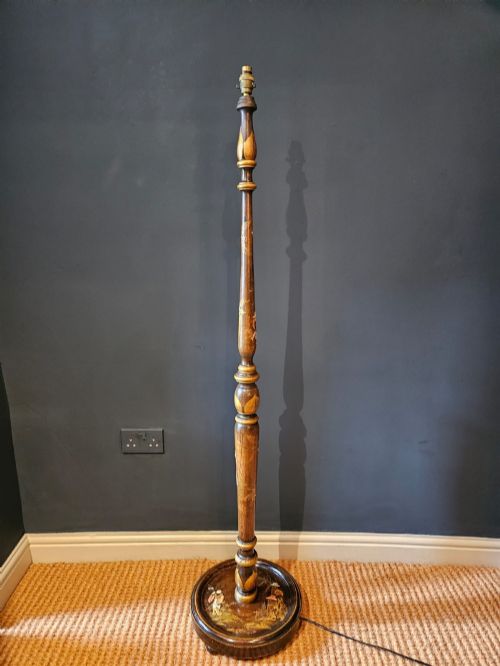
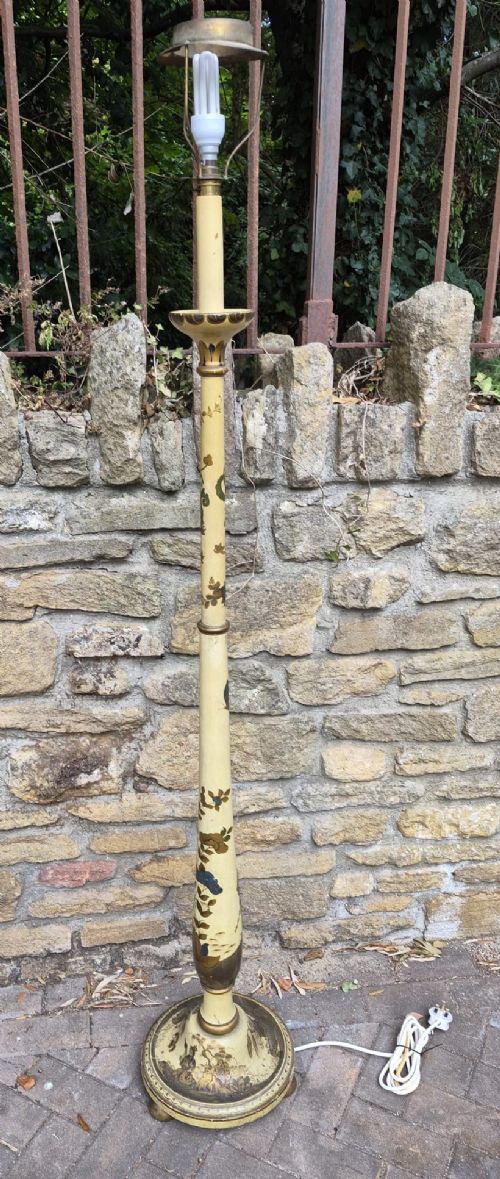
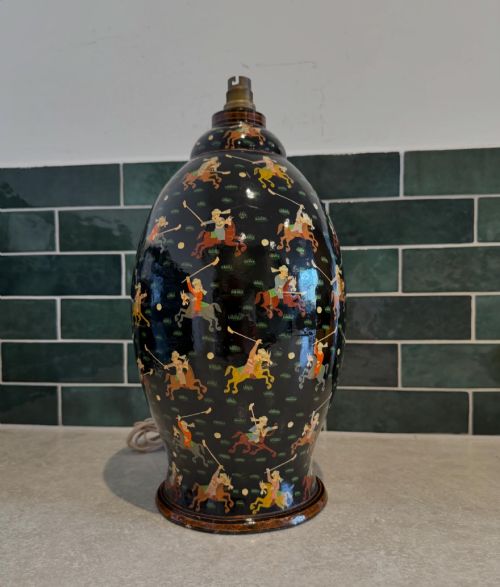
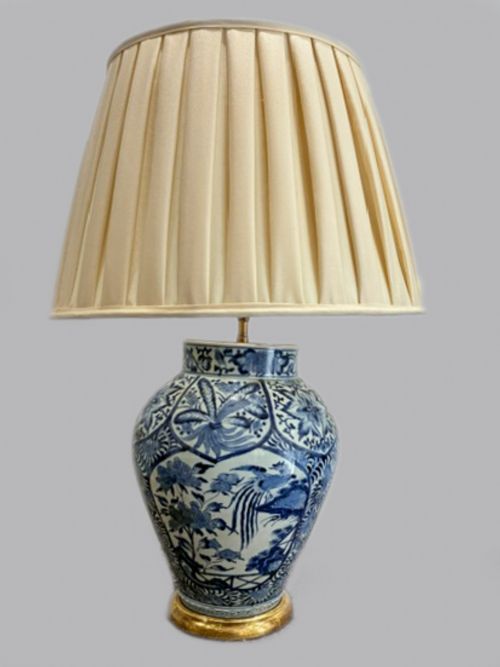
Table lamps frequently utilise converted Chinese porcelain vases, ginger jars, and tea canisters dating from the nineteenth century alongside smaller Kashmiri vessels. Standard lamps and floor-standing versions display decorated lacquer surfaces in black, red, orange, and crimson.
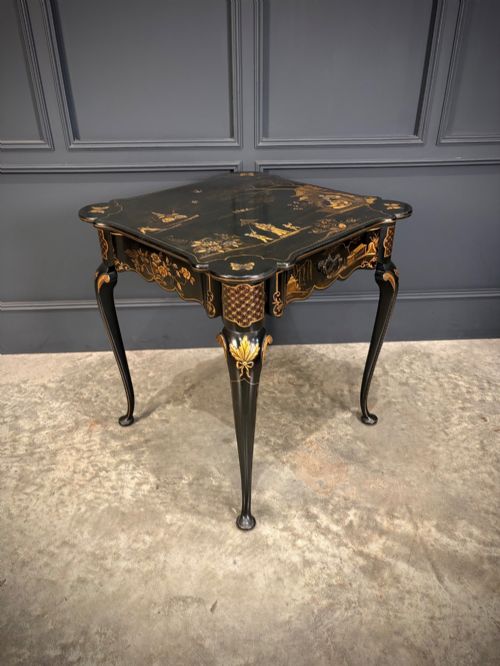
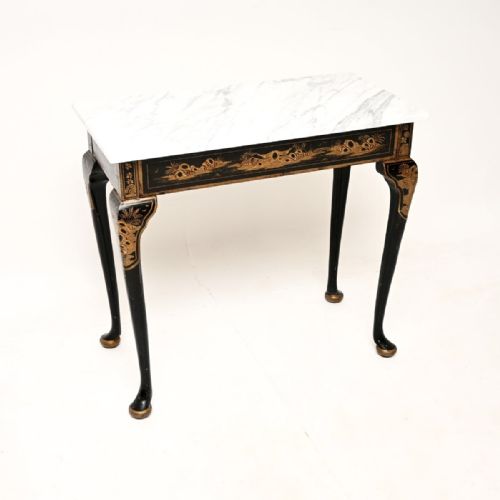
Occasional tables and side cabinets also appear amongst the listings, sharing the same hand-painted Chinoiserie vocabulary as the lighting. The selection spans the late seventeenth century up to the nineteen-thirties, with a heavy concentration of items originating from the nineteen-twenties and Edwardian eras.
Materials and construction
Makers utilised wood, brass, and porcelain as the structural foundation for these objects, applying layers of lacquer, gilt, and oil paint to create heavily decorated surfaces. Porcelain vessels from Chinese kilns were later adapted into lamps, combining ceramic bodies with electrical wiring or original fittings.
Kashmiri pieces employ papier-mâché and wood coated in pigmented finishes, whilst Chinoiserie standard lamps rely on turned timber painted with oriental motifs. Silk and fabric elements complete the construction, often paired with brass components.
Oriental Painted Lamps Retail Price Guide 2026
Typical asking prices for oriental painted lamps among the pieces listed under this phrase on Sellingantiques today, from the lower quarter to the upper quarter. They describe what is for sale here now, not the wider market.
Tea canisters and ginger jars quietly retired from pantry duty to spend their twilight years illuminating nineteenth-century drawing rooms.
Quality and execution
Quality rests in the finesse of the hand-painted decoration, the depth of the lacquer finish, and the original integrity of the base object. Fine pieces demonstrate precise brushwork and balanced colour palettes on porcelain or lacquered wood.
The choice of vessel dictates distinction, with antique Chinese vases and genuine Japanese Satsuma pieces standing apart from later decorative items. Conversion quality also matters, distinguishing professional adaptations from hurried alterations.
The Oriental Painted Lamps Glossary
- Chinoiserie
- European theatrical interpretation of Chinese and East Asian artistic styles, popular across furniture and decorative objects. This style heavily influences the lacquered standard lamps and tables found in these listings.
- Satsuma
- Japanese earthenware originating from Satsuma province, typically characterised by a ivory-coloured crackle glaze decorated with enamel and gilt. Pieces from this tradition appear as converted table lamps.
- Famille Verte
- Chinese porcelain palette dominated by green enamels, developed during the Qing dynasty and imitated in later periods. Items bearing this decoration form a distinct group of vase lamps.
- Papier-mâché
- A composite material made from paper pulp or layers of paper bound with glue, used to form lightweight lamp bases in Kashmiri workshops. This technique allows for smooth, painted surfaces.
- Standard lamp
- A tall floor-standing lamp designed to illuminate a room from standing height, frequently produced in Edwardian Chinoiserie styles. These tall shafts display painted oriental motifs along their length.
Oriental Painted Lamps: Frequently Asked Questions
What is an oriental painted lamp?
These pieces consist of lighting fixtures created from converted oriental porcelain vessels or timber standards decorated with hand-painted Chinoiserie motifs. They incorporate items from various Asian traditions adapted for Western interiors.
Production spans the nineteenth century through to the nineteen-thirties, utilising materials like brass, porcelain, and lacquered wood.
How do I identify a Chinoiserie standard lamp?
Standard lamps feature tall wooden shafts finished with hand-painted oriental scenes, often rendered in black, crimson, or orange lacquer. They date primarily from the Edwardian period and the nineteen-twenties.
These floor-standing fixtures bring vertical colour and painted narrative detail to living spaces.
Where do Kashmiri lamps come from?
Kashmiri pieces originate from the Kashmir region, featuring hand-painted designs on papier-mâché or wood bases. They date around the early twentieth century and the nineteen-twenties.
These lamps display intricate gilt and green coloration distinct from Chinese porcelain adaptations.
Are these lamps converted from antiques?
Many table lamps utilise genuine nineteenth-century Chinese porcelain vases, ginger jars, and tea canisters converted into functional lighting. Other examples are purpose-made standard lamps from the early twentieth century.
Rewired electrical components frequently update these older vessels for modern domestic use.